Araghchi says Iran still sees a diplomatic path to ending war with US
Iran's foreign minister told an Iranian outlet that talks remain possible, but tied them to a demand on Donald Trump and a line on enriched uranium.
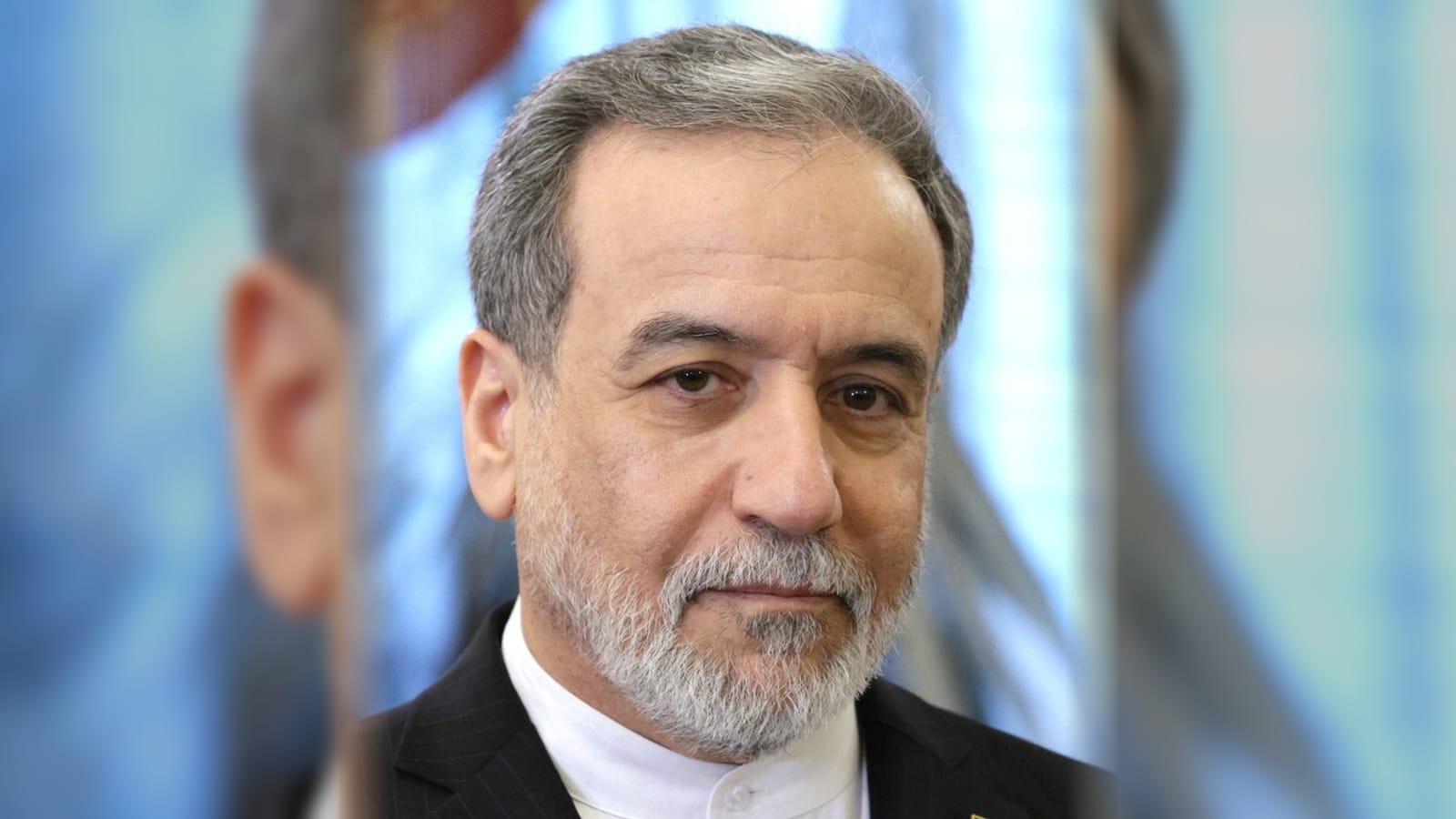
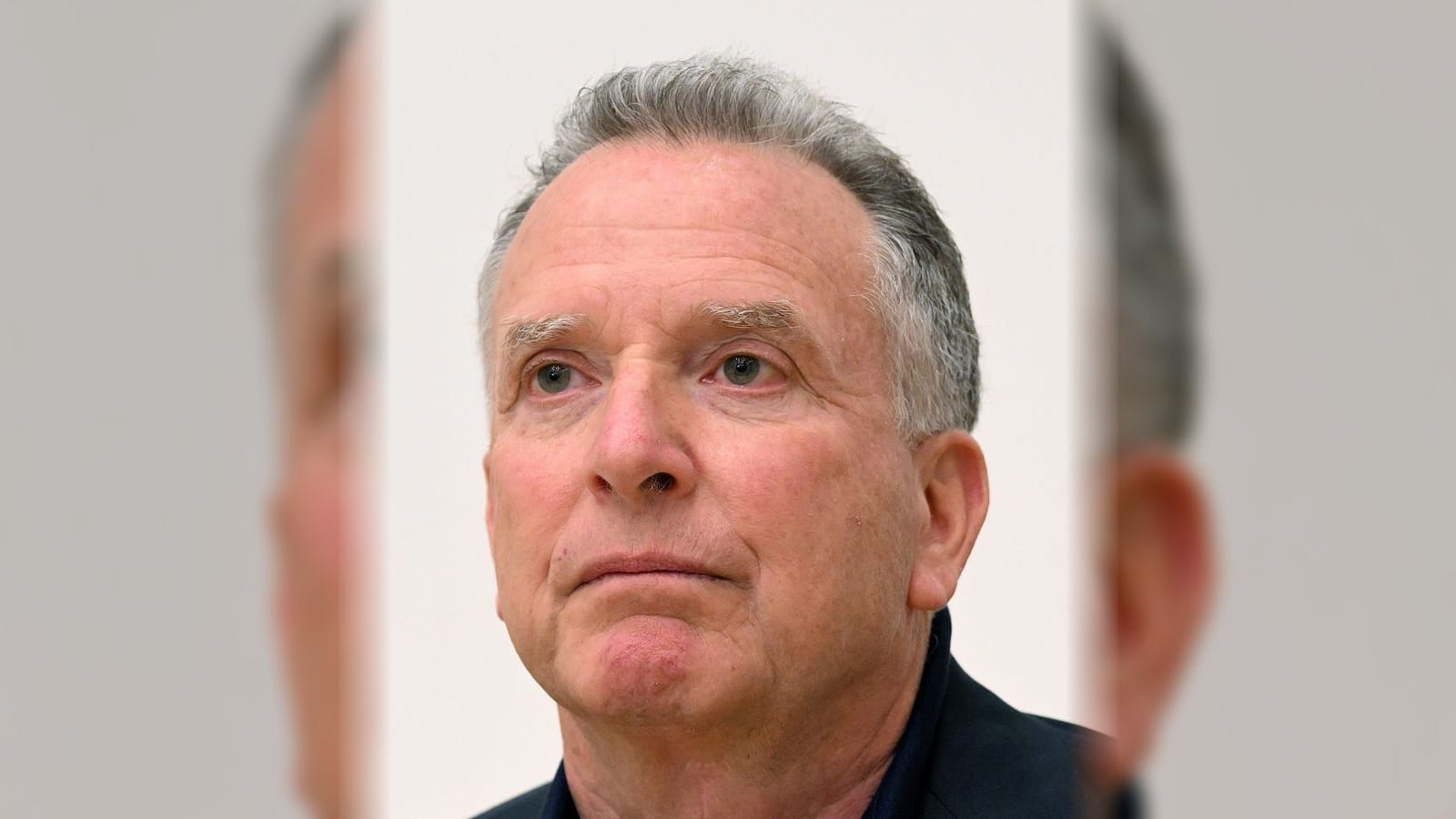
Abbas Araghchi. File photo by kremlin.ru, CC BY 4.0, via Wikimedia Commons.
Iran's foreign minister, Abbas Araghchi, said on Friday evening that Tehran has not given up on diplomacy as a way to end its war with the United States. The Jerusalem Post reported that Araghchi made the remarks in an interview with a newspaper, while Israel's N12 news described the venue only as an Iranian media outlet. Neither report named the publication.
According to N12's foreign desk, Araghchi said that hope remains in Tehran for a diplomatic end to the fighting, and that messages between Iran and Washington are still passing back and forth through mediators. In a second update, N12 quoted him as saying that Iran's first demand is for President Donald Trump to state explicitly that he wants an agreement. The Times of Israel reported that the minister also drew a red line over Iran's enriched uranium, while maintaining that a "fair solution" with the Americans is achievable. Ynet, the news site of the Israeli daily Yedioth Ahronoth, carried a brief alert quoting Araghchi as saying Iran still believes in diplomacy to bring the war to a close.
On the ground

🇮🇷🇺🇸In an interview with the state-owned newspaper "Iran," Iranian Foreign Minister Abbas Araghchi said a number of recent developments have created uncertainty about U.S. intentions, including the midterm elections and Trump's subsequent announcements that he's not interested Show more
Who Araghchi is
Abbas Araghchi serves as Iran's foreign minister, the official who leads the Islamic Republic's dealings with other governments. He is a career diplomat, and his public statements are generally read abroad as signals of where Tehran stands on negotiations. The Jerusalem Post illustrated its report with a photograph of him addressing a special session of the Conference on Disarmament, a United Nations forum, in Geneva.
Two messages in one interview
Taken together, the reports describe an interview that carried two strands. One was an opening: Iran, by Araghchi's account, still wants to settle the conflict through talks and has kept an indirect channel to the United States open. The other was a set of conditions. The first of these, as N12 reported it, is political: Tehran wants a clear public statement from Trump that he is seeking a deal. The second, according to The Times of Israel, concerns Iran's nuclear programme, where the minister described a limit Iran would not cross on its stock of enriched uranium.
Enriched uranium is uranium processed to raise the share of the isotope that sustains a nuclear chain reaction. At lower levels it fuels power reactors; at much higher levels it can be used in a weapon. What happens to Iran's enriched material has long been one of the central questions in any negotiation between Tehran and Western governments, which is why a red line on the subject matters to how any talks might proceed.
Israel's week in five stories, every Friday
Sourced and checked by the Israel.com newsroom, with Shabbat times. Free, one-click unsubscribe.
One list, unsubscribe in a click. See our privacy policy.
What indirect talks mean here
Iran and the United States do not hold regular direct diplomatic contacts. When Araghchi refers to messages passing through mediators, he is describing a channel in which third parties carry positions between the two governments. N12's report did not say which countries or individuals are playing that role in the current exchanges.
How the Israeli media covered it
The remarks were picked up within about half an hour by several Israeli news organisations, mostly in short updates. N12 published two separate items from its foreign desk, one on the state of diplomacy and the mediated messages and one on the demand addressed to Trump. Ynet issued a one-line alert. The Jerusalem Post and The Times of Israel each ran items in English, with the Post focusing on Iran's continued hope for diplomacy and The Times of Israel on the uranium red line and the prospect of a fair settlement.
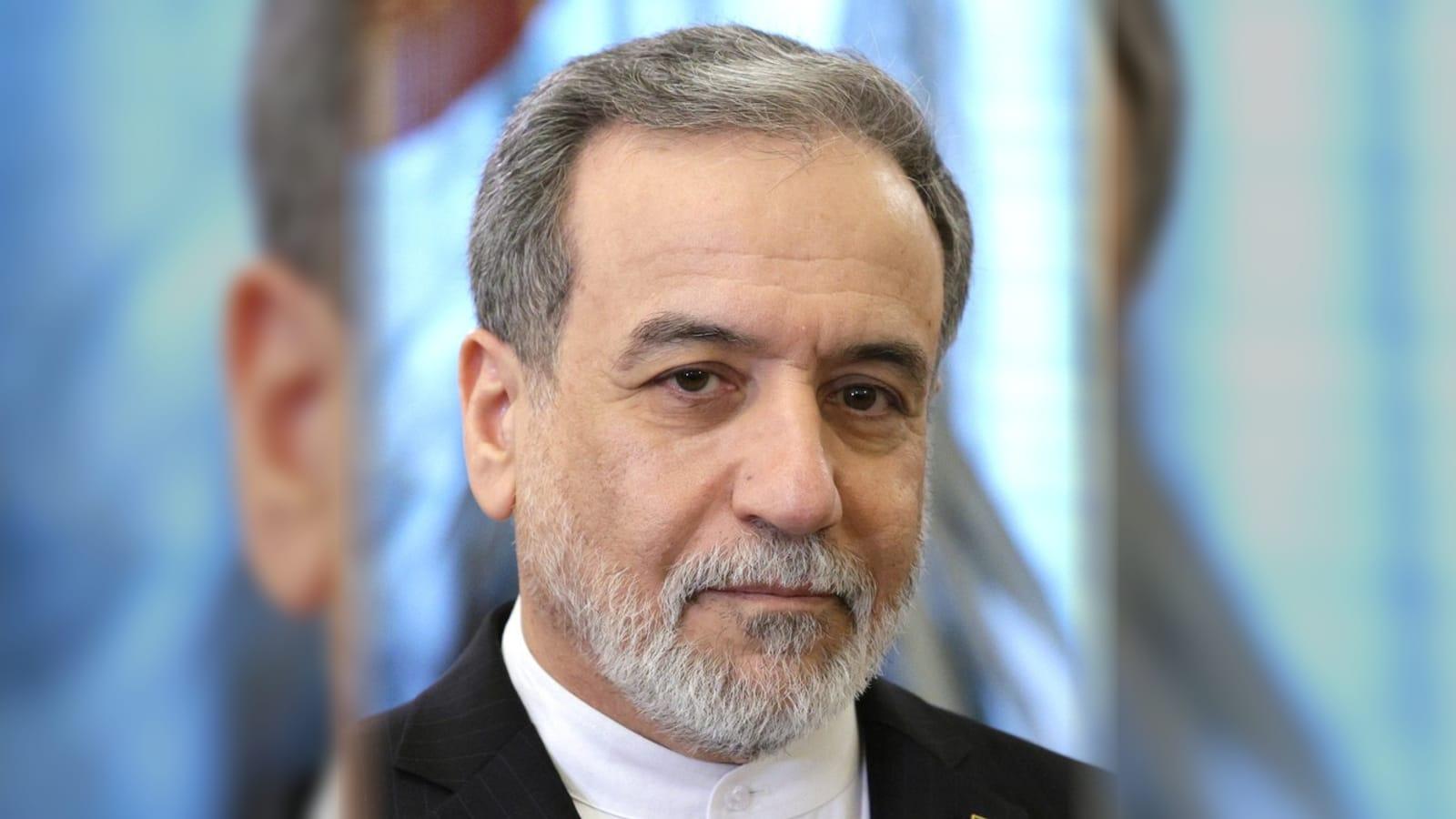
File photo
Next story Government
Iran's Foreign Minister Araghchi expected in Oman on Tuesday amid Gulf tension
The reports are consistent with one another on the substance. They differ only in emphasis and in how they describe the outlet: the Post says a newspaper, N12 says an Iranian media outlet, and the other reports do not specify.
What the reports do not say
None of the reports names the Iranian outlet that carried the interview or publishes a full transcript, so the exact wording of Araghchi's remarks has not been seen beyond short excerpts. The Times of Israel item, as available, does not spell out what the uranium red line actually is, for example whether it concerns the level of enrichment, the size of the stockpile or moving it out of the country. No report identifies the mediators carrying messages between Tehran and Washington. And no response from Trump, the White House or the Israeli government to Araghchi's conditions has been reported.
Read next
All security →
Illustration
Security
Beit El security coordinator shoots dead unarmed Palestinian man
Illustration
Security
Israeli drone strike in Bureij targets Hamas meeting; four reported dead
File photo
Security
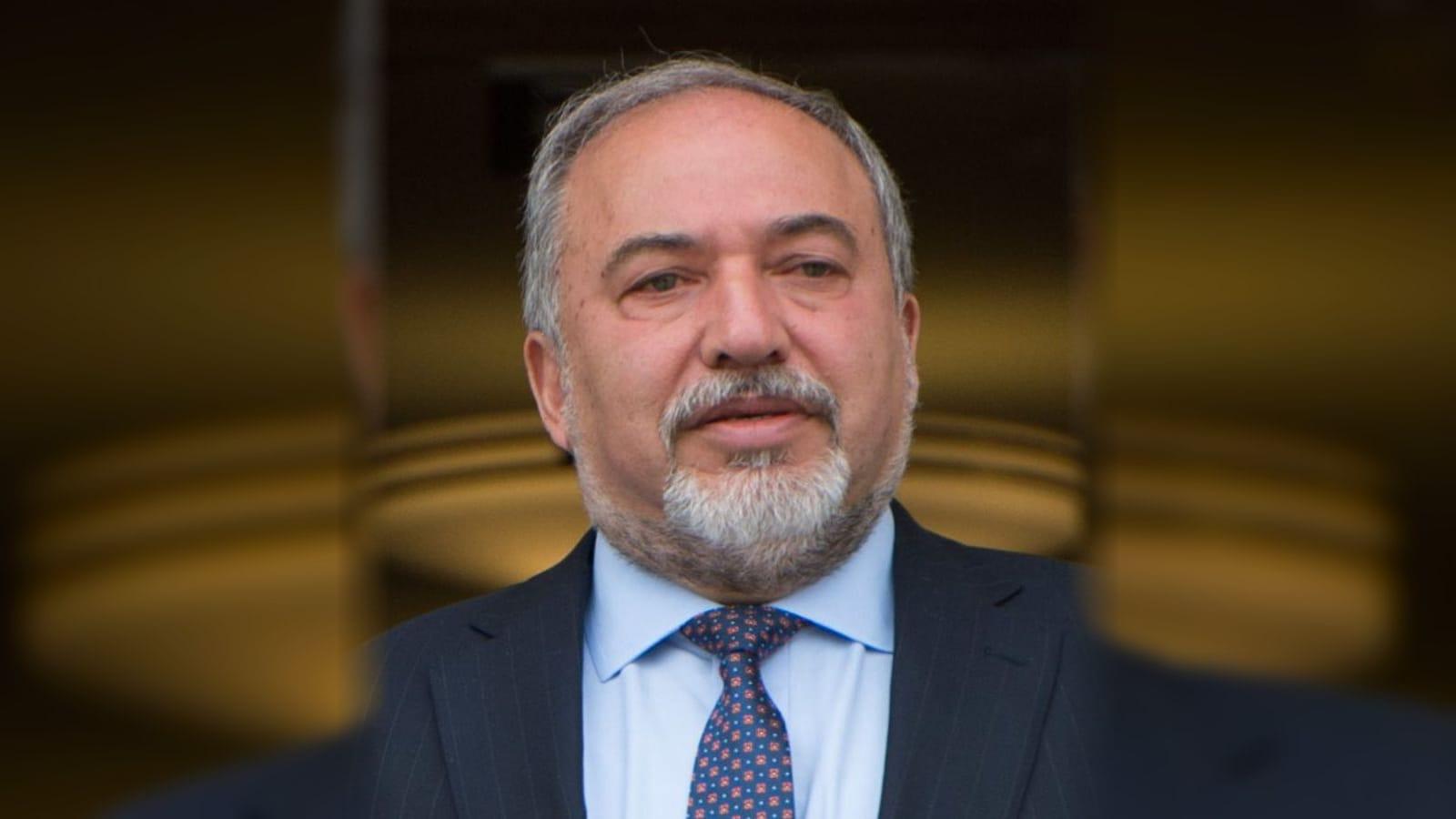
Liberman says a new strike on Iran now would be politically motivated

File photo
Security
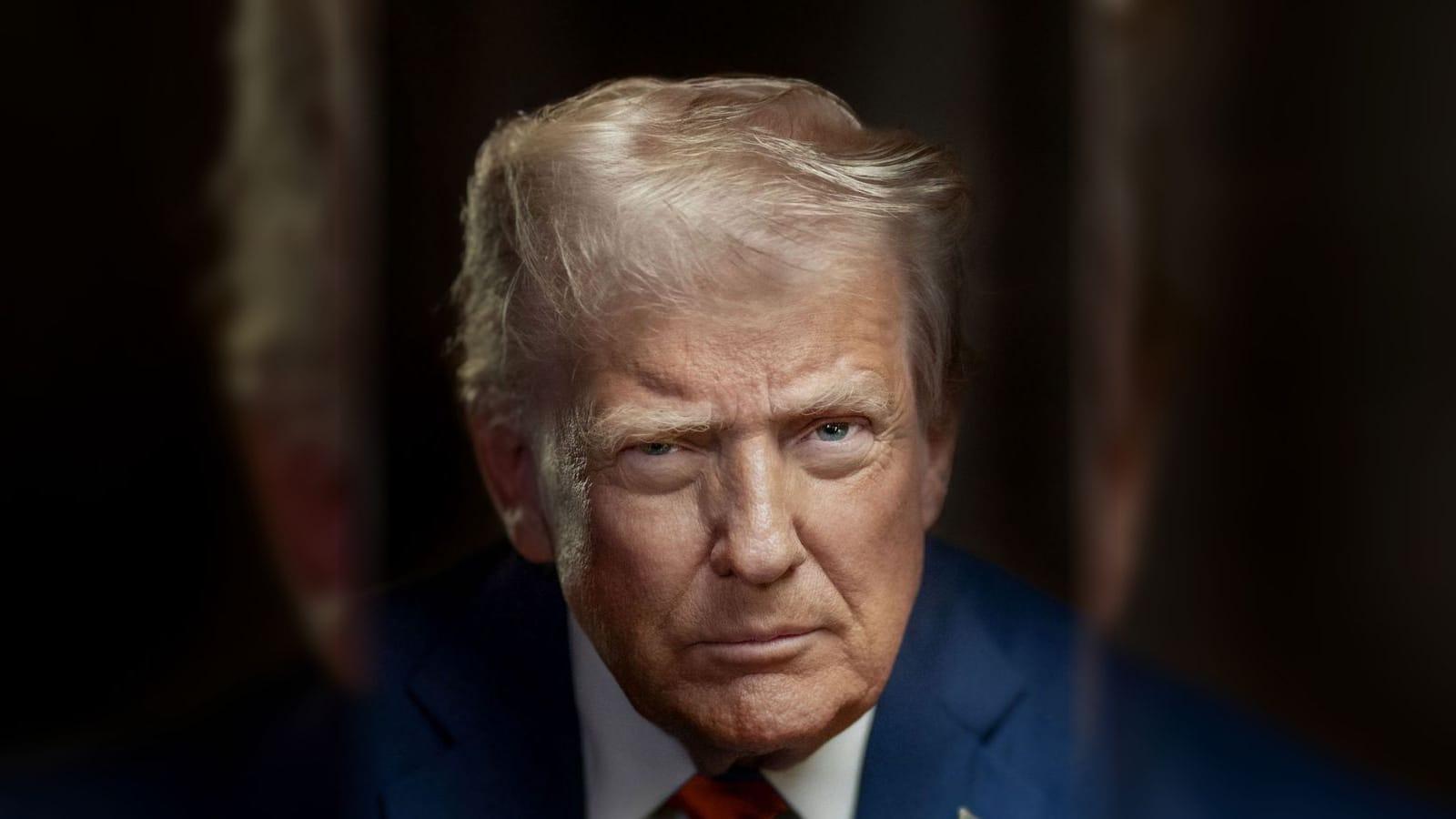
Vance says his role is to back Trump on Iran war after midterm setback
Sources and further reading
Every link below was opened and checked when this page was written. Official statements are marked as such: they are the subject's own account, not an independent one.
- Reportingyediotht.meYnet alerts
- Reportingtoitimesofisrael.comThe Times of Israel
- Reportingjpostjpost.comThe Jerusalem Post
- Reportingkeshett.meN12
- Reportingkeshett.meN12
How we checked this
Araghchi's remarks on diplomacy were reported by N12, Ynet and The Jerusalem Post; the demand addressed to Trump and the mention of mediators come only from N12, and the uranium red line only from The Times of Israel. We have not seen the original interview.
Our sourcing and corrections policy →The week from Israel, in one email
The stories that mattered, sourced and checked by the Israel.com newsroom. Free, weekly, one-click unsubscribe.
One list, unsubscribe in a click. See our privacy policy.
Latest
File photo
Illustration
Illustration
File photo
Illustration
Illustration