Bennett and Lapid clash over relying on Arab votes, per Amit Segal
Journalist Amit Segal reports a sharp exchange between Naftali Bennett and Yair Lapid over Arab parties' votes, Netanyahu and a rotation with Gadi Eisenkot.
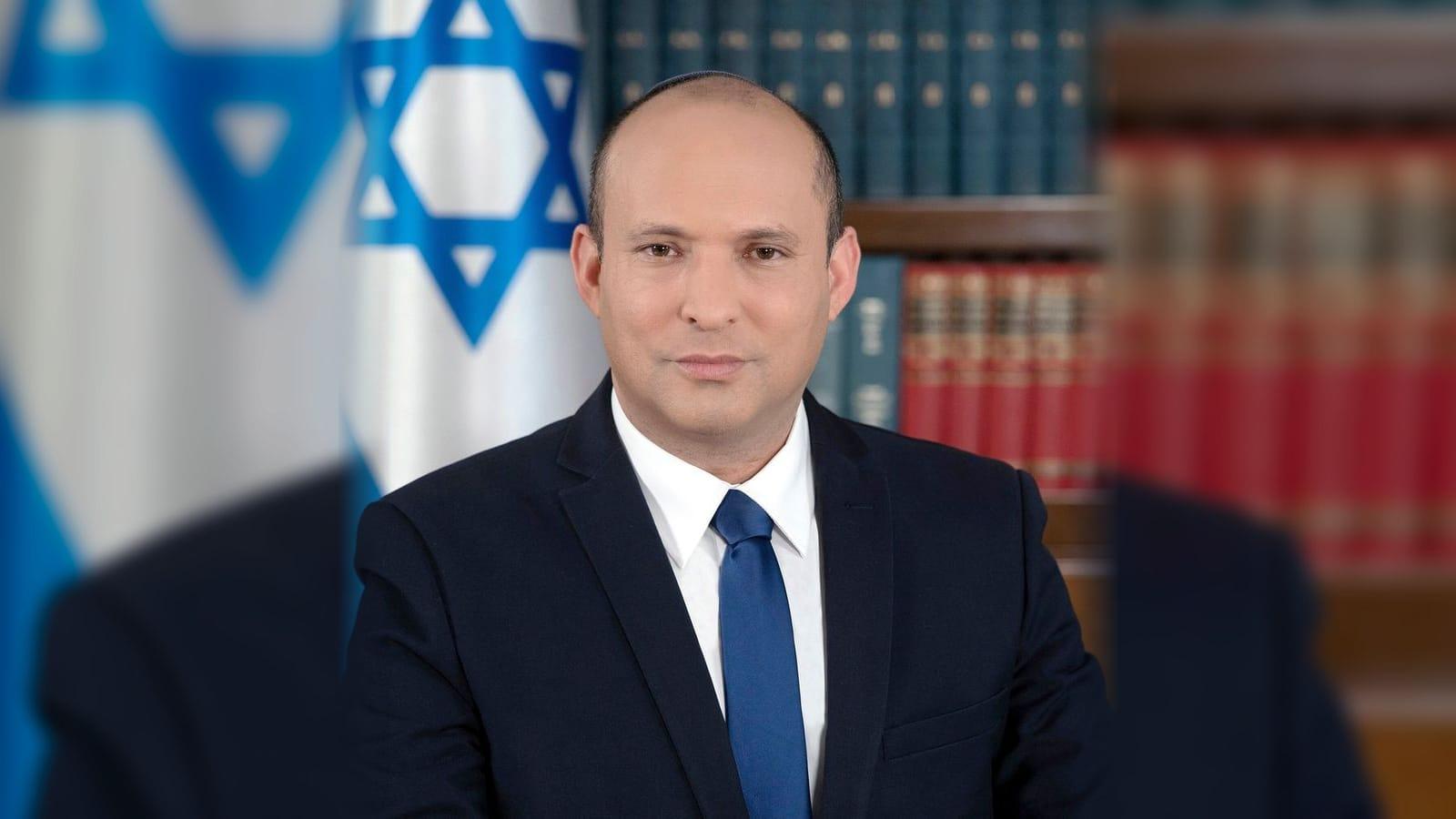
Naftali Bennett. File photo by Avi Ohayon, CC BY-SA 3.0, via Wikimedia Commons.
Naftali Bennett warned his partners in Israel's anti-Netanyahu camp that swearing in a government that depends on the votes of Arab lawmakers would have severe consequences for the country, according to an account of a meeting of the bloc's leaders published on Telegram by political journalist Amit Segal. Segal said the exchange took place the day before his post, during contacts among the leaders of what is known in Israel as the "change bloc".
Yair Lapid, by Segal's account, replied that he did not trust Benjamin Netanyahu at all and expected Bennett to fail, but told Bennett that if he believed otherwise he should go ahead, and should bring back a rotation agreement in which Gadi Eisenkot serves first. N12's news channel carried the same account, explicitly crediting it to Segal and placing the remarks at a meeting of the bloc's heads.
On the ground

When Netanyahu joined forces with Arab parties: 771 votes revealed New data reveals Netanyahu voted alongside Arab parties 771 times during the Bennett-Lapid government, including 40 votes on security issues, despite his coalition'... ynetnews.com/article/sy70dp…


🔴 Following the Netanyahu–Bennett meeting, Lapid says he and Bennett are working ‘tirelessly' to form a government led by Eisenkot
What Bennett is reported to have said
According to Segal, Bennett told his partners that a government sworn in on the strength of Arab votes would land on the other political camp like a far more extreme version of "the Levin speech", and that they did not grasp what that would mean for the state. The reference is apparently to Yariv Levin of the Likud party, who as justice minister delivered the speech that launched the government's plan to overhaul the judiciary, a programme that set off prolonged mass protests across Israel. The reports do not spell out the reference, and the reading here is ours.
Bennett's point, as reported, appears to be that a coalition resting on Arab parties would provoke an intense backlash among right-wing and religious voters, in the way the judicial overhaul announcement provoked his own side. The reports quote no further explanation from him.
Lapid's reply and the Eisenkot rotation
Lapid's answer, as relayed by Segal, suggests that Bennett had raised the possibility of a different path, one that would involve dealing with Netanyahu. Lapid said he did not believe Netanyahu and thought Bennett would not succeed, but did not try to stop him, attaching a condition: a rotation with Eisenkot, with Eisenkot first.
Get an email the day Israel has a new government.
Coalition talks can take weeks. When a government is sworn in, Israel.com's newsroom emails who leads it, which parties are in and who got which ministry, then the Friday email each week. Free, and one click unsubscribes.
One list, unsubscribe in a click. See our privacy policy.
In Israeli coalition politics, a rotation is a power-sharing deal in which two leaders agree to take turns as prime minister, each serving part of the term. Gadi Eisenkot is a former chief of staff of the Israel Defense Forces (IDF) who entered politics after leaving the military and is one of the leaders of the anti-Netanyahu camp. The reports do not explain who would rotate with Eisenkot, or with whom any such arrangement would be negotiated.
What the change bloc is
"Gush hashinui", the change bloc, is the Hebrew label for the parties that oppose a government led by Netanyahu and his Likud party. The term dates to the coalition that Bennett and Lapid themselves formed together, which ended Netanyahu's previous long run in office and, for the first time, included an Arab party, Ra'am, as a coalition member. That government later collapsed and Netanyahu returned to power.
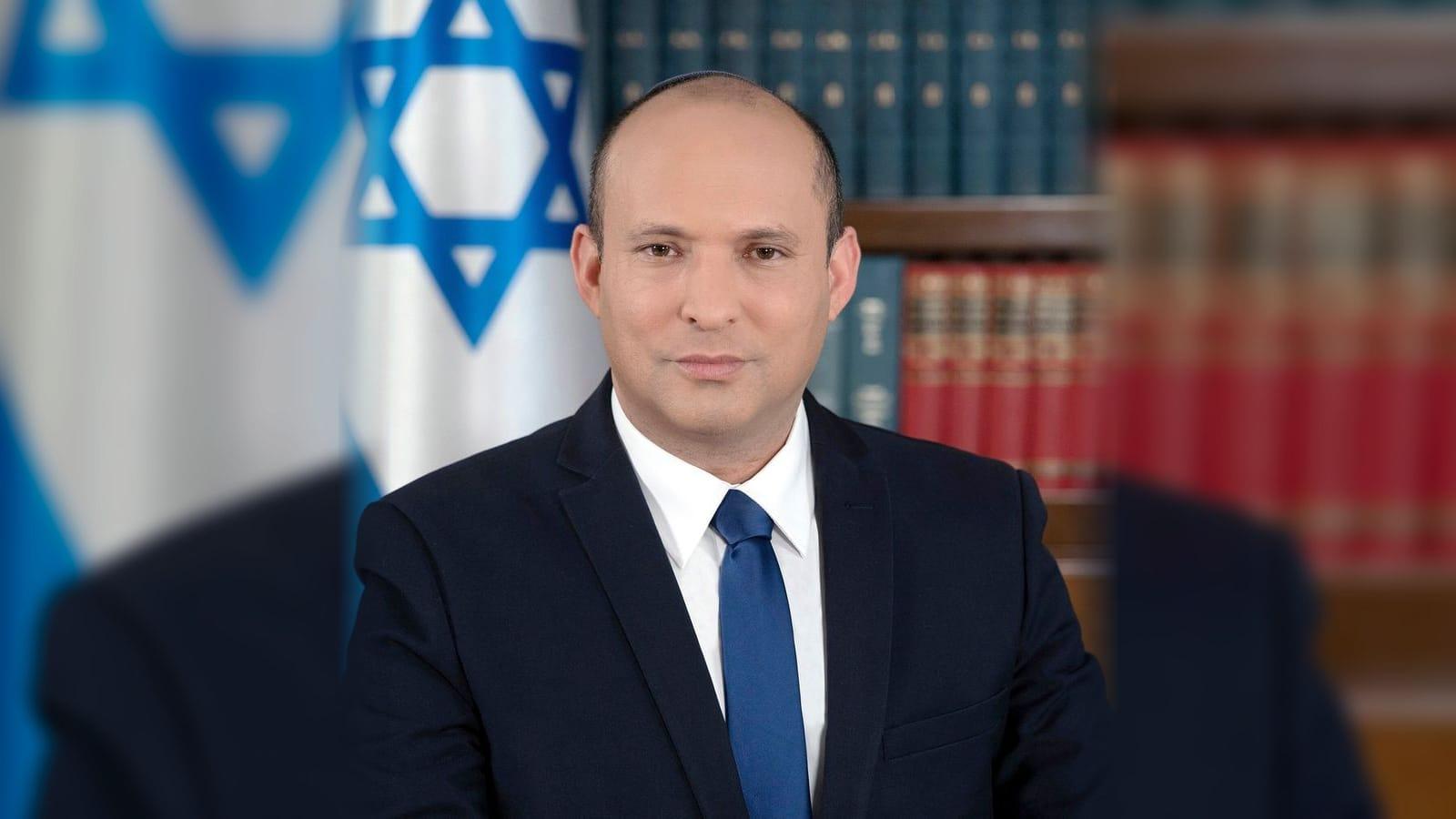
File photo
Next story Elections
Bennett urged change bloc to pursue unity deal with Eisenkot first, N12 says
Whether an anti-Netanyahu government can or should rely on Arab parties, either as partners or as outside support in parliament, has been one of the sharpest internal arguments in the bloc ever since. Right-wing figures within it, Bennett among them, have faced fierce attacks from Netanyahu's camp over the earlier partnership with Ra'am, and the reported exchange shows the question remains unresolved among the bloc's leaders.
How the two accounts compare
The two reports are not independent of each other. N12's post is attributed to Segal and reproduces his account, so the entire story rests on a single journalist's reporting of a closed meeting. The wording differs slightly between them: in Segal's version, Lapid tells Bennett to go ahead if he thinks differently, while in the N12 version Lapid says to go ahead if Bennett wants to. Segal's version also refers to Netanyahu as "this man", with the name added in brackets, where N12 names him directly.
What the reports do not say
Neither report includes a response from Bennett, Lapid, Eisenkot or any other leader in the bloc, and none has been reported confirming or disputing the account. The reports do not say who else attended the meeting, what Bennett actually proposed regarding Netanyahu, whether any talks with Likud are taking place, or whether the bloc reached any decision on the question of Arab parties' support.
People in this story: Amit Segal, Naftali Bennett, Yair Lapid, Benjamin Netanyahu, Gadi Eisenkot, Yariv Levin
Read next
All elections →
File photo
Government
Bennett camp says Netanyahu summoned him, rules out serving under him
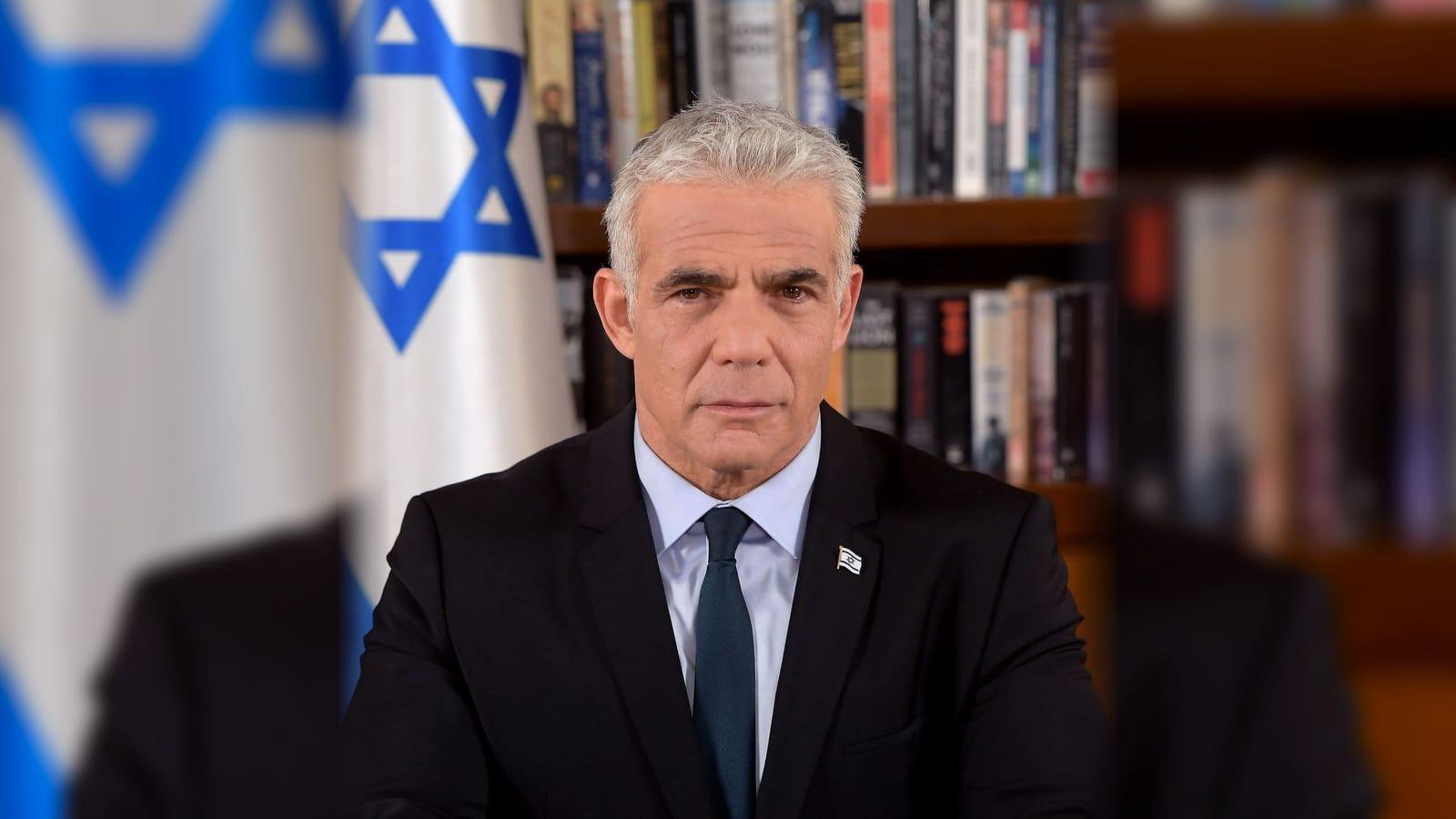
File photo
Elections
Lapid says he and Bennett are still working toward an Eisenkot-led government

File photo
Elections
Golan backs Lapid push for a 'government of change' after their meeting
File photo
Elections
Lapid says change bloc will accept painful compromises to form a government
Sources and further reading
Every link below was opened and checked when this page was written. Official statements are marked as such: they are the subject's own account, not an independent one.
- Reportingamitsegalt.meAmit Segal
- Reportingkeshett.meN12
How we checked this
The account comes from journalist Amit Segal; N12's version credits Segal, so it rests on a single reporter's description of a closed meeting. No participant has been reported confirming or denying it.
Our sourcing and corrections policy →The week from Israel, in one email
The stories that mattered, sourced and checked by the Israel.com newsroom. Free, weekly, one-click unsubscribe.
One list, unsubscribe in a click. See our privacy policy.

Israel.com is free, and readers like you keep it that way.
The Israel.com newsroom checks every story against its sources and publishes it free. If this one helped, a contribution of any size keeps the next one free too.
One payment, nothing to sign up for. Another amountGive monthly
Latest

Illustration

File photo

Illustration

File photo

File photo

Illustration