Bessent says Hormuz saw its heaviest oil flow of the conflict overnight
The US Treasury Secretary, living on a military base after reported Iranian threats, said Iran's pursuit of him shows Tehran is under pressure.
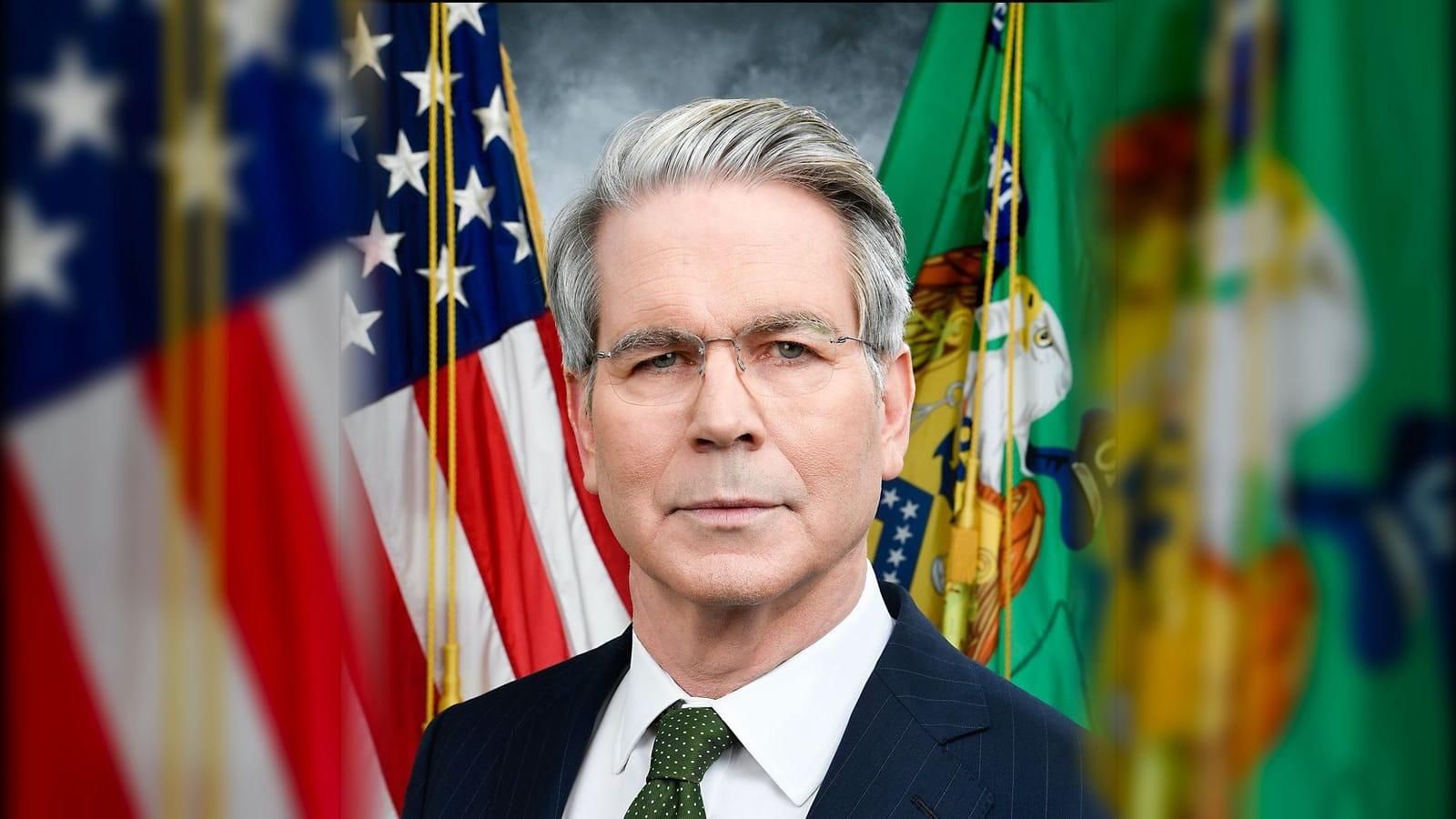
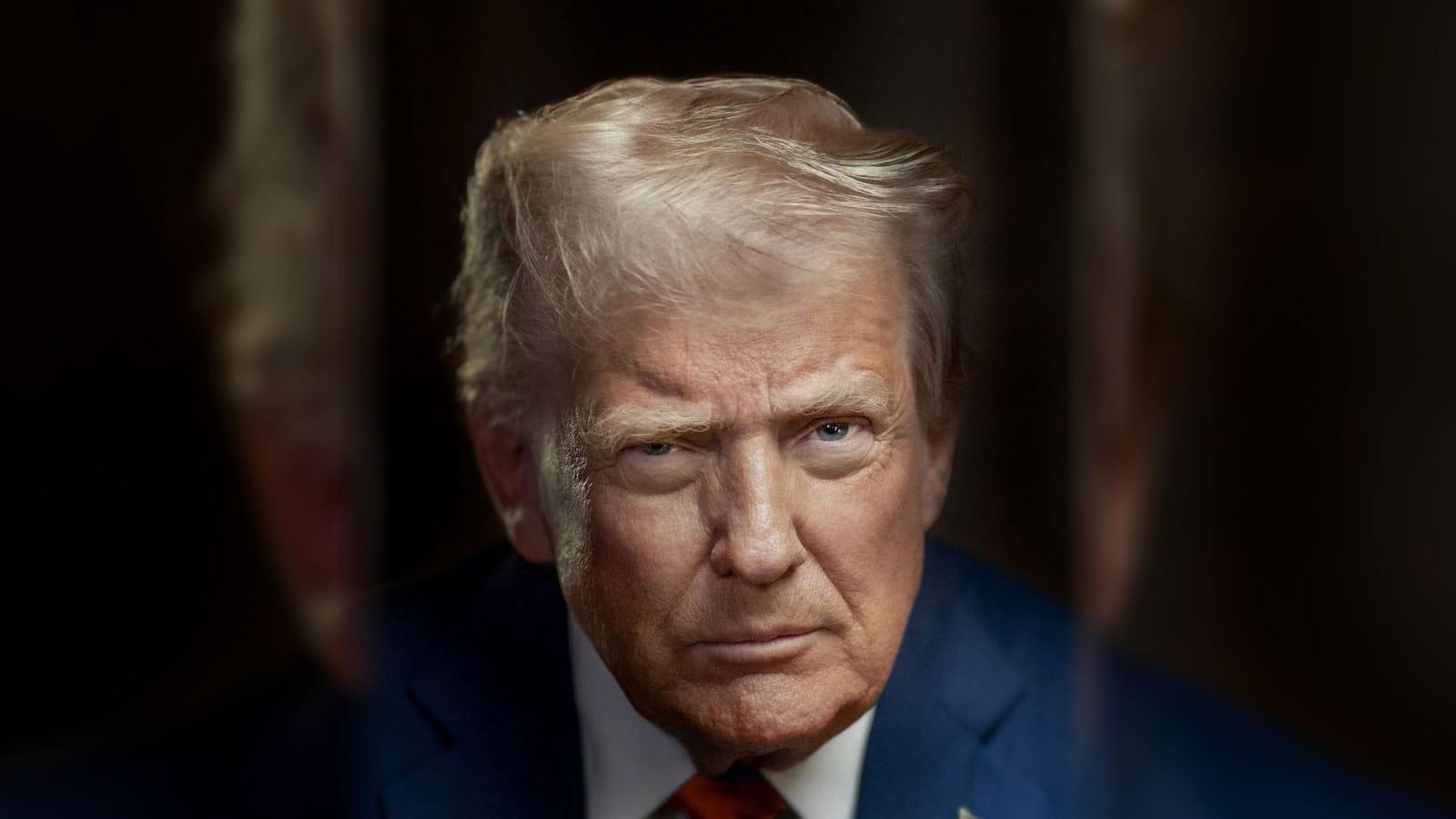
Scott Bessent. File photo by United States Department of the Treasury, public domain, via Wikimedia Commons.
United States Treasury Secretary Scott Bessent said that more oil moved through the Strait of Hormuz overnight than at any point since the conflict began. The Israeli news site Ynet carried the remark in a breaking alert, quoting him directly but giving no figures, shipping data or details of which vessels made the passage.
In the same round of comments, Bessent addressed his own security and US policy toward Iran. The Times of Israel reported that he said he is still living at a US military base and pledged to squeeze Iran. According to the foreign desk of the Israeli television news outlet N12, Bessent made his remarks in an interview with the American business network CNBC, and moved to the base recently because of Iranian threats against his life.
What Bessent said about Iran and his safety
N12 quoted Bessent as saying: "If Iranians are chasing me, it means they are under pressure." The line presents the reported threats against him as evidence that US economic measures are having an effect on Tehran, rather than as a sign of vulnerability. That reading is Bessent's own; none of the reports cite an assessment from US security agencies or any other body about the nature of the threats.
The Times of Israel summarised his position as a vow to squeeze Iran. Its report, as available, is a headline on a live blog and does not set out which measures he has in mind. As Treasury Secretary, Bessent heads the department responsible for US financial sanctions, which is the main economic tool Washington uses against Iran, but the reports do not say which specific steps he referred to.
Why the Strait of Hormuz matters
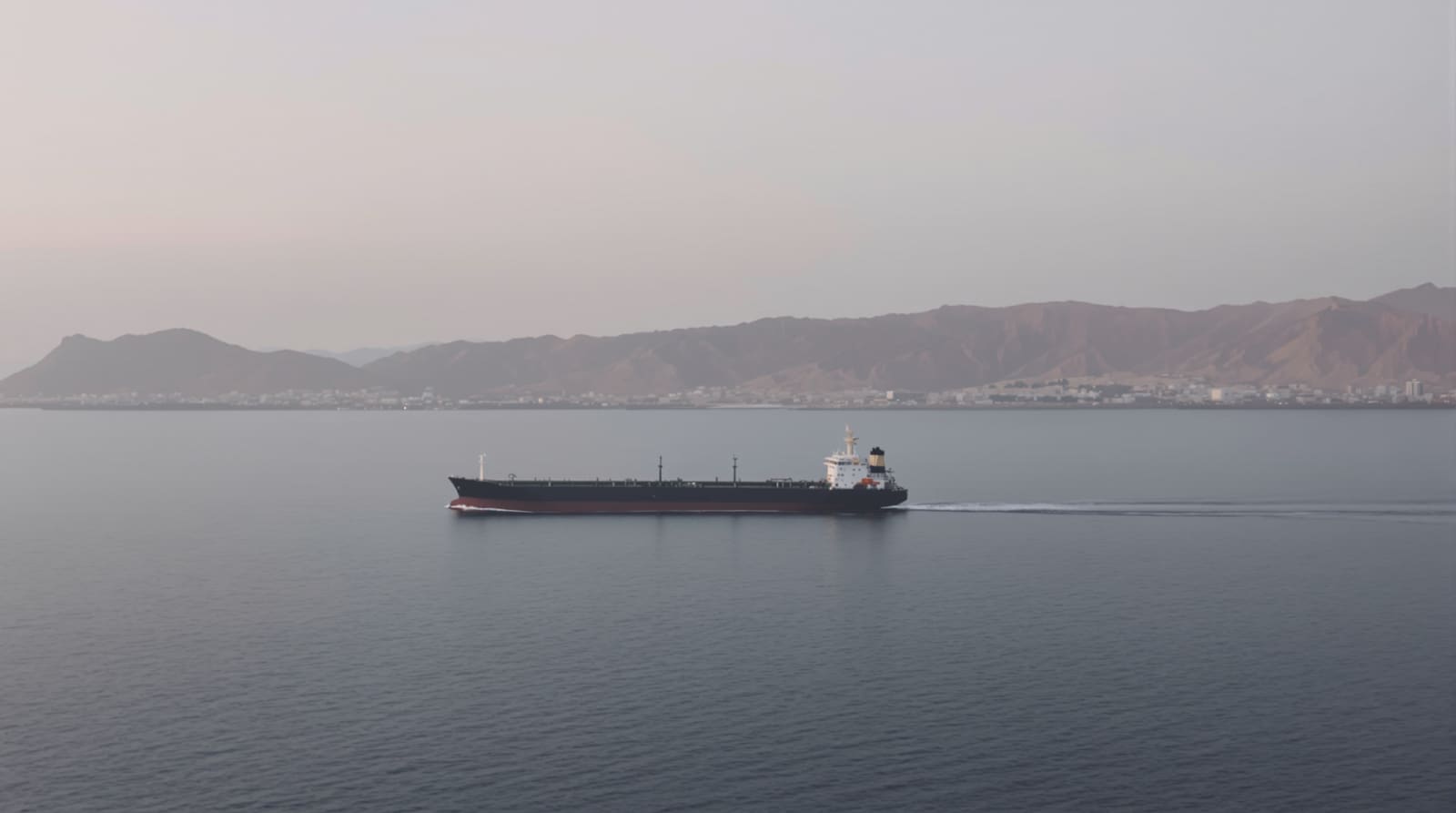
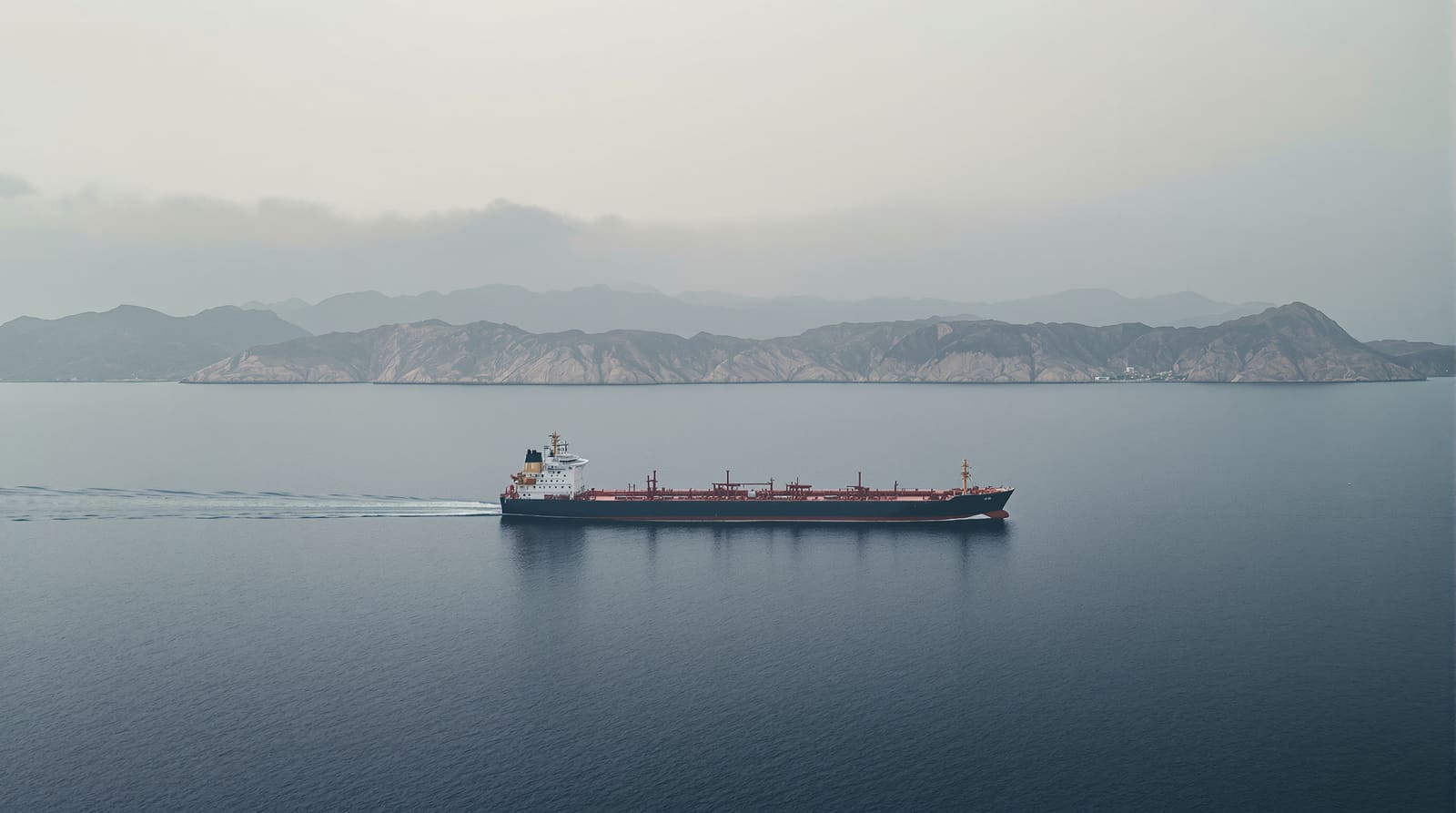
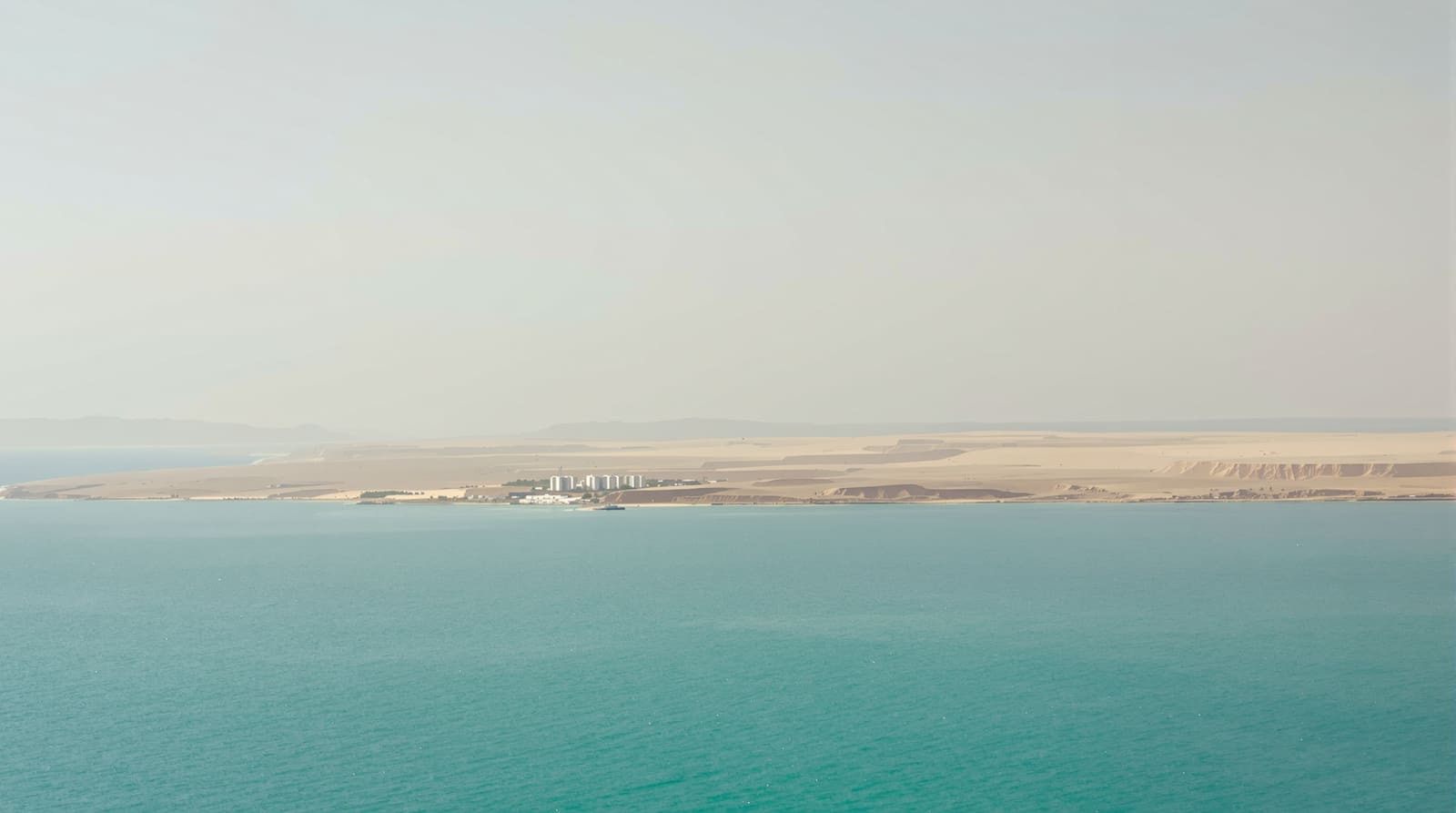
The Strait of Hormuz is the narrow waterway linking the Persian Gulf to the Gulf of Oman and the open ocean, with Iran on its northern shore. A large share of the oil exported from Gulf producers passes through it by tanker, which makes it one of the most closely watched shipping routes in the world. Any disruption there tends to move global energy prices, and Iran has long been seen as able to threaten traffic through the strait.
Israel's week in five stories, every Friday
Sourced and checked by the Israel.com newsroom, with Shabbat times. Free, one-click unsubscribe.
One list, unsubscribe in a click. See our privacy policy.
Bessent's comment that the overnight flow was the highest since the start of the conflict implies that shipments through the strait had been reduced or interrupted during the fighting. Ynet's alert does not name the conflict or say when it began, and it does not give a volume for the overnight passage or for earlier periods, so the scale of the change cannot be assessed from the material available.
China and Nvidia
N12 also reported that Bessent told CNBC the name of Jensen Huang, whom N12 described as the outgoing chief executive of the chip maker Nvidia, did not come up in talks with China. The report gives no further detail on what those talks covered or why Huang's name might have been expected to arise. Neither Ynet nor The Times of Israel mentioned this part of the interview.
How the reports fit together
The three reports appear to describe different parts of the same set of remarks. Ynet focused on the oil flow through Hormuz, The Times of Israel on Bessent's living arrangements and his stance on Iran, and N12 on the CNBC interview, the China talks and the threats against him. Only N12 names CNBC as the venue; the other two do not say where Bessent was speaking. The reports do not contradict one another, but each carries details the others lack, and the account of the Iranian threats and the reason for his move to the base comes from N12 alone.
What the reports do not say
- No report gives a figure for how much oil passed through Hormuz overnight, or names the source of the data Bessent was citing.
- The reports do not identify which military base Bessent is living on, when he moved there, or what the Iranian threats against him consisted of.
- No response from Iran to Bessent's remarks has been reported.
- The Times of Israel's headline says Bessent vowed to squeeze Iran, but none of the material specifies what new measures, if any, he announced.
Read next
All security →
File photo
Security
Scott Bessent curses Iran's leaders and says threats will not scare him
File photo
Security
Bessent moves to military base, says Iranian threats will not deter him
Illustration
Security
ADNOC vessel hit in the Strait of Hormuz, one crew member missing
Illustration
Emergency
Iran says oil tanker caught fire after hitting a mine near Hormuz
Sources and further reading
Every link below was opened and checked when this page was written. Official statements are marked as such: they are the subject's own account, not an independent one.
- Reportingyediotht.meYnet alerts
- Reportingtoitimesofisrael.comThe Times of Israel
- Reportingkeshett.meN12
How we checked this
Ynet, The Times of Israel and N12 each reported parts of Bessent's remarks; the oil-flow claim is his own and no figures were published. The CNBC venue, the China talks detail and the reason for his move to a base are reported by N12 alone.
Our sourcing and corrections policy →The week from Israel, in one email
The stories that mattered, sourced and checked by the Israel.com newsroom. Free, weekly, one-click unsubscribe.
One list, unsubscribe in a click. See our privacy policy.
Latest
Illustration
File photo
Illustration
File photo
Illustration
File photo