Central Command chief Avi Bluth says a few hundred extremists harm Israel
The IDF general in charge of the West Bank condemned violent settlers as impostors posing as pioneers, while praising the settler majority he says works with the army.
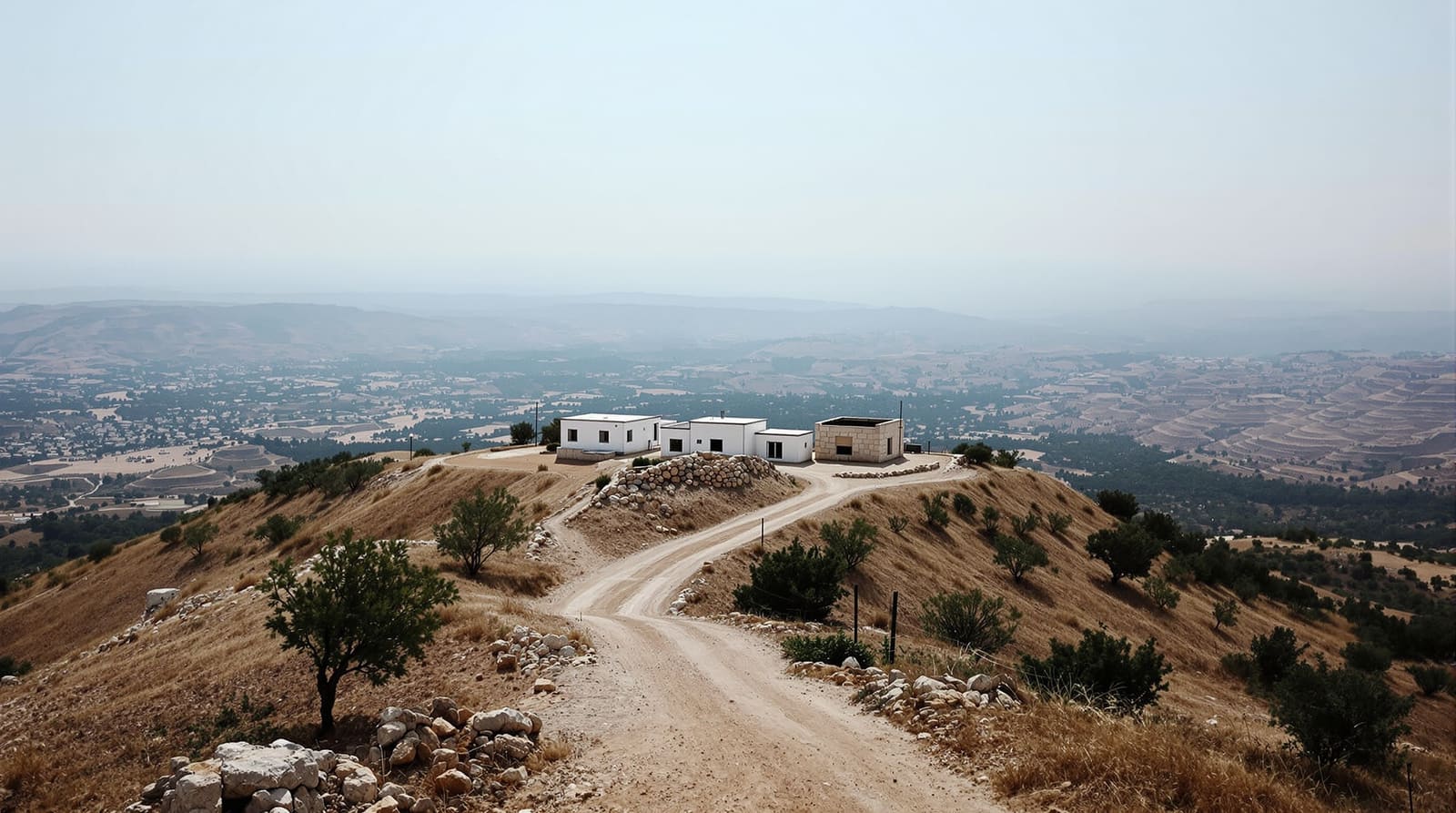
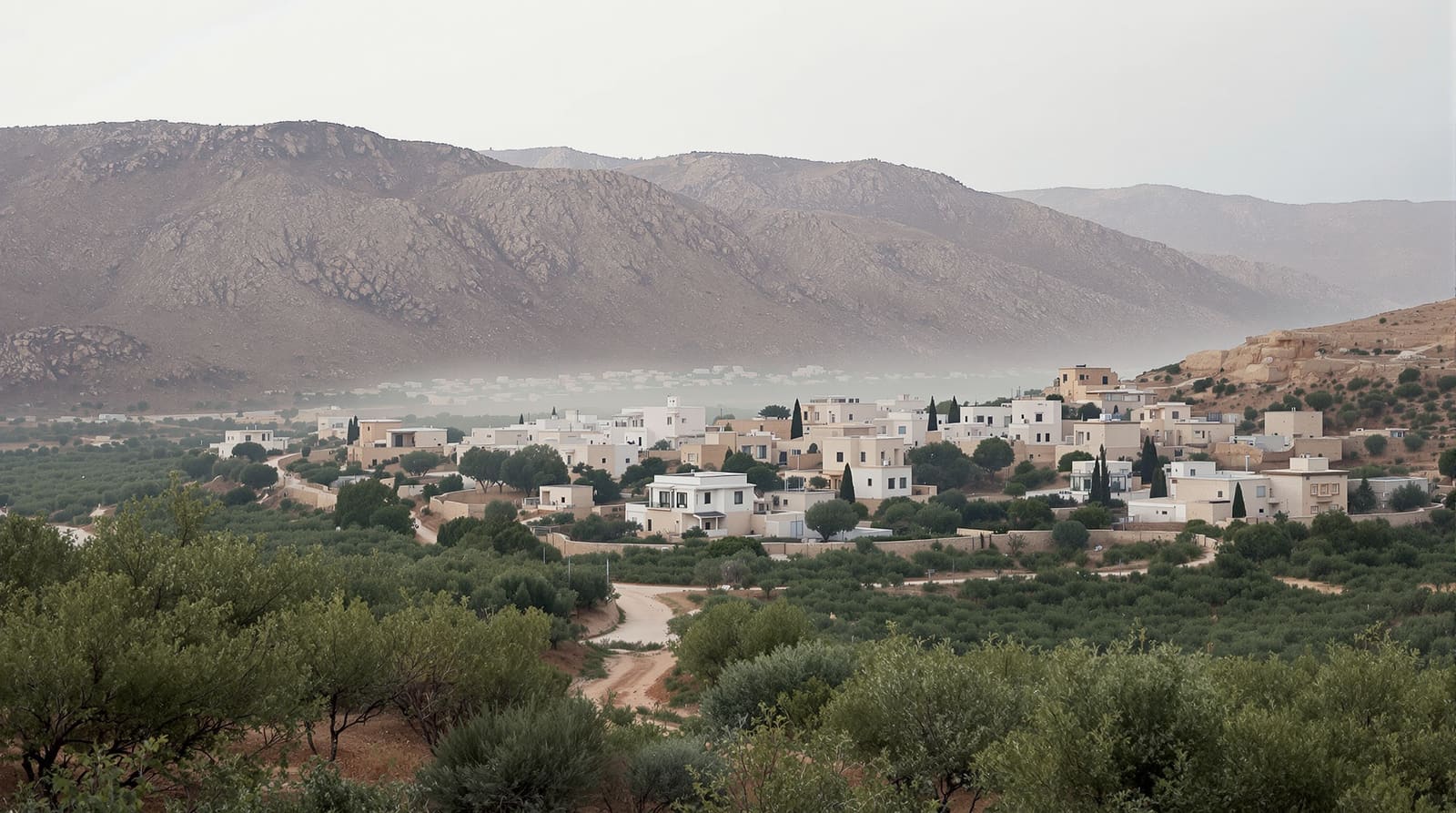
AI illustration, not a photo of the events.
Major General Avi Bluth, head of the Israel Defense Forces (IDF) Central Command, publicly condemned violence by Israeli extremists in the West Bank on Thursday, saying a small group posing as pioneers is doing serious harm to the country. The Times of Israel reported that the general said settler violence causes "tremendous damage" to Israel.
According to remarks relayed by N12 military correspondent Nir Dvori, Bluth said the perpetrators number only several hundred but described their actions as illegal, immoral and, in his words, "not Jewish." Kan News, the public broadcaster, carried the remarks under the heading of Jewish terror, while Ynet framed them as an attack on nationalist crime.
What the sources posted


מפקד פיקוד המרכז נגד הטרור היהודי: הם מתחפשים לחלוצים, אמנם מונים כמה מאות - אך עושים למדינה נזק נוראי @ItayBlumental kan.org.il/content/kan-ne…
What Bluth said
In the comments reported by N12, Bluth said there are people "among us" who dress themselves up as halutzim, the Hebrew word for pioneers, a term with deep resonance in Israel because it recalls the early Zionist settlers who built farms and towns before the state existed. He said these people speak the language of pioneering as if they were emissaries of the Jewish people, but in practice commit criminal and violent acts.
He argued that this behaviour damages the settlement enterprise itself, harms Israel's good name, and puts at risk the security gains the military has achieved. The Hebrew phrase he used, nezek nora'i, literally means terrible damage; the Times of Israel rendered it in English as tremendous damage.
A distinction between rioters and residents
Bluth was careful to separate the violent minority from the broader settler population. In a second set of remarks reported by N12, he said that the overwhelming majority of residents in the area under his command, including those living on farms and in settlements, are what he called true pioneers. He specifically mentioned the hava'im, a Hebrew term for the residents of agricultural and herding farms in the West Bank, alongside settlement residents more broadly.
Israel's week in five stories, every Friday
Sourced and checked by the Israel.com newsroom, with Shabbat times. Free, one-click unsubscribe.
One list, unsubscribe in a click. See our privacy policy.
He described this majority as acting with great sacrifice alongside the security forces, and used the phrase "letting the IDF win," a slogan widely used in Israeli public debate during the recent wars, to describe their support for the army. He closed with a comparison between combat and settlement: in his view, the land is settled out of love for the people and the land, not out of hatred for the other.
What Central Command is
Central Command is one of the IDF's regional commands. Its area of responsibility includes the West Bank, which Israeli officials and much of the Israeli media refer to as Judea and Samaria, often abbreviated in Hebrew as Yosh or Ayosh. The N12 reports used that abbreviation. Because the West Bank is under Israeli military rule, the head of Central Command is the senior military authority there, responsible both for operations against Palestinian armed groups and for maintaining order between Israeli settlers and Palestinian residents.
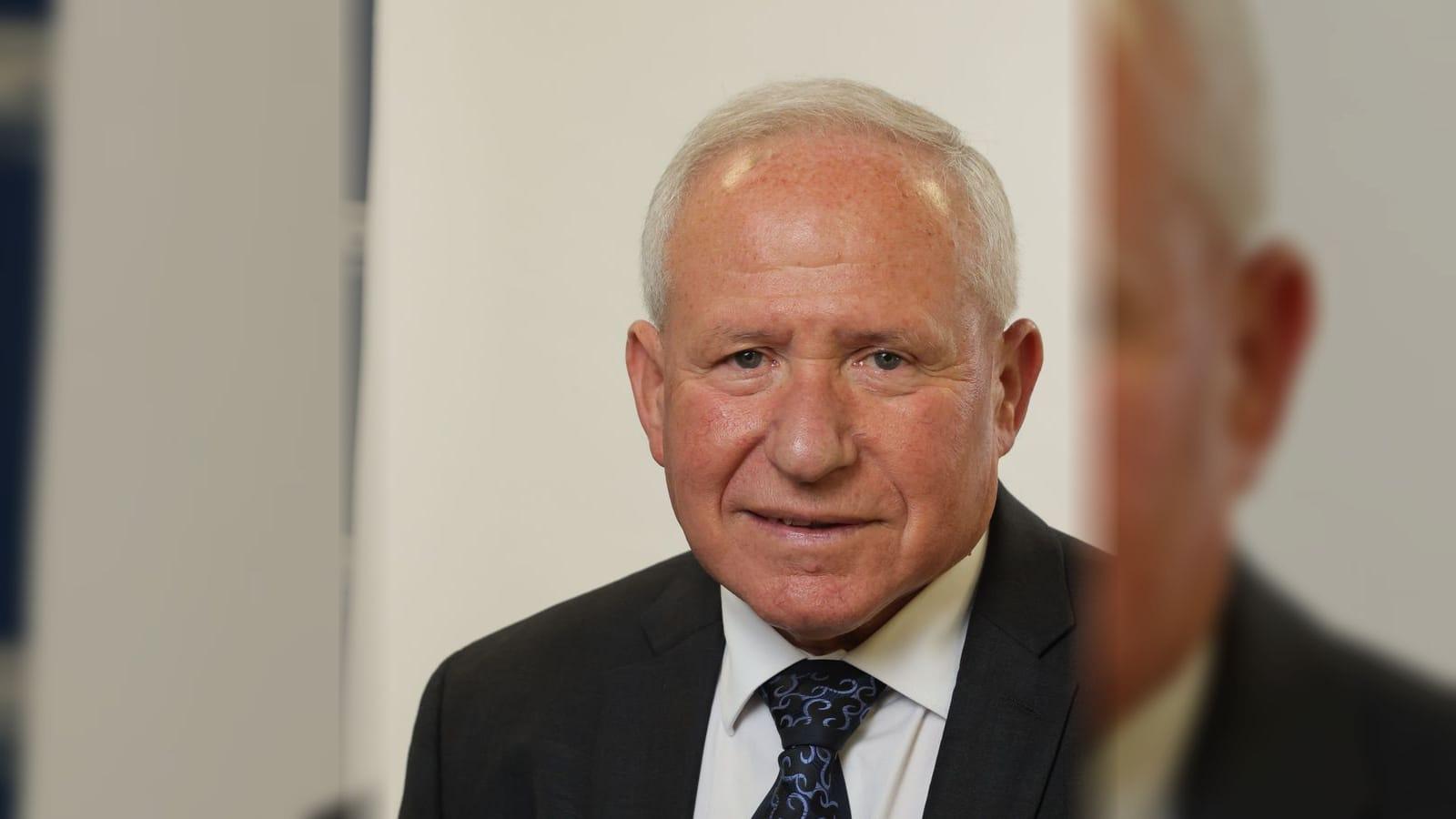
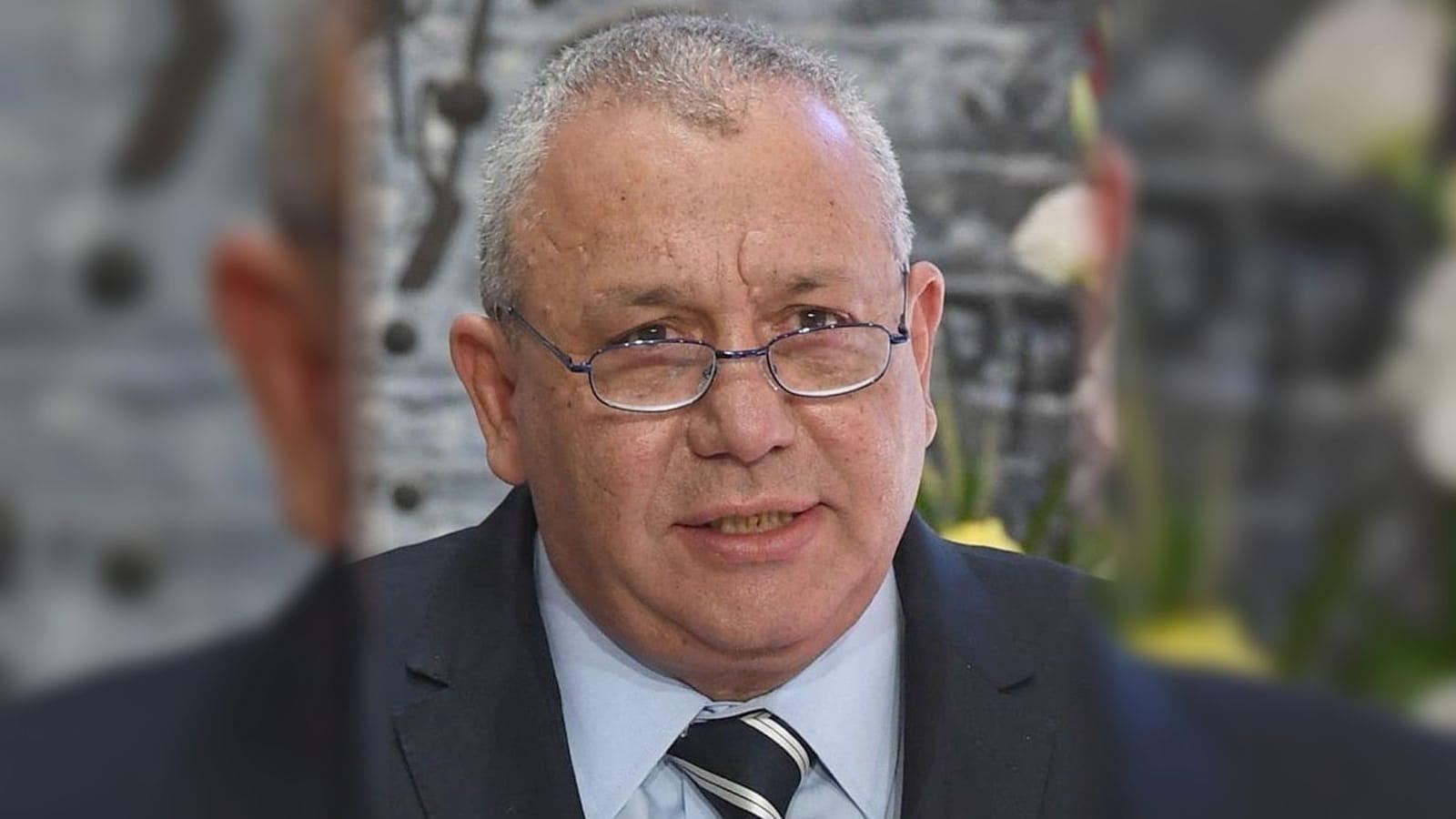
File photo
That dual role is why statements from the Central Command chief on settler violence draw attention. The army is charged with protecting settlements, and public criticism of settlers from a serving general touches a politically sensitive nerve in Israel, where the settlement movement has strong representation in government.
How the outlets described it
The four organisations that reported the remarks used different language for the same phenomenon. Kan's post referred to Jewish terror. Ynet's alert spoke of nationalist crime. N12 described the targets of Bluth's criticism as rioters in the West Bank. The Times of Israel used the phrase settler violence. These labels reflect long-running disagreements in Israel over how to classify attacks by Israeli civilians on Palestinians and their property, though all four outlets agree on the substance of what the general said: that a group of several hundred people is responsible and that their conduct harms the state.
None of the reports quoted Bluth naming specific incidents, and the figure of several hundred is his own estimate as relayed by the outlets.
What the reports do not say
The reports do not say where or on what occasion Bluth made these remarks, or whether they were delivered in a speech, a briefing or a written statement. They do not mention any specific attacks that prompted the comments, nor any new enforcement measures by the army or police. No response from settler leaders, government ministers or Palestinian officials has been reported so far.
People in this story: Avi Bluth, Nir Dvori
Read next
All security →
Illustration
Security
IDF Southern Command to begin 'Shield and Storm' drill on Sunday
File photo
Security
US Central Command chief Brad Cooper visits Israel for talks with Zamir
File photo
Security
Hamas's Khalil al-Hayya calls Israeli strikes in Gaza unacceptable

Illustration
Security
Two Italian technicians killed in drone strike on Kuwait; Iran's army denies role
See Israel.com first in Google's top stories.Add it as a preferred source on Google
Sources and further reading
Every link below was opened and checked when this page was written. Official statements are marked as such: they are the subject's own account, not an independent one.
- Reportingyediotht.meYnet alerts
- Reportingtoitimesofisrael.comThe Times of Israel
- Reportingkeshett.meN12
- Reportingkeshett.meN12
- Reportingkanx.comKan News on X
How we checked this
The remarks were reported by Kan, Ynet, N12 and The Times of Israel; the full quotations come from N12 correspondent Nir Dvori's posts. We have not seen a transcript or recording, and the setting of the remarks was not reported.
Our sourcing and corrections policy →The week from Israel, in one email
The stories that mattered, sourced and checked by the Israel.com newsroom. Free, weekly, one-click unsubscribe.
One list, unsubscribe in a click. See our privacy policy.
Latest
Illustration
File photo

File photo

Illustration

Illustration
Illustration