Eisenkot condemns attack on electricity workers in Binyamin, vows to end 'anarchy'
Former military chief Gadi Eisenkot denounced weekend violence in the West Bank and said the loss of control there must end, pledging action in the coming weeks.
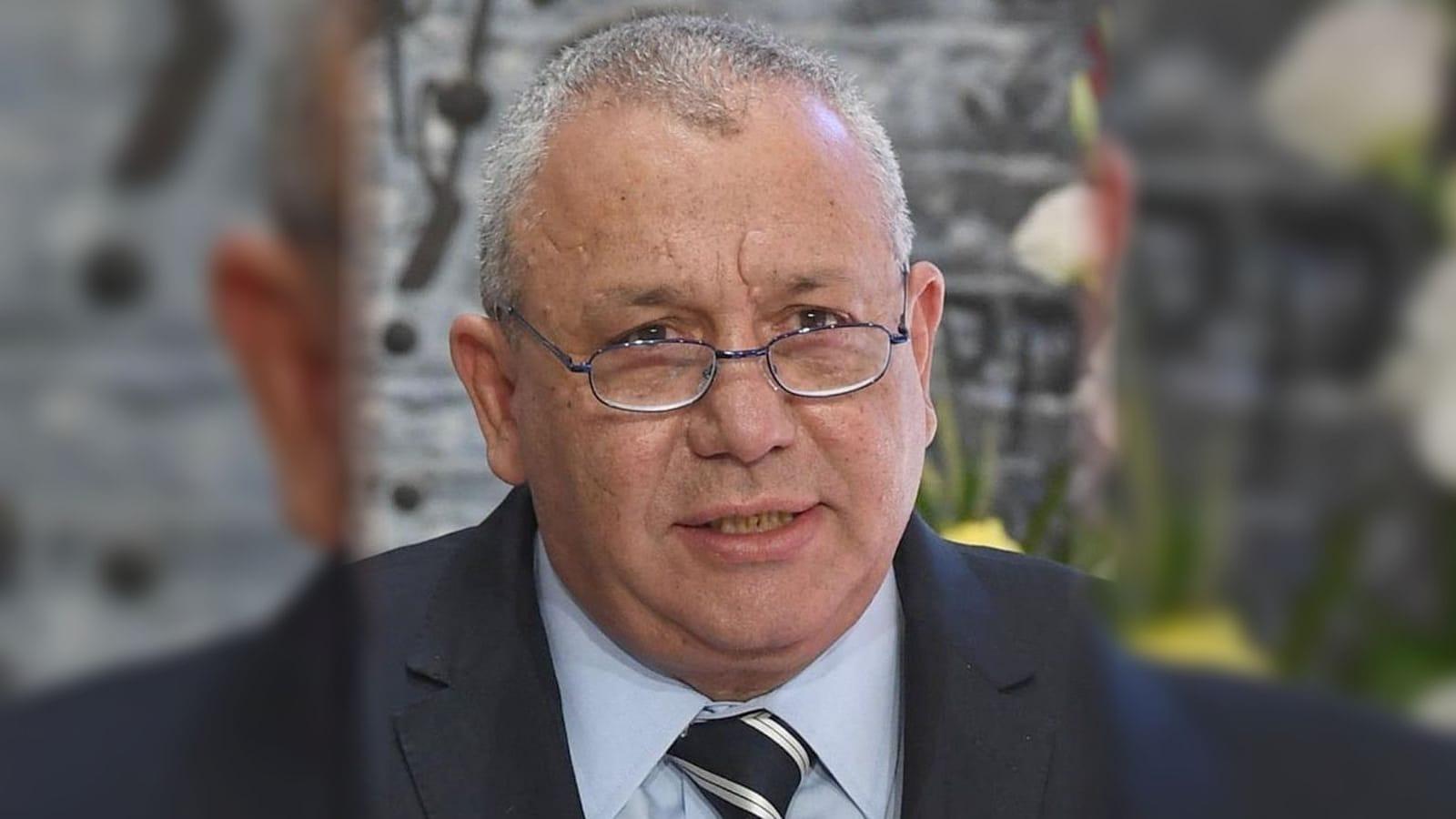
Gadi Eisenkot. File photo by Mark Neyman, CC BY-SA 3.0, via Wikimedia Commons.
Gadi Eisenkot, the former chief of staff of the Israel Defense Forces (IDF) and now an opposition politician, on Saturday condemned a fresh round of violence in the West Bank. Ynet reported in a news alert that his condemnation concerned an assault on electricity workers in the Binyamin area, and quoted him saying that the anarchy in Judea and Samaria has to come to an end.
The Times of Israel described the incidents as the latest settler attacks and reported that Eisenkot vowed to stop what he called anarchy in the territory. His remarks were posted on X and relayed by the political correspondent Dafna Liel on N12's news channel.
What the sources posted

עוד שבת - עוד תיעודים של פורעים אלימים שעושים כרצונם. אותם פורעים פוגעים בכוחות הביטחון ומסבים נזק כבד ובלתי הפיך למדינת ישראל. אני מגנה את הפורעים בכל תוקף, קורא לרשויות החוק למצות עימם את הדין ומוסר החלמה מהירה לפצועים. שגרת אובדן השליטה והאנרכיה ביהודה ושומרון בפרט, ובמדינת Show more
What Eisenkot said
In his post on X, written in Hebrew, Eisenkot opened by noting that yet another Shabbat, the Jewish Sabbath that runs from Friday evening to Saturday night, had produced more footage of violent rioters acting however they wished. He wrote that these rioters harm the security forces and inflict serious, lasting damage on the State of Israel.
He said he condemned them in the strongest terms, urged law enforcement to pursue them to the full extent of the law, and wished the injured a quick recovery. He then widened his criticism, writing that a routine of lost control and anarchy, in Judea and Samaria specifically and in Israel more broadly, is dangerous and has to stop. He closed by saying he would make sure that happens in the coming weeks.
These are Eisenkot's own words and characterisations. His post does not use the word "settlers" and does not name the electricity workers or the Binyamin area; those details come from the news reports. Ynet linked the condemnation to the attack on the electricity workers, while The Times of Israel framed it as a response to settler attacks in general.
Israel's week in five stories, every Friday
Sourced and checked by the Israel.com newsroom, with Shabbat times. Free, one-click unsubscribe.
One list, unsubscribe in a click. See our privacy policy.
Who Gadi Eisenkot is
Eisenkot served as chief of the general staff, the most senior post in Israel's military, before entering politics. He is a prominent figure in the Israeli opposition, and his military background gives his comments on security in the West Bank particular weight with parts of the Israeli public. His statement was a political one: he holds no command or law enforcement authority, and his post did not spell out what steps he intends to take.
Binyamin and "Judea and Samaria"
Binyamin is the Hebrew name for an area of the West Bank north of Jerusalem, home to a number of Israeli settlements and to Palestinian towns and villages. It is also the name of the Israeli regional council that administers many of the settlements there.

File photo
Next story Elections
Eisenkot accuses Likud of stalling as Netanyahu weighs second turn in rotation
"Judea and Samaria", abbreviated in Hebrew as Yosh, is the biblical-era name that the Israeli government and much of the Hebrew-language media use for the West Bank. Its use is standard in official Israeli language and does not by itself signal a political position, although critics of Israeli control of the territory generally prefer "West Bank". Eisenkot used the Hebrew term in his post; The Times of Israel rendered it as the West Bank.
The wider pattern
Violence by Israeli extremists in the West Bank, targeting Palestinians and at times Israeli soldiers, police and civilians, has been a recurring subject of debate in Israel. Eisenkot's reference to "another Shabbat" and his statement that the rioters harm the security forces reflect a concern raised across the political spectrum that such incidents strain the army and police and damage Israel's standing abroad. The reports here do not give details of other incidents over the same weekend.
Calls from senior figures for law enforcement to act against the perpetrators are a familiar feature of the response to such attacks. Eisenkot's call was directed at the law enforcement authorities in general rather than at a specific agency.
What the reports do not say
- None of the reports describes the attack on the electricity workers in detail: how many people were involved, how many were hurt, or how badly.
- No report says whether any suspects have been identified, detained or arrested, or whether the police or the IDF have commented.
- Eisenkot did not explain what he meant by ensuring the anarchy ends in the coming weeks, or by what means he would bring that about.
- No response from the government, the settler leadership or the Binyamin Regional Council has been reported.
People in this story: Gadi Eisenkot
Read next
All energy →
Illustration
Energy
Brief power cuts hit Rishon LeZion, Ramat Gan and other Israeli cities

Illustration
Energy
Fire at al-Hartha power plant in Iraq's Basra kills at least 4
Illustration
Courts & Crime
Nine arrested after attack on electrical workers near al-Mughayyir

Illustration
Courts & Crime
Man aged 25 seriously wounded in shooting in Umm al-Fahm
See Israel.com first in Google's top stories.Add it as a preferred source on Google
Sources and further reading
Every link below was opened and checked when this page was written. Official statements are marked as such: they are the subject's own account, not an independent one.
- Officialeisenkotx.comGadi Eisenkot on X
- Reportingyediotht.meYnet alerts
- Reportingtoitimesofisrael.comThe Times of Israel
- Reportingkeshett.meN12
How we checked this
Eisenkot's statement is taken from his own post on X and was relayed by N12, Ynet and The Times of Israel. The link to an attack on electricity workers in Binyamin comes from Ynet's alert alone, and the 'settler attacks' framing is The Times of Israel's.
Our sourcing and corrections policy →The week from Israel, in one email
The stories that mattered, sourced and checked by the Israel.com newsroom. Free, weekly, one-click unsubscribe.
One list, unsubscribe in a click. See our privacy policy.

Israel.com is free, and readers like you keep it that way.
The Israel.com newsroom checks every story against its sources and publishes it free. If this one helped, a contribution of any size keeps the next one free too.
One payment, nothing to sign up for. Another amountGive monthly
Latest
Illustration
Illustration

Illustration
Illustration

Illustration

Illustration