Iran flogs singer Parastoo Ahmadi for breaching its modesty laws
Iranian authorities flogged singer Parastoo Ahmadi over modesty rules, a punishment two Israeli outlets say insiders frame as a hardliner show of force.

Parastoo Ahmadi. File photo by Hosseinronaghi, CC0, via Wikimedia Commons.
Iranian authorities have carried out a sentence of flogging against the singer Parastoo Ahmadi, a punishment imposed for violating the country's modesty laws, two Israeli news organisations have reported. Ynet, the news site of the Hebrew daily Yedioth Ahronoth, described the lashing as an unusual and severe penalty, and said it came despite a warning from Iran's president.
Both outlets presented the punishment as more than a single criminal case. The Jerusalem Post reported that insiders view the flogging as a demonstration of strength by Iran's clerics, whom it described as embattled. Ynet, citing sources it did not name, said hardliners in the Islamic Republic pressed for the sentence over the president's caution, using it to display their power.
What the modesty laws are
Iran's modesty laws are the rules the Islamic Republic enforces on public dress and conduct, particularly for women. Ynet tied Ahmadi's punishment directly to a breach of those rules. Neither report, in the material available, specified exactly what Ahmadi did that was judged a violation, how many lashes she received, or when and where the sentence was carried out.
A split inside the regime
The central claim in both reports concerns the politics behind the sentence rather than the sentence itself. According to Ynet, the hardline camp is angry about efforts within the system to calm public opinion, efforts it said date back to the mass protests of 2022. In that reading, the flogging of a well-known performer signals that the hardliners are unwilling to soften enforcement.
Ynet's account sets this against a warning from Iran's president, who it said cautioned against the punishment. The report did not name the president in the material available, nor did it quote the warning. The Jerusalem Post framed the decision in similar terms, attributing the show-of-force interpretation to insiders rather than to any named official.
Israel's week in five stories, every Friday
Sourced and checked by the Israel.com newsroom, with Shabbat times. Free, one-click unsubscribe.
One list, unsubscribe in a click. See our privacy policy.
Neither outlet published an on-the-record statement from the Iranian government, the judiciary or the president's office explaining the decision. The interpretation that the sentence was meant as a message from one faction to another rests on unnamed sources in both cases.
The backdrop: protests, a war and an economic crisis
Ynet placed the case against several pressures facing the leadership. It pointed to the anniversary of demonstrations that it said came before the war, to what it called a severe economic crisis, and to concern within the regime about a further wave of public anger. The report did not, in the material available, spell out which war it meant or give dates for those demonstrations.

File photo
Next story Culture
Iran flogs singer Parastoo Ahmadi 74 times over concert without hijab
The 2022 protests that Ynet referenced serve, in its telling, as the reference point both for the hardliners' grievance and for the attempts at conciliation that angered them.
The Jerusalem Post illustrated its report with a photograph from Tehran's Enghelab Square, taken on November 23, 2026 according to the caption, showing women in black chadors passing a billboard that featured the Iranian flag.
Why it matters to readers following Iran
For readers outside the region, the case offers a window into a contest within Iran's leadership that is usually visible only indirectly. The reports describe a president warning against a step and hardliners going ahead regardless, which, if accurate, would indicate limits on the elected executive's ability to restrain enforcement of religious law. That reading, however, comes from the outlets' unnamed sources and not from any Iranian official statement.
What the reports do not say
- How many lashes Ahmadi received, and when and where the sentence was carried out.
- The specific act that authorities judged to breach the modesty laws, and which court issued the sentence.
- Any public response from Ahmadi herself, from the Iranian judiciary, or from the president's office.
- The identity of the sources and insiders behind the claim that the flogging was a deliberate show of force.
Read next
All culture →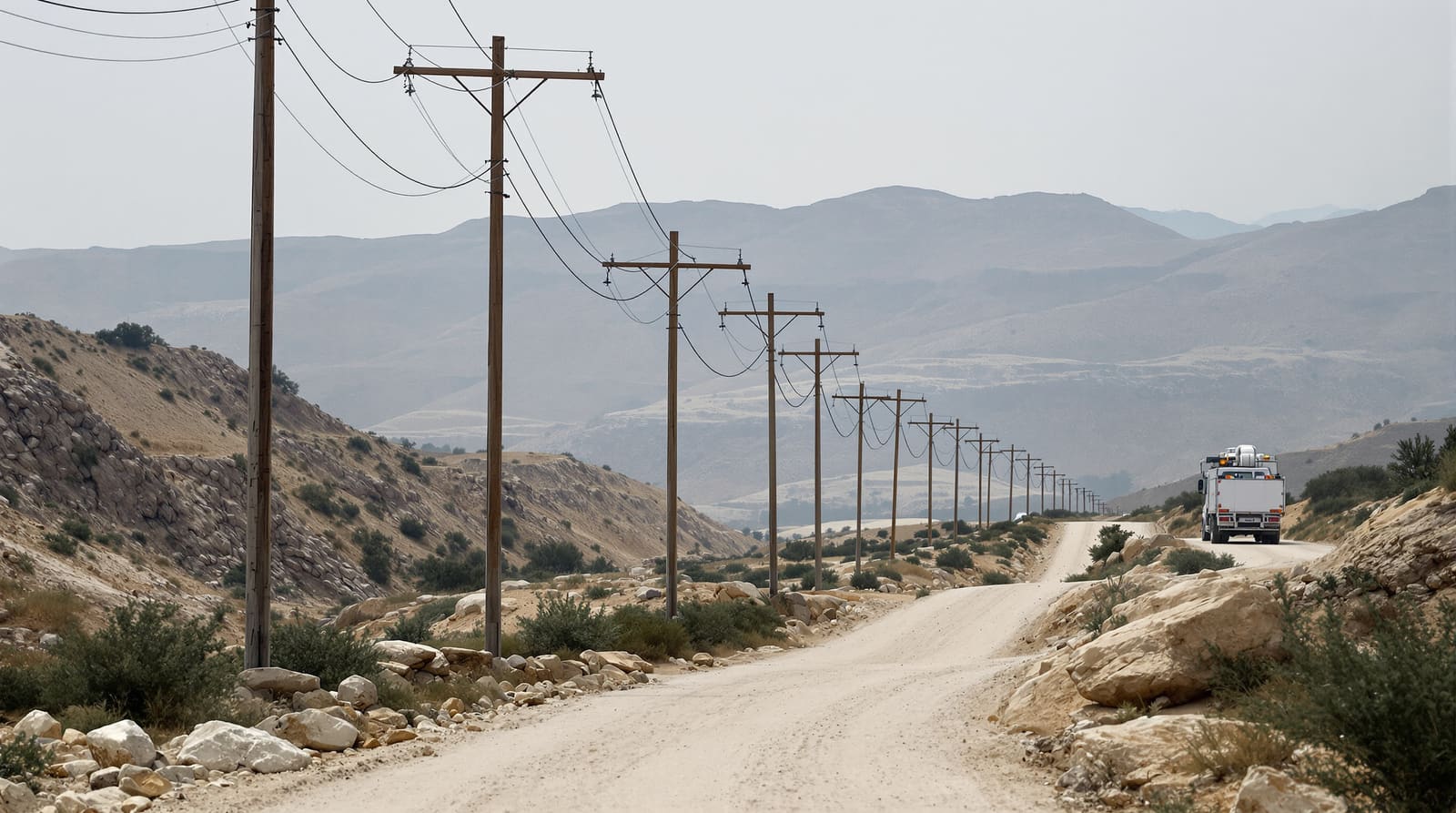
Illustration
Security
Masked settlers wound 3 electrical workers near al-Mughayyir in the West Bank
Illustration
Emergency
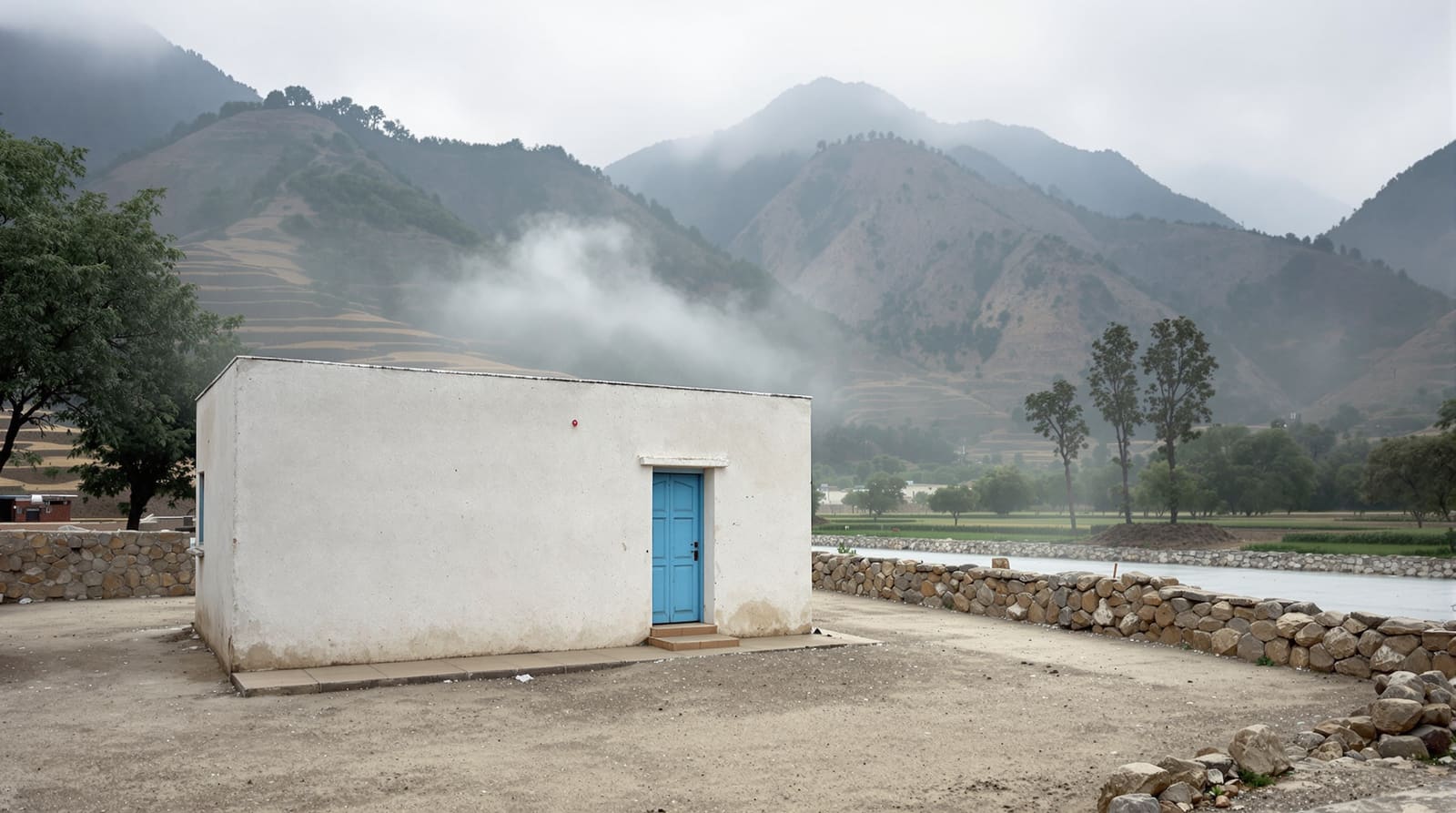
Explosion at school in Afghanistan's Kunar province kills 7, reports say

Illustration
Security
Balloons from Egypt carried 15 rifles and over 100 kg of drugs, IDF says

File photo
Security
Iran's navy chief Shahram Irani says several operations planned against US blockade
See Israel.com first in Google's top stories.Add it as a preferred source on Google
Sources and further reading
Every link below was opened and checked when this page was written. Official statements are marked as such: they are the subject's own account, not an independent one.
- Reportingyediothynet.co.ilYnet
- Reportingjpostjpost.comThe Jerusalem Post
How we checked this
The flogging was reported by both Ynet and The Jerusalem Post. The account of a presidential warning and the show-of-force interpretation rest on unnamed sources cited by those outlets; we have not independently verified them and no Iranian official statement was available.
Our sourcing and corrections policy →The week from Israel, in one email
The stories that mattered, sourced and checked by the Israel.com newsroom. Free, weekly, one-click unsubscribe.
One list, unsubscribe in a click. See our privacy policy.

Israel.com is free, and readers like you keep it that way.
The Israel.com newsroom checks every story against its sources and publishes it free. If this one helped, a contribution of any size keeps the next one free too.
One payment, nothing to sign up for. Another amountGive monthly
Latest

Illustration

Illustration
File photo

Illustration

Illustration

Illustration