Iranian dams may have served the regime's underground missile network
Israeli outlets say a New York Times investigation links hundreds of Iranian dams and water projects to the infrastructure supporting Iran's buried missile bases.
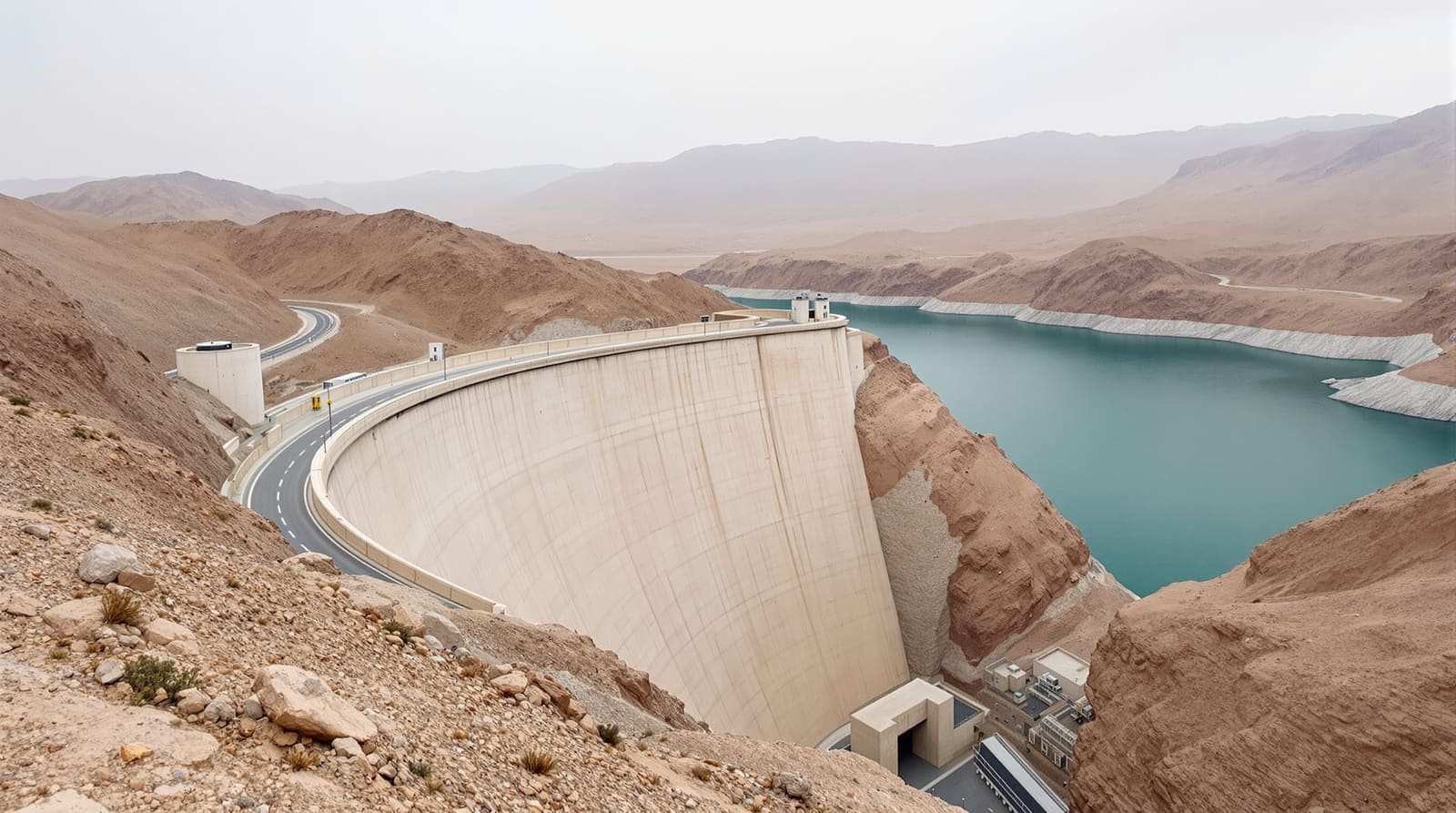
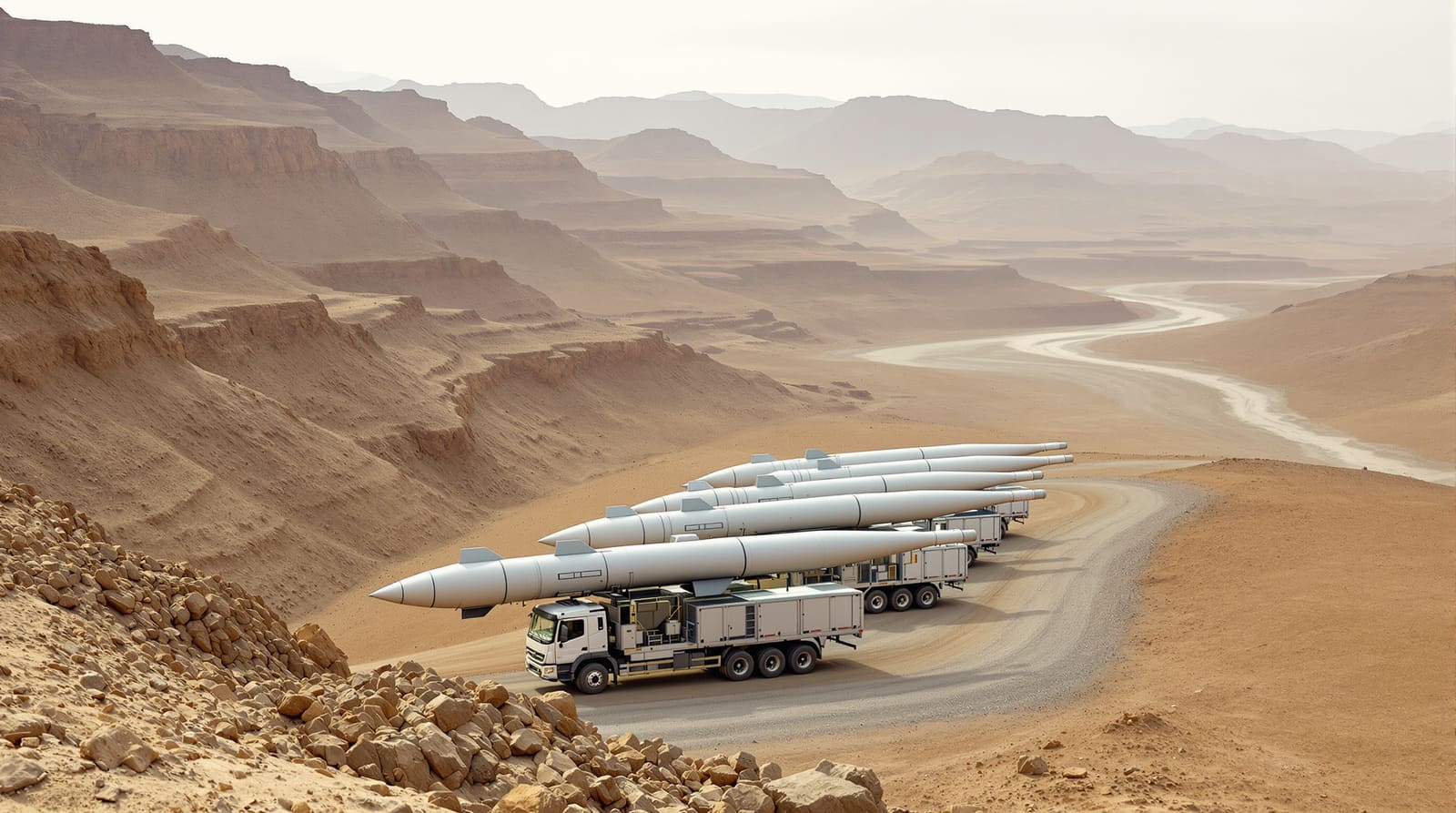
AI illustration, not a photo of the events.
A New York Times investigation has raised the suspicion that many of the dams and water projects Iran built over several decades did more than serve civilian needs, according to Israeli news outlets that summarised its findings. News.co.il reported that the inquiry found an overlap between the locations of dams and missile sites struck this year, and that the working assessment is that the water infrastructure was meant to supply water and electricity to Iran's underground missile bases and to other sensitive military installations.
The investigation also revisits the arrests of environmental activists in Iran in 2018. N12 correspondent Asaf Rosenzweig reported that the inquiry raises the possibility that dozens of conservationists detained that year on espionage suspicions had, during their fieldwork, come close to classified military facilities without realising it. According to his account, those sites had been placed near nature areas, and when the activists visited, they were accused of spying for Israel and the United States.
On the ground

Iran still has stockpile of 2,500 missiles - as regime threatens US bombers as far away as the UK: report trib.al/7b6cwqx

What the investigation is said to claim
Both Israeli reports describe the same core argument. Iran has built hundreds of dams and water schemes, which the government has presented as civilian infrastructure. The investigation, as summarised by News.co.il, suggests that a portion of that network also supported what Iran's critics and its own officials have described as an underground missile system. The central piece of evidence cited in the Hebrew summaries is geographic: a correlation between where dams stand and where missile facilities were hit during attacks this year.
From that overlap, the reports say, the investigation infers a purpose. Large underground military complexes need steady supplies of power and water, and a dam can provide both. The suggestion is that civilian water projects may have doubled as a supply line for the missile programme. Neither Israeli report describes this as proven. News.co.il frames it as a suspicion and an assessment, and its headline poses the question rather than answering it.
The term "missile cities"
Both reports use the Hebrew phrase for "missile cities". The expression refers to the network of underground tunnel complexes in which Iran stores and in some cases launches ballistic missiles. Burying these facilities is meant to protect them from airstrikes and from surveillance, which is why their supporting infrastructure, including water and electricity, is of interest to anyone trying to map them.
Israel's week in five stories, every Friday
Sourced and checked by the Israel.com newsroom, with Shabbat times. Free, one-click unsubscribe.
One list, unsubscribe in a click. See our privacy policy.
The 2018 environmental activists
The second strand of the investigation concerns conservation workers arrested in 2018. Both outlets report that these activists were detained on suspicion of espionage. N12's account adds that they were said to have spied on behalf of Israel and the United States, and that the investigation now suggests they were unaware that the places they were studying lay close to secret military sites. News.co.il similarly reported that the activists were exposed, without knowing it, to classified installations located near natural sites.
If accurate, this reading would offer a different explanation for why Iranian authorities treated environmental fieldwork as a security matter: the work may have brought researchers into areas the state wanted to keep hidden. The Israeli reports present this as a possibility raised by the investigation, not as an established finding.
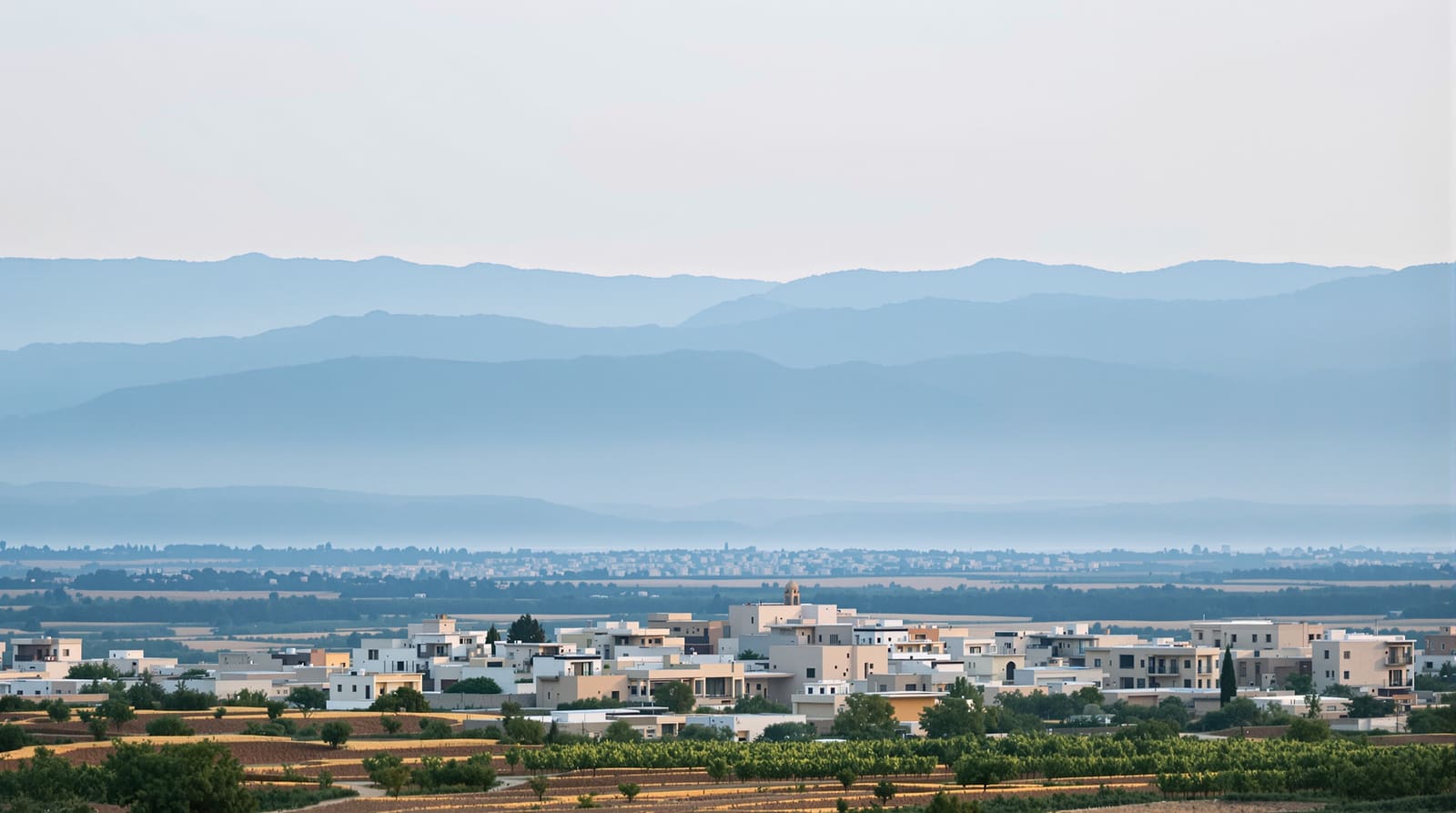
Illustration
Next story Security
Mossad seized Iranian generals Asgari and Saberi in Ron Arad hunt, NYT says
How the reports differ
The two summaries agree on the main points but emphasise different things. News.co.il focuses on the dams, the overlap with targeted missile sites and the assessment about water and electricity supply, mentioning the activists briefly. N12's item, attributed to Rosenzweig, deals only with the activists and describes them as numbering in the dozens. N12 also uses the phrase "terror facilities" alongside missile cities, language that does not appear in the News.co.il summary.
Why it matters to readers following Israel
Iran's missile programme is a central concern of Israeli security policy, and its underground bases are among the hardest targets to locate and strike. An analysis tying those bases to visible civilian infrastructure such as dams would, if it holds up, bear on how such sites are identified. The activist strand also touches Israel directly, since the detainees were accused by Iran of working for Israeli intelligence.
What the reports do not say
Both accounts are brief Hebrew summaries of the New York Times work; neither quotes the original investigation, explains its methods or says how many dams were found to overlap with missile sites. Neither report names the activists, says what became of them, or carries any response from the Iranian government. The reports also do not say who carried out the strikes on missile sites this year that the investigation used as a reference point.
Read next
All security →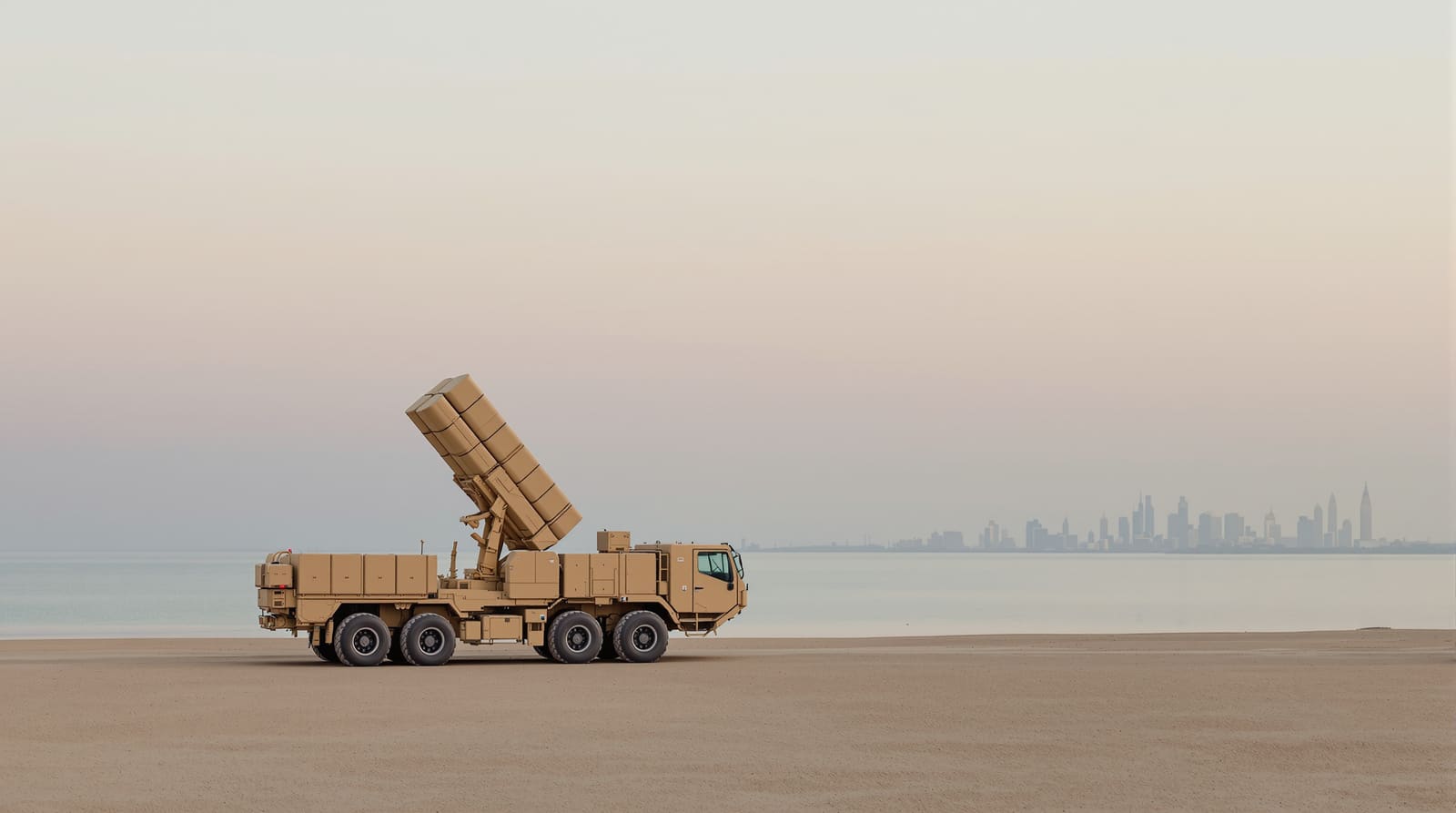
Illustration
Security
Bahrain says its air defenses stopped Iranian attacks, first since September
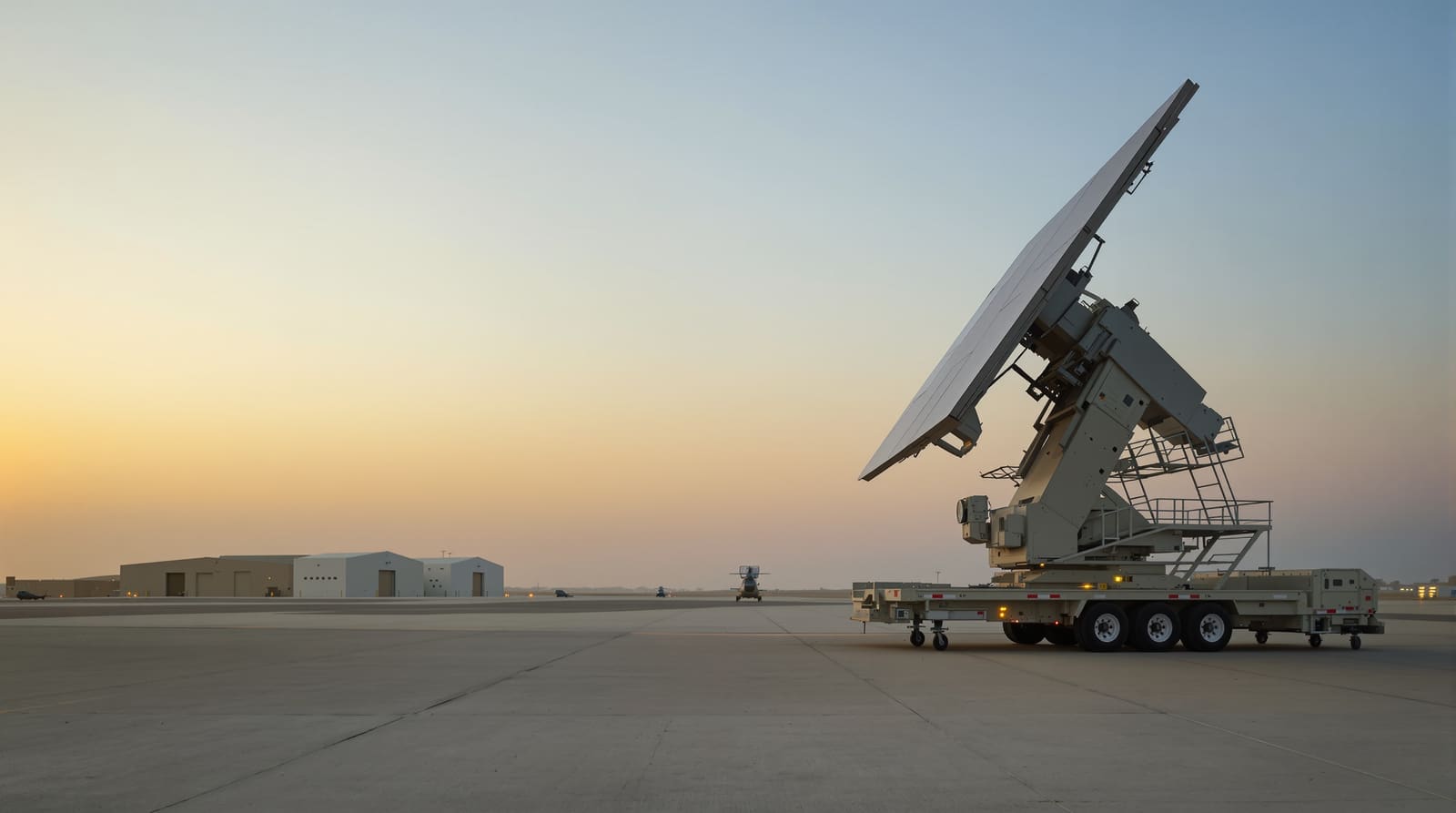
Illustration
Security
Bahrain says it foiled Iranian attacks after IRGC claims drone strike on US radar
Illustration
Security
US intelligence gives low-confidence estimate of up to 2,500 Iranian missiles

File photo
Security
Mossad warned CIA of Iranian drone plot targeting Trump and top officials
Sources and further reading
Every link below was opened and checked when this page was written. Official statements are marked as such: they are the subject's own account, not an independent one.
- Reportingnewssilt.meNews.co.il
- Reportingkeshett.meN12
How we checked this
This account relies on two Israeli reports, from News.co.il and N12, that summarise a New York Times investigation; we have not reviewed the original investigation. The detail that the activists numbered in the dozens and were accused of spying for Israel and the US comes from N12 alone.
Our sourcing and corrections policy →The week from Israel, in one email
The stories that mattered, sourced and checked by the Israel.com newsroom. Free, weekly, one-click unsubscribe.
One list, unsubscribe in a click. See our privacy policy.
Latest
Illustration

Illustration
Illustration

File photo

Illustration
Illustration