Iran's rial falls to a record 2.83 million per dollar after US sanctions
The currency slid sharply after Washington targeted more than 20 Iranian firms tied to Iran's shadow banking network, ending several weeks of relative stability.

AI illustration, not a photo of the events.
Iran's currency, the rial, fell sharply to an all-time low against the US dollar, hours after the United States Treasury Department announced sanctions on more than 20 Iranian companies it linked to the country's so-called shadow banking system. News.co.il reported that the Treasury had targeted the firms as part of a wider effort to increase economic pressure on the government in Tehran.
According to Abu Ali Express, the rial dropped to 2.83 million to one US dollar, a record low. The channel said the slide came after a long stretch of several weeks in which the currency had held steady and had even gained some ground. The Times of Israel also reported the plunge, connecting it to the fresh US measures aimed at Iranian financial institutions.
What the sanctions target
The US Treasury Department is the arm of the American government that designs and enforces most financial sanctions. When it designates a company, that company is generally cut off from the US financial system, and banks and businesses elsewhere that deal with it risk penalties of their own. That secondary effect is a large part of why such announcements matter even for firms with no direct presence in the United States.
"Shadow banking" in the Iranian context refers to networks of companies and intermediaries that move money for Iran outside the formal banking channels that sanctions have largely closed off. Because Iranian banks have long been restricted from the international system, trade revenue and payments are often routed through front companies and exchange houses abroad. Washington has treated these networks as a key route by which Tehran keeps money flowing despite restrictions, which is why they have become a recurring target.
The reports available to us do not name the more than 20 companies, say where they are registered, or describe what each is accused of doing. News.co.il's account characterises them only as firms operating within Iran's shadow banking framework.
Get an email the day Israel has a new government.
Coalition talks can take weeks. When a government is sworn in, Israel.com's newsroom emails who leads it, which parties are in and who got which ministry, then the Friday email each week. Free, and one click unsubscribes.
One list, unsubscribe in a click. See our privacy policy.
Why the rial reacts
The rial is Iran's national currency. Its value on the open market, where ordinary Iranians and businesses buy dollars, is closely watched as a barometer of confidence in the economy and of expectations about sanctions. A figure in the millions of rials per dollar reflects years of steep depreciation under international pressure and domestic economic strain.
Moves in the open market rate often respond quickly to political and diplomatic news, because people seek to protect savings by converting rials into foreign currency when they expect further pressure. A new round of sanctions aimed at the channels Iran uses to access foreign money can feed that expectation directly, since it raises questions about how easily dollars and other hard currency will reach the country.
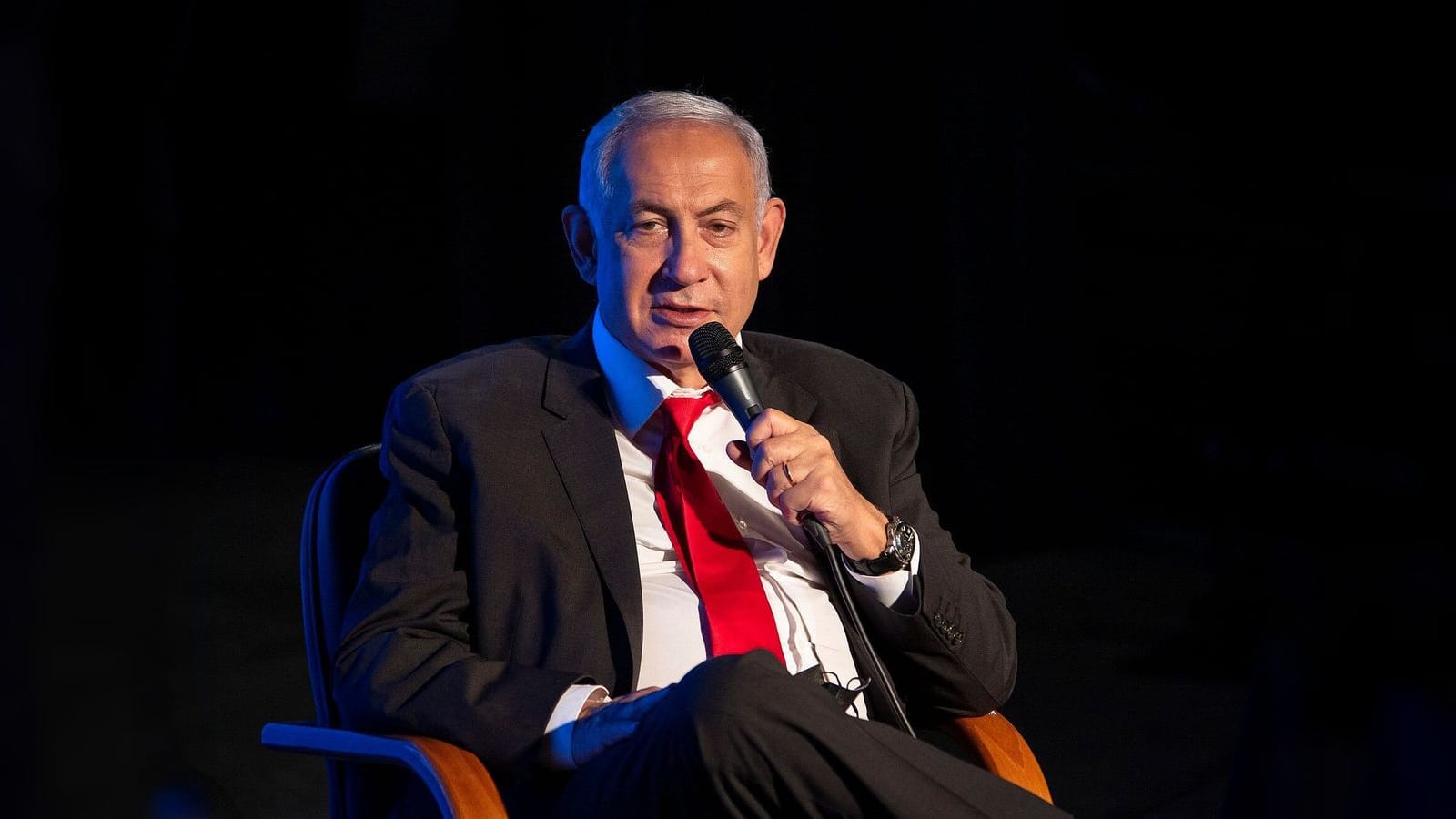
File photo
Next story Government
Combat trauma veterans confront MKs at Knesset; Mansour Abbas walks out
Abu Ali Express, an Israeli Telegram channel that follows Arab and Iranian affairs, framed the drop as a sharp reversal after a period of calm. Its post closed with a Hebrew biblical phrase, roughly "and still his hand is stretched out", a common Israeli idiom suggesting that more is to come. That is the channel's own commentary rather than a reported fact, and none of the reports offers a forecast for the currency.
The sources
The three reports come from Israeli outlets. The Times of Israel published a short live blog item on the currency's fall. News.co.il, an Israeli news service, carried the sanctions announcement on its Telegram channel and was the earliest of the three to publish. Abu Ali Express supplied the specific exchange rate. The reports are consistent with one another: one describes the sanctions, one gives the rate, and one links the two events. None quotes the Treasury Department directly or cites an Iranian official.
What the reports do not say
The reports do not identify the sanctioned companies or the specific conduct alleged against them, and they do not quote any statement from the US Treasury. None reports a response from the Iranian government or from Iran's central bank. The 2.83 million figure comes from a single channel, which does not say which exchange market or data source it relied on. It is also not stated whether the rial held at that level or moved further later in the day.
Read next
All government →
Illustration
Government
Knesset panel clears comptroller vote with ex-justice Yosef Elron unopposed

File photo
Government
Democrats MK Efrat Rayten chosen to chair Knesset attorney general law committee

File photo
Government
Yair Golan presses Eisenkot to reject a unity government with Netanyahu

File photo
Government
Knesset approves four special committees, one chaired by Mansour Abbas
See Israel.com first in Google's top stories.Add it as a preferred source on Google
Sources and further reading
Every link below was opened and checked when this page was written. Official statements are marked as such: they are the subject's own account, not an independent one.
- Reportingtoitimesofisrael.comThe Times of Israel
- Reportingabualiexpresst.meAbu Ali Express
- Reportingnewssilt.meNews.co.il
How we checked this
The rial's fall was reported by The Times of Israel and Abu Ali Express, and the sanctions by News.co.il. The exact rate of 2.83 million per dollar comes from Abu Ali Express alone, and we have not independently verified it.
Our sourcing and corrections policy →The week from Israel, in one email
The stories that mattered, sourced and checked by the Israel.com newsroom. Free, weekly, one-click unsubscribe.
One list, unsubscribe in a click. See our privacy policy.

Israel.com is free, and readers like you keep it that way.
The Israel.com newsroom checks every story against its sources and publishes it free. If this one helped, a contribution of any size keeps the next one free too.
One payment, nothing to sign up for. Another amountGive monthly
Latest

Illustration
File photo · Sander Crombach / Unsplash

Illustration

Illustration
Illustration

Illustration
