Israel gives Dutch diplomats in Ramallah seven days to return credentials
Foreign Minister Gideon Sa'ar acted after a Dutch ban on goods from Israeli settlements took effect, escalating a dispute that already cost the Netherlands a Gaza role.
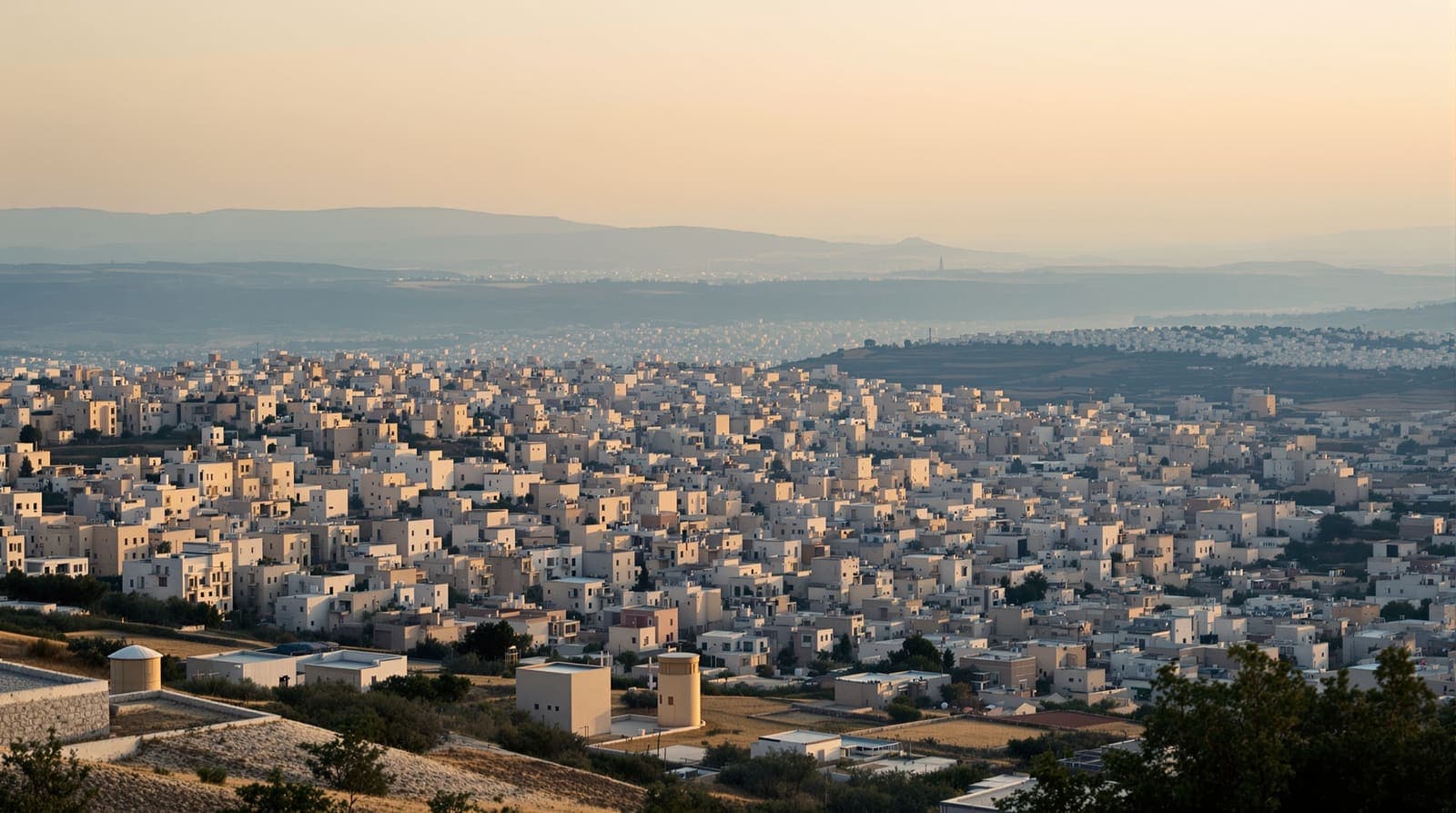
AI illustration, not a photo of the events.
Israel has told Dutch diplomats working in Ramallah that they must hand back the diplomatic documents Israel issued them within seven days, after which the privileges and immunities those documents confer will lapse. According to an Israeli government press release dated 27 September 2026, Foreign Minister Gideon Sa'ar conveyed the decision to the Dutch Embassy in Israel.
The move is a response to a Dutch order barring goods from the West Bank, East Jerusalem and the Golan Heights. The Times of Israel reported that Sa'ar announced the step on X on Sunday, describing it as retaliation for the Dutch measure. In his statement, Sa'ar said the Netherlands could keep representing its interests with the Palestinians, but should do so from Palestinian Authority territory and not from the territory of the State of Israel.
On the ground

Israeli FM Gideon Saar says that Dutch diplomats working at the Netherlands’ Representative Office in Ramallah, occupied West Bank, must return diplomatic documents issued by Israel within seven days. 🔴 LIVE updates: aje.news/r7py14


Israel revokes diplomatic privileges for Dutch officials in Ramallah, orders them to return wihtin seven days i24news.tv/en/news/israel…
What Israel is withdrawing
Foreign diplomats accredited to the Palestinians, rather than to Israel, still hold documentation issued by Israel, and it is this documentation that carries the privileges and immunities Israel recognises. The government release says that once the seven-day period ends, those protections as granted by the State of Israel will no longer apply to the Dutch staff concerned. The release does not say how many diplomats are affected.
Ramallah is a Palestinian city in the West Bank and is where the Palestinian Authority, the body that administers parts of the territory, is based. Sa'ar's wording, which contrasts Palestinian Authority territory with Israeli territory, suggests Israel's objection is to Dutch diplomats serving the Palestinians while operating from ground Israel regards as its own. The reports do not describe where the diplomats currently live or work day to day.
The Dutch trade order
The Israeli government statement describes the Dutch measure as an order banning both the import and the sale of products from Judea and Samaria, East Jerusalem and the Golan Heights. Judea and Samaria is the term the Israeli government uses for the West Bank. Israeli journalist Amit Segal, writing on Telegram, described it as a ban on importing goods from the same three areas. The Times of Israel characterised it as a ban on goods from Israeli businesses in those areas. A post on the Hebrew Telegram channel Abu Ali Express referred only to products from Judea and Samaria.
Get an email the day Israel has a new government.
Coalition talks can take weeks. When a government is sworn in, Israel.com's newsroom emails who leads it, which parties are in and who got which ministry, then the Friday email each week. Free, and one click unsubscribes.
One list, unsubscribe in a click. See our privacy policy.
The accounts also differ slightly on timing. The government release says the order came into force last week, while The Times of Israel framed the Israeli step as following the ban taking effect, without giving a date.
Part of a wider dispute
This is not the first Israeli measure against the Netherlands in recent weeks. The government release states that last month Sa'ar ordered the Dutch delegation removed from the International Support Center for Gaza in Kiryat Gat, a city in southern Israel, and that the decision has since been carried out.

Illustration
Next story Agriculture
Israel moves to deport 14 foreign activists held at West Bank olive harvest
Sa'ar framed the latest step as a warning to other governments. "Israel will not ignore measures intended to harm it," he said, according to both the government release and The Times of Israel, adding that any country acting against Israel in a hostile and unilateral way "will lose influence and relevance in the region."
The statement also returned to a complaint Israel has pressed with the Dutch government before. Sa'ar pointed to what he called growing antisemitism and incitement on the streets of the Netherlands, saying these were not being seriously tackled and that Dutch policy towards Israel was feeding them. The Times of Israel likewise reported that Sa'ar accused the Dutch government of failing to address the problem seriously.
What the reports do not say
None of the reports includes a response from the Dutch government or from the Palestinian Authority. They do not say how many Dutch diplomats hold the Israeli documentation in question, whether the Netherlands intends to relocate its Ramallah staff, or what practical restrictions the diplomats would face once their privileges lapse. The reports also do not explain what "actions taken by the Dutch Government", beyond the trade order, the Israeli release has in mind, and they give no indication of whether Israel is weighing similar steps against other countries with comparable measures.
Read next
All government →
File photo
Government
Witkoff and Kushner to see Putin in Moscow, then Zelensky in Dublin

File photo
Government
Israel summons ambassador to the Netherlands home over Ben Gvir, Smotrich remarks

File photo
Government
Eisenkot accuses Netanyahu of stalling Knesset security committee meeting

File photo
Government
Eisenkot asks attorney general to get him security briefings from Netanyahu
Sources and further reading
Every link below was opened and checked when this page was written. Official statements are marked as such: they are the subject's own account, not an independent one.
- Officialgov.ilgov.ilIsraeli government press release
- Reportingtoitimesofisrael.comThe Times of Israel
- Reportingjpostjpost.comThe Jerusalem Post
- Reportingabualiexpresst.meAbu Ali Express
- Reportingamitsegalt.meAmit Segal
How we checked this
The decision is confirmed by an official Israeli government press release and was reported by The Times of Israel, The Jerusalem Post, Amit Segal and Abu Ali Express, all relaying Sa'ar's statement. The description of the Dutch order and the antisemitism allegations come from the Israeli side only; no Dutch response was available in the material.
Our sourcing and corrections policy →The week from Israel, in one email
The stories that mattered, sourced and checked by the Israel.com newsroom. Free, weekly, one-click unsubscribe.
One list, unsubscribe in a click. See our privacy policy.

Israel.com is free, and readers like you keep it that way.
The Israel.com newsroom checks every story against its sources and publishes it free. If this one helped, a contribution of any size keeps the next one free too.
One payment, nothing to sign up for. Another amountGive monthly
Latest

Illustration

Illustration

File photo

File photo

Illustration

File photo