Knesset backs first step to repeal law moving police probes to justice minister
A bill from MK Roy Folkman to undo the law separating the police misconduct unit from state prosecutors passed a preliminary reading, the first of several votes.
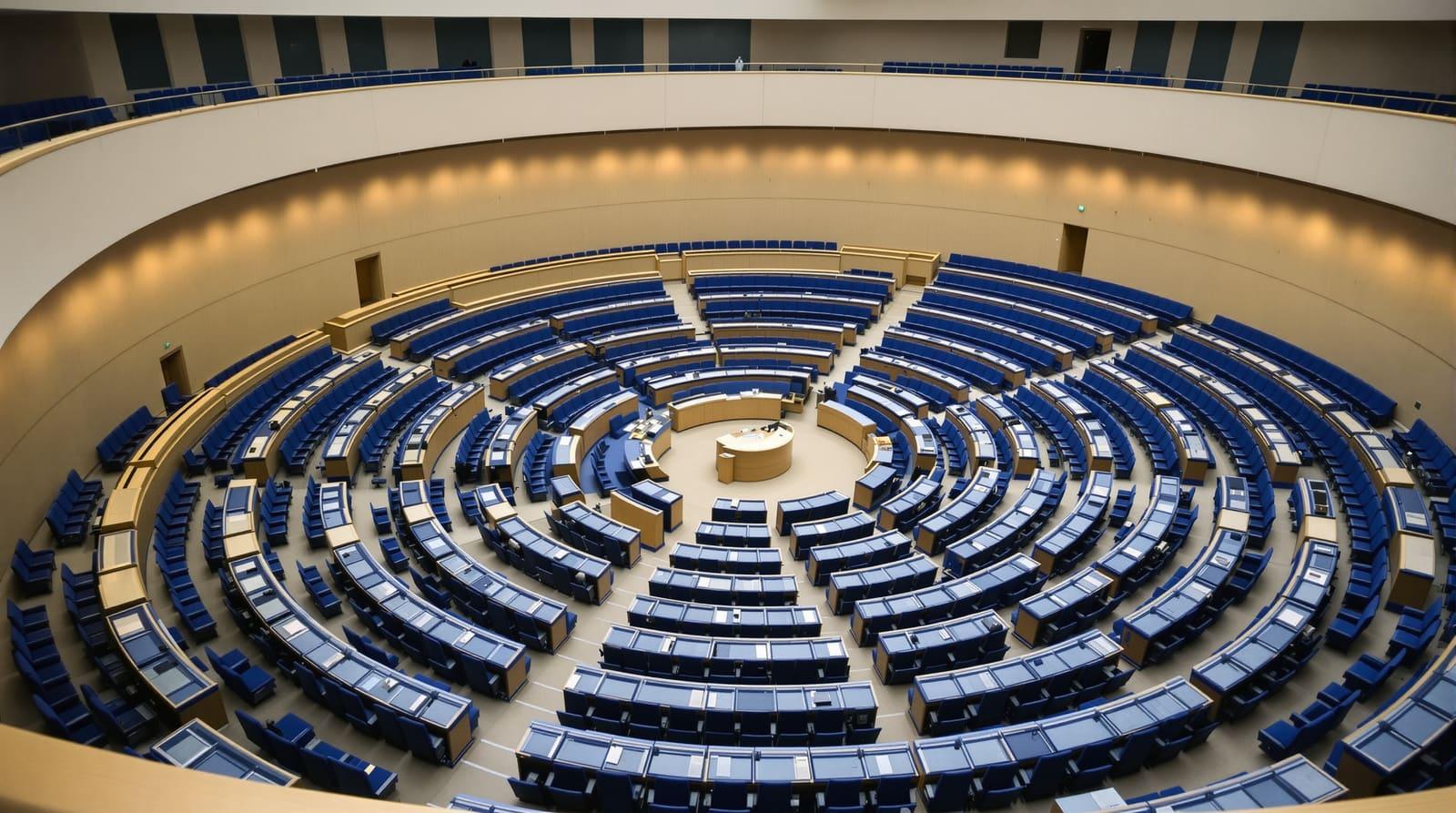
AI illustration, not a photo of the events.
The Knesset, Israel's parliament, has given preliminary approval to a bill that would repeal a law placing investigations of police misconduct under the control of the justice minister, The Times of Israel reported. The vote took place in the plenum, the full chamber of the Knesset.
According to N12 political correspondent Daphna Liel, the repeal bill was submitted by MK Roy Folkman, who chairs the Knesset's Arrangements Committee. N12 described the law being targeted as the one that separated the police misconduct unit from the State Attorney's Office, and in a follow-up update referred to the bill simply as a proposal to cancel the law governing that unit.
What the police misconduct unit is
The body at the centre of the bill is known in Hebrew as Mahash, an acronym for the Police Internal Investigations Department. It is the unit that examines complaints and suspicions of criminal wrongdoing by police officers. Because police cannot credibly investigate themselves, the unit sits outside the police force.
The two news organisations describe the existing law from two angles. N12 framed it as a law that pulled the unit away from the State Attorney's Office, the arm of the justice system that prosecutes criminal cases on behalf of the state. The Times of Israel framed the same law as one that put misconduct investigations under the justice minister's control. Read together, the reports indicate that the law being repealed moved oversight of the unit from career prosecutors toward the political head of the Justice Ministry. The repeal bill would undo that change.
Neither report sets out what structure would replace the current arrangement if the repeal becomes law, beyond cancelling the existing statute.
Israel's week in five stories, every Friday
Sourced and checked by the Israel.com newsroom, with Shabbat times. Free, one-click unsubscribe.
One list, unsubscribe in a click. See our privacy policy.
Who brought the bill
Roy Folkman is a member of the Knesset, or MK. N12 identified him as chair of the Arrangements Committee. In the Israeli parliament, this is the committee that operates at the start of a new Knesset term, before the permanent standing committees are formed. It handles organisational matters, such as allocating members to committees, and can also handle legislation in the interim period.
What a preliminary reading means
Bills proposed by individual lawmakers, as opposed to those drafted by the government, usually begin with a preliminary reading. This is a vote in the plenum on whether the Knesset should take up the proposal at all. Passing it does not change the law.

Illustration
Next story Courts & Crime
Knesset backs bills on PM term limits and indicted lawmakers in first vote
After a preliminary reading, a bill is sent to a Knesset committee for preparation. It then has to pass a first reading, return to committee for detailed work, and finally pass a second and third reading, typically held back to back, before it becomes law. Each of these stages can bring amendments, delays or a halt to the bill.
The vote therefore marks the start of the legislative process for this repeal, not its end. The existing law placing misconduct investigations under the justice minister remains in force until a repeal completes all its readings.
Why the arrangement matters
Who controls investigations into police officers is a question about independence. A unit that answers to professional prosecutors and one that answers to a cabinet minister are subject to different kinds of oversight and influence. The two reports frame the issue around exactly that distinction, the prosecution on one side and the minister on the other, which is why the repeal vote drew coverage from both outlets on the same day.
What the reports do not say
The reports do not give the vote tally, and they do not say whether the government supported, opposed or took no position on the bill. They do not include any response from the Justice Ministry, the State Attorney's Office, the police or the misconduct unit itself. They also do not say which committee will prepare the bill for its first reading, or when that reading might take place.
People in this story: Daphna Liel, Roy Folkman
Read next
All courts & crime →
Illustration
Courts & Crime
Knesset faces votes on October 7 inquiry, muezzin bill and draft arrests
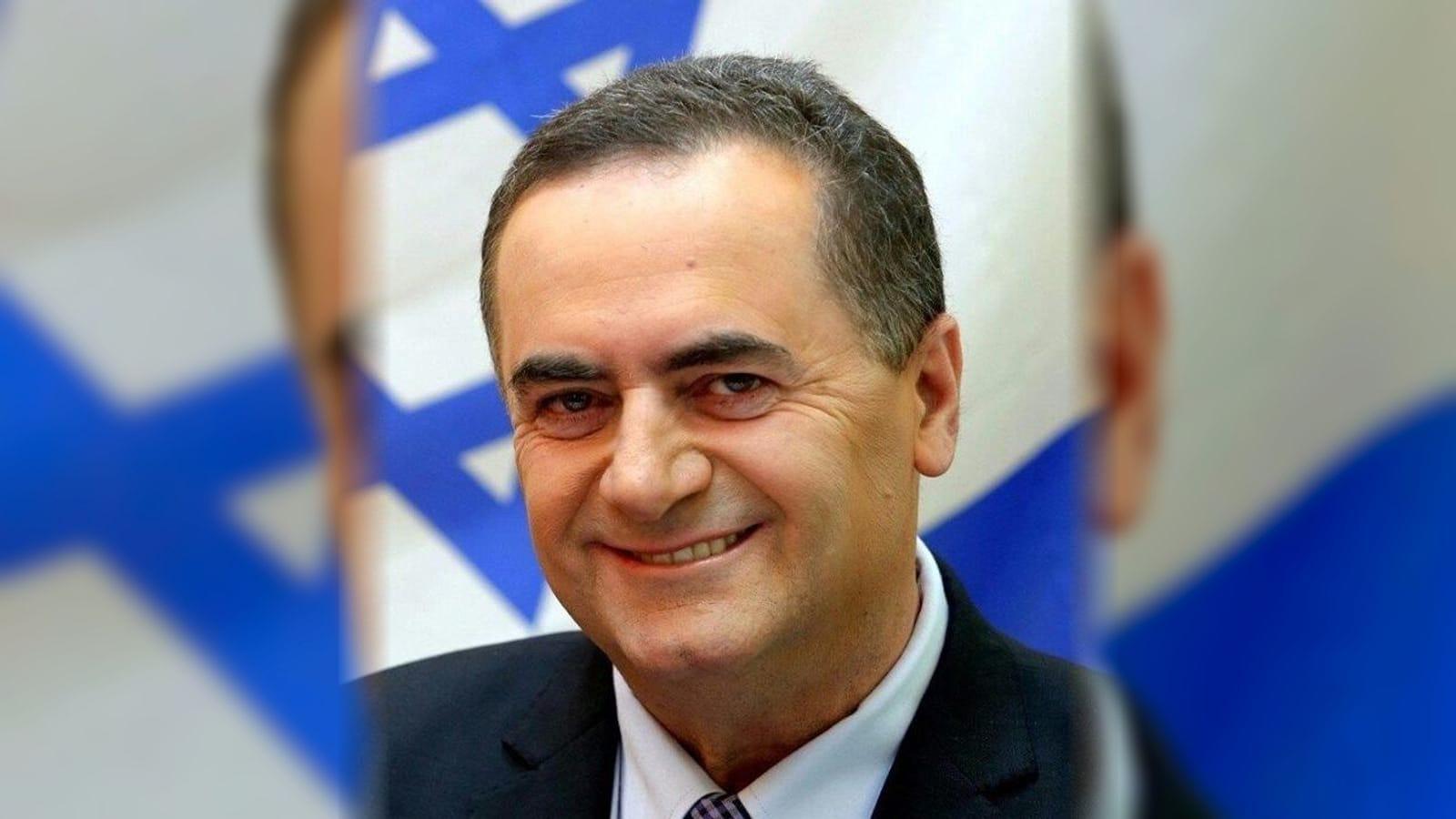
File photo
Courts & Crime
Katz urges Herzog to end Netanyahu trial as allies hail judges' remarks

Illustration
Courts & Crime
Israel's tax chief floats pulling 200-shekel notes to fight Arab-sector crime
Illustration
Courts & Crime
Jordan sentences man to death for killing officer near Sri Lankan embassy
See Israel.com first in Google's top stories.Add it as a preferred source on Google
Sources and further reading
Every link below was opened and checked when this page was written. Official statements are marked as such: they are the subject's own account, not an independent one.
- Reportingtoitimesofisrael.comThe Times of Israel
- Reportingkeshett.meN12
- Reportingkeshett.meN12
How we checked this
The preliminary vote was reported separately by The Times of Israel and by N12. The detail that MK Roy Folkman submitted the bill and chairs the Arrangements Committee comes from N12 alone; vote figures and official reactions were not reported.
Our sourcing and corrections policy →The week from Israel, in one email
The stories that mattered, sourced and checked by the Israel.com newsroom. Free, weekly, one-click unsubscribe.
One list, unsubscribe in a click. See our privacy policy.
Latest
Illustration

Illustration
File photo
File photo
File photo

Illustration