Knesset to vote on replacing Speaker Amir Ohana after 67 lawmakers sign request
Ohana has scheduled the vote for Tuesday, November 17, the latest date Ynet says custom allows, while criticising the bloc that is seeking his removal.

Amir Ohana. File photo by Avi Ohayon, CC BY-SA 3.0, via Wikimedia Commons.
Knesset Speaker Amir Ohana has set a debate and vote on electing his replacement for next Tuesday, November 17, at 4 p.m., at the opening of that day's plenary session. The Times of Israel reported that the move followed a request signed by 67 lawmakers asking for the election of a speaker to be put on the agenda.
According to Ynet, the Tuesday date is the last day on which parliamentary custom permits Ohana to hold the vote, meaning he has scheduled it as late as he could. Ohana criticised the bloc behind the request, but said he would honour the wishes of a majority of members.
On the ground

67 MKs move to replace Knesset speaker Ohana, vote set for next Tuesday Amir Ohana says he will honor the parliamentary majority despite opposing the move; Eisenkot’s bloc has nominated former minister Matan Kahana as speaker as it... ynetnews.com/article/skifn0…

What Ohana said
In a statement published by the political journalist Amit Segal on his Telegram channel, Ohana described the demand from the 67 Members of Knesset (MKs) as "unusual" and said it concerned the election of a speaker for the 26th Knesset. He noted that the request sought a speaker election at a time other than the swearing-in of a government.
Citing media reports, Ohana said the aim of the request was to advance legislation that would give the attorney general what he called "immense power" and widen the gap between elected officials and the civil service. The Times of Israel described the signatories as the anti-Netanyahu parties and the bloc led by Gadi Eisenkot's camp; Ynet referred to them as the "change bloc", while the text of Ohana's statement spoke of a coalition that is taking shape.
Despite what he called his "strong opposition" to that group's intentions, Ohana said he would keep his earlier promise and respect the will of the majority.
Get an email the day Israel has a new government.
Coalition talks can take weeks. When a government is sworn in, Israel.com's newsroom emails who leads it, which parties are in and who got which ministry, then the Friday email each week. Free, and one click unsubscribes.
One list, unsubscribe in a click. See our privacy policy.
The Knesset and its speaker
The Knesset is Israel's single-chamber parliament. Its speaker presides over plenary sessions and controls the parliamentary agenda, including which items come to a vote and when. That power is why the timing of this vote matters: the speaker decides when a motion such as this one reaches the floor, and Ynet's report indicates Ohana used the full window that custom gives him.
Each new Knesset is numbered in sequence. The body now sitting is the 26th, and the request filed with Ohana concerns choosing who will lead it. A signed request from 67 lawmakers represents a majority of the chamber, which is the basis on which Ohana said he was acting.

File photo
Next story Government
Amir Ohana opens 26th Knesset with call for unity and a line on Hamas
Why the legislation is at issue
Ohana framed the dispute as being about the balance between the elected government and the professional bureaucracy, with the attorney general at its centre. In Israel the attorney general serves as the government's chief legal adviser and heads the state's legal system on the executive side, a role that has been at the centre of repeated political battles. Ohana did not name the specific bill he expects the incoming majority to pursue, and attributed his account of its purpose to media reports rather than to the signatories themselves.
Where the reports differ
The three reports agree on the date, the time and the number of signatures. They differ in emphasis: Ynet stresses that Ohana is waiting until the last moment custom allows, while The Times of Israel and the statement carried by Segal focus on his stated reasons for objecting and his pledge to comply. The labels used for the group seeking his replacement also vary between outlets, as noted above.
What the reports do not say
None of the reports names a candidate to succeed Ohana, and no response from the 67 signatories or from the bloc's leadership to his criticism has been reported. The specific legislation Ohana referred to has not been identified, and his description of its aims rests on unnamed media reports. The reports also do not explain the custom Ynet cites as setting Tuesday as the final permissible date.
Read next
All government →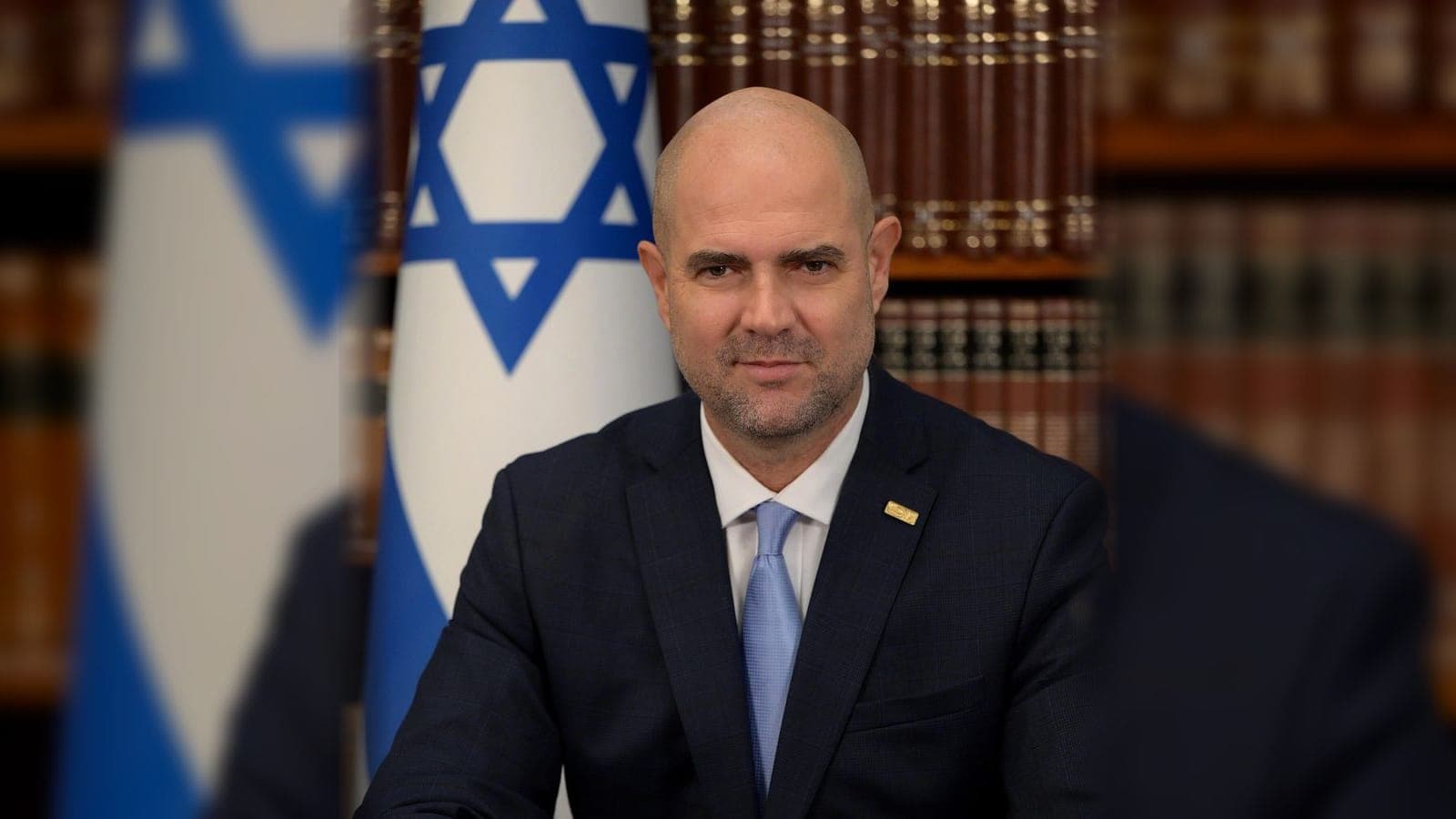
File photo
Courts & Crime
High Court fines Knesset Speaker Ohana 10,000 shekels but won't order comptroller vote
File photo
Government
Eisenkot's Yashar files 61-plus signatures to replace Knesset Speaker Ohana

File photo
Elections
Joint List backs Matan Kahana for Knesset speaker in bid to unseat Ohana
File photo
Elections
Eisenkot's Yashar party set to take Knesset speaker post from Ohana
Sources and further reading
Every link below was opened and checked when this page was written. Official statements are marked as such: they are the subject's own account, not an independent one.
- Reportingyediothynet.co.ilYnet
- Reportingtoitimesofisrael.comThe Times of Israel
- Reportingamitsegalt.meAmit Segal
How we checked this
The date, time and 67 signatures are reported by Ynet and The Times of Israel and appear in Ohana's statement as carried by Amit Segal. The point that Tuesday is the latest date custom permits comes from Ynet alone, and the claim about the legislation's purpose is Ohana's, citing media reports.
Our sourcing and corrections policy →The week from Israel, in one email
The stories that mattered, sourced and checked by the Israel.com newsroom. Free, weekly, one-click unsubscribe.
One list, unsubscribe in a click. See our privacy policy.

Israel.com is free, and readers like you keep it that way.
The Israel.com newsroom checks every story against its sources and publishes it free. If this one helped, a contribution of any size keeps the next one free too.
One payment, nothing to sign up for. Another amountGive monthly
Latest
File photo

File photo

Illustration

File photo
Illustration

File photo