Netanyahu tells Israelis to prepare for banking sanctions and a bypass economy
In an interview, the prime minister said US security aid was ending and urged readiness for banking sanctions, prompting sharp criticism from Israeli commentators.
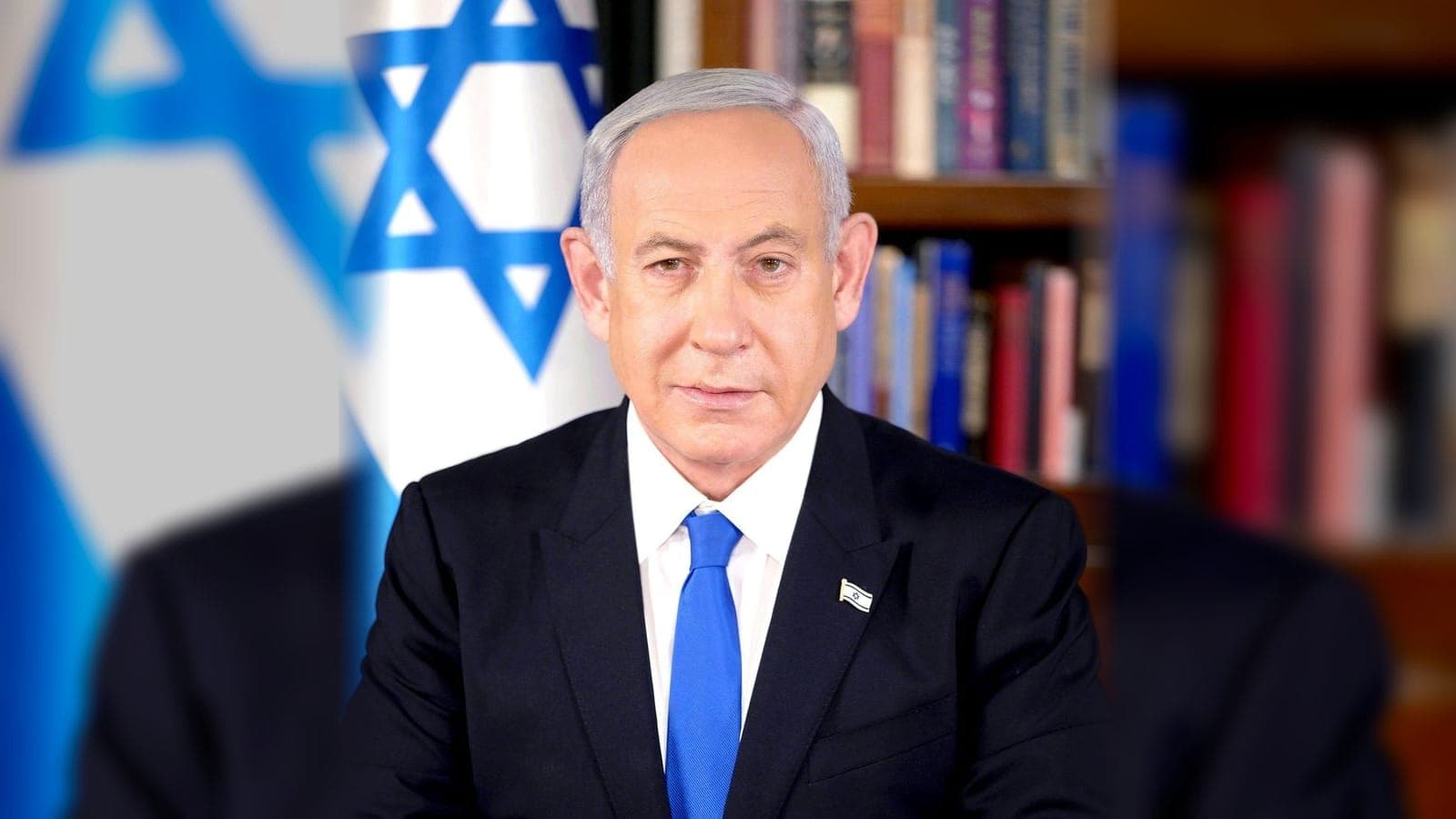
Benjamin Netanyahu. File photo by Avi Ohayon, CC BY-SA 3.0, via Wikimedia Commons.
Prime Minister Benjamin Netanyahu said in an interview that Israel should get ready for the possibility of banking sanctions and build an economy able to work around them, according to several Israeli outlets. The Jerusalem Post reported that he warned the country could face such sanctions and was preparing an alternative financial system. The Times of Israel reported that he spoke of readying for global sanctions and of using blockchain technology to get around them.
In the same interview, Netanyahu also addressed American military assistance. Barak Ravid of Axios, posting on X, quoted him as saying US security aid to Israel was "over" and that Israel needed to prepare for "banking sanctions" with a "bypass economy". Ynet, the news site of Yedioth Ahronoth, described his words as saying the aid was about to come to an end.
What the sources posted
On the ground

Netanyahu warns of banking sanctions on Israel, floats crypto as possible bypass haaretz.com/israel-news/el…
What Netanyahu is reported to have said
The reports agree on three elements: that US security assistance is ending or has ended, that Israel could be hit by sanctions targeting its banks, and that the government should prepare a way of keeping the economy running despite them. The Hebrew phrase used, rendered here as a "bypass economy", suggests a financial system built to route around restrictions rather than one that depends on normal access to international banking.
Only The Times of Israel, in its headline, mentions blockchain, the distributed ledger technology behind cryptocurrencies, as part of that plan. The Jerusalem Post refers more generally to an alternative financial system. The material available does not describe how such a system would work, who would build it, or whether any concrete steps have been taken.
Why banking sanctions matter
Israel's economy is closely tied to global trade and investment, and its banks rely on international payment channels to move money abroad. Ravid, in a later post, said that what most troubled him was that Netanyahu's reference scenario appeared to be a cutoff from SWIFT imposed by a democratic government, rather than a lesser step such as suspension of Israel's association agreement with the European Union.
Get an email the day Israel has a new government.
Coalition talks can take weeks. When a government is sworn in, Israel.com's newsroom emails who leads it, which parties are in and who got which ministry, then the Friday email each week. Free, and one click unsubscribes.
One list, unsubscribe in a click. See our privacy policy.
SWIFT is the messaging network that banks around the world use to send instructions for cross-border payments. Being removed from it makes ordinary international transfers far harder. The EU-Israel association agreement is the treaty framework that governs trade and political relations between Israel and the European Union, its largest trading partner bloc; calls to suspend it have been a recurring point of pressure in European debate.
How commentators reacted
The reaction in the reports is overwhelmingly critical, and much of it is opinion rather than news reporting. Ravid compared the approach to Vladimir Putin's Russia, only without oil and gas, and in another post to the policy of Pyongyang, the capital of North Korea. He wrote that there is no such thing as a bypass economy and argued that the path described would mean higher prices, deep poverty, shortages of food and electricity, and isolation. He also wrote that Netanyahu appeared to accept the paralysis of Israeli banks and their disconnection from global banking as a given.
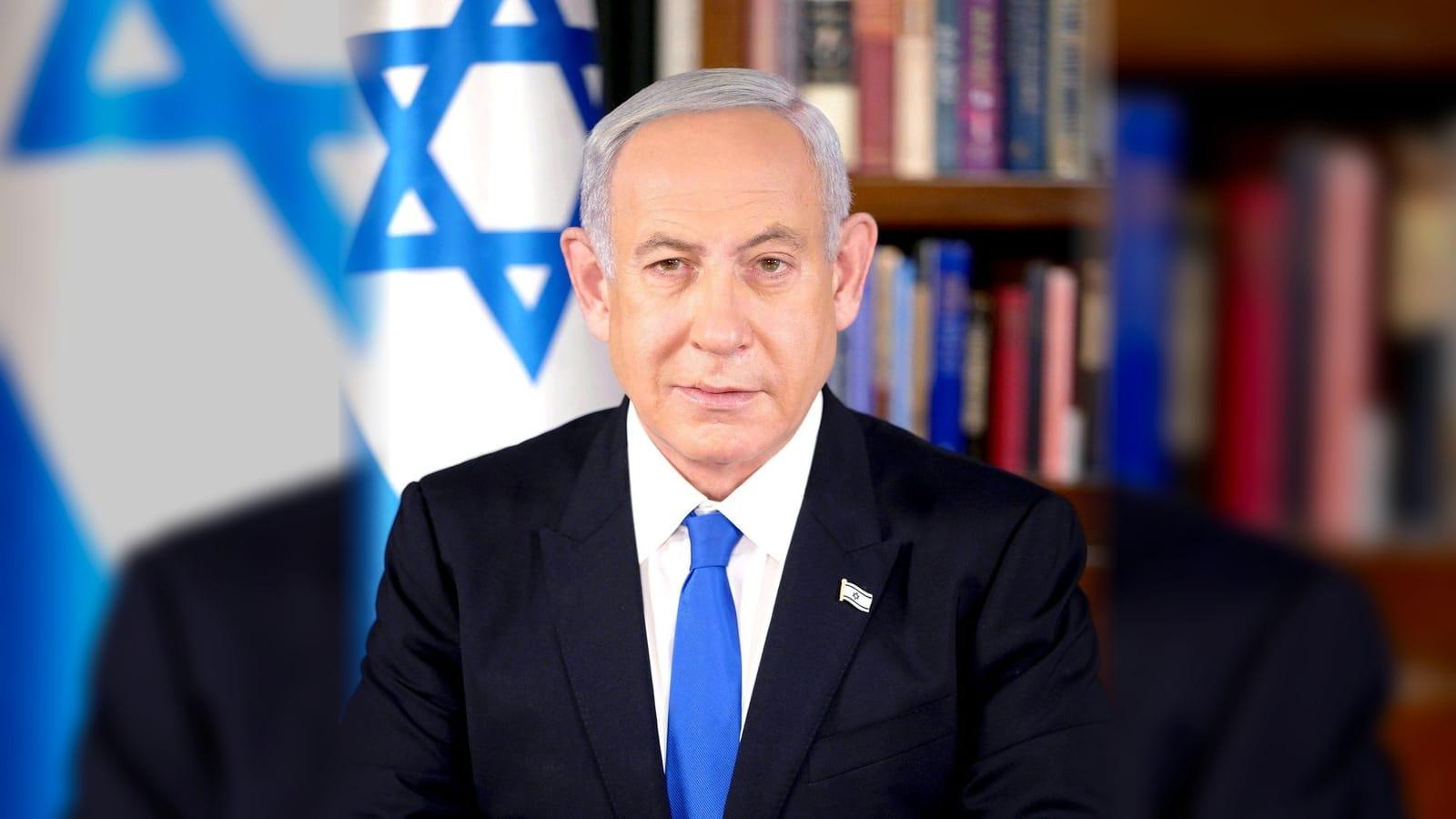
File photo
Ynet's commentary called the statement exceptional and dangerous, likening its weight to an announcement that Iran had developed a nuclear warhead. The piece argued that either Netanyahu had described a realistic scenario for the near end of Israel's economy, or he was not fit to lead the country.
Ravid also raised the question of how the Tel Aviv Stock Exchange would respond. He noted that the market did not react much the last time Netanyahu made a stark statement, when he said Israel needed to become a Sparta, a reference to the ancient Greek city-state organised around permanent military readiness.
What the reports do not say
None of the reports in this material names the outlet that conducted the interview or gives its full wording, so the exact phrasing of Netanyahu's remarks cannot be checked here. The reports differ slightly on the aid question: one quotes him as saying it is over, another as saying it is about to end. They do not explain which countries or bodies he thinks might impose banking sanctions, on what grounds, or on what timeline.
There is no response in this material from the United States government on the status of security aid, from the Bank of Israel, from Israeli commercial banks or from the Finance Ministry. No market data is given on how shares or the shekel moved after the remarks. Nor is there any detail on the alternative financial system itself beyond the single reference to blockchain.
Read next
All government →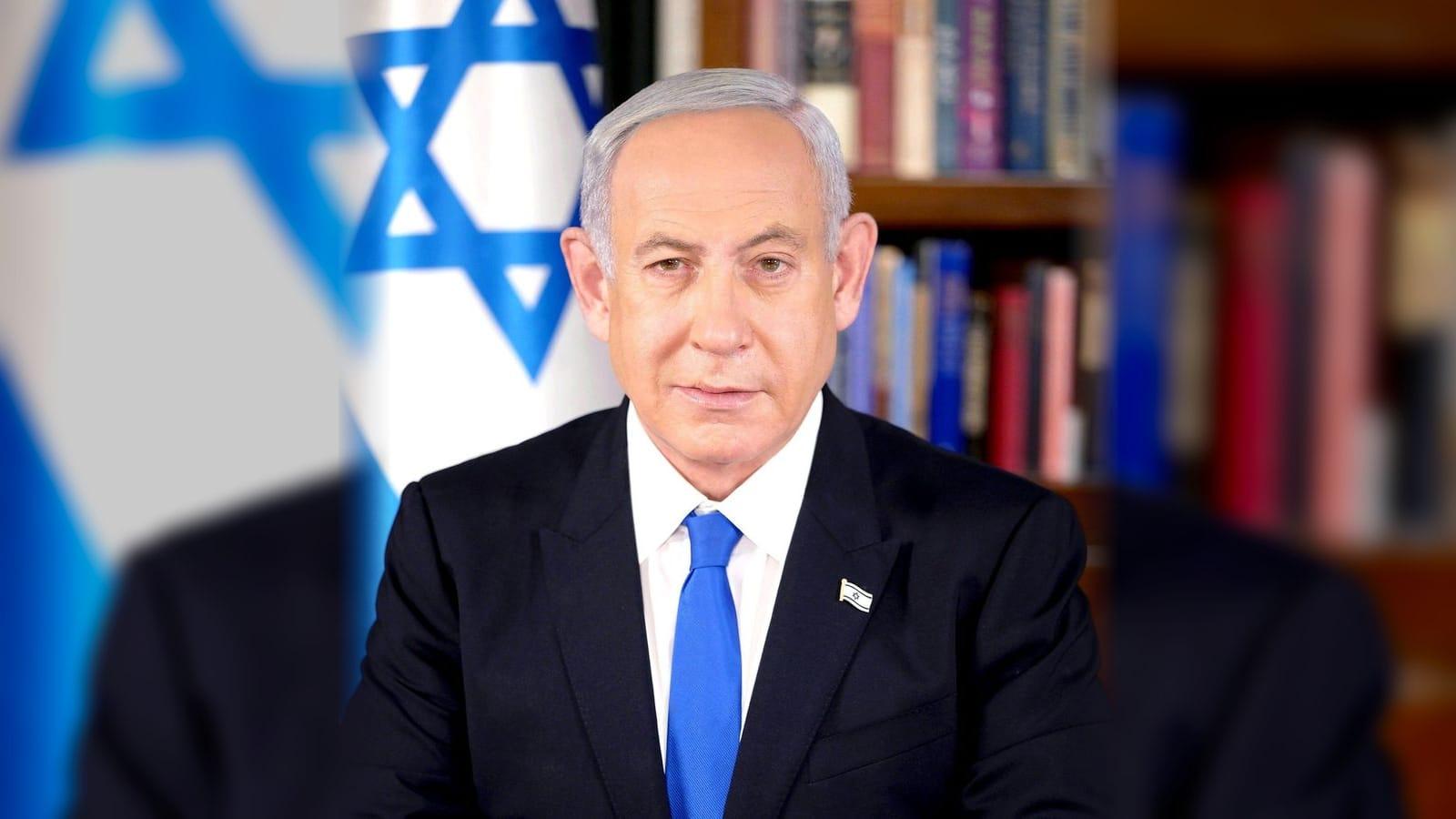
File photo
Religion
Netanyahu says any government he forms will include the Haredi parties
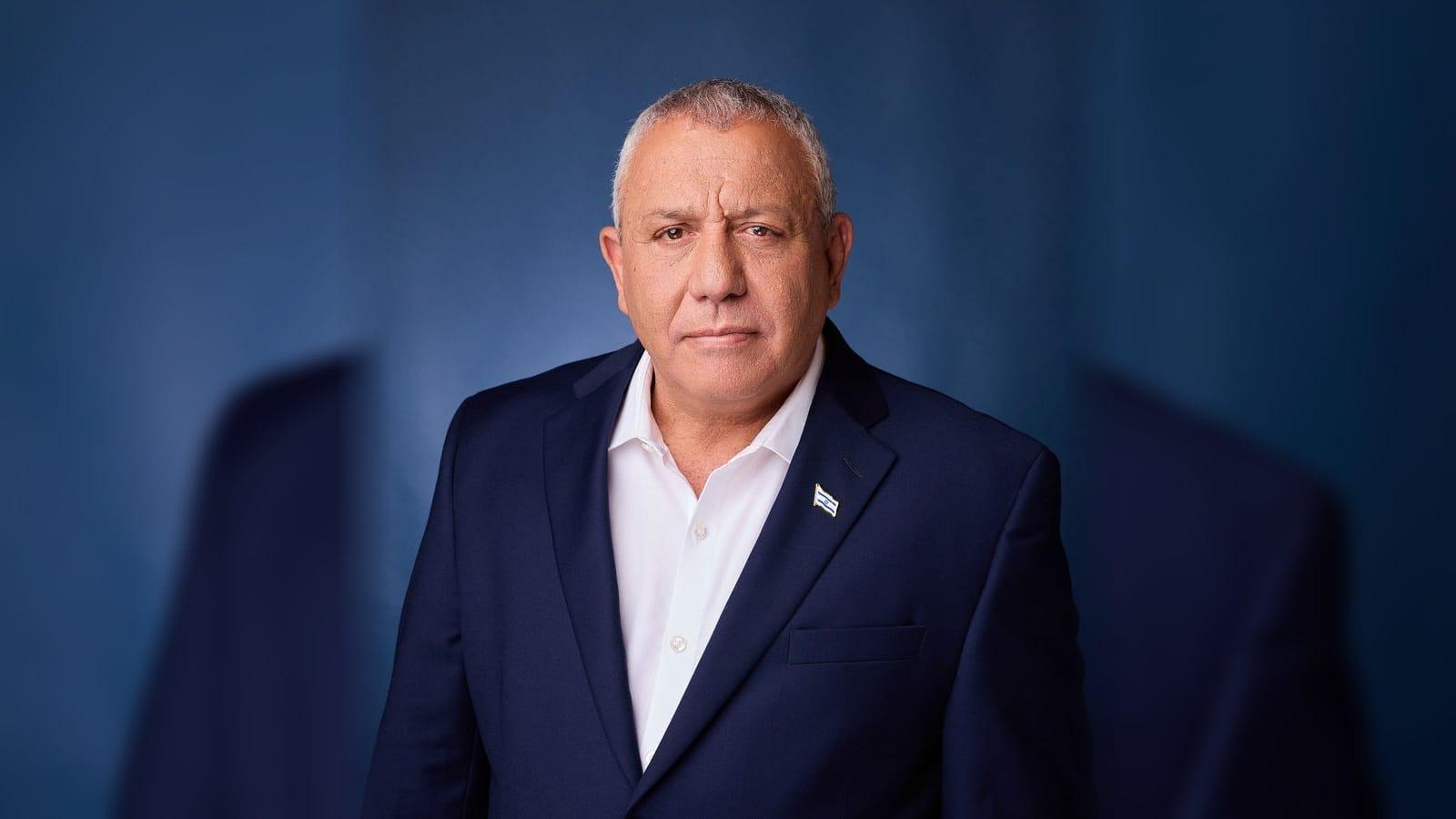
File photo
Government
Eisenkot visits Likud MK Madan's unity tent amid criticism from Likud

File photo
Government
Hili Tropper and Shas MK Uriel Busso visit Likud MK's unity tent by the Knesset
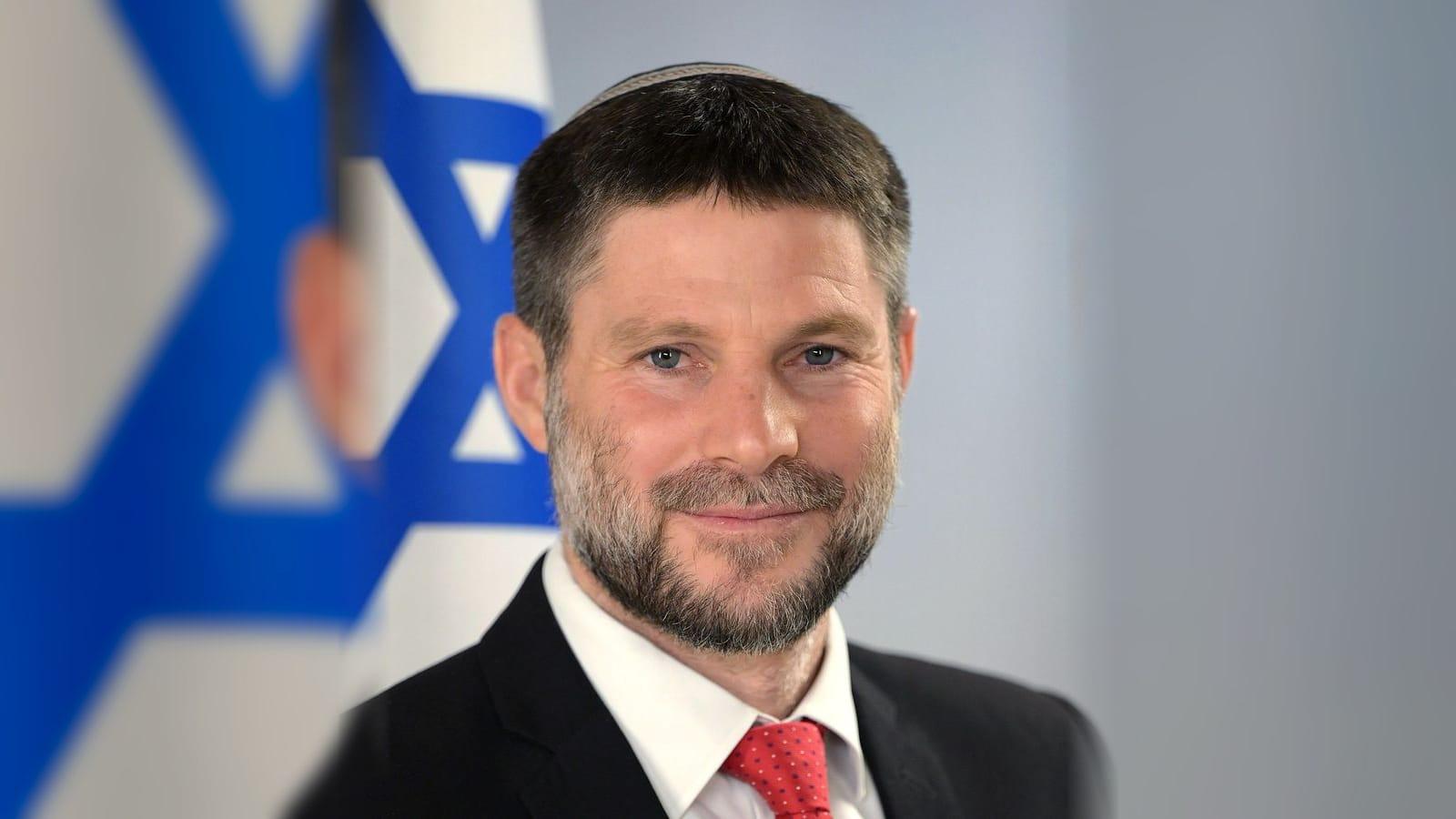
File photo
Government
Smotrich offers Matan Kahana backing for Knesset speaker, with conditions
Sources and further reading
Every link below was opened and checked when this page was written. Official statements are marked as such: they are the subject's own account, not an independent one.
- Reportingyediothynet.co.ilYnet
- Reportingtoitimesofisrael.comThe Times of Israel
- Reportingjpostjpost.comThe Jerusalem Post
- Reportingaxiosx.comBarak Ravid, Axios
- Reportingaxiosx.comBarak Ravid, Axios
- Reportingaxiosx.comBarak Ravid, Axios
- Reportingaxiosx.comBarak Ravid, Axios
How we checked this
The interview remarks were reported by The Times of Israel, The Jerusalem Post, Ynet and Axios reporter Barak Ravid on X; the blockchain detail appears only in The Times of Israel's report. Characterisations of the economic consequences are commentary by Ravid and Ynet, and we have not seen the full interview.
Our sourcing and corrections policy →The week from Israel, in one email
The stories that mattered, sourced and checked by the Israel.com newsroom. Free, weekly, one-click unsubscribe.
One list, unsubscribe in a click. See our privacy policy.

Israel.com is free, and readers like you keep it that way.
The Israel.com newsroom checks every story against its sources and publishes it free. If this one helped, a contribution of any size keeps the next one free too.
One payment, nothing to sign up for. Another amountGive monthly
Latest

Illustration

Illustration

Illustration

Illustration

Illustration

Illustration