Israel's election, 27 October 2026
Netanyahu's outgoing coalition averages 49.9 seats in the latest polls, 11 short of a majority. The vote is in 28 days.
222 polls since January, from 11 outlets. Latest: Kan 11, 27 Sep.
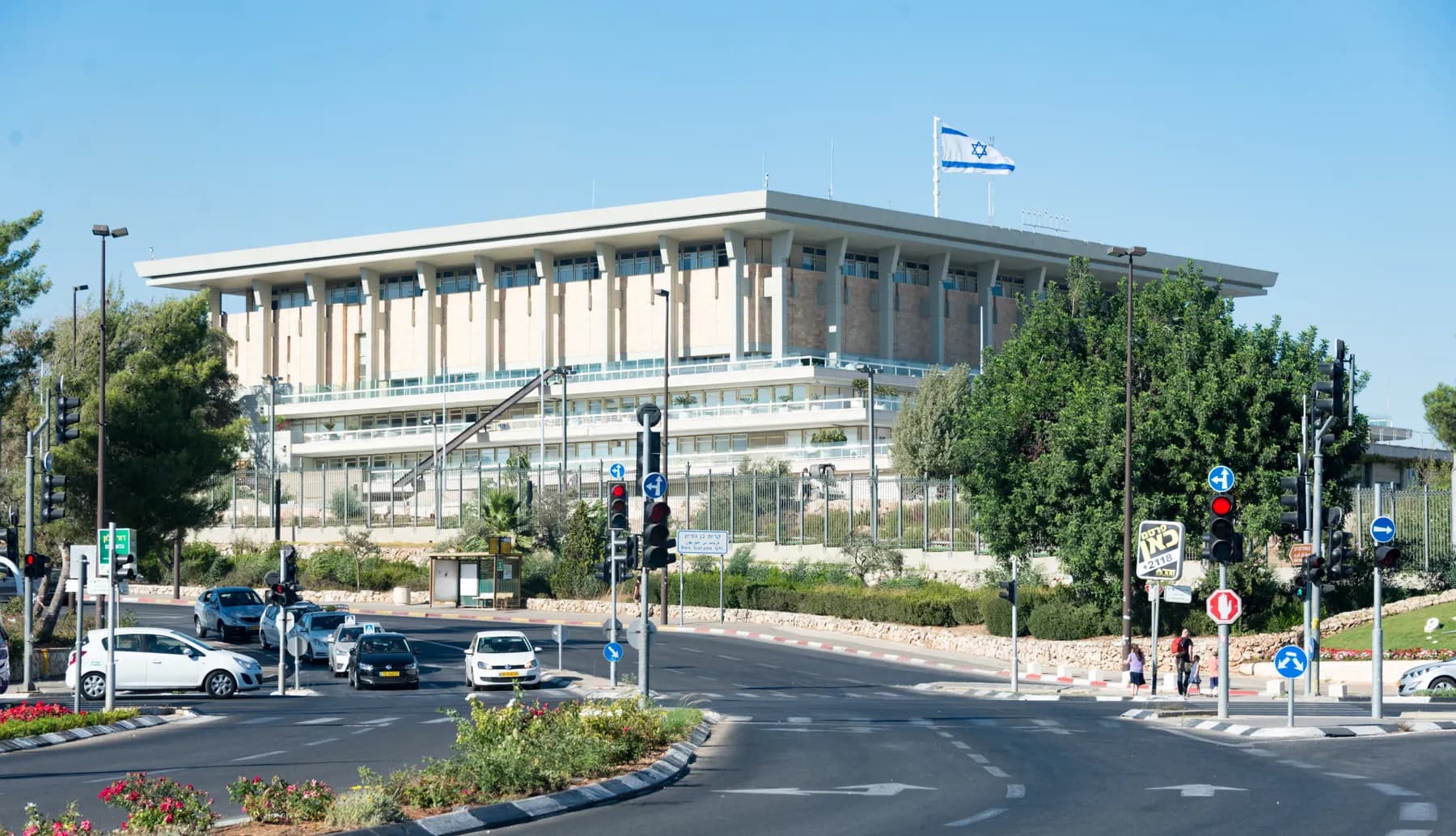
xiquinhosilva / CC BY 2.0 · Wikimedia Commons
The state of the race
The average takes the latest poll from each of the 9 outlets that published in the last 14 days. It gives the parties of the outgoing government, Likud, Religious Zionism–Zehut, Otzma Yehudit, Shas and United Torah Judaism, 49.9 seats between them, with the outlets ranging from 45 to 63. Only Channel 14's puts it at 61 or more.
Yashar, Gadi Eisenkot's party, averages 22.4 seats and comes first in 7 of the 9 polls. Likud averages 21.8 and comes first in i24 News and Channel 14.
The coalition's average has gone from 55.3 in the first weeks of January to 49.9 today, and stood at 50.3 when the party lists closed on 8 September. Blue and White and Haredi Public fall below the 3.25% threshold in every poll that names them.
Ra'am and the Joint List average 12.4 seats between them. The Central Elections Committee voted on 23 September to bar both from the ballot, and the Supreme Court has until 4 October to rule.
Every poll this year
Each dot is one poll's total for the parties of the outgoing government. The line is the average, each outlet counted once over the previous 14 days. Tap or hover a dot for the poll.
Where every party stands
Each party's average across the same 9 polls, with its lowest and highest figure among them.
Yashar
Gadi Eisenkot
22.422–23
Likud
Benjamin Netanyahu
21.818–32
Together
Naftali Bennett
11.37–13
The Democrats
Yair Golan
9.28–11
Yisrael Beiteinu
Avigdor Lieberman
8.37–10
Shas
Aryeh Deri
7.96–11
Otzma Yehudit
Itamar Ben-Gvir
7.36–9
Joint List
Yousef Jabareen
7.27–8
United Torah Judaism
7.26–8
Religious Zionism–Zehut
Bezalel Smotrich
5.74–7
Ra'am
Mansour Abbas
5.25–6
Amcha Yisrael
Ofer Winter
3.70–5
The Reservists–New Economic Party
30–4
Blue and White
Benny Gantz
Below the threshold in 8 of 8 polls
0
Haredi Public
Below the threshold in 7 of 7 polls
0
The dashed line is 4 seats, about the least a list can win: a party needs 3.25% of the vote to enter the Knesset at all.
Build a coalition
Pick the parties. The total is the sum of their averages, and the line under it says how many of the latest polls give the same parties the 61 seats a government needs.
49.9 seats on today's average. 11.1 short of 61.
1 of the 9 outlets' latest polls give these parties 61 or more: Channel 14 (63).
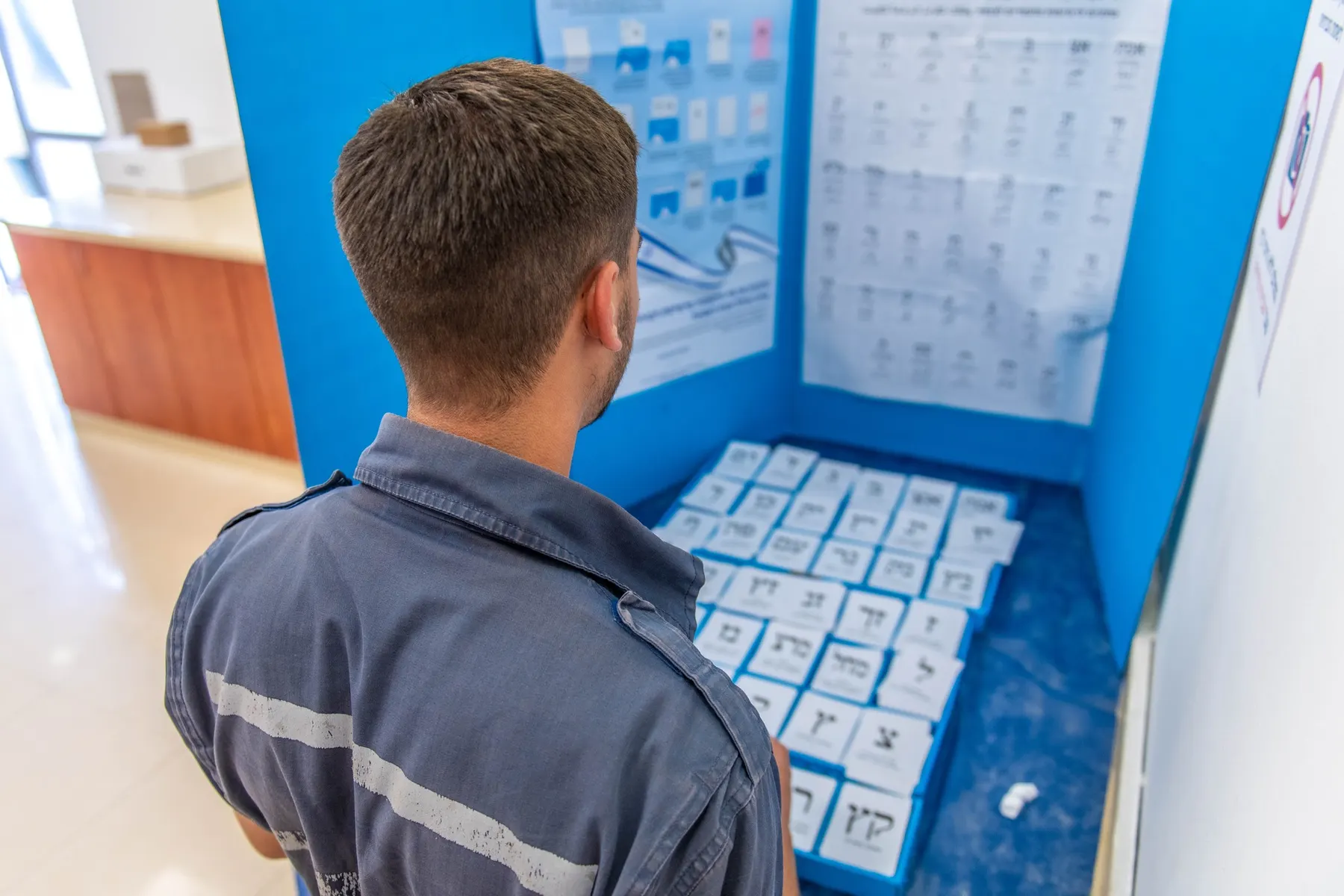
IDF Spokesperson's Unit photographer / CC BY-SA 3.0 · Wikimedia Commons
How Israel votes
The whole country is one constituency, and voters choose a party rather than a candidate. Behind a cardboard screen each voter picks the printed slip of one list from a tray, seals it in an envelope and drops it in the box.
The 120 seats are shared out in proportion to the vote among the lists that pass 3.25%. Pairs of parties can sign surplus-vote agreements, which pool their leftover votes when the last few seats are handed out.
A government needs the confidence of 61 members. After the results the president gives one member, usually the leader with the most backing, 28 days to put a coalition together, and can extend that by up to 14 more.
Every party since January
Same scale in every chart, 0 to 35 seats, so the slopes compare. The grey dots are single polls and the line is the average. The change is counted from the day the lists closed, 8 September.
Yashar
22.4 now, −0.6 since 8 Sep
Likud
21.8 now, −0.4 since 8 Sep
Together
11.3 now, −1.3 since 8 Sep
Before 26 April: Yesh Atid and Bennett 2026 added together.
The Democrats
9.2 now, −0.5 since 8 Sep
Yisrael Beiteinu
8.3 now, +0.2 since 8 Sep
Shas
7.9 now, +0.1 since 8 Sep
Otzma Yehudit
7.3 now, +0.2 since 8 Sep
Joint List
7.2 now, 0 since 8 Sep
Starts in July. Before that the polls counted Ra'am inside the Joint List.
United Torah Judaism
7.2 now, −0.4 since 8 Sep
Religious Zionism–Zehut
5.7 now, +0.1 since 8 Sep
Before 1 September: the two parties added together.
Ra'am
5.2 now, +0.2 since 8 Sep
Starts in July. Before that the polls counted it inside the Joint List.
Amcha Yisrael
3.7 now, +0.8 since 8 Sep
The Reservists–New Economic Party
3 now, +1 since 8 Sep
No figure while the Reservists ran inside Zionist Home, July to September.
How far apart the outlets are
Each outlet's polls against the average of the others in the same fortnight, for the outgoing coalition's total, over every poll this year.
Channel 14's polls, by Shlomo Filber and NEXT DATA, have given the outgoing coalition 12.4 seats more than the other outlets across 37 polls this year. On Likud alone the gap is +8.6 seats. At the other end, Maariv's polls run 5.2 below.
Channel 14
Shlomo Filber and NEXT DATA · 37 polls
+12.4
i24 News
Direct Polls · 16 polls
+5.9
Channel 13
Midgam Project, The Madad, Stat-Net and Askaria · 22 polls
−1.8
Israel Hayom
Kantar · 10 polls
−1.8
Kan 11
Kantar · 20 polls
−1.9
Channel 16
Maagar Mochot · 7 polls
−2.2
Zman Yisrael
Yossi Tatika · 33 polls
−2.8
Channel 12
Midgam Research & Consulting · 34 polls
−3.6
Walla
Lazar Research and Panel4All · 4 polls
−3.9
Maariv
Lazar Research and Panel4All · 35 polls
−5.2
The latest polls
Seats as each outlet published them. A dash is a party below the threshold, a dot one the poll did not ask about. The outlet's name opens its own report.
| Poll | Likud | Together | RZP–Zehut | Otzma | Blue & White | Shas | UTJ | Yisrael Beiteinu | Ra'am | Joint List | Democrats | Yashar | Reservists–NEP | Amcha Yisrael | Haredi Public | Coalition |
|---|---|---|---|---|---|---|---|---|---|---|---|---|---|---|---|---|
| Kan 1127 Sep · Kantar | 21 | 11 | 6 | 7 | – | 7 | 7 | 9 | 5 | 7 | 9 | 23 | 4 | 4 | – | 48 |
| Channel 1624 Sep · Maagar Mochot | 19 | 13 | 5 | 9 | – | 8 | 7 | 8 | 5 | 7 | 8 | 23 | 4 | 4 | – | 48 |
| i24 News24 Sep · Direct Polls | 27 | 9 | 6 | 8 | – | 7 | 8 | 7 | 6 | 7 | 9 | 22 | – | 4 | – | 56 |
| Zman Yisrael24 Sep · Yossi Tatika | 21 | 12 | 4 | 6 | · | 10 | 8 | 10 | 6 | 8 | 8 | 23 | · | 4 | · | 49 |
| Maariv24 Sep · Lazar Research and Panel4All | 18 | 13 | 6 | 9 | – | 6 | 6 | 9 | 5 | 7 | 11 | 22 | 4 | 4 | – | 45 |
| Channel 1423 Sep · Shlomo Filber and NEXT DATA | 32 | 7 | 7 | 6 | – | 11 | 7 | 7 | 5 | 7 | 9 | 22 | – | – | – | 63 |
| Channel 1323 Sep · Midgam Project, The Madad, Stat-Net and Askaria | 18 | 11 | 6 | 7 | – | 8 | 7 | 8 | 5 | 8 | 11 | 22 | 4 | 5 | · | 46 |
| Channel 1222 Sep · Midgam Research & Consulting | 20 | 13 | 5 | 6 | – | 7 | 8 | 9 | 5 | 7 | 9 | 23 | 4 | 4 | – | 46 |
| Channel 1417 Sep · Shlomo Filber and NEXT DATA | 31 | 9 | 7 | 8 | – | 10 | 8 | 7 | 5 | 7 | 8 | 20 | – | – | – | 64 |
| i24 News17 Sep · Direct Polls | 27 | 9 | 6 | 7 | – | 7 | 8 | 8 | 5 | 7 | 10 | 21 | – | 5 | – | 55 |
| Maariv17 Sep · Lazar Research and Panel4All | 18 | 13 | 6 | 8 | – | 7 | 7 | 9 | 5 | 7 | 9 | 23 | 4 | 4 | – | 46 |
| Israel Hayom17 Sep · Kantar | 20 | 13 | 6 | 8 | – | 7 | 7 | 8 | 5 | 7 | 9 | 22 | 4 | 4 | – | 48 |
| Zman Yisrael17 Sep · Yossi Tatika | 22 | 14 | 4 | 7 | – | 9 | 9 | 9 | 6 | 8 | 8 | 24 | – | – | · | 51 |
| Channel 1616 Sep · Maagar Mochot | 18 | 16 | 5 | 9 | · | 9 | 7 | 7 | 5 | 6 | 9 | 21 | 4 | 4 | · | 48 |
| Channel 1315 Sep · Midgam Project, The Madad, Stat-Net and Askaria | 18 | 12 | 8 | 8 | – | 7 | 7 | 8 | 6 | 8 | 10 | 22 | – | 6 | – | 48 |
| Channel 1214 Sep · Midgam Research & Consulting | 20 | 13 | 5 | 6 | – | 7 | 8 | 8 | 4 | 8 | 10 | 23 | 4 | 4 | · | 46 |
| Kan 1114 Sep · Kantar | 20 | 12 | 6 | 8 | · | 7 | 7 | 8 | 5 | 7 | 8 | 24 | 4 | 4 | · | 48 |
| Maariv10 Sep · Lazar Research and Panel4All | 19 | 14 | 5 | 8 | – | 7 | 7 | 9 | 5 | 7 | 10 | 25 | – | 4 | – | 46 |
| Zman Yisrael10 Sep · Yossi Tatika | 23 | 15 | 4 | 6 | – | 10 | 9 | 10 | 5 | 7 | 8 | 23 | – | – | · | 52 |
| Channel 169 Sep · Maagar Mochot | 20 | 16 | 4 | 9 | – | 9 | 7 | 7 | 5 | 7 | 9 | 23 | – | 4 | – | 49 |
| Channel 139 Sep · Midgam Project, The Madad, Stat-Net and Askaria | 19 | 13 | 6 | 9 | – | 7 | 8 | 8 | 6 | 8 | 10 | 22 | – | 4 | – | 49 |
| i24 News9 Sep · Direct Polls | 27 | 10 | 6 | 8 | – | 7 | 8 | 7 | 5 | 7 | 9 | 22 | – | 4 | – | 56 |
| Channel 149 Sep · Shlomo Filber and NEXT DATA | 31 | 7 | 8 | 8 | – | 10 | 7 | 7 | 6 | 6 | 8 | 22 | – | – | – | 64 |
| Walla9 Sep · Lazar Research and Panel4All | 21 | 14 | 5 | 7 | – | 7 | 7 | 9 | 5 | 7 | 9 | 25 | – | 4 | – | 47 |
All 222 polls of 2026, with every party and a link to each report: israel-election-2026-polls.csv
The dates that decide it
Still to come
4 Octin 5 days
Deadline for the Supreme Court to rule on the disqualified lists and candidates. Central Elections Committee
16 Octin 17 days
Last day for parties to file surplus-vote agreements. JNS
20 Octin 21 days
Israelis posted at embassies and consulates abroad vote. Other Israelis abroad have to fly home to vote. The Jerusalem Post
23 Octin 24 days
The last day a poll may be published. Israeli law bars new polls from the end of the Friday before the vote.
27 Octin 28 days
Election day. Polling stations close at 22:00, when the television channels publish their exit polls. The Jerusalem Post
4 Novin 36 days
The official results are confirmed. The Jerusalem Post
How the race got here
24 Sep
The same committee declines to bar the Democrats, Otzma Yehudit and Religious Zionism. The Times of Israel
23 Sep
The Central Elections Committee votes to bar Ra'am and the Joint List from the ballot. The Supreme Court has the final word. The Jerusalem Post
10–12 Sep
Surplus-vote pacts are signed: Yashar with the Democrats, Together with Yisrael Beiteinu, and the Joint List with Ra'am. The Times of Israel
8 Sep
Candidate lists close with 38 parties filed. Haaretz
6 Sep
Hili Tropper joins Gadi Eisenkot's Yashar, and the Reservists team up with the New Economic Party. JFeed
4 Sep
Unity, the party Gilad Erdan and Yuli Edelstein founded in August, drops out of the race. Israel National News
1 Sep
The Religious Zionist Party and Zehut agree to run on one list. The Jerusalem Post
25 Aug
Ofer Winter, a former IDF brigadier general, launches Amcha Yisrael. The Times of Israel
19 Aug
Hadash, Ta'al and Balad re-form the Joint List. Israel National News
17 Jul
The Knesset votes 62 to 0 to dissolve itself, fixing the election for 27 October. Ynet
26 Apr
Naftali Bennett and Yair Lapid merge their parties into one list, Together, with Bennett at the top. The Jerusalem Post
Election news on Israel.com
- Attorney general pushes E1 settlement tender for 1,234 homes past election day
27 Sep
- Five opposition leaders meet at Lapid's home, pledge not to attack each other
26 Sep
- Israel's election panel clears Otzma Yehudit, Religious Zionism and Democrats
24 Sep
- Elections panel bars Joint List 18-5 on a Likud petition
23 Sep
- Herzog's Rosh Hashanah message goes out in eight languages
10 Sep
- Erdan pulls Unity party out of Israel's election after talks fail
4 Sep
How this page works
Every poll here was commissioned and published by an Israeli news outlet. We read them from the poll table on English Wikipedia, which volunteers update within hours of each release, and check every row before using it: its seats must add up to 120, and its total for the outgoing government must match the parties it lists. 17 rows failed one of those checks or named no outlet, and are left out.
The average is the latest poll from each outlet whose fieldwork ended in the last 14 days, each outlet counted once, so the outlets that poll twice a week do not outweigh the ones that poll every other week.
Read from the table on 29 September, 13:10 Israel time. Figures as of the table's edit of 29 September, 09:42 Israel time. The Wikipedia table
Frequently asked questions
When is Israel's next election?+
Tuesday, 27 October 2026. Polling stations close at 22:00 Israel time, when the television channels publish their exit polls, and the official results are confirmed on 4 November.
How many seats are needed to form a government in Israel?+
61 of the Knesset's 120. No party has ever won that many on its own, so every Israeli government has been a coalition of several parties.
What is the electoral threshold?+
3.25% of the valid votes. A list below it wins no seats at all; one just above it wins about four.
Who is leading in the polls?+
Yashar averages 22.4 seats in the latest poll from each outlet, ahead of Likud at 21.8. The parties of Netanyahu's outgoing coalition average 49.9 between them.
Can Israelis abroad vote?+
Only those serving the state abroad, such as diplomats, and their families. They vote at embassies and consulates, this time on 20 October. Every other Israeli has to be in Israel on election day to vote.
Why do the polls disagree so much?+
Each outlet has its own pollster, sample and method. This year Channel 14's polls have given the outgoing coalition 12.4 seats more than the other outlets did in the same fortnight, and Maariv's 5.2 fewer.