Netanyahu tells new Knesset to form unity government, warns of Iran pressure
Speaking after lawmakers were sworn in, the outgoing prime minister attacked the Arab parties as rival Gadi Eisenkot works to build a coalition, and warned of pressure over Iran.
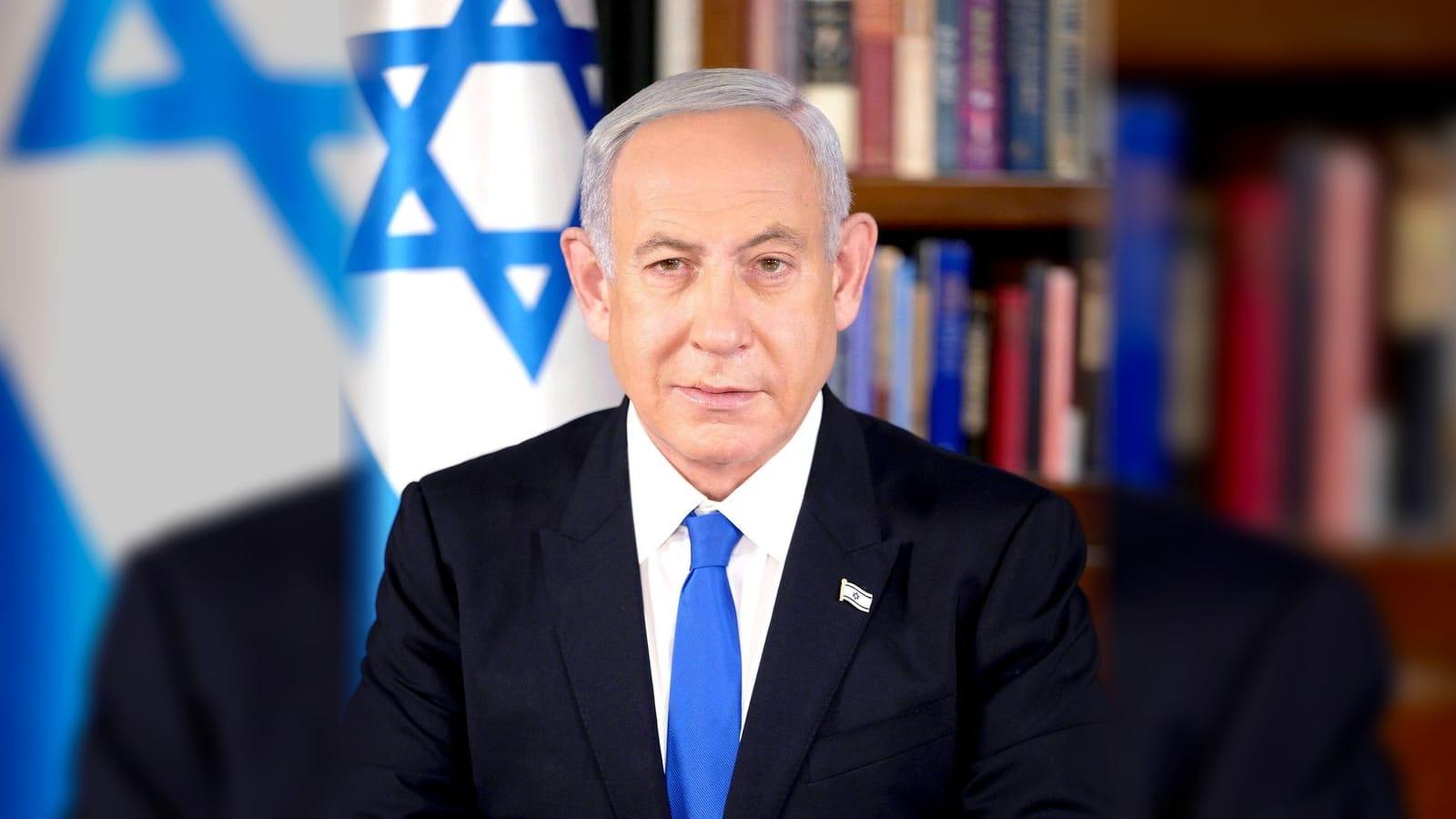
Benjamin Netanyahu. File photo by Avi Ohayon, CC BY-SA 3.0, via Wikimedia Commons.
Prime Minister Benjamin Netanyahu used an address to the Knesset, Israel's parliament, on November 10, 2026, to renew his call for a national unity government, telling lawmakers that Israel faces renewed danger from Iran and growing diplomatic pressure on several fronts. The speech followed the swearing-in of members of the 26th Knesset, The Jerusalem Post reported, under the headline that Israel would soon face pressure to accept a nuclear Iran.
In the same speech Netanyahu turned on the two main Arab parties, Ra'am and the Joint List, arguing there was no meaningful distinction between them. The Times of Israel reported that he accused both of wanting Israel destroyed and cautioned his opponents against leaning on their votes to put together a government.
On the ground

🚨Live updates from Knesset: Netanyahu calls Arab members of Knesset a Trojan horse in his address: 'Their goal is the destruction of the Jewish state' haaretz.com/israel-news/is…


🔴 Netanyahu calls for national unity gov’t to confront Iran: ‘The only way to remove this existential threat is toppling this regime of Ayatollahs’
Video from i24NEWS English. Tap to play. Nothing from it is shown until you do.
The political backdrop
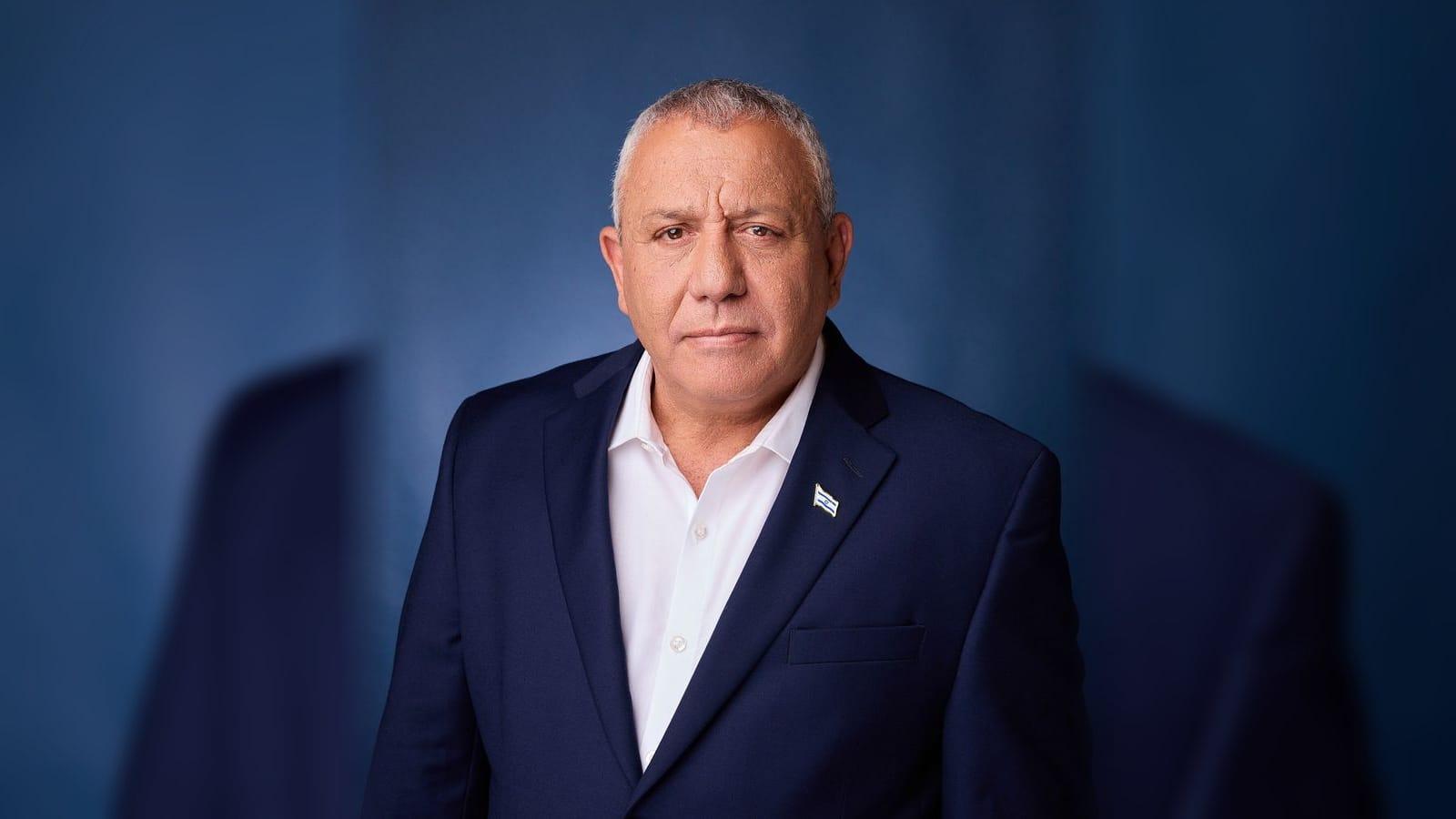
According to The Times of Israel, Netanyahu lost his parliamentary majority in elections held last month, and President Isaac Herzog has since given the mandate to form a government to Gadi Eisenkot, who leads the Yashar party. In Israel, the president asks the lawmaker judged most able to assemble a majority to try to build a coalition. The Times of Israel described Netanyahu's remarks as a continuation of a campaign he ran through the election season to cast the Arab parties as backers of terrorism, apparently aimed at weakening Eisenkot's ability to form a government relying on their support.
Iran and the regional fronts
Netanyahu told the chamber that Israel would face international pressure in the near term to come to terms with a nuclear-armed Iran, according to journalist Amit Segal. As quoted by The Times of Israel and by N12 political correspondent Dafna Liel, he said Iran "is working to revive the nuclear threat" and that the only permanent remedy was to bring down "the ayatollahs' regime", the clerical leadership that has ruled Iran since its revolution.
He also said there was pressure on Israel to give up what he called its achievements in Syria, Lebanon and Gaza, and in Judea and Samaria, the Hebrew biblical name used in Israel for the West Bank, Segal reported. News.co.il carried the same remarks.
Get an email the day Israel has a new government.
Coalition talks can take weeks. When a government is sworn in, Israel.com's newsroom emails who leads it, which parties are in and who got which ministry, then the Friday email each week. Free, and one click unsubscribes.
One list, unsubscribe in a click. See our privacy policy.
Faced with these threats, Netanyahu said, the Knesset had to set aside every other consideration and establish a national unity government, N12 reported. A unity government in the Israeli sense typically brings rival major parties into a single coalition.
The attack on Ra'am and the Joint List
Ra'am, whose name is a Hebrew acronym for the United Arab List, and the Joint List both draw their support mainly from Arab citizens of Israel. Netanyahu mocked the idea that one was moderate and the other extreme. According to N12, he said the only thing dividing them was a disagreement over which state would be established on the ruins of the Jewish state. Ynet's alert service quoted him saying there was no difference between the two.
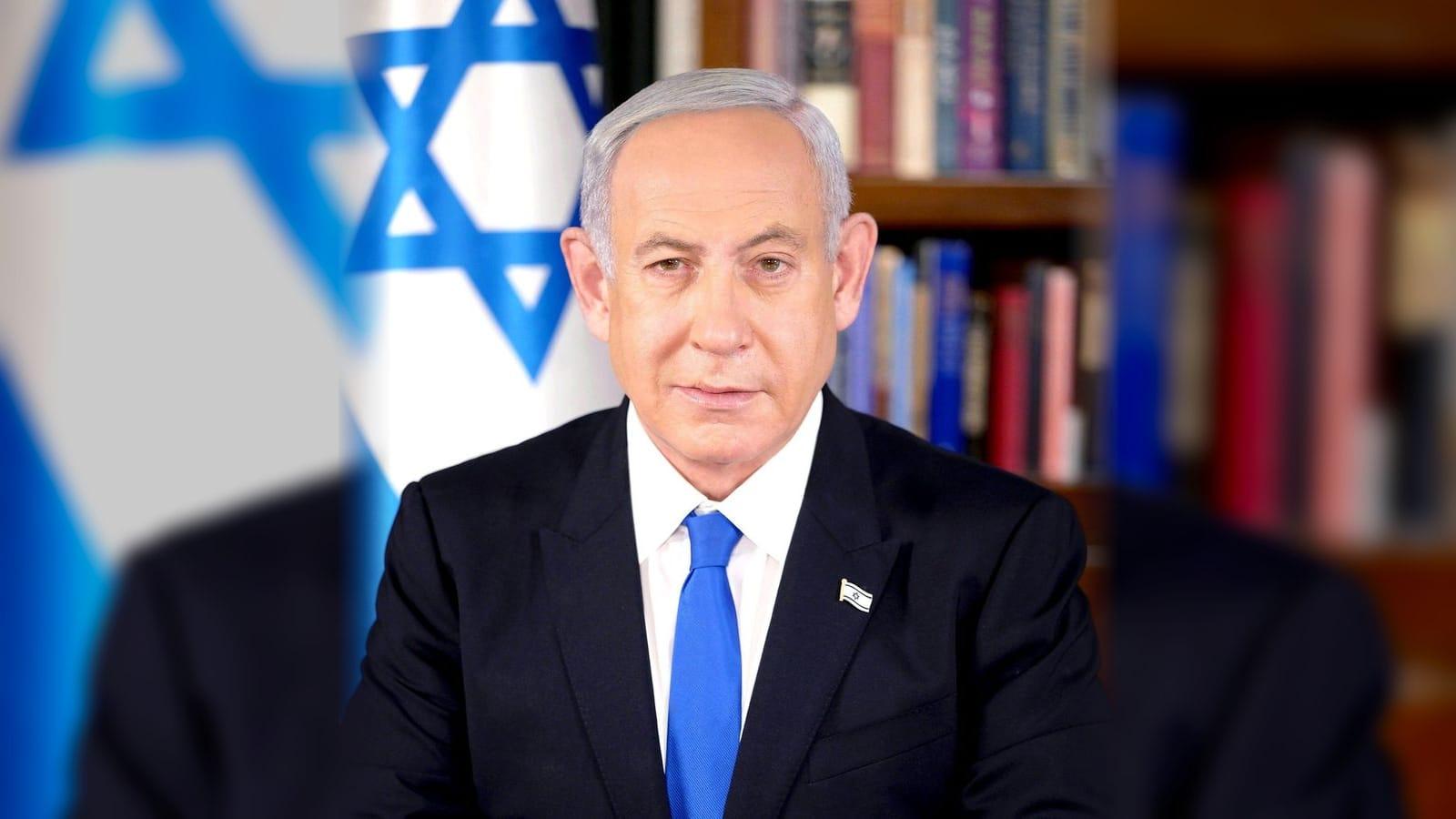
File photo
Next story Government
Netanyahu names Ofir Katz to chair Likud's faction in the 26th Knesset
He drew a line between Arab citizens and the parties he was criticising. Segal and News.co.il reported him saying a government could not rest on people who hate Israel, adding that he was not referring to Arabs but to those who hate the country.
A message to the ultra-Orthodox parties
Netanyahu also addressed the Haredim, Israel's ultra-Orthodox Jewish community, whose parties have been his long-standing coalition partners. Using a Hebrew idiom for lavish promises, he told them they would be promised "mountains and hills", only for the left to break every commitment a minute later because it would have a safety net from the Arab parties, according to Segal and Ynet. A safety net in Israeli politics refers to a party backing a government from outside the coalition, without holding ministries, to keep it from falling.
What the reports do not say
None of the reports carries a response from Eisenkot, from Ra'am or the Joint List, or from the ultra-Orthodox parties Netanyahu addressed. Netanyahu did not, in the material reported, identify which countries he expects to apply pressure over Iran or over Israel's positions in Syria, Lebanon, Gaza and the West Bank, or offer evidence for his claim that both Arab parties seek Israel's destruction.
Read next
All government →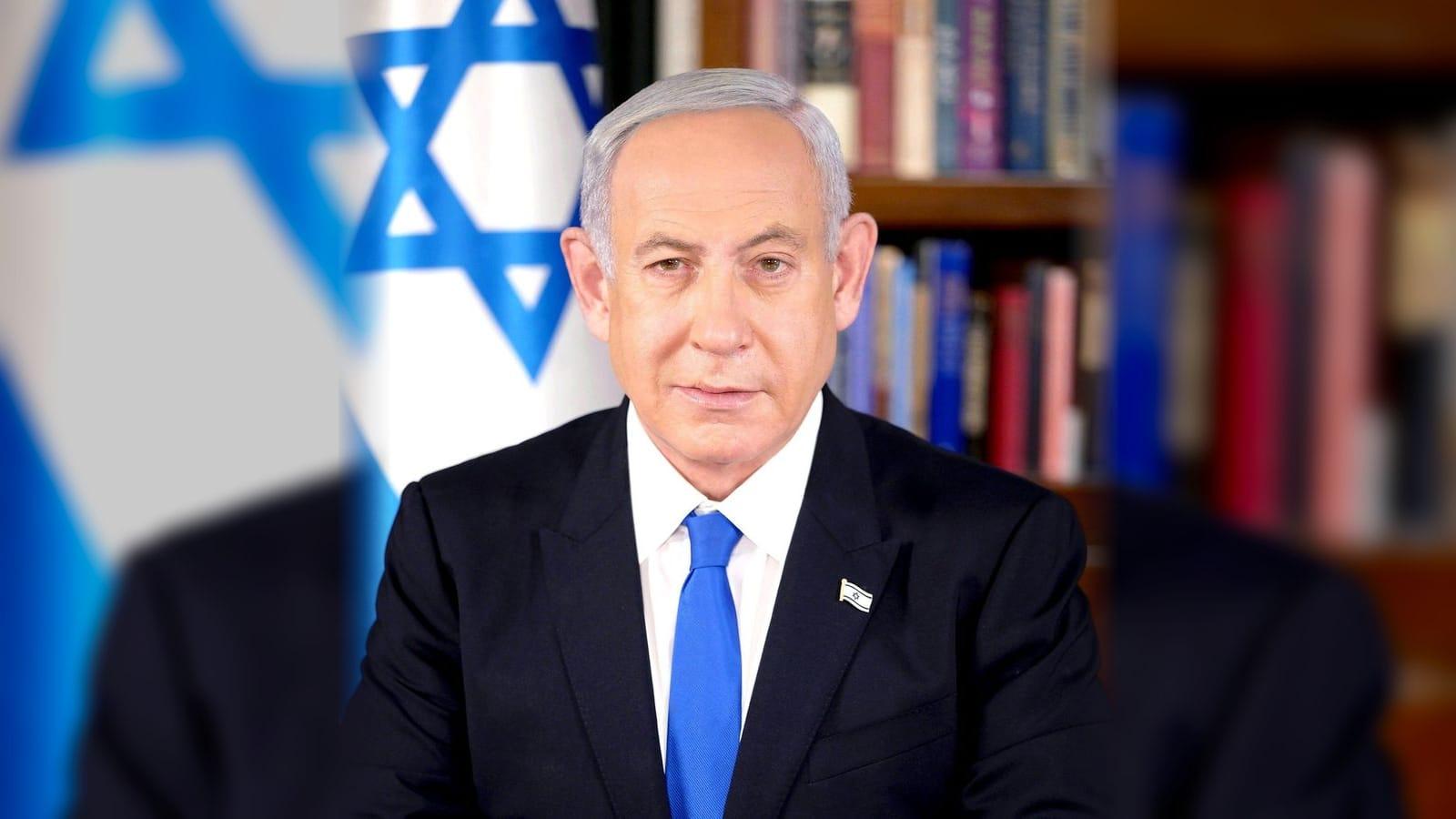
File photo
Government
Shas says it still backs Netanyahu and is holding no talks with rivals
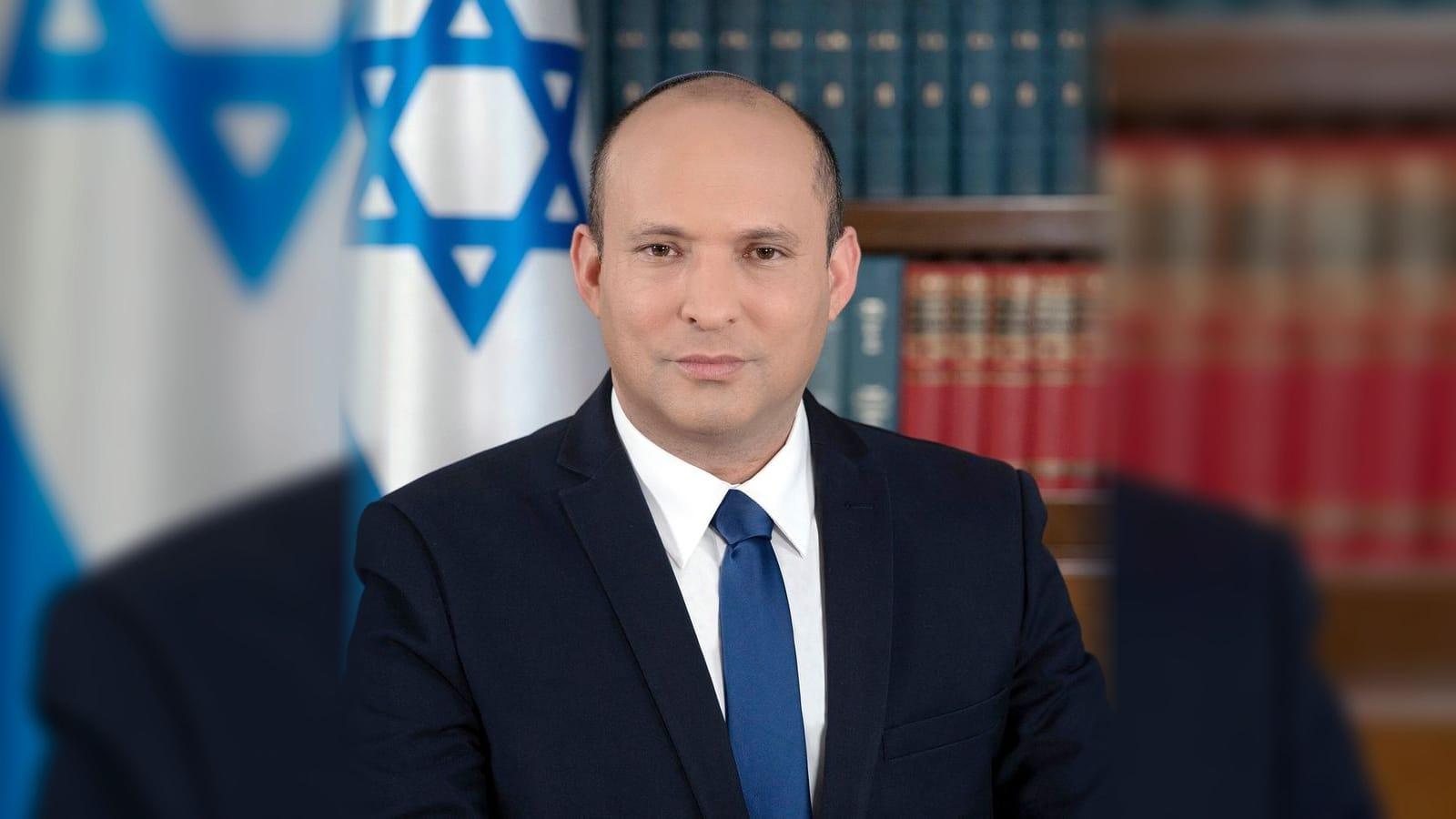
File photo
Government
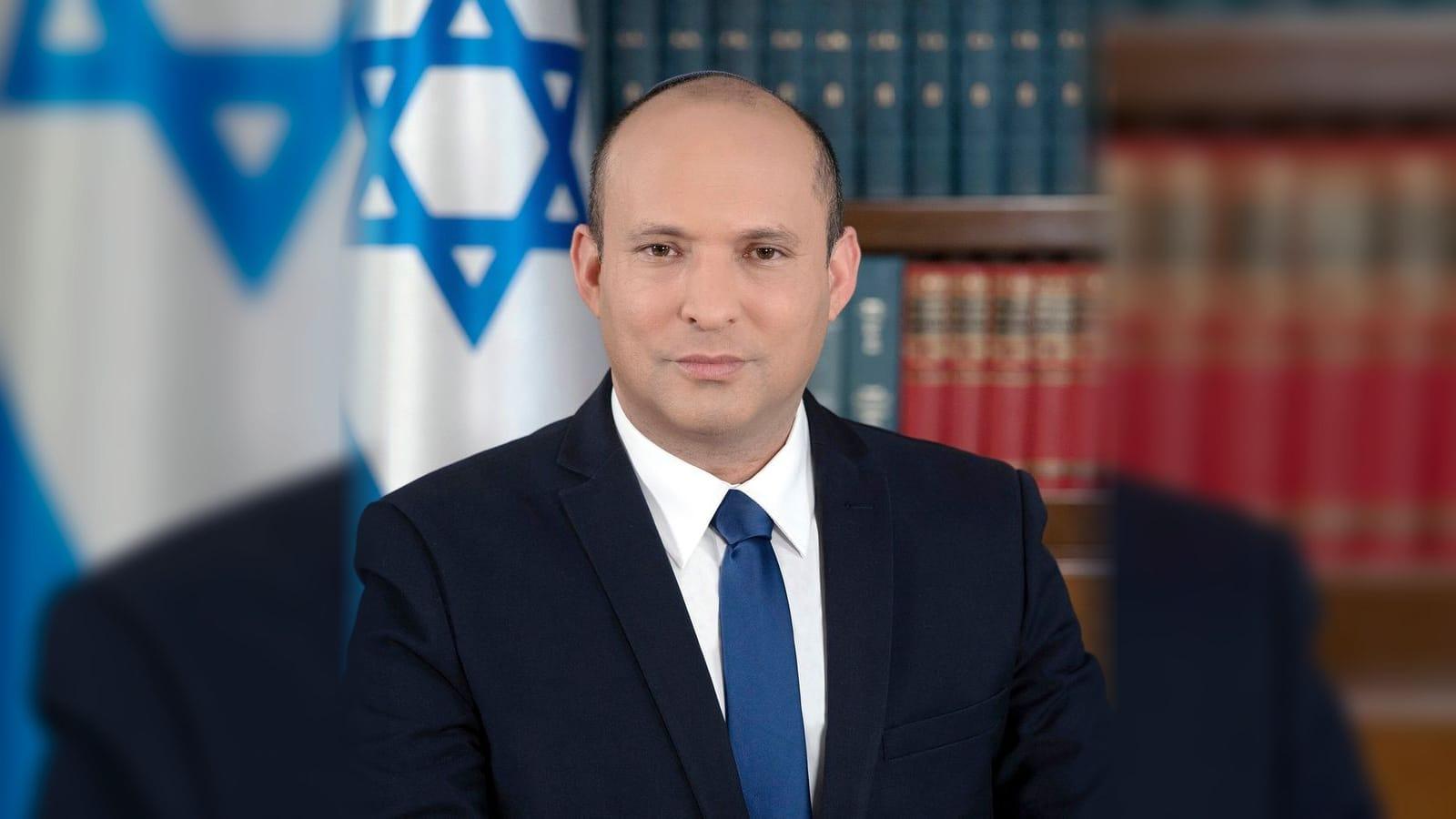
Bennett and Kariv heckle Netanyahu over Qatar in new Knesset's first sitting
File photo
Government
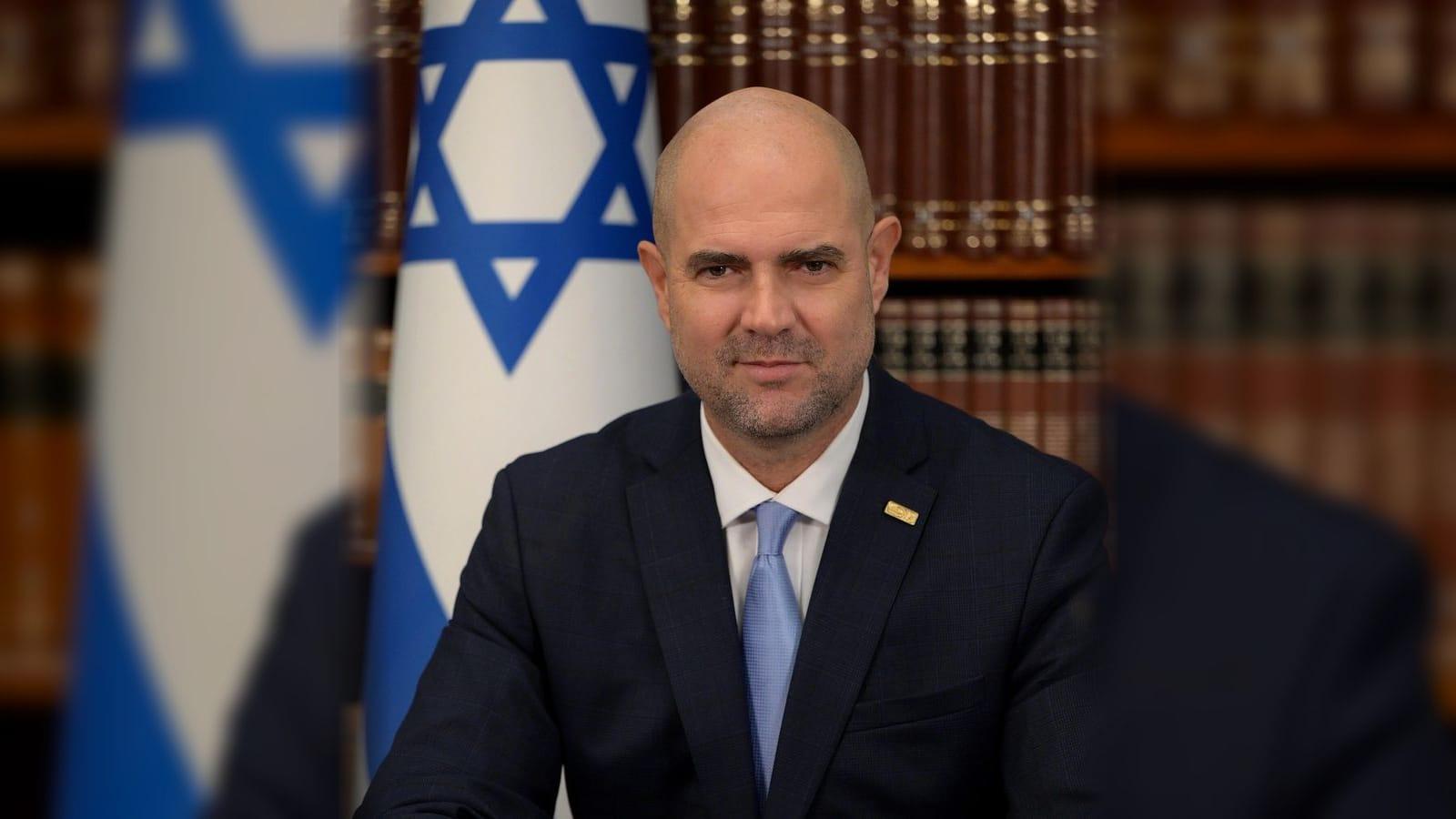
Amir Ohana opens 26th Knesset with call for unity and a line on Hamas
File photo
Elections
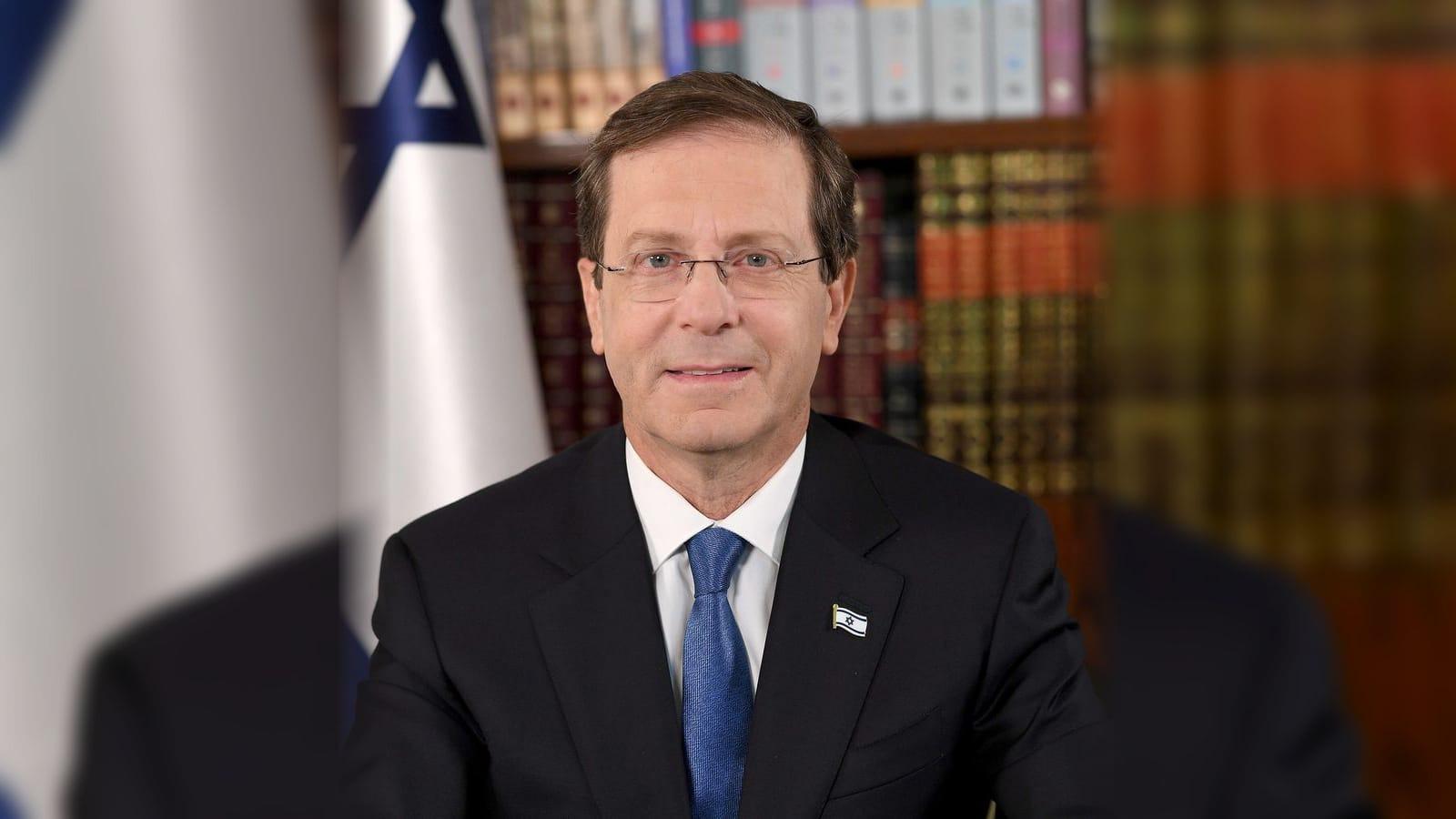
Herzog opens 26th Knesset, urges lawmakers to avoid repeat elections
Sources and further reading
Every link below was opened and checked when this page was written. Official statements are marked as such: they are the subject's own account, not an independent one.
- Reportingyediotht.meYnet alerts
- Reportingyediotht.meYnet alerts
- Reportingtoitimesofisrael.comThe Times of Israel
- Reportingjpostjpost.comThe Jerusalem Post
- Reportingamitsegalt.meAmit Segal
- Reportingamitsegalt.meAmit Segal
- Reportingamitsegalt.meAmit Segal
- Reportingamitsegalt.meAmit Segal
- Reportingnewssilt.meNews.co.il
- Reportingkeshett.meN12
- Reportingkeshett.meN12
How we checked this
The speech and its main lines were reported by The Times of Israel, The Jerusalem Post, N12, Ynet, News.co.il and journalist Amit Segal, whose accounts agree. The account of Netanyahu's lost majority and Eisenkot's mandate comes from The Times of Israel, and the quotes are Netanyahu's own claims, not established fact.
Our sourcing and corrections policy →The week from Israel, in one email
The stories that mattered, sourced and checked by the Israel.com newsroom. Free, weekly, one-click unsubscribe.
One list, unsubscribe in a click. See our privacy policy.

Israel.com is free, and readers like you keep it that way.
The Israel.com newsroom checks every story against its sources and publishes it free. If this one helped, a contribution of any size keeps the next one free too.
One payment, nothing to sign up for. Another amountGive monthly
Latest

File photo

Illustration
File photo

File photo
File photo
File photo