October 7 bereaved families rebuke Eisenkot-led bloc over paused inquiry bill
The October Council accused leaders of the change bloc of shelving a promised state commission of inquiry bill, warning it must not become a political bargaining chip.
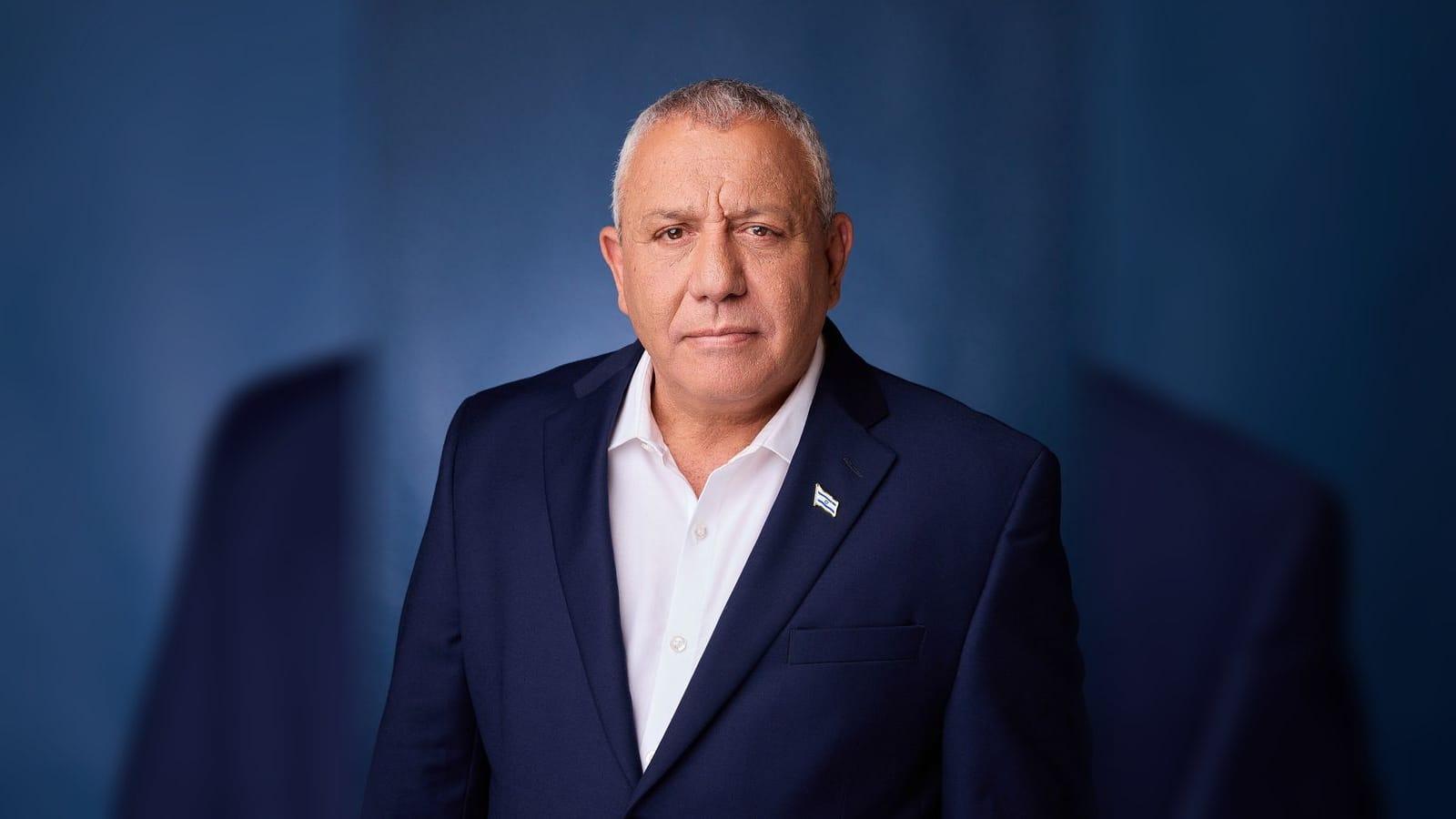
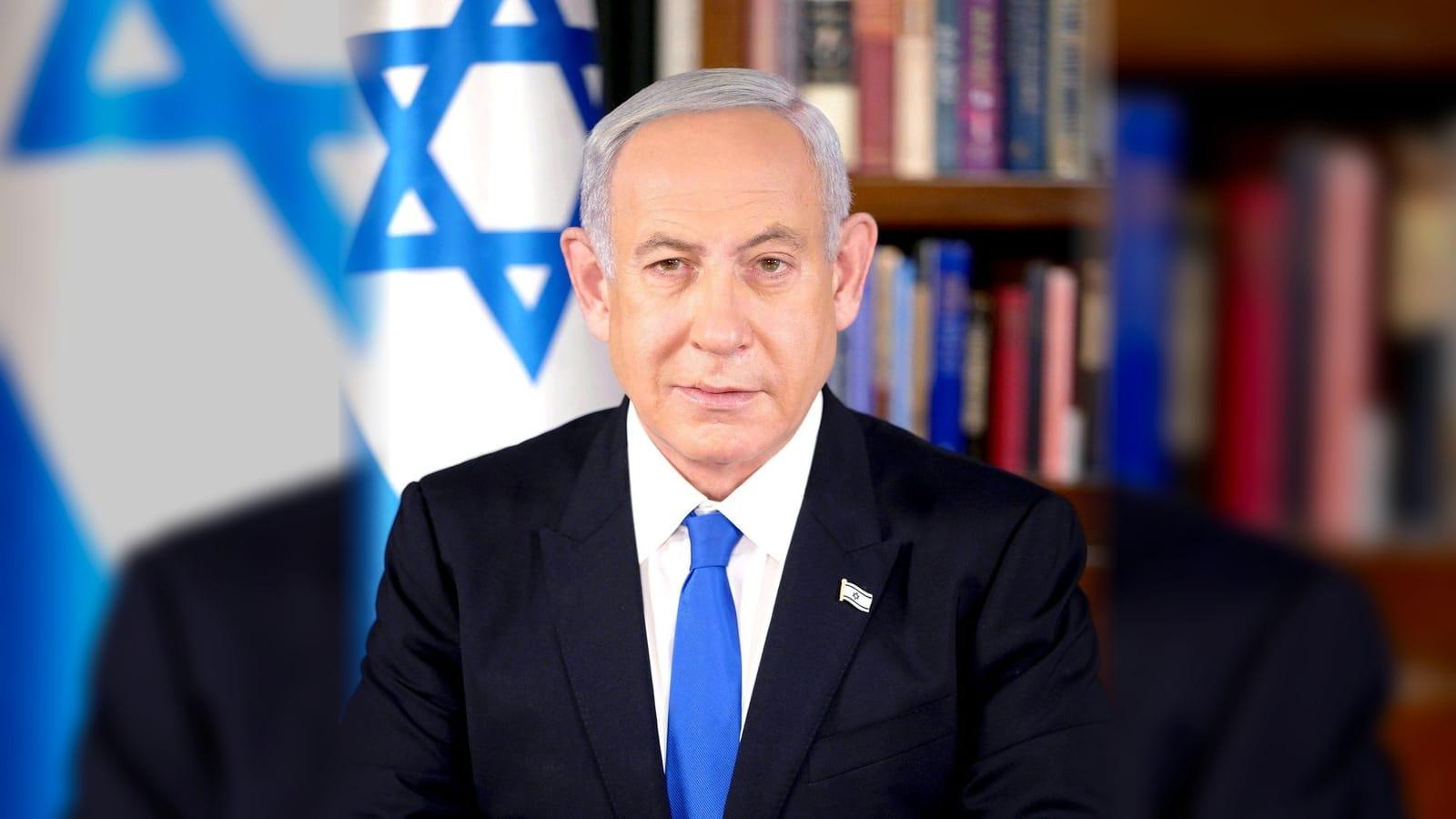
Gadi Eisenkot. File photo by יהב טרודלר (Yahav Trudler - Yahav Studio), CC BY-SA 3.0, via Wikimedia Commons.
A group representing families bereaved in the October 7 attack has sharply criticised the leaders of Israel's so-called change bloc for putting on hold, for the time being, legislation to establish a state commission of inquiry. Ynet reported that the October Council, a body of bereaved families, wrote to the bloc's heads after they decided to pause work on the bill, despite having committed to set up such a commission immediately after the elections.
In their message, the families told the politicians that the inquiry should come first and their politics afterwards. They also wrote that they would not let the bloc turn the investigation into what they described as the greatest failure in the country's history into "a political bargaining chip", according to Ynet, which said it had first revealed the decision to delay the bill. The Times of Israel described the group's criticism as directed at a bloc led by Gadi Eisenkot, and characterised the pause as a delay in a bill the bloc had promised to bring forward.
On the ground

Eisenkot bloc delays October 7 inquiry as Netanyahu unity talks stall Gadi Eisenkot's bloc has a parliamentary majority but no government, forcing it to prioritize repealing judicial overhaul laws over establishing an inquiry into ... ynetnews.com/article/syfh9j…

What a state commission of inquiry is
A state commission of inquiry is the most powerful investigative body available under Israeli law. Unlike a government-appointed committee or an internal military probe, its members are chosen by the president of the Supreme Court rather than by the politicians whose conduct may be examined. Such commissions can compel witnesses to testify and can issue findings about the personal responsibility of officials. Previous commissions of this kind have examined major security failures and national disasters, and their conclusions have at times ended political and military careers.
Because the cabinet must decide to establish one, or legislation must require it, the question of whether and when a commission is formed has itself become a political issue. Calls for an independent, judicially led investigation into the failures surrounding the October 7 attack have been a central demand of many bereaved families and survivors since the war began.
Who the October Council and the change bloc are
The October Council is an organisation of families who lost relatives in the October 7 attack and the war that followed. It has campaigned for a full state commission of inquiry and has opposed alternatives that it sees as giving politicians influence over who investigates them.
Get an email the day Israel has a new government.
Coalition talks can take weeks. When a government is sworn in, Israel.com's newsroom emails who leads it, which parties are in and who got which ministry, then the Friday email each week. Free, and one click unsubscribes.
One list, unsubscribe in a click. See our privacy policy.
The "change bloc" is the term used in Israeli politics for the grouping of parties that sought to replace the government led by Prime Minister Benjamin Netanyahu. According to The Times of Israel, the bloc is led by Gadi Eisenkot, a former chief of staff of the Israel Defense Forces (IDF), Israel's military. Ynet reported that the bloc's leaders had pledged to establish a state commission of inquiry straight after the elections, which is why the families regard the pause as a broken commitment.
Why the timing matters to the families
For the bereaved families, the core of the complaint is sequencing. Their letter, as reported by Ynet, frames the inquiry as something that should not wait on coalition calculations or other political priorities. The language of a "bargaining chip" suggests a concern that the bill could be traded or held back as part of wider negotiations, though the reports do not say what those negotiations involve or with whom.
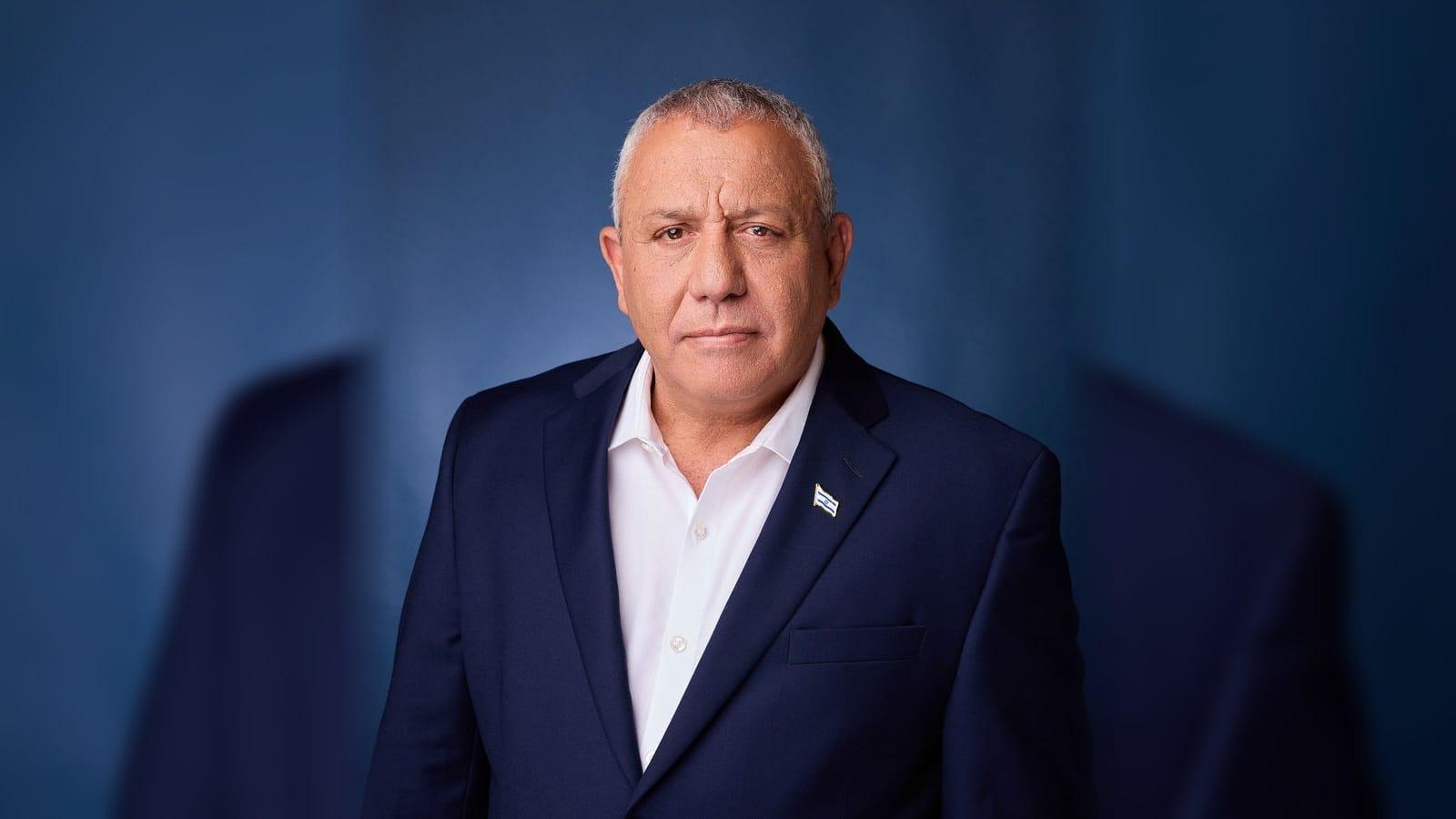
File photo
Next story Government
Eisenkot visits Likud MK Madan's unity tent amid criticism from Likud
Both reports agree on the basic facts: the bloc had promised the legislation, the bloc's leaders decided to pause it for now, and the October Council responded with strong public criticism. They differ mainly in emphasis. Ynet foregrounds the families' own words and says it has the explanation behind the decision, while The Times of Israel names Eisenkot as the bloc's leader and describes the move as a delay.
What the reports do not say
Ynet states that it has reported the reason for the decision to put the bill on hold, but that explanation is not contained in the material available to us, so we cannot say why the bloc paused the legislation. Neither report includes a response from Eisenkot or other leaders of the change bloc to the families' criticism. The reports also do not say how long the pause is expected to last, whether a revised timetable for the bill has been set, or what form the legislation would take if it is brought forward.
Read next
All elections →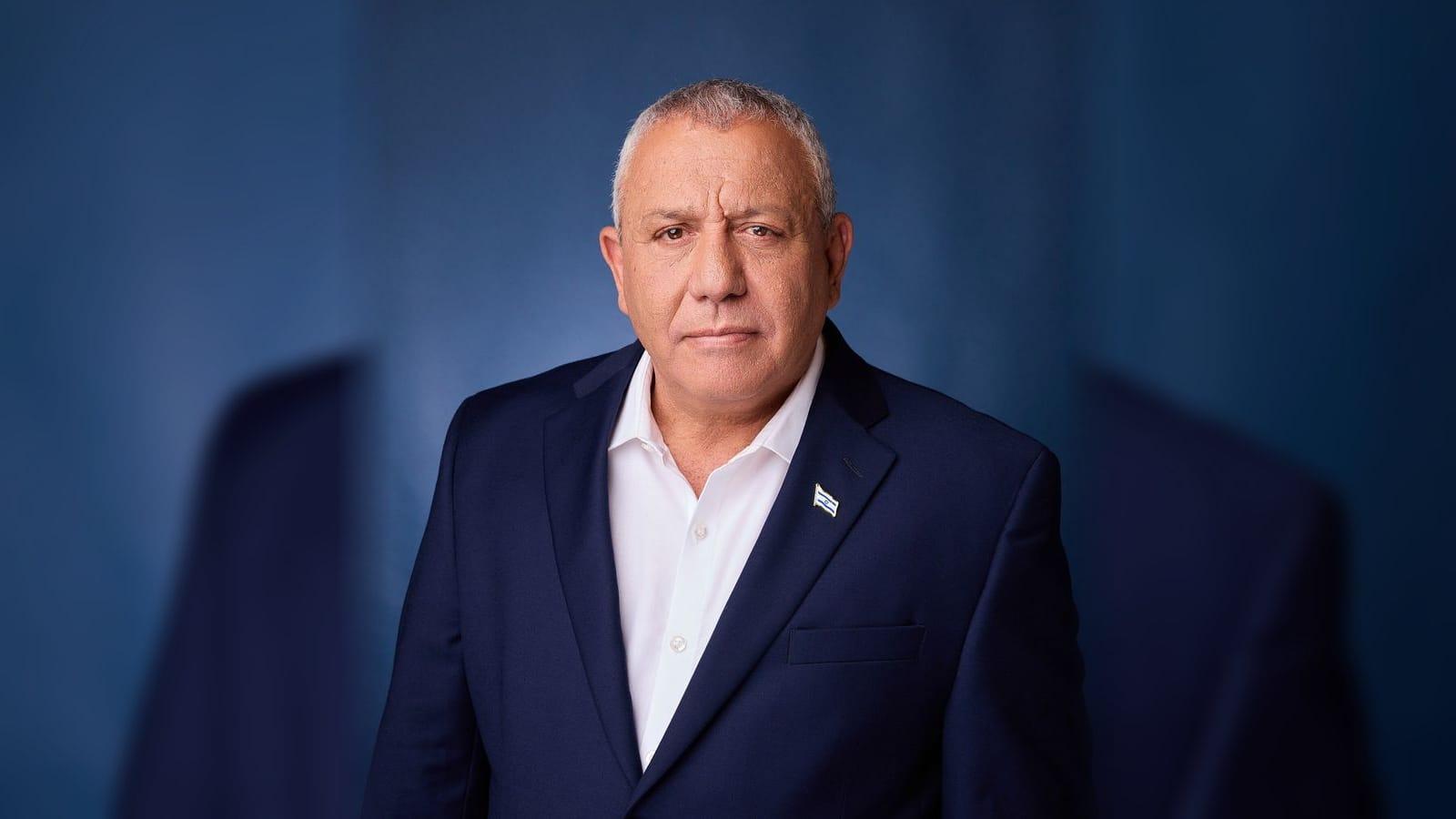
File photo
Elections
Likud accuses Eisenkot of incitement after his response to an Uvda report
Illustration
Elections
Likud seeks one more week to file its appeal against the election results

Illustration
Elections
Elections committee hands Likud scans from about 190 polling stations

File photo
Elections
Yair Golan seeks enforcement against Sara Netanyahu over 2,000 shekels in costs
Sources and further reading
Every link below was opened and checked when this page was written. Official statements are marked as such: they are the subject's own account, not an independent one.
- Reportingyediothynet.co.ilYnet
- Reportingtoitimesofisrael.comThe Times of Israel
How we checked this
The criticism and the decision to pause the bill were reported by both Ynet and The Times of Israel; the families' quoted wording comes from Ynet, and the identification of Eisenkot as the bloc's leader comes from The Times of Israel. We have not seen the families' letter or the bloc's explanation directly.
Our sourcing and corrections policy →The week from Israel, in one email
The stories that mattered, sourced and checked by the Israel.com newsroom. Free, weekly, one-click unsubscribe.
One list, unsubscribe in a click. See our privacy policy.

Israel.com is free, and readers like you keep it that way.
The Israel.com newsroom checks every story against its sources and publishes it free. If this one helped, a contribution of any size keeps the next one free too.
One payment, nothing to sign up for. Another amountGive monthly
Latest

Illustration
File photo
Illustration

Illustration

Illustration

Illustration