Rocket sirens in Nir Oz were a false identification, IDF says
Sirens sounded in the Gaza border kibbutz of Nir Oz on Sunday evening; within minutes the Israeli military said no rocket fire had been identified after all.

AI illustration, not a photo of the events.
Rocket warning sirens went off in Nir Oz, a kibbutz in the area of southern Israel that borders the Gaza Strip, on the evening of 8 November 2026. An alert relayed from Israel's Home Front Command logged the warning at 18:53 local time under the category of rocket and missile fire, gave residents 15 seconds to reach shelter and instructed them to enter a protected space. The relayed Home Front Command alert listed Nir Oz as the only community affected.
Within minutes the military walked the alert back. The Israel Defense Forces (IDF) first said the details were being examined, then stated that the sirens had been determined to be a "false identification", meaning its systems had registered a threat that turned out not to exist. Ynet's alerts channel carried the same IDF conclusion in Hebrew, and the Hebrew outlet News.co.il described the episode as a false alarm. No rocket launch, impact or interception was reported by any of the organisations covering the event.
What the sources posted

Sirens warning of rocket fire sound in the Gaza border community of Nir Oz. The IDF says it is investigating the cause.
How the alert unfolded
The timeline across the reports is short. The Home Front Command relay recorded the warning at 18:53 and an all-clear at 18:55, telling people sheltering in protected spaces that they could leave and reminding them to follow official instructions if another alert came. Ynet's channel likewise reported the Home Front Command's announcement that the event in Nir Oz had ended.
Emanuel Fabian, military correspondent for The Times of Israel, reported on X that the sirens had sounded in the border community and that the IDF was looking into the cause. News.co.il issued an initial bulletin that a siren had been heard in the kibbutz, followed shortly by an update calling it a false alarm. The IDF's own determination of a false identification came a few minutes after its first statement.
What the Home Front Command does
The Home Front Command is the branch of the IDF responsible for protecting civilians inside Israel. It operates the national siren and alert network, issues instructions to the public during emergencies and decides when residents may leave shelter. Its alerts are pushed to phones, apps and public sirens, and are widely mirrored on messaging channels such as the relay quoted in this report.
Israel's week in five stories, every Friday
Sourced and checked by the Israel.com newsroom, with Shabbat times. Free, one-click unsubscribe.
One list, unsubscribe in a click. See our privacy policy.
Each alert names the region and the specific communities affected, along with the amount of time residents have to reach cover. That window depends on how close a community is to the likely source of fire. In Nir Oz's case the alert allowed 15 seconds, reflecting its location immediately beside the Gaza Strip.
The Gaza border area and protected spaces
The alert placed Nir Oz in the region the Home Front Command calls Otef Aza, a Hebrew term usually translated as the "Gaza envelope" or Gaza border area. It refers to the cluster of kibbutzim, villages and towns in southern Israel that lie closest to the Gaza Strip and have the least warning time when sirens sound.
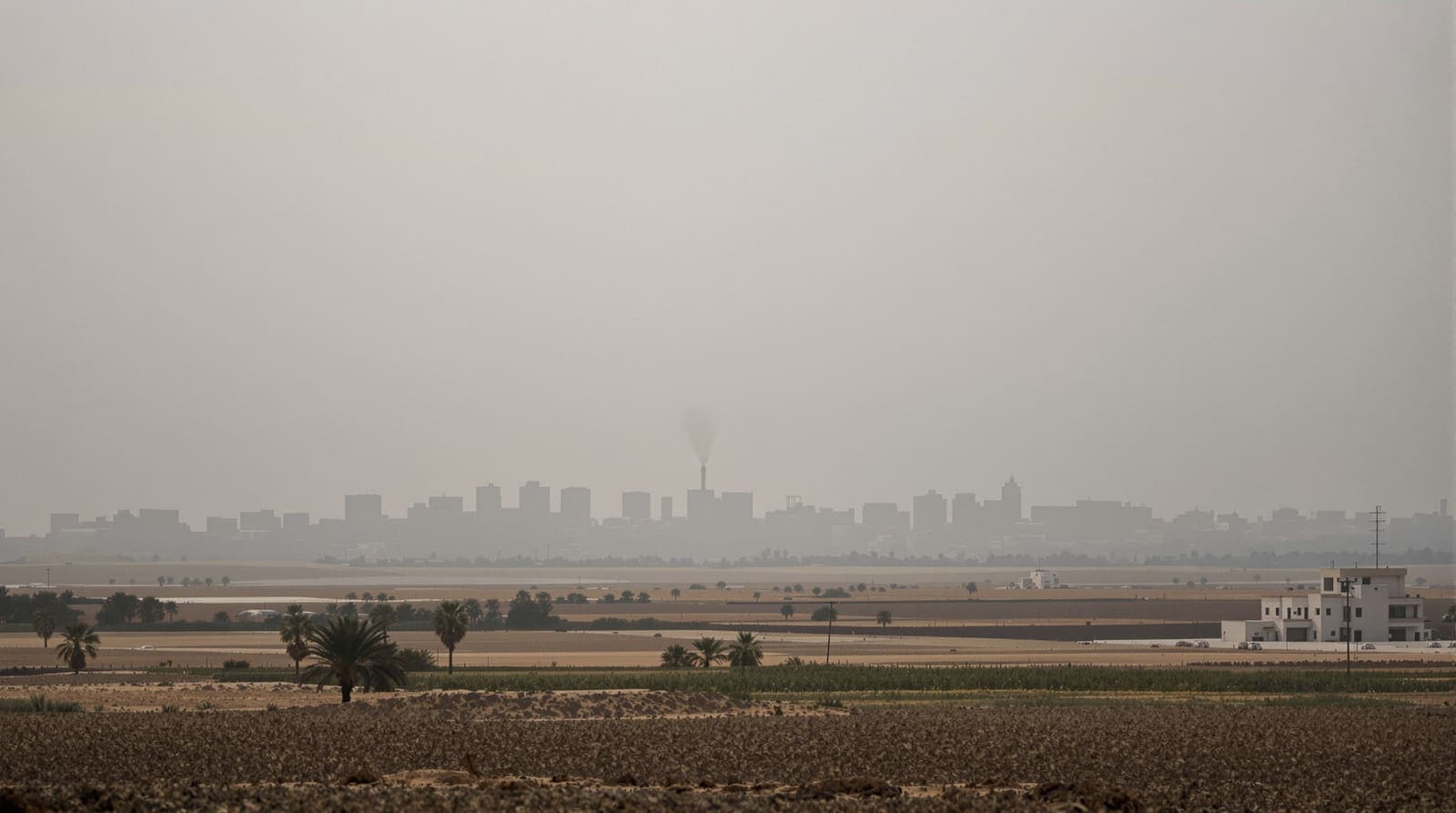
Illustration
Next story Security
IDF says Gaza strikes killed two Nukhba members, one linked to Nir Oz raid
A kibbutz is a collective community, traditionally agricultural, of a kind found across Israel and especially common in this border region. The "protected space" named in the alert, in Hebrew a merhav mugan, is a reinforced room or shelter, often built into homes and public buildings, where residents are told to go when a siren sounds and to remain until the Home Front Command announces that the event is over.
What a false identification means
Israel's alert system is triggered automatically when detection systems register what appears to be incoming fire, so that residents get every available second of warning. The trade-off is that sirens can occasionally sound when no launch has taken place. In such cases the IDF typically reviews the data and then announces whether the alert reflected real fire or a misidentification, which is the sequence the reports describe here: an initial statement that the matter was under review, followed by the finding that it was a false identification.
What the reports do not say
None of the reports explains what caused the system to register a threat, whether a technical fault or something detected in the air, and the IDF has not said whether the incident will be examined further. No organisation reported on how residents of Nir Oz responded or whether any interceptor was launched.
Read next
All security →
Illustration
Security
IDF names three Nukhba members killed in Gaza, including Nir Oz abductor

Illustration
Security
Britain leads a 50-country statement pressing Israel on Gaza aid access

File photo
Security
Trump says new war with Iran is unlikely if Tehran signs a strong deal
Illustration
Security
IDF lists weapons found near UN posts in two southern Lebanon villages
Sources and further reading
Every link below was opened and checked when this page was written. Official statements are marked as such: they are the subject's own account, not an independent one.
- Officialidft.meIDF spokesperson
- Officialidft.meIDF spokesperson
- Reportingyediotht.meYnet alerts
- Reportingyediotht.meYnet alerts
- Reportingtoit.meEmanuel Fabian, Times of Israel military correspondent
- Reportingtoit.meEmanuel Fabian, Times of Israel military correspondent
- Reportingoref-relayt.meHome Front Command alerts (relay)
- Reportingoref-relayt.meHome Front Command alerts (relay)
- Reportingnewssilt.meNews.co.il
- Reportingnewssilt.meNews.co.il
- Reportingtoix.comEmanuel Fabian on X
How we checked this
The siren and its quick end were reported by the Home Front Command alert relay, the IDF spokesperson, Ynet, News.co.il and Times of Israel correspondent Emanuel Fabian. The finding of a false identification comes from the IDF and was relayed by Ynet; we have not independently verified the cause.
Our sourcing and corrections policy →The week from Israel, in one email
The stories that mattered, sourced and checked by the Israel.com newsroom. Free, weekly, one-click unsubscribe.
One list, unsubscribe in a click. See our privacy policy.
Latest

File photo

File photo

File photo

File photo

File photo

File photo