Shin Bet has not backed Zini's election interference claims, officials tell Haaretz
Senior law enforcement officials say the security service has produced no evidence of foreign meddling in Israel's election, despite its chief's claims about Qatar.

David Zini. File photo by IDF Spokesperson's Unit photographer, CC BY-SA 3.0, via Wikimedia Commons.
Israel's domestic security service, the Shin Bet, has so far produced no evidence to support suspicions that a foreign power interfered in the country's recent election, Haaretz reported, citing senior law enforcement officials who had been briefed on a joint investigation by the Shin Bet and the Israel Police. The report was written by Haaretz correspondent Josh Breiner.
The findings cut against claims associated with the agency's own director, David Zini. According to The Times of Israel, which followed up on the Haaretz story, one official told Haaretz the affair was plainly not a security matter and that it was very doubtful any crime had been committed. The Times of Israel headlined its account with the observation that only Zini still has faith in the probe.
On the ground

Shin Bet's Zini removed critics, tapped ally to head election interference probe haaretz.com/israel-news/is…
What Zini has been reported to allege
Zini has been the driving force behind the investigation. The Times of Israel noted that he has been reported to claim that a foreign power may have channelled as much as NIS 100 million into the campaign to help Arab parties. That foreign power has been widely reported to be Qatar. The NIS is the new Israeli shekel, the national currency; The Times of Israel put the sum at around $35 million.
The allegation, as reported, did not come from a formal finding or court proceeding. It is attributed to Zini through earlier reporting, and neither outlet quoted a public statement from him setting out the evidence.
What investigators are actually examining
According to Haaretz, as relayed by The Times of Israel, the scope of the live inquiry is far narrower than the figure attributed to Zini. Investigators are said to be checking whether Arab parties may have received money, in a sum put at a few hundred thousand shekels at most. The suspected source in that strand is not a foreign state at all but the Palestinian Authority, the body that administers parts of the West Bank.
Israel's week in five stories, every Friday
Sourced and checked by the Israel.com newsroom, with Shabbat times. Free, one-click unsubscribe.
One list, unsubscribe in a click. See our privacy policy.
Even on that smaller allegation, Haaretz reported that no supporting evidence has emerged, although dozens of people have been questioned.
The Shin Bet and its role
The Shin Bet, also known as the Israel Security Agency, is responsible for internal security, counterterrorism and counterintelligence inside Israel. It does not normally lead investigations into campaign finance, which is why the official's remark that the case is not a security matter carries weight: it suggests that, in the view of some senior law enforcement figures, the inquiry falls outside the agency's core remit. In this case the agency has been working alongside the police in a joint probe.

File photo
Next story Security
Zini and attorney general agree truce as criticism of Shin Bet probe widens
Haaretz's coverage tags the story under topics including Arab Israelis and the Attorney General of Israel, the government's chief legal adviser, though the reports provided do not describe any specific role the Attorney General has played in the investigation.
Political stakes
The question has become politically charged. The Times of Israel reported that the investigation has prompted Likud, the party of Prime Minister Benjamin Netanyahu, and far-right parties to assert that the election was stolen, a claim the paper said they have made without supporting evidence.
Arab parties represent Israel's Arab citizens, who make up a substantial minority of the electorate. Allegations that their campaigns were funded from abroad touch on long-running disputes over the place of those parties in Israeli politics and in coalition arithmetic.
Where the reports agree and differ
Both organisations rely on the same underlying reporting: The Times of Israel's accounts explicitly cite Haaretz and its unnamed senior law enforcement sources. There is therefore one original line of reporting here rather than two independent ones. The main contrast in the material is between the scale of interference Zini has been reported to suggest and the much smaller, unproven transfer that investigators are said to be examining.
What the reports do not say
None of the reports includes a response from Zini or the Shin Bet to the officials' account, and none says whether the joint investigation will be closed, narrowed or continued. The officials who spoke to Haaretz are not named, and no reaction from the Palestinian Authority, Qatar or the Arab parties concerned has been reported.
Read next
All security →
File photo
Security
Joint List accuses Shin Bet chief Zini of serving Netanyahu over reported probe
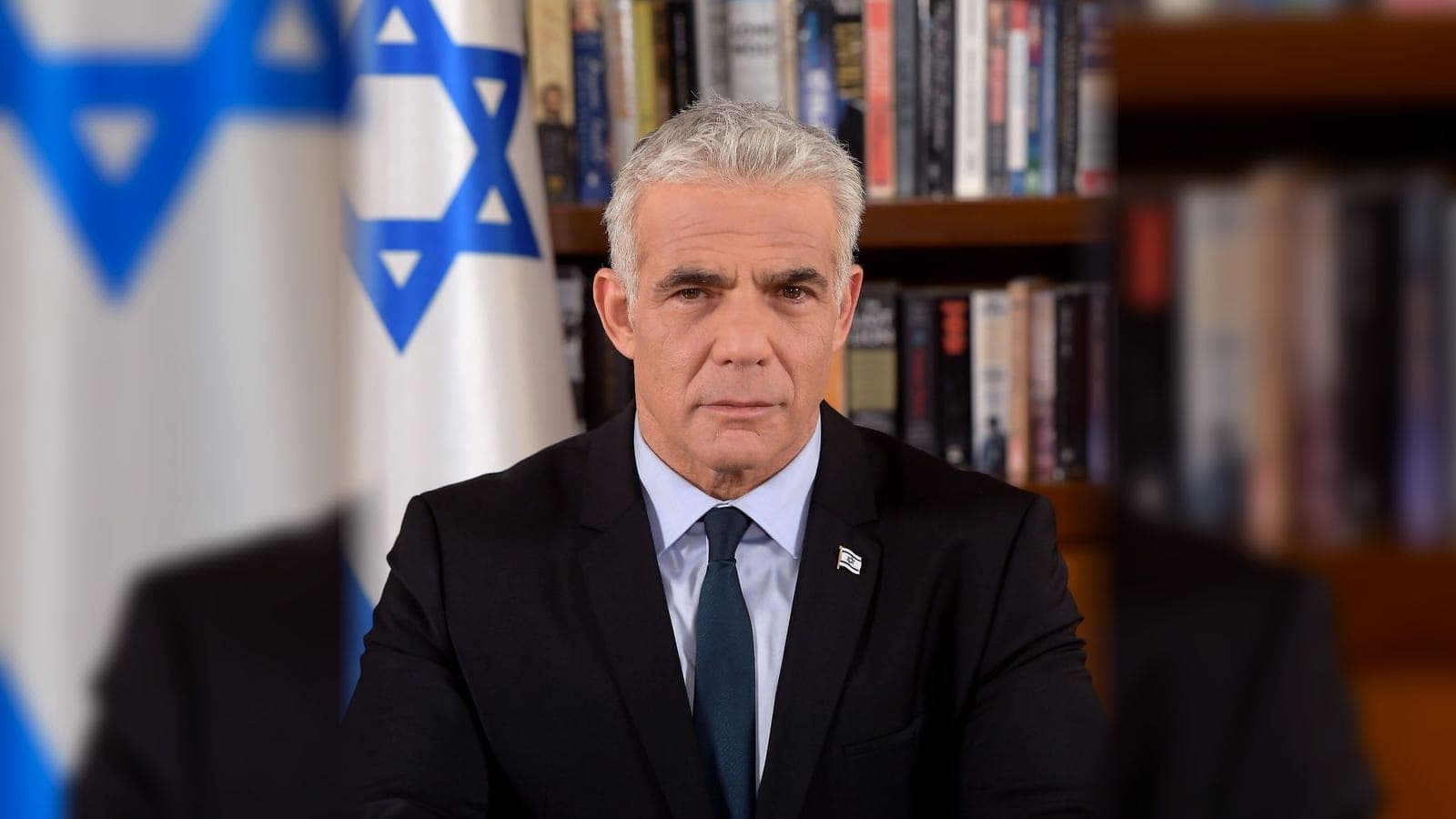
File photo
Security
Lapid says Knesset can be sworn in after meeting Shin Bet chief David Zini

Illustration
Security
Shin Bet head Zini says elections safe as turnout rises, urges it be protected

Illustration
Security
Shin Bet asked Arab journalist Abed Abu Shehadeh about Arab voter turnout
Sources and further reading
Every link below was opened and checked when this page was written. Official statements are marked as such: they are the subject's own account, not an independent one.
- Reportingtoitimesofisrael.comThe Times of Israel
- Reportinghaaretzhaaretz.comHaaretz
- Reportingtoitimesofisrael.comThe Times of Israel
How we checked this
The account originates with Haaretz, citing unnamed senior law enforcement officials; The Times of Israel's reports relay and cite that same Haaretz reporting. The claims attributed to David Zini come from earlier reporting and have not been independently confirmed here.
Our sourcing and corrections policy →The week from Israel, in one email
The stories that mattered, sourced and checked by the Israel.com newsroom. Free, weekly, one-click unsubscribe.
One list, unsubscribe in a click. See our privacy policy.
Latest
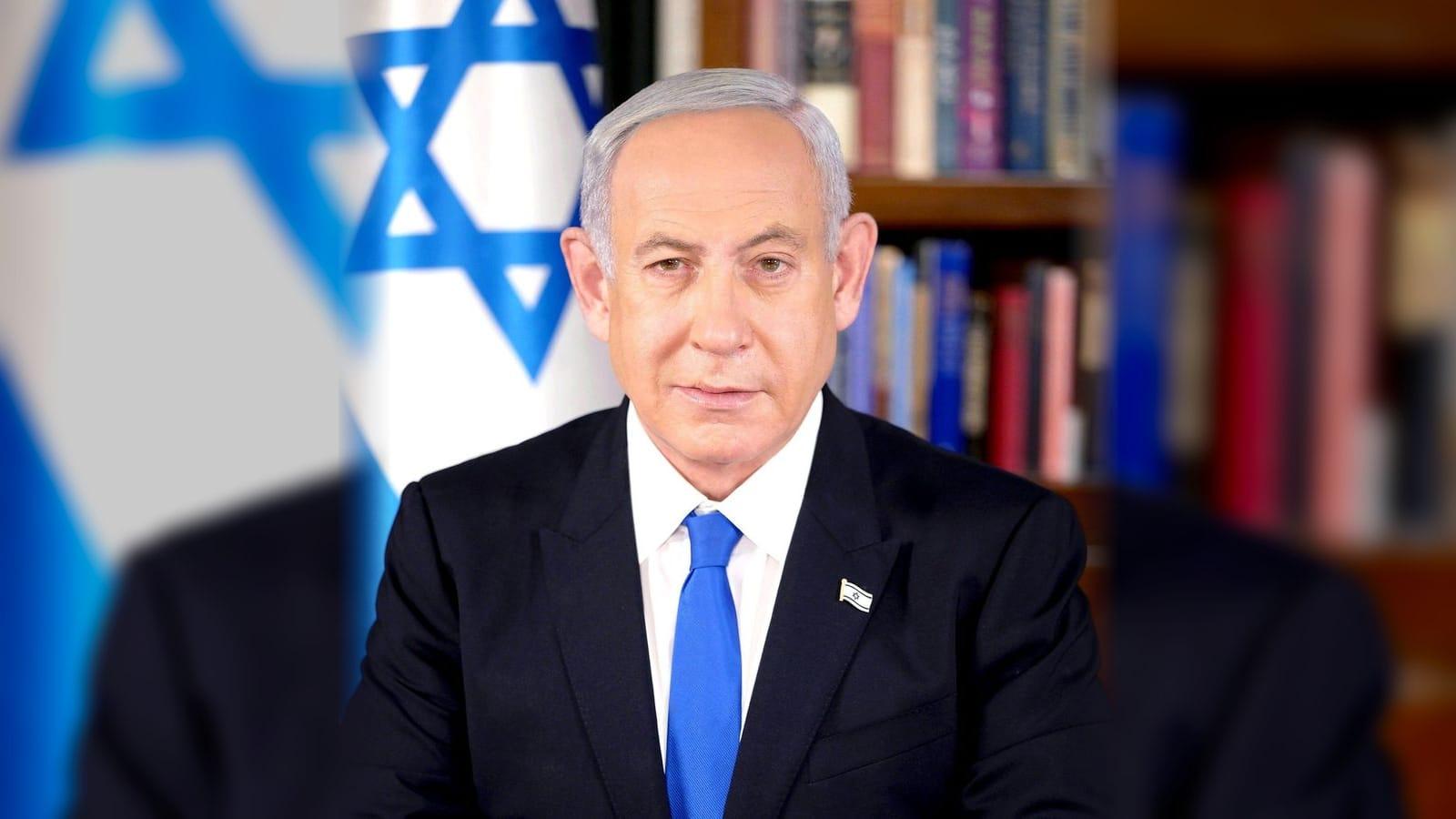
File photo
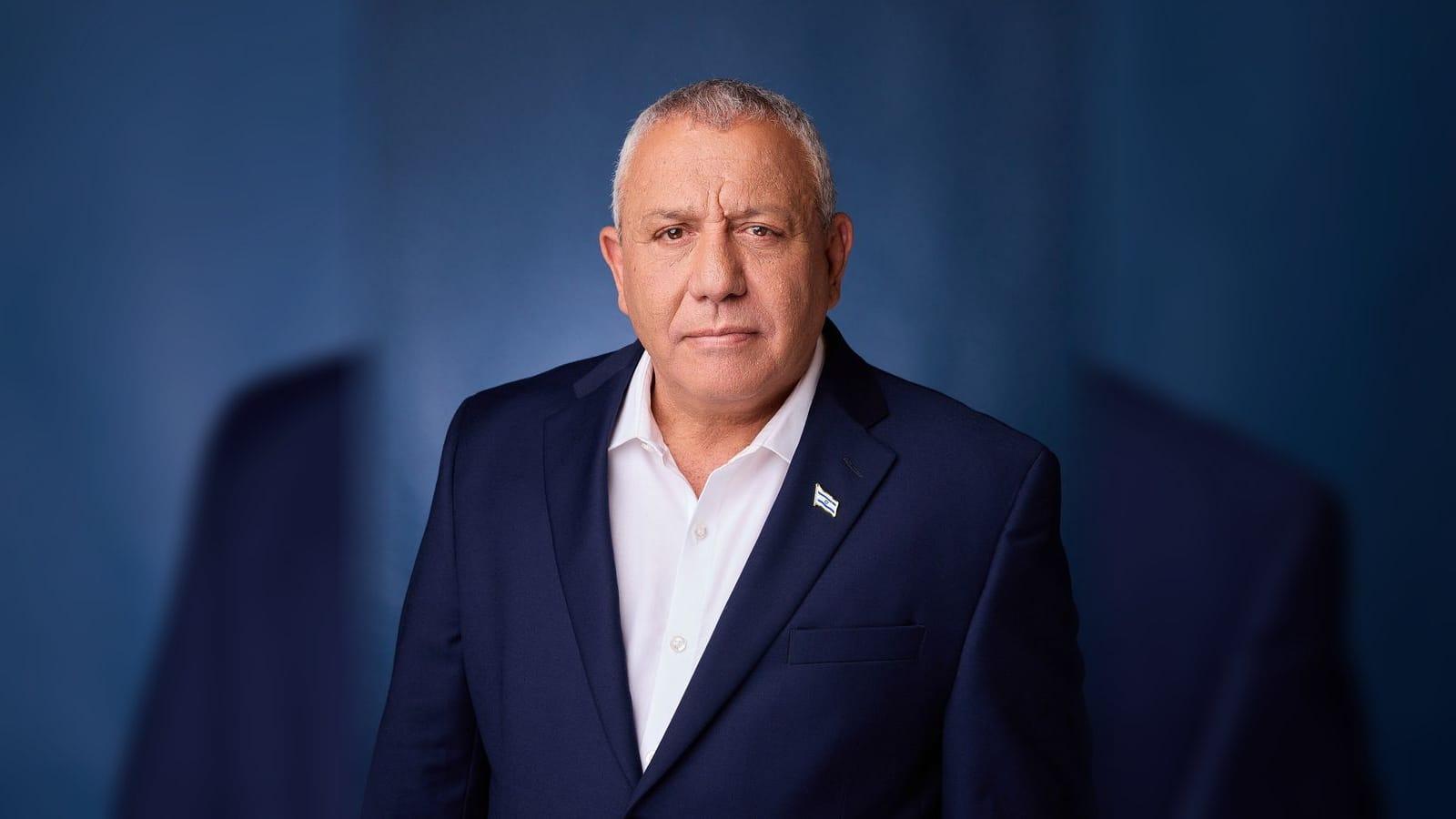
File photo

Illustration

Illustration
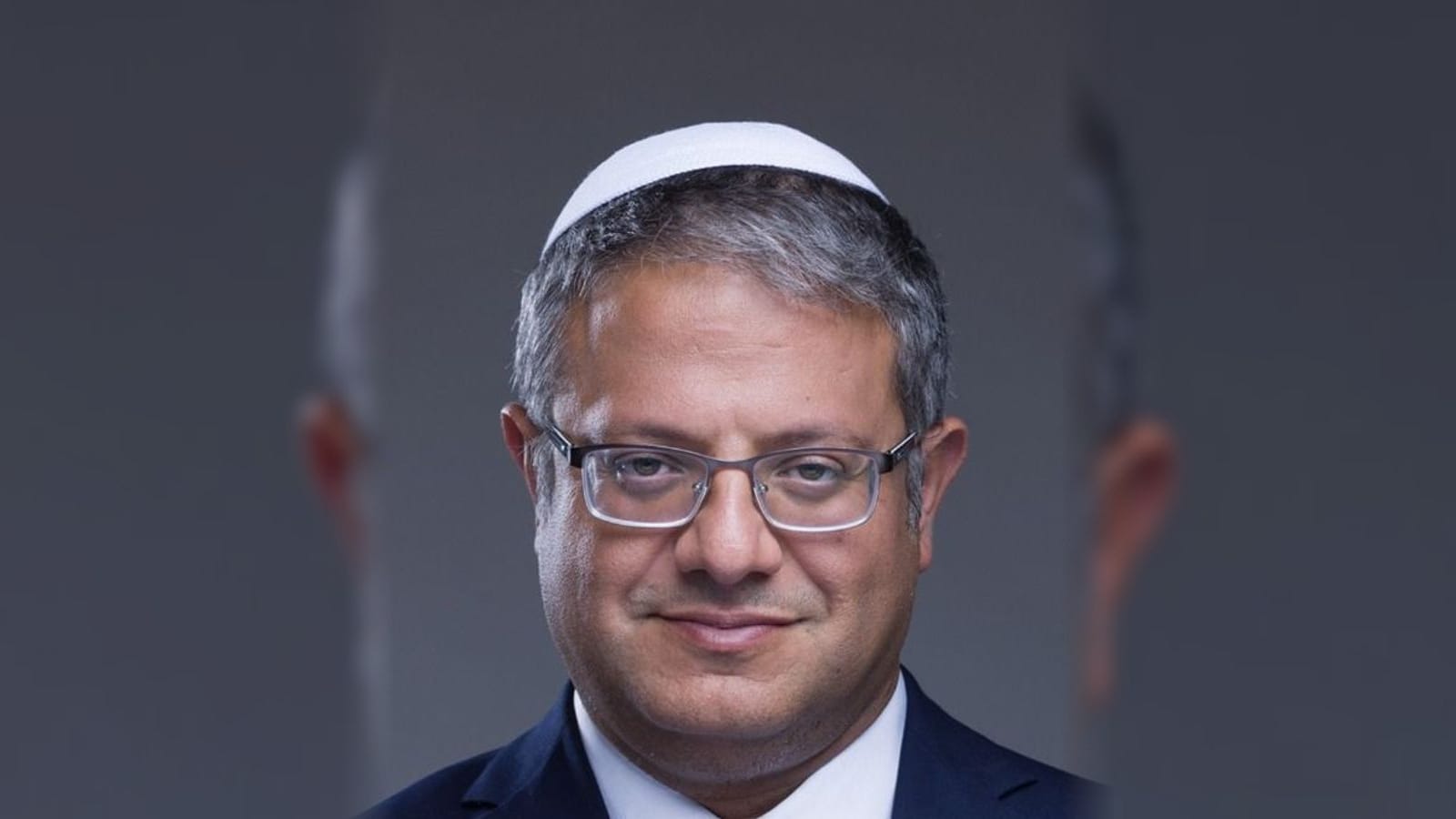
File photo