IDF says rocket sirens in Nahal Oz near Gaza border were a false alarm
The army concluded that the overnight rocket alert in the Gaza border kibbutz of Nahal Oz was caused by a false identification, not an actual launch.
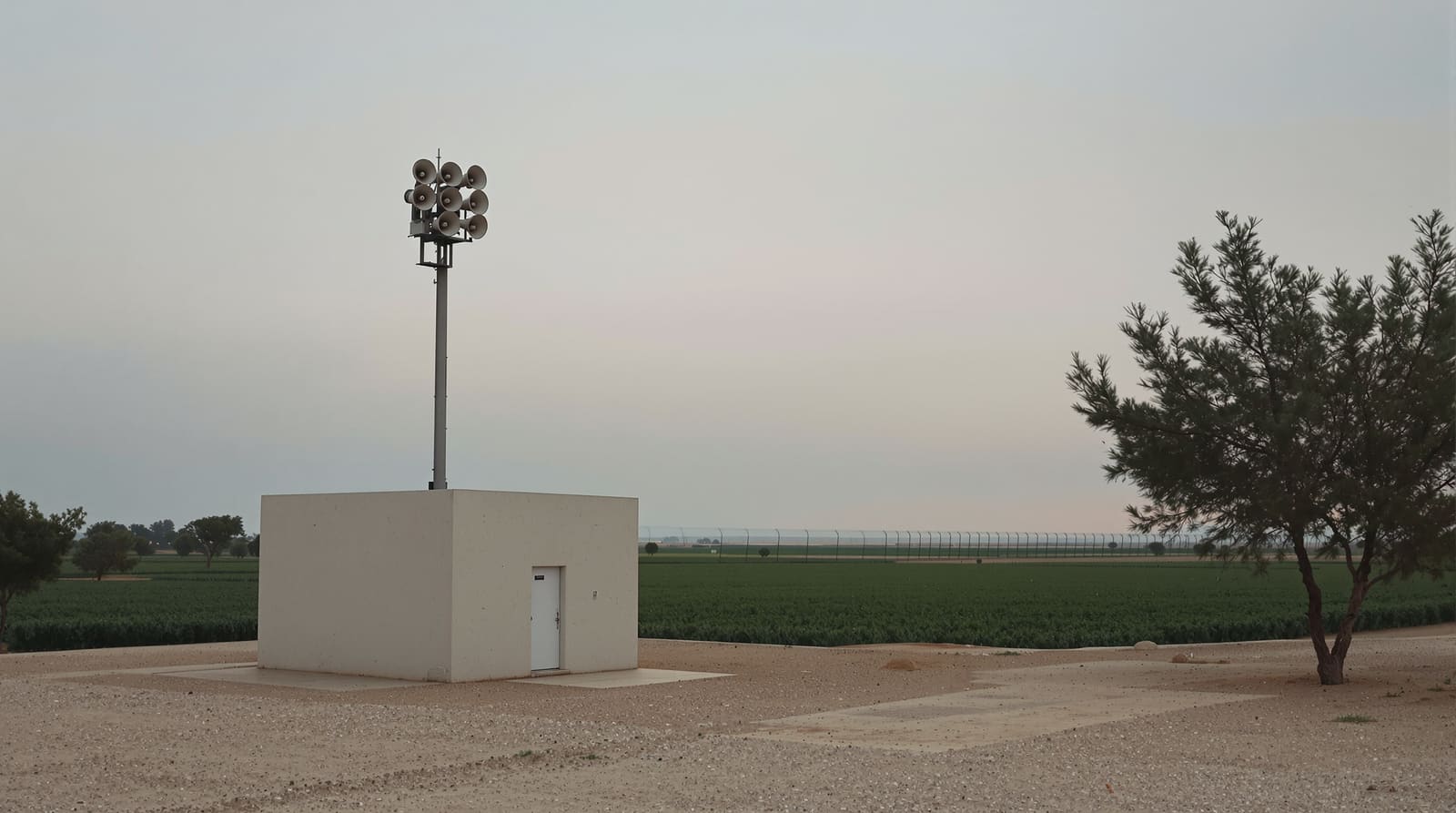
AI illustration, not a photo of the events.
One update since publication
- The IDF says its review found the Nahal Oz sirens were triggered by a false identification, not a launch.The article said the IDF had not given its own conclusion on the alert; the IDF now says it was a false identification.
This story is being added to as it develops. Earlier text is kept below the updates rather than rewritten, so what this page said at each point is still on it.
Update, 13 November, 04:07 Israel time
The IDF has concluded that the rocket sirens in Nahal Oz were not set off by a real launch. In a follow-up notice, the IDF spokesperson said the review of the alert in the Nahal Oz area found it had been a false identification. That settles the question the army's first notice left open, and it matches the earlier assessment by FDD analyst Joe Truzman.
Hebrew-language outlets carried the same finding within minutes. N12 reported the army spokesperson as saying the alerts in the Nahal Oz area were false sirens. Ynet's alerts channel, citing the spokesperson, attributed the sirens to a false identification and described their location more broadly as the Gaza envelope. The Times of Israel also reported that the army now calls the overnight alert in the border town a false alarm.
The IDF notice did not say what the detection systems had registered, and none of the new reports mention a launch, an interception, injuries or damage.
The story as first reported
Rocket warning sirens sounded overnight in Nahal Oz, an Israeli community beside the Gaza Strip, and the Israel Defense Forces (IDF) said it was examining what had set them off. In an initial notice, the IDF spokesperson said sirens had sounded in the Nahal Oz area and that the details were under review. The Times of Israel reported that the army was checking the trigger for the alert in the border town, which it spelled Nachal Oz.
The alert itself was issued at 2:56 local time, according to a relay of Home Front Command notifications, and classified the threat as rocket and missile fire. A follow-up notice from the same relay at 3:00 declared the incident over and told residents they could leave their protected rooms. Joe Truzman, an analyst with the Foundation for Defense of Democracies (FDD), wrote on X that the rocket alert in southern Israel was likely a false alarm. The IDF had not, in the material available, given its own conclusion.
Israel's week in five stories, every Friday
Sourced and checked by the Israel.com newsroom, with Shabbat times. Free, one-click unsubscribe.
One list, unsubscribe in a click. See our privacy policy.
Where Nahal Oz is
Nahal Oz is a kibbutz, a collective agricultural community, sitting close to the boundary with the Gaza Strip. It lies within the area Israelis call Otef Aza, often translated as the Gaza envelope or Gaza periphery: the band of towns, kibbutzim and villages in southern Israel that border the territory. Because of that proximity, residents there have the least time of anyone in the country to reach shelter when a launch is detected.
The kibbutz is widely known abroad as one of the communities hit hardest in the Hamas-led attack on southern Israel that opened the war in Gaza. That history is part of why any alert in the area draws immediate attention from residents, the army and the media.
How Israel's alert system works
The Home Front Command is the IDF branch responsible for civil defence inside Israel. It runs the national warning system that sounds sirens and sends phone alerts when the military's sensors identify incoming fire, and it issues the instructions civilians are expected to follow. Alerts are targeted to specific communities rather than whole regions, which is why the notice named Nahal Oz alone.

Illustration
Next story Security
IDF forms drone and robotics strike battalions in Golani and Nahal brigades
Each alert carries a time-to-shelter figure tied to the location. For Nahal Oz, the notice gave residents 15 seconds to get inside. It instructed them to enter the merhav mugan, the Hebrew term for a protected space. In practice this usually means a reinforced room built into a home or apartment, known by the acronym mamad, or a nearby public shelter. Once the Home Front Command judges the threat has passed, it sends a second message saying the event has ended, as it did here, and reminds the public to keep following its guidance whenever a new alert or instruction arrives.
False alarms and how the army handles them
Sirens in Israel are triggered automatically by detection systems, and not every activation turns out to be a real launch. Sensors can register something that is later judged not to be a threat, and the army then reviews the data to establish what happened. The IDF's standard first notice after an unexplained alert, saying that sirens sounded and the details are being examined, is the wording it used in this case.
Truzman, whose post was the only one among the reports to characterise the alert, described it as likely a false alarm. He did not say in the post what that assessment was based on. The IDF and the Home Front Command, in the notices available, did not use the phrase false alarm, nor did they report a launch, an interception or an impact.
Wider background
The alert came during a period of ongoing international attention on Gaza. The same Times of Israel live blog that carried the siren report also noted that the United Kingdom, Qatar and Jordan were leading dozens of countries in calling on Israel to allow more winter supplies into the Strip. None of the reports linked that diplomatic pressure to the alert in Nahal Oz, and there is nothing in the material connecting the two.
What the reports do not say
The IDF has not, in any of the material, published the result of its review, so it remains unconfirmed whether a projectile was fired from Gaza or whether the system was set off by something else. The characterisation of the incident as a false alarm comes from a single analyst and has not been confirmed by the army. None of the reports mention injuries or damage, and none say whether any interceptor was launched.
Read next
All security →
Illustration
Security
IDF says 91,000 tents reached Gaza; Board of Peace says Israel must do more

File photo
Security
IDF chief Zamir tours Jordan border, tells troops to expect surprise on all fronts

File photo
Security
IDF chief Zamir again resists Netanyahu's proposed Iran moves, Channel 12 says

Illustration
Security
IDF holds military drill in the Galilee and near Beersheba until Wednesday evening
Sources and further reading
Every link below was opened and checked when this page was written. Official statements are marked as such: they are the subject's own account, not an independent one.
- Officialidft.meIDF spokesperson
- Officialidft.meIDF spokesperson
- Reportingtoitimesofisrael.comThe Times of Israel
- Reportingoref-relayt.meHome Front Command alerts (relay)
- Reportingoref-relayt.meHome Front Command alerts (relay)
- Reportingfddx.comJoe Truzman, FDD
- Reportingyediotht.meYnet alerts
- Reportingtoitimesofisrael.comThe Times of Israel
- Reportingkeshett.meN12
How we checked this
The false alarm finding comes from the IDF spokesperson and was relayed by N12, Ynet and The Times of Israel. The army has not said what its sensors detected.
Our sourcing and corrections policy →The week from Israel, in one email
The stories that mattered, sourced and checked by the Israel.com newsroom. Free, weekly, one-click unsubscribe.
One list, unsubscribe in a click. See our privacy policy.
Latest

Illustration

File photo

File photo

Illustration

Illustration

File photo