Trump tells 60 Minutes that hostility to Israel cost Republicans votes
In a television interview after the US midterms, Donald Trump linked his party's losses to the Iran war, fuel prices and voters' feelings about Israel.
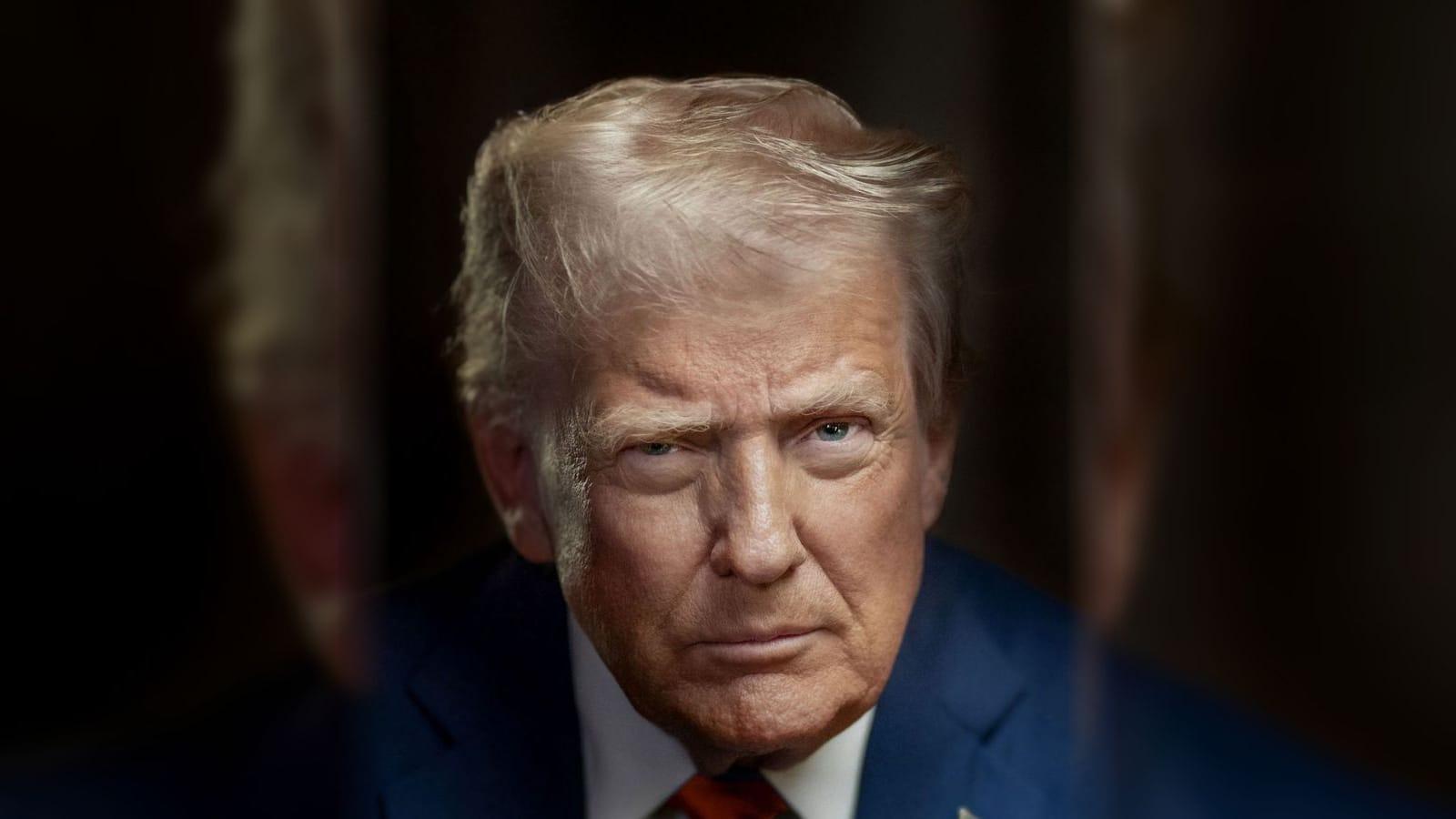
Donald Trump. File photo by Daniel Torok, public domain, via Wikimedia Commons.
US President Donald Trump has named voter hostility toward Israel as one of the reasons his Republican Party lost ground in the American midterm elections, in an interview with the US programme 60 Minutes that aired overnight into Monday, Israeli time. The Jerusalem Post reported that Trump presented dislike of Israel as a key factor in the losses, placing it next to the war with Iran.
According to Hebrew-language accounts of the broadcast, Trump said voters had not liked the war, had not liked the rise in fuel prices, and that there was also strong hostility toward Israel, which he described as surprising. Ynet reported that Trump also said Israel would not exist without the United States, and that the countries Washington had defended would pay back all of the costs of the war. In the same interview, according to Ynet, he spoke for the first time about the decision in Israel to hand the mandate to form a government to Eisenkot, saying the two men were alike in their policies and positions.
What Trump said about Eisenkot and Netanyahu
Ynet noted that Trump had backed Prime Minister Benjamin Netanyahu during Israel's election campaign. Asked about Eisenkot, Trump said that Eisenkot had told him he loves him, and that he and Netanyahu hold similar views, Ynet reported. Israeli journalist Amit Segal, summarising the interview on his Telegram channel, gave Trump's view as being that Eisenkot and Netanyahu are fairly similar in their opinions, and rendered the midterm remark as Republicans having lost partly because of a strong aversion to Israel.
For readers outside Israel: after a general election, Israel's president consults the parties elected to the Knesset, Israel's parliament, and then gives one member the task of trying to assemble a governing coalition. That assignment is commonly called the mandate. The reports describe the mandate as having gone to Eisenkot; they do not give further detail on the coalition talks.
Iran and the cabinet
The Abu Ali Express Telegram channel, which posted a Hebrew transcript of parts of the interview, quoted Trump as saying he was not interested in escalating the war with Iran now that the midterms were over, and that he saw no reason to do so. The same channel reported that Trump said he liked the members of his cabinet and thought they were good, but that he might make some changes. The excerpt published by the channel was cut off before the next question was fully shown.
Get an email the day Israel has a new government.
Coalition talks can take weeks. When a government is sworn in, Israel.com's newsroom emails who leads it, which parties are in and who got which ministry, then the Friday email each week. Free, and one click unsubscribes.
One list, unsubscribe in a click. See our privacy policy.
The midterms in context
Midterm elections in the United States take place halfway through a president's four-year term and decide control of Congress. They are often read as a verdict on the sitting president. The Jerusalem Post characterised the outcome as Republican losses; none of the reports supplied here give seat totals or results for individual races, and this article does not attempt to describe the scale of the defeat.
Trump's remarks are notable for an Israeli audience because they come from a president who has positioned himself as a strong ally of Israel, and who, by Ynet's account, publicly favoured Netanyahu in Israel's own vote. Linking his party's electoral performance to American attitudes toward Israel, while also saying the countries the US defended should cover the war's costs, sets out a view of the relationship framed around what the United States has spent.
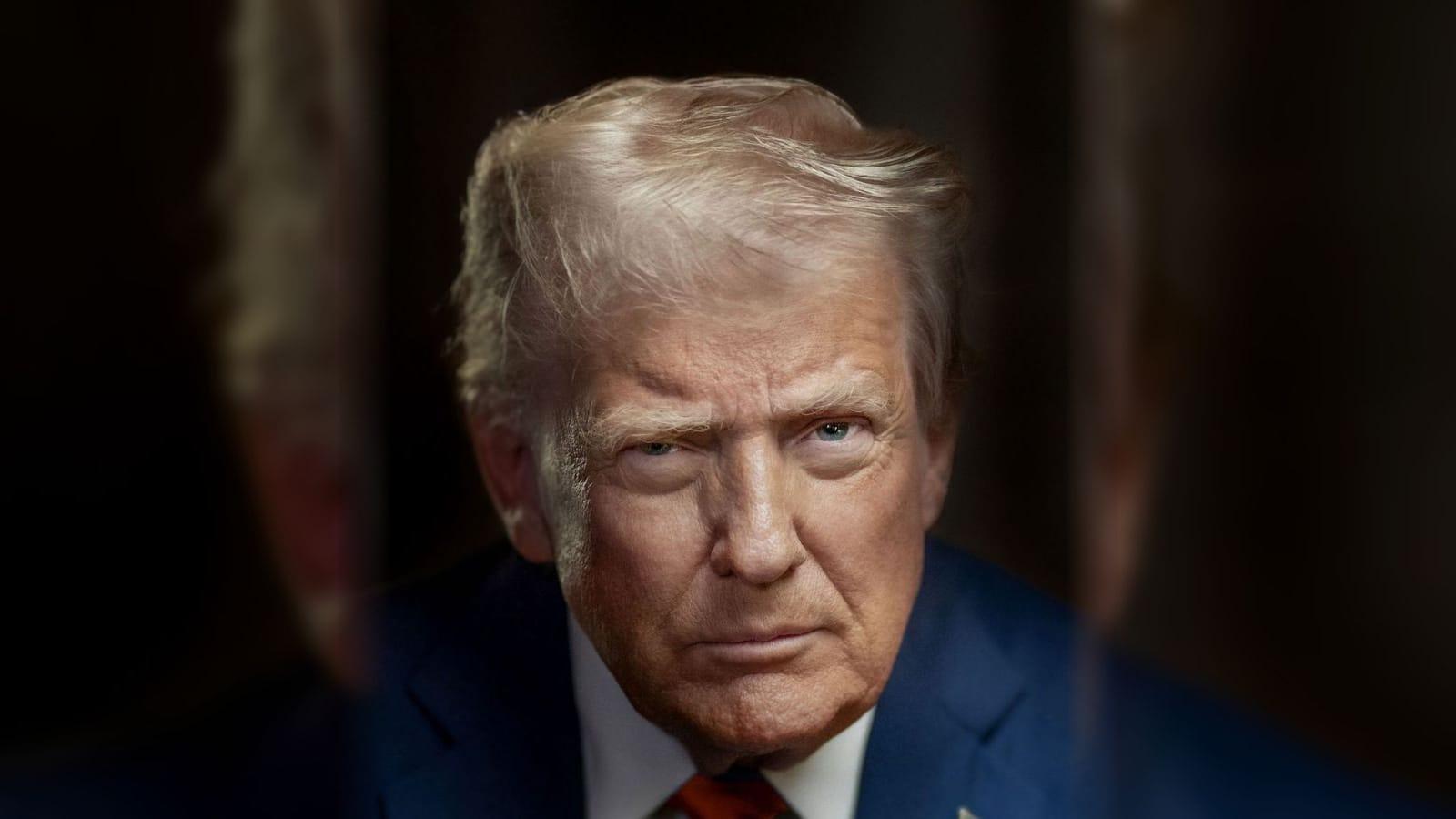
File photo
Next story Security
Trump says Vance was right that Iran war cost Republicans the midterms
A note on the wording
The interview was conducted in English, but most of the reports available to us are in Hebrew. The word used to describe how voters feel about Israel differs between them: Ynet and Segal used a term closer to "aversion" or "distaste", while Abu Ali Express used one closer to "hostility". The Jerusalem Post, writing in English, used "dislike". The quotations in this article are therefore paraphrased rather than presented as Trump's exact English words.
What the reports do not say
The reports do not include any response from the Israeli government, from Netanyahu or from Eisenkot to Trump's comments. They do not say which countries Trump expects to repay the costs of the war, how much he has in mind, or how such repayment would work. They offer no polling or other evidence for the claim that views of Israel affected the vote, which rests on Trump's own assessment. Nor do they say which cabinet changes, if any, he is considering.
Read next
All elections →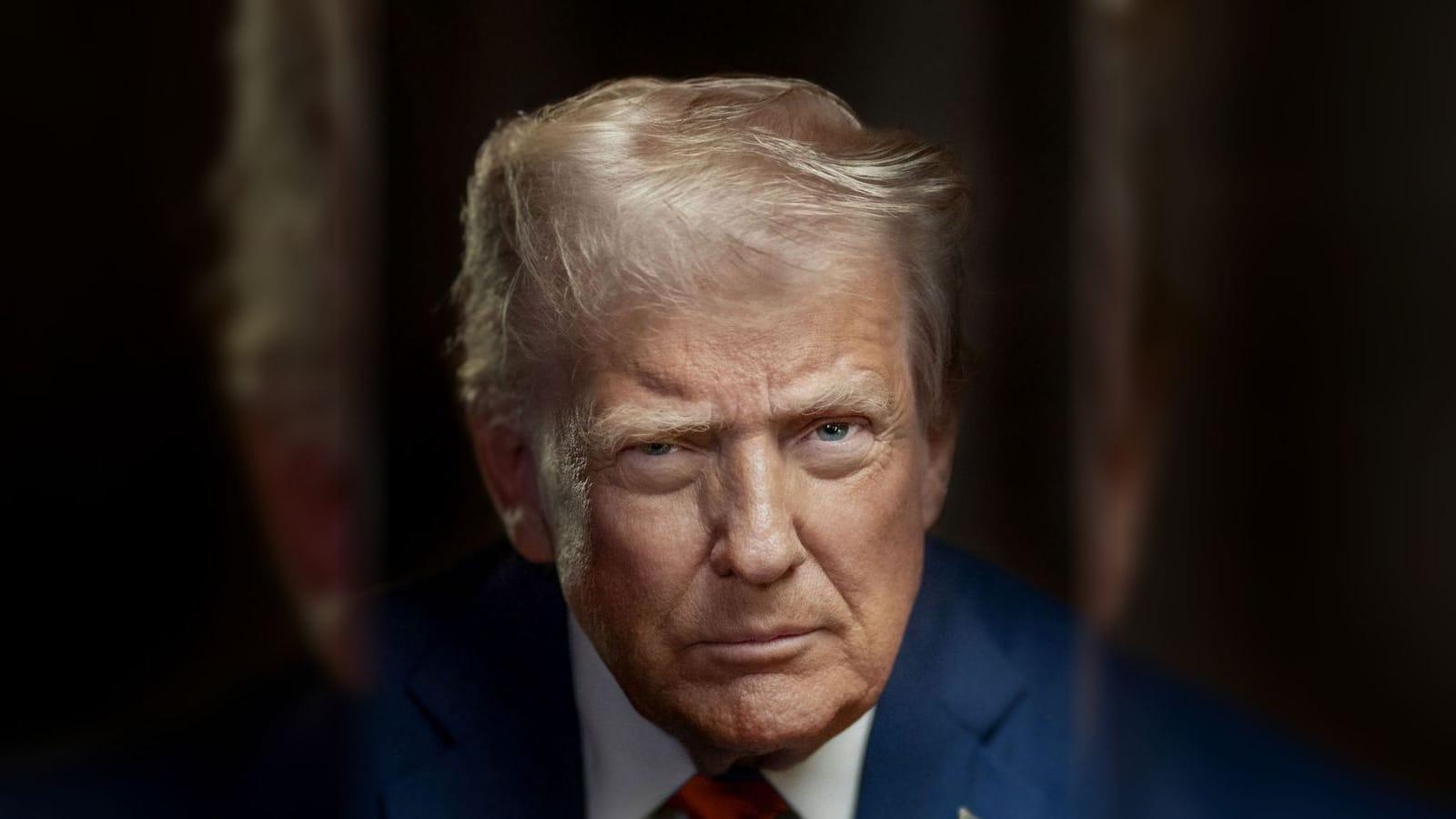
File photo
Energy
Trump links Republican midterm defeat to war, fuel prices and views on Israel

File photo
Elections
Yair Golan tells Liberman to go form a government with Netanyahu
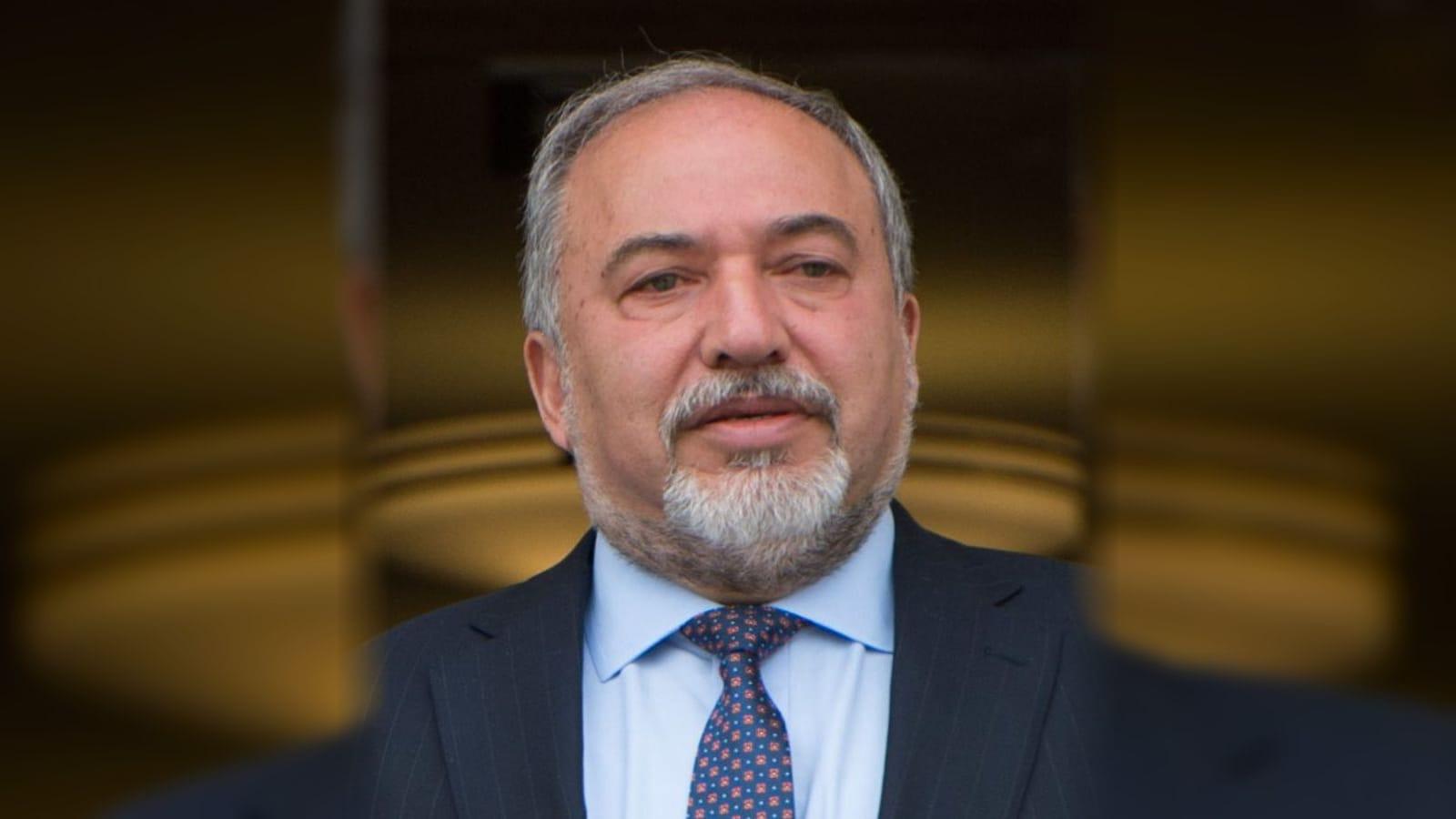
File photo
Elections
Liberman tells Eisenkot camp a minority government would hand Netanyahu a win

Illustration
Elections
Attorney General says no evidence foreign interference could alter Israel's election
Sources and further reading
Every link below was opened and checked when this page was written. Official statements are marked as such: they are the subject's own account, not an independent one.
- Reportingyediothynet.co.ilYnet
- Reportingjpostjpost.comThe Jerusalem Post
- Reportingamitsegalt.meAmit Segal
- Reportingabualiexpresst.meAbu Ali Express
- Reportingabualiexpresst.meAbu Ali Express
How we checked this
The interview remarks were reported by Ynet, The Jerusalem Post, journalist Amit Segal and the Abu Ali Express channel; we have not seen the broadcast itself. The repayment comment is attributed to Ynet alone, and the Iran and cabinet remarks to Abu Ali Express alone.
Our sourcing and corrections policy →The week from Israel, in one email
The stories that mattered, sourced and checked by the Israel.com newsroom. Free, weekly, one-click unsubscribe.
One list, unsubscribe in a click. See our privacy policy.

Israel.com is free, and readers like you keep it that way.
The Israel.com newsroom checks every story against its sources and publishes it free. If this one helped, a contribution of any size keeps the next one free too.
One payment, nothing to sign up for. Another amountGive monthly
Latest

Illustration

Illustration

Illustration

Illustration