World Court finds Myanmar committed genocide against the Rohingya
The International Court of Justice ruled in a case brought by Gambia over a 2017 operation; Israeli outlets say it could bear on the case against Israel.

AI illustration, not a photo of the events.
One update since publication
- Jerusalem Post says Gambia brought the case; an Israeli expert tells Times of Israel the ruling muddies the meaning of genocide.
This story is being added to as it develops. Earlier text is kept below the updates rather than rewritten, so what this page said at each point is still on it.
Update, 19 November, 16:08 Israel time
The Jerusalem Post reported that the case decided in The Hague was brought by Gambia, which accused Myanmar of genocide against the Rohingya Muslim minority. A Reuters photograph published with the report shows the court delivering its judgment on November 19, 2026. Gambia's role as the applicant state had not appeared in the earlier reporting.
The first expert reaction from Israel has also appeared. The Times of Israel quoted a leading Israeli expert as saying the Rohingya ruling will "muddy waters on what genocide is". The material available so far carries only that headline line, not the expert's name or the full reasoning behind the remark.
On the ground

Myanmar committed genocide against the Rohingya minority, world's top court rules. Asia correspondent @CordeliaSkyNews reports after the ruling was laid out. trib.al/Pe0pEmZ 📺 Sky 501, Virgin 602, Freeview 233 and YouTube
The Jerusalem Post separately published an explainer on the court itself. It adds no new detail about the content of the judgment.
There is still no response from Myanmar's government, from Gambia, from Rohingya representatives or from the Israeli government in the reports received, and none of them yet quotes the text of the judgment.
The story as first reported
The International Court of Justice in The Hague has ruled that Myanmar committed genocide against the Rohingya, a Muslim minority in the country, several Israeli news organisations reported. Ynet reported that the court found Myanmar's security forces killed about 10,000 Rohingya, carried out mass rapes and attacked children during a military operation in 2017, and that the ruling came after seven years of proceedings.
Israel's week in five stories, every Friday
Sourced and checked by the Israel.com newsroom, with Shabbat times. Free, one-click unsubscribe.
One list, unsubscribe in a click. See our privacy policy.
Ynet and the Telegram news channel News.co.il both described the decision as the first time the court has held a state responsible for committing genocide. The Times of Israel called it a watershed ruling and, like the other outlets, noted that it could weigh on the separate genocide case brought against Israel at the same court.
What the court reportedly ordered
The most detailed account of the ruling's contents came from Abu Ali Express, a Hebrew-language Telegram channel. In its summary of the decision, the channel said the court found that Myanmar must investigate people suspected of genocide, is obliged to pay compensation to Rohingya victims, and failed to punish and prosecute those responsible. The channel also reported that the court found Myanmar had destroyed evidence by burning bodies and using bulldozers.
Abu Ali Express said the court held Myanmar responsible for the deaths of ten thousand Rohingya, consistent with the figure Ynet gave. The channel added that roughly 500 to 600 thousand Rohingya live in Myanmar. That population figure appears only in its post, and it is not clear from the post whether it comes from the ruling or from the channel itself.
None of the other reports in the material set out the court's specific orders, so the details above rest on a single Telegram summary rather than on the published judgment.

File photo
Next story Courts & Crime
Rubio cites Roman general Pompey in a warning to the International Criminal Court
What the International Court of Justice is
The International Court of Justice, often called the World Court, is the principal judicial body of the United Nations and sits in The Hague in the Netherlands. It hears disputes between states, not cases against individuals. That distinguishes it from the International Criminal Court, also based in The Hague, which prosecutes individual people. A finding of genocide at the International Court of Justice is therefore a judgment about a state's responsibility, not a criminal conviction of any commander or official.
Who the Rohingya are and what happened in 2017
The Rohingya are a Muslim minority in Myanmar, a mostly Buddhist country in Southeast Asia. The case concerns a military operation by Myanmar's security forces in 2017. Ynet's account of the court's findings, covering killings, mass rape and attacks on children, describes the scale of that operation as the court assessed it.
Why Israeli media are watching
Every Israeli outlet in the material framed the ruling partly through its possible effect on the proceedings against Israel. The Jerusalem Post ran an analysis arguing that the Myanmar decision could undermine Israel's defence against charges of genocide in Gaza. Ynet likewise said the ruling may influence the case against Israel at The Hague.
The outlets differ slightly in how they describe that case. News.co.il said the decision could affect other international cases, including the proceedings South Africa is pursuing against Israel over the war in Gaza and in Lebanon. The other reports refer only to Gaza. The material does not explain the basis for including Lebanon.
The connection the outlets draw is one of legal precedent: a ruling that sets out how the court assesses whether a state committed genocide is likely to be cited in later cases before the same court. The reports do not say which parts of the Myanmar judgment would be relevant to Israel, and the Jerusalem Post piece is presented as analysis rather than as a statement of what the court will do.
Abu Ali Express added its own comment, describing the ruling as looking like a dress rehearsal by the court. That is the channel's opinion, not a finding of the court.
What the reports do not say
- None of the reports includes a response from Myanmar's government to the ruling.
- The reports do not quote the judgment directly, and the specific orders on investigation, compensation and destruction of evidence are reported by a single Telegram channel.
- No report says how the court's orders on compensation or prosecution would be enforced, or sets any deadline for Myanmar to comply.
- No reaction from the Israeli government, South Africa or Rohingya representatives appears in the material.
Read next
All courts & crime →
Illustration
Courts & Crime
Man in his 70s shot dead in Ara'ara, a town in northern Israel's Wadi Ara
Illustration
Courts & Crime
Hebron man in his 20s arrested over threats to Jerusalem deputy mayor
Illustration
Courts & Crime
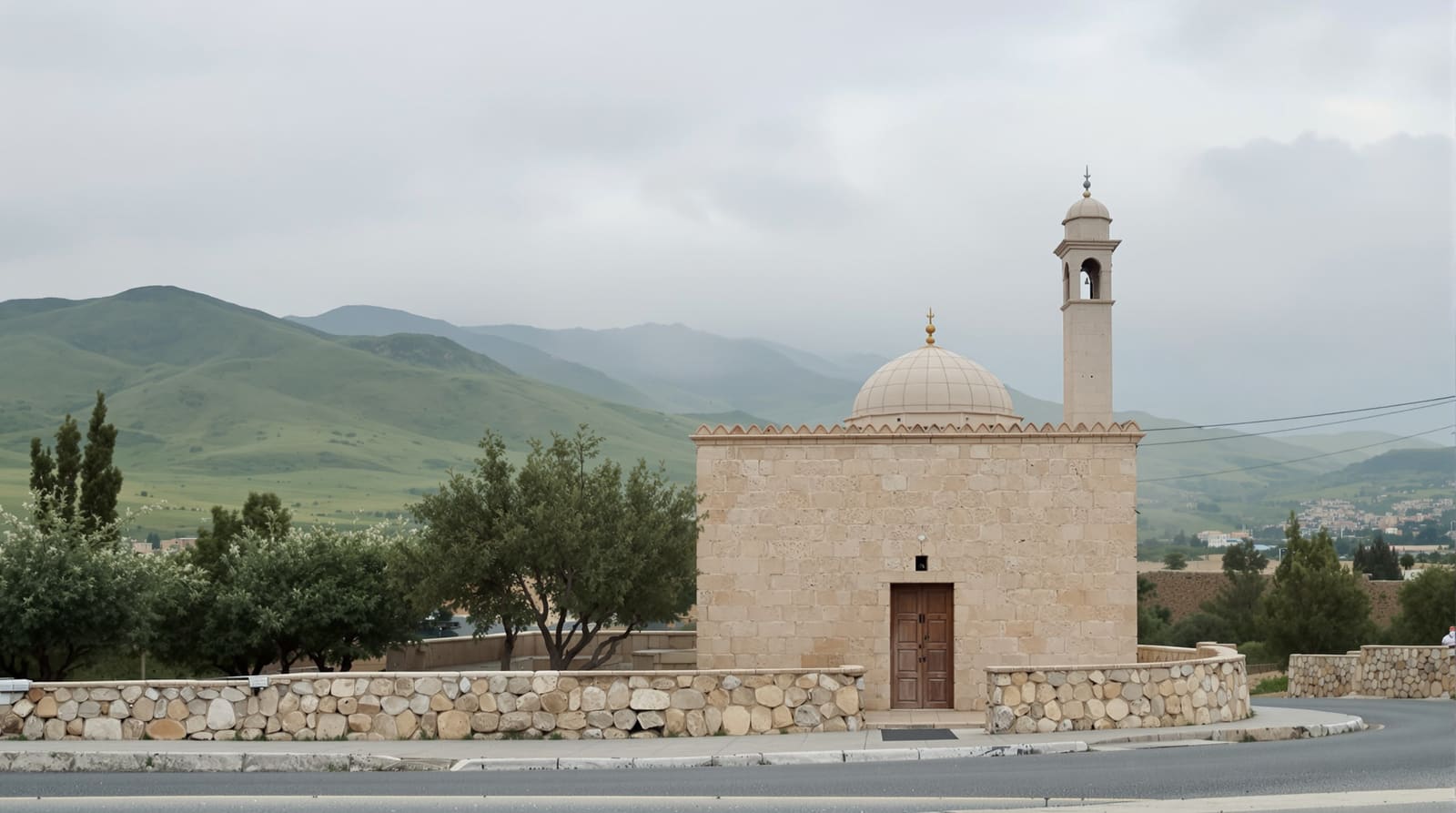
Kafr Dahi mosque graffiti also read 'tefillin' as police hunt arsonists

Illustration
Courts & Crime
Police chief moves Haymanot Kasau case to Lahav 433 after 1,000 days
Sources and further reading
Every link below was opened and checked when this page was written. Official statements are marked as such: they are the subject's own account, not an independent one.
- Reportingyediothynet.co.ilYnet
- Reportingyediotht.meYnet alerts
- Reportingtoitimesofisrael.comThe Times of Israel
- Reportingjpostjpost.comThe Jerusalem Post
- Reportingabualiexpresst.meAbu Ali Express
- Reportingnewssilt.meNews.co.il
- Reportingtoitimesofisrael.comThe Times of Israel
- Reportingjpostjpost.comThe Jerusalem Post
- Reportingjpostjpost.comThe Jerusalem Post
How we checked this
The ruling itself and Gambia's role as applicant are reported by several outlets. The court's specific orders still rest on a single Telegram summary, and the expert's remark is known only from a Times of Israel headline.
Our sourcing and corrections policy →The week from Israel, in one email
The stories that mattered, sourced and checked by the Israel.com newsroom. Free, weekly, one-click unsubscribe.
One list, unsubscribe in a click. See our privacy policy.
Latest

Illustration

Illustration

Illustration

Illustration
File photo

File photo