Yashar! and United Torah Judaism report headway on the conscription law
Senior figures from the two parties met over the past day in government-formation talks, with negotiators calling the meetings significant and citing the draft law.

AI illustration, not a photo of the events.
Senior officials from the Yashar! party and United Torah Judaism (UTJ), the ultra-Orthodox alliance, held meetings during the past day and advanced their talks on forming a government, according to a news flash from the Israeli broadcaster N12. N12 credited the report to journalist Yishai Cohen, who disclosed it on the programme "Tochnit Chisachon".
N12 said members of the negotiating teams described the meetings as "significant" and that most of the headway concerned the law on military conscription. The Times of Israel also carried the report, characterising the talks as progress over Haredi conscription.
Who the parties are
United Torah Judaism is a political alliance representing part of Israel's Haredi, or ultra-Orthodox, community. Its voters are largely drawn from communities where young men devote themselves to full-time religious study in yeshivas (Torah academies), and the party has long made the protection of that way of life a central demand in coalition negotiations.
Yashar! is the party founded by Gadi Eisenkot, a former chief of staff of the Israel Defense Forces (IDF). The reports do not describe the party's platform or its role in the current negotiations beyond saying that its senior figures took part in the meetings.
Why conscription is the hard issue
Military service is compulsory for most Jewish Israelis, but for decades ultra-Orthodox men enrolled in yeshiva study have been able to defer or avoid enlistment. The arrangement has been one of the most divisive questions in Israeli politics. Critics argue that it places an unequal burden on those who serve, particularly during periods of heavy reserve duty. Haredi leaders argue that Torah study is itself a form of service to the Jewish people and that the community's way of life must be protected.
Israel's week in five stories, every Friday
Sourced and checked by the Israel.com newsroom, with Shabbat times. Free, one-click unsubscribe.
One list, unsubscribe in a click. See our privacy policy.
Attempts to write the arrangement into law have repeatedly collided with court rulings, coalition crises and public protest. A conscription law, often called the draft law in English-language coverage, has therefore become a test case in almost any negotiation that involves Haredi parties. Any coalition that includes UTJ would be expected to address it, and any partner seeking broader ultra-Orthodox enlistment would need to find terms the Haredi parties can accept.
That is the background against which the reported progress matters: the conscription question is among the issues most likely to block an agreement between a Haredi party and a partner with a security-establishment profile, and N12's report says it is precisely where most of the movement occurred.
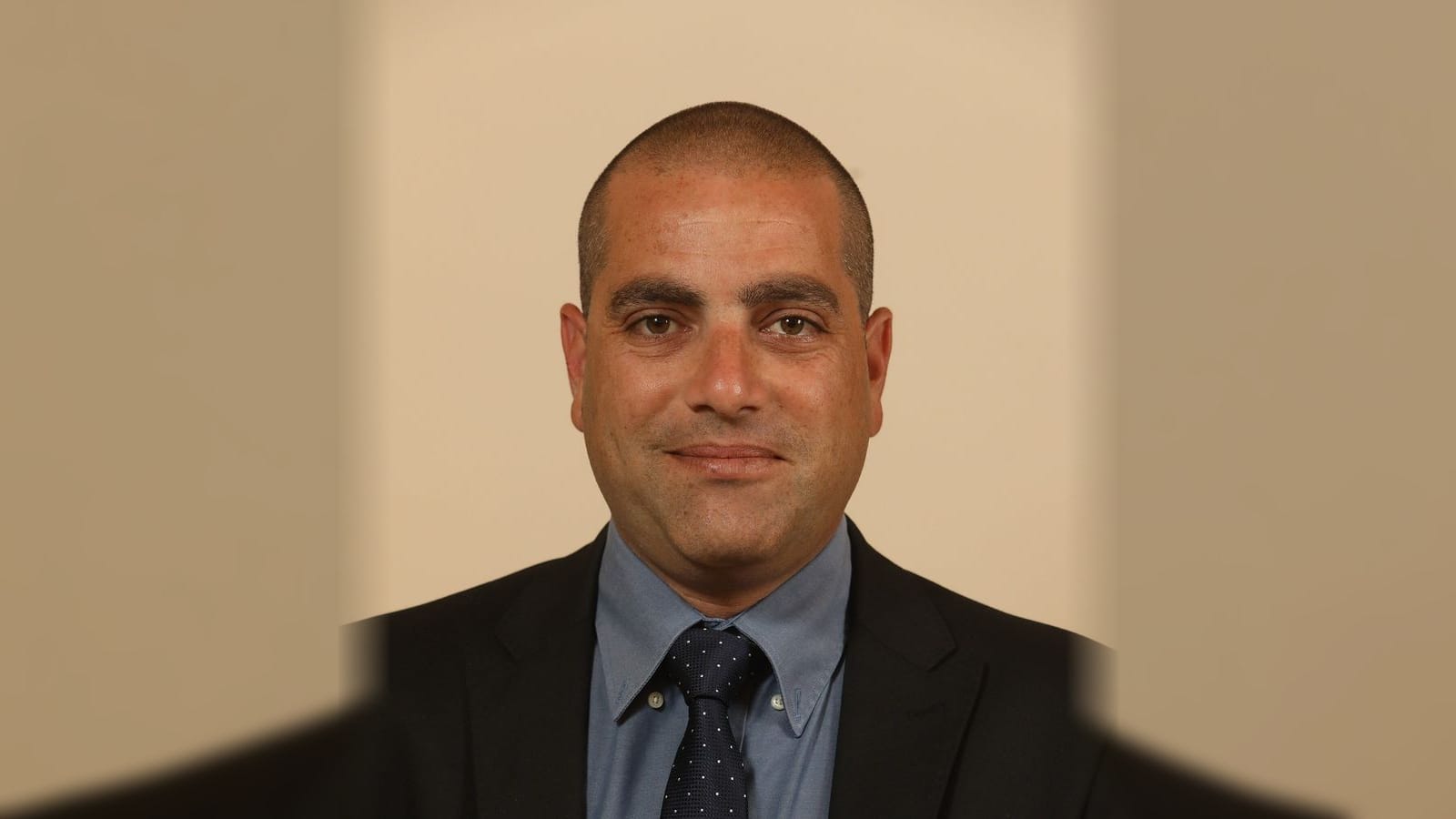
File photo
Next story Elections
United Torah Judaism to back Likud's Ofir Katz for Knesset speaker
How coalition talks work
Israel's parliament, the Knesset, is elected by proportional representation, and no single party has ever won a majority on its own. After an election, the candidate tasked with forming a government negotiates with potential partners over policy guidelines and the distribution of ministries. These talks are usually conducted by small negotiating teams, and their progress is often reported through briefings and leaks before any written agreement appears. The account of these meetings reached the public in the same way, through a journalist's report rather than a formal statement from either party.
What the reports do not say
Neither report names the senior officials who attended, says where the meetings took place, or describes the substance of any understanding on conscription. Neither party has issued an on-the-record statement in the material available, and the description of the meetings as significant is attributed only to unnamed members of the negotiating teams. The reports also do not say which other parties are involved in the government-formation effort or whether any agreement is close to being signed.
People in this story: Gadi Eisenkot
Read next
All religion →
Illustration
Government
Likud and Yashar issue joint statement after Herzliya talks, plan new round

Illustration
Transport
United Airlines computer fault delays departures days after US shutdown

Illustration
Transport
United Airlines outage fixed after about an hour; US says cause still unknown

Illustration
Technology
United Airlines fixes tech fault that delayed departures for about an hour
Sources and further reading
Every link below was opened and checked when this page was written. Official statements are marked as such: they are the subject's own account, not an independent one.
- Reportingtoitimesofisrael.comThe Times of Israel
- Reportingkeshett.meN12
How we checked this
The meetings were reported by N12 and The Times of Israel, with N12 crediting journalist Yishai Cohen; the description of the talks as significant comes from unnamed negotiators and no party has commented on the record in the material we have.
Our sourcing and corrections policy →The week from Israel, in one email
The stories that mattered, sourced and checked by the Israel.com newsroom. Free, weekly, one-click unsubscribe.
One list, unsubscribe in a click. See our privacy policy.

Israel.com is free, and readers like you keep it that way.
The Israel.com newsroom checks every story against its sources and publishes it free. If this one helped, a contribution of any size keeps the next one free too.
One payment, nothing to sign up for. Another amountGive monthly
Latest

Illustration

File photo
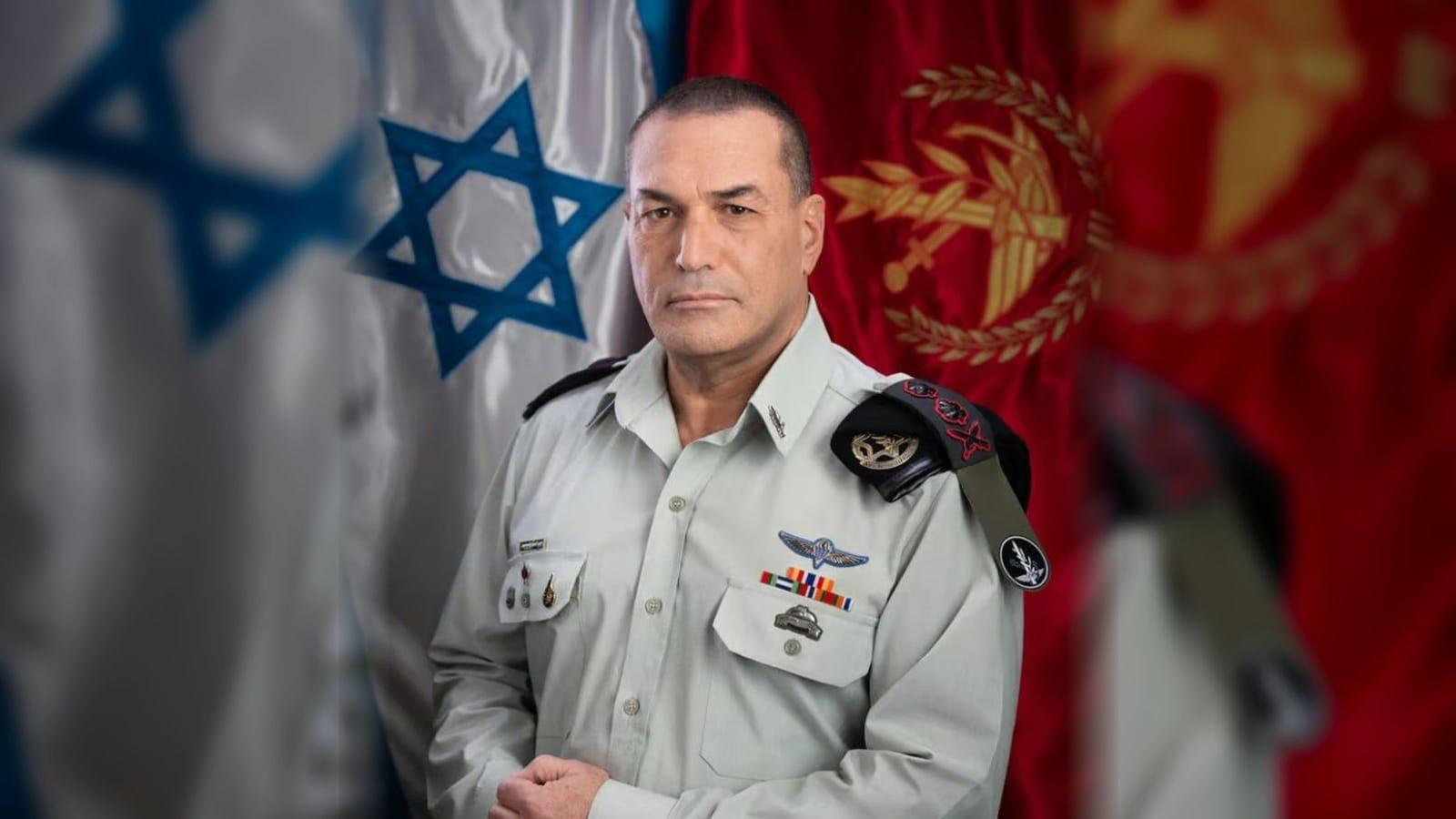
File photo

Illustration
Illustration

Illustration