Arab party leaders and UTJ in regular contact over Eisenkot bloc talks
Kan reports Ra'am and Joint List leaders are trading updates with United Torah Judaism on coalition talks, a sign of possible cooperation over the Haredi draft.
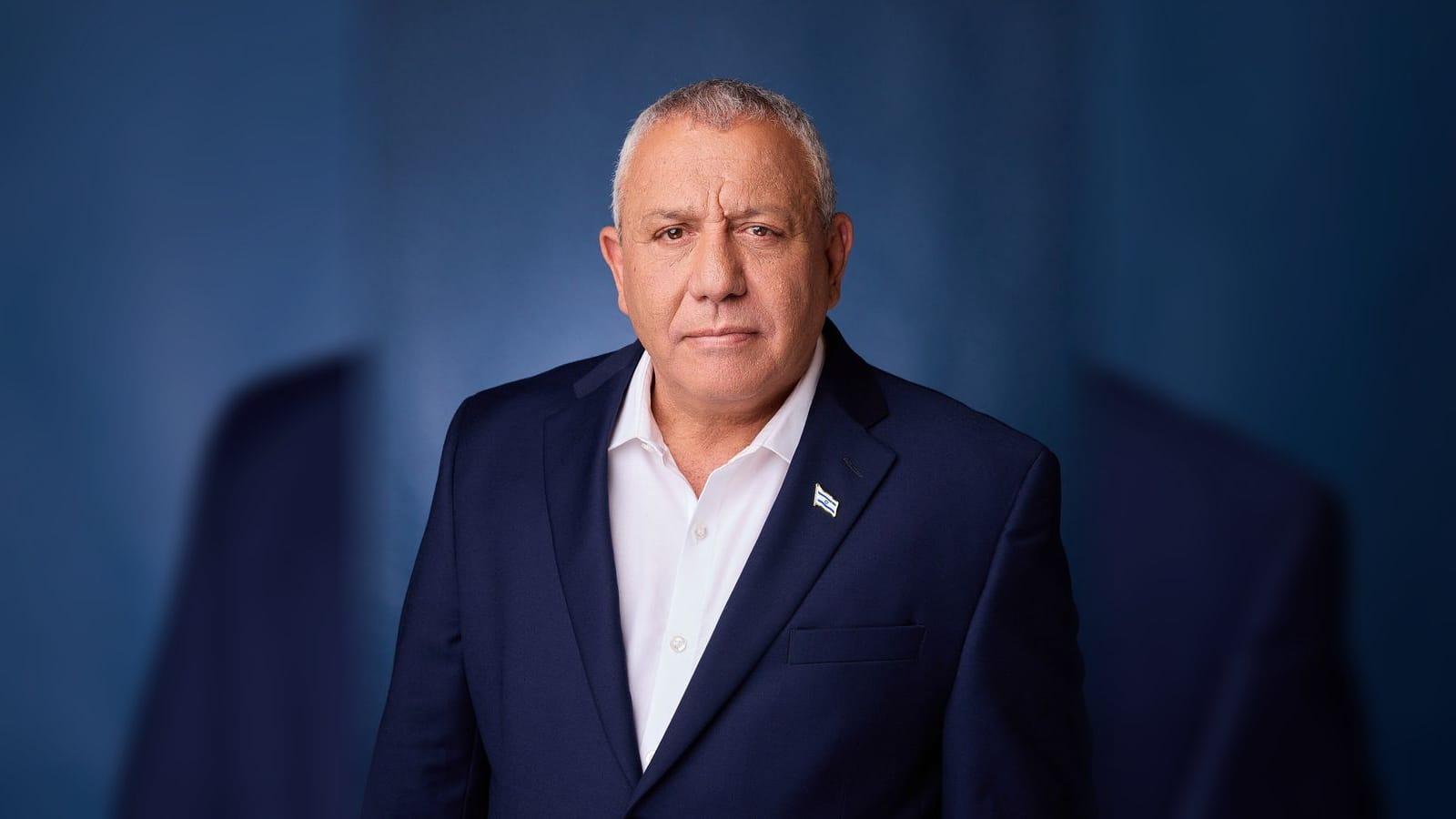
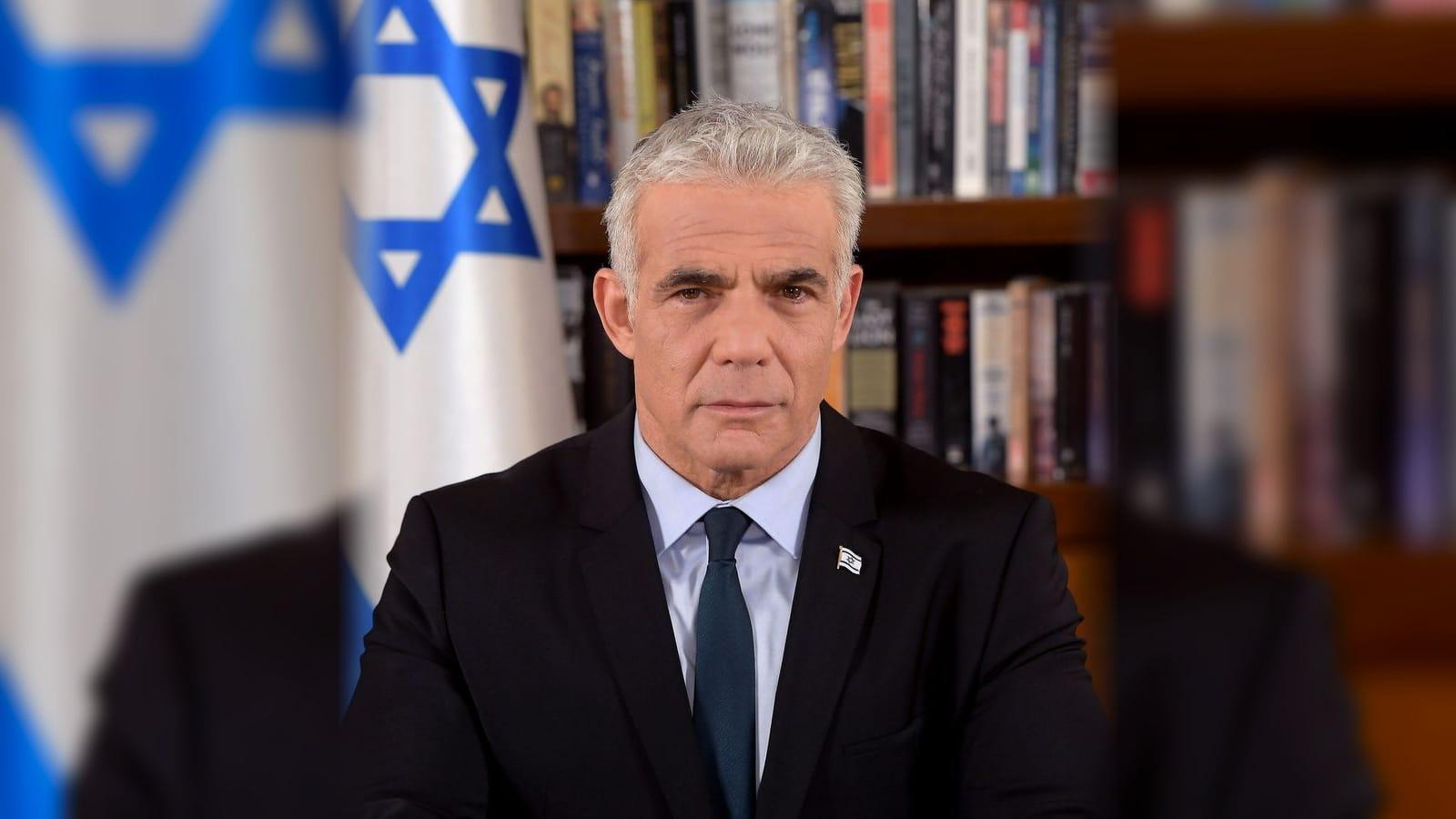
Gadi Eisenkot. File photo by יהב טרודלר (Yahav Trudler - Yahav Studio), CC BY-SA 3.0, via Wikimedia Commons.
Leaders of two Arab parties, Ra'am and the Joint List, have been keeping senior officials of the ultra-Orthodox United Torah Judaism (UTJ) party informed about their negotiations with the political bloc headed by Gadi Eisenkot, chairman of the Yashar party, according to Kan, Israel's public broadcaster. The Times of Israel, citing the Kan report, said the contacts are regular and that the parties have explored where their interests might overlap as coalition talks continue.
Kan reported that Ra'am leader Mansour Abbas has pressed UTJ to begin its own negotiations with the Eisenkot-led bloc over legislation governing military service for Haredi (ultra-Orthodox) men. The Jerusalem Post also reported that the Arab parties are in contact with senior UTJ figures about their talks with the bloc led by Yashar. UTJ's chairman, Yaakov Asher, has denied that his own conversations with Arab party leaders were political.
On the ground

Report: Arab party leaders are in contact with senior officials from the ultra-Orthodox United Torah Judaism party, keeping each other updated on negotiations with the Eisenkot-led bloc. jpost.com/israel-news/po…
Who the parties are
Ra'am, also known as the United Arab List, is an Arab party led by Mansour Abbas. The Joint List is a separate Arab political alliance; Ahmad Tibi holds the second place on its slate. United Torah Judaism represents Haredi voters, the strictly religious Jewish community whose political priorities include the terms on which its young men serve, or do not serve, in the army.
The Arab parties and UTJ sit at very different points on Israel's political map, which is why regular contact between them is newsworthy. Both, however, represent communities that often see themselves as outside the mainstream of coalition politics, and both can carry weight when the seat count for a governing majority is tight.
The Haredi draft question
Whether and how ultra-Orthodox men should be conscripted into the Israel Defense Forces is one of the most contested issues in Israeli politics, and legislation to regulate it has been a recurring source of coalition disputes. UTJ seeks an arrangement that is lenient toward yeshiva students.
Get an email the day Israel has a new government.
Coalition talks can take weeks. When a government is sworn in, Israel.com's newsroom emails who leads it, which parties are in and who got which ministry, then the Friday email each week. Free, and one click unsubscribes.
One list, unsubscribe in a click. See our privacy policy.
According to the Kan report as relayed by The Times of Israel, Abbas argued to UTJ leaders that holding negotiations with the Eisenkot bloc could lend a softer draft arrangement legitimacy beyond the right-wing and religious camp, and could put UTJ in the position of kingmaker. Kan said the Arab parties have not been asked to back UTJ's stance on military service. If cooperation develops, however, they may be asked to abstain in votes in the Knesset, Israel's parliament, rather than vote against.
Common ground on demolitions
The parties have also discussed whether they might jointly seek to freeze the Kaminitz Law, Kan reported. The law makes it easier for the state to move toward demolishing structures built without permits. The Times of Israel noted in its account that building permits are difficult to obtain, a long-standing grievance raised by Arab communities in their criticism of the law.
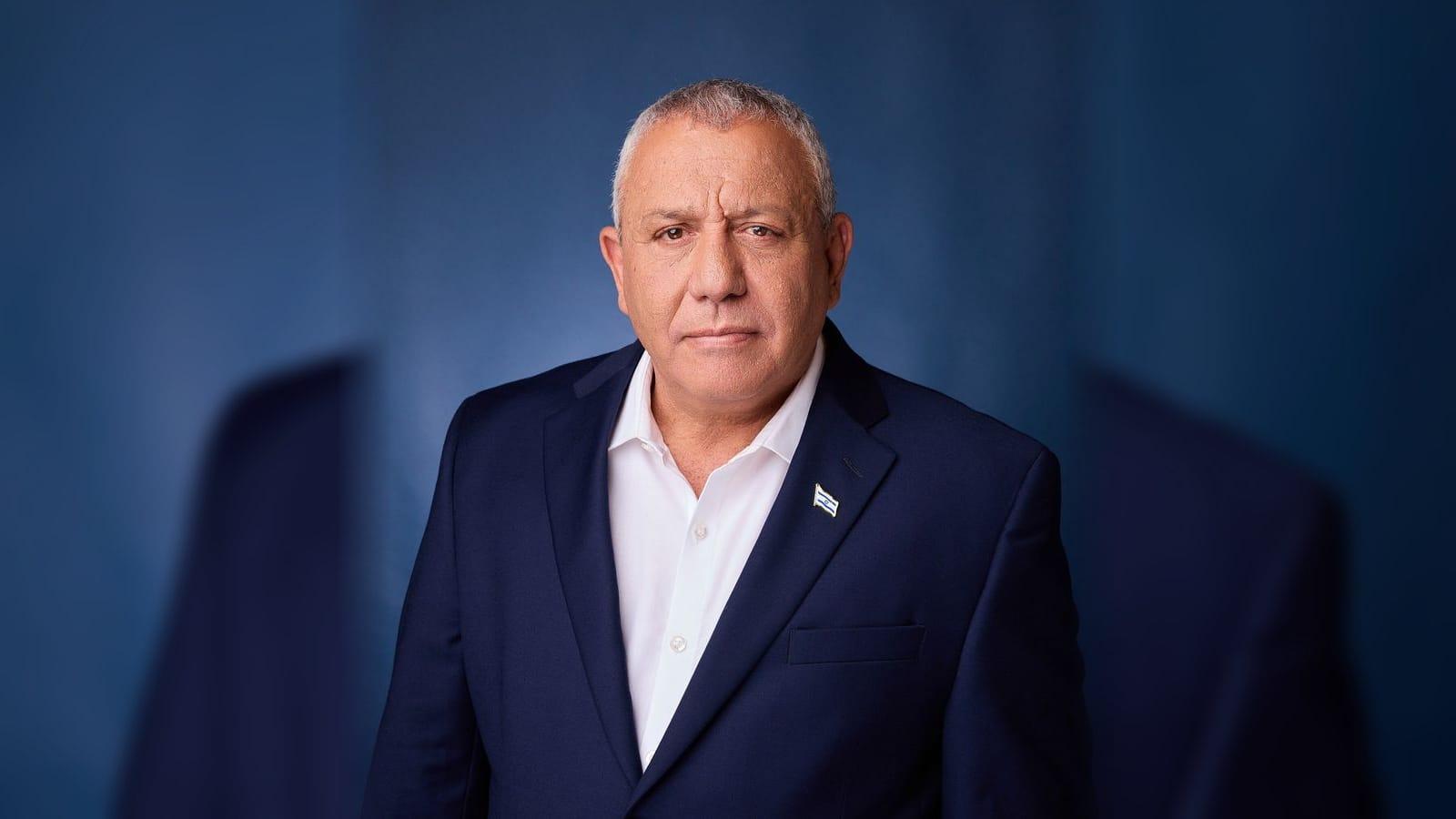
File photo
Next story Security
Eisenkot to get security briefing from Netanyahu's military secretary
Asher's response
Kan reported that Asher has spoken with Abbas and with Tibi several times in recent days. Asher's office did not deny the calls took place but described them as casual and said they had nothing to do with political negotiations. That account differs from the picture in the Kan report, which presents the contacts as part of coordination around the coalition talks. Neither version has been independently confirmed.
The coalition context
After an Israeli election, the president holds consultations with each party in the Knesset before choosing a lawmaker to try to form a government. The Jerusalem Post ran a photograph of Abbas speaking to reporters after his party's round of those talks with Isaac Herzog, held at the head of state's official home in Jerusalem. The reports describe Eisenkot's Yashar as leading the bloc now negotiating with the Arab parties.
What the reports do not say
The reports do not say how Eisenkot's bloc views the prospect of UTJ joining negotiations, or whether it has been approached. They do not identify which senior UTJ officials are in contact with the Arab parties beyond Asher, and the Joint List has not been quoted. No terms of any draft arrangement or any plan for the Kaminitz Law have been made public.
Read next
All government →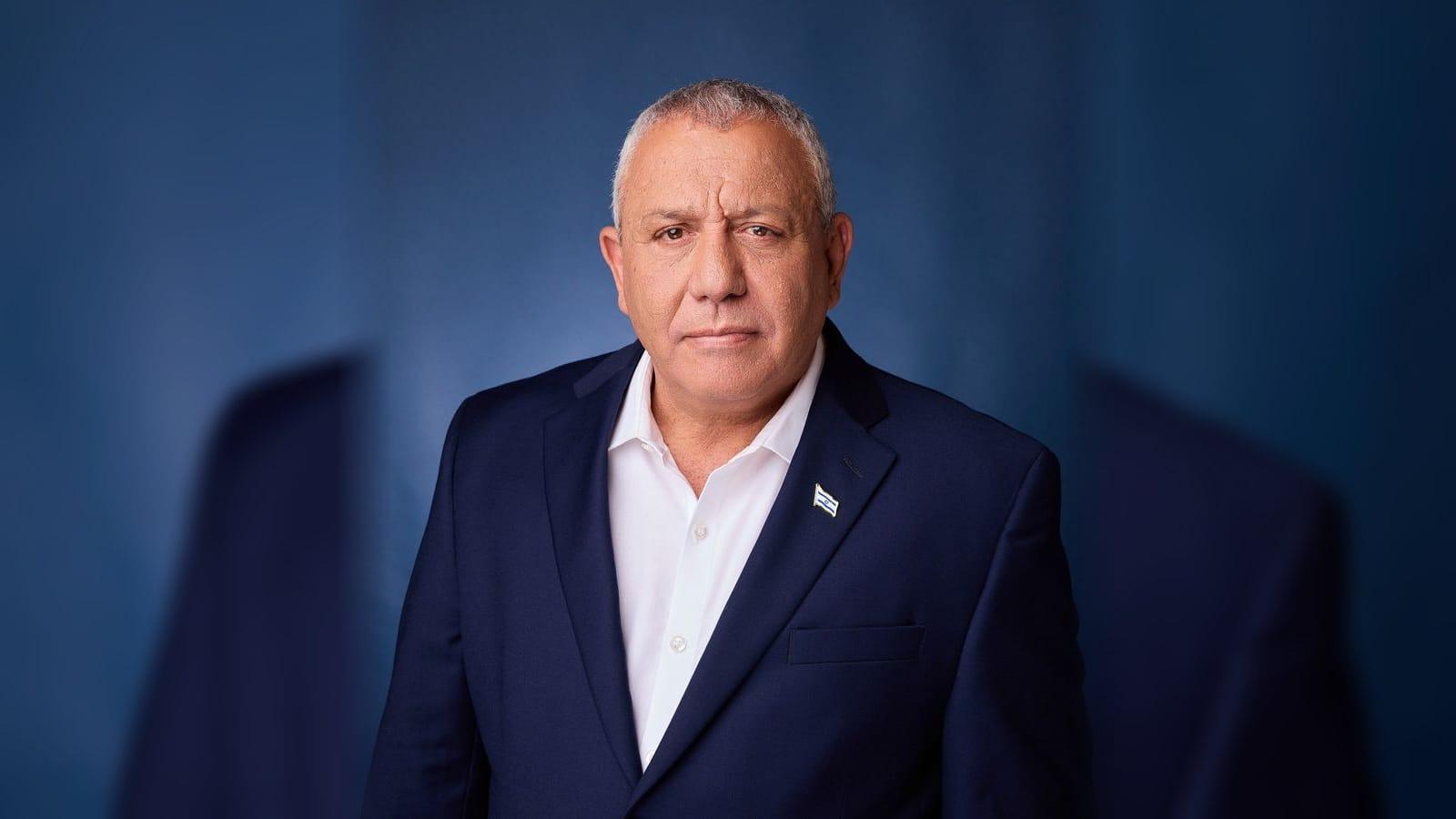
File photo
Security
Eisenkot camp and Haredi parties hit a wall over the military draft

Illustration
Elections
Likud believes it has slowed UTJ's drift toward a change government
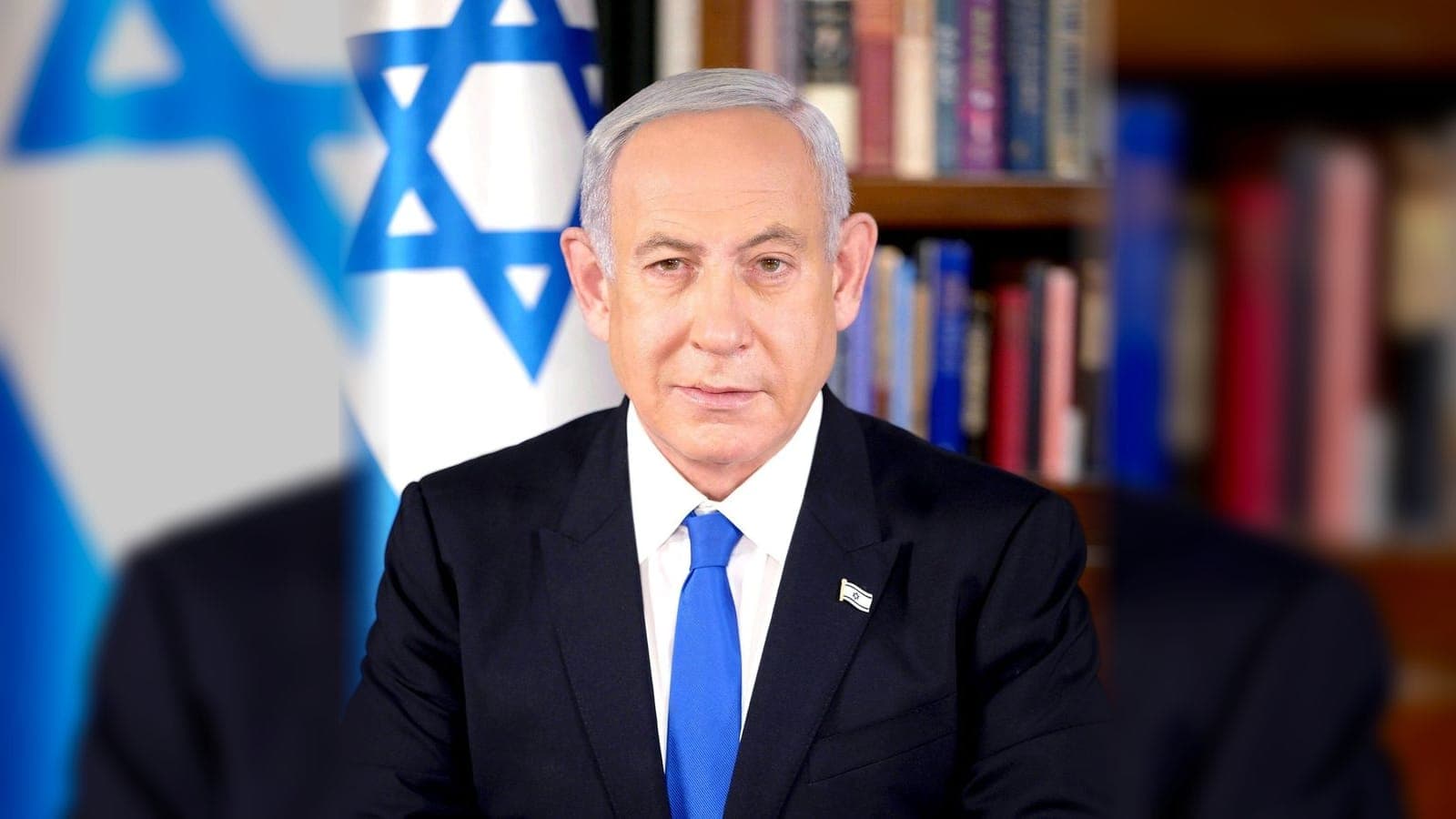
File photo
Elections
Netanyahu holds first post-election call with UTJ chairman Yaakov Asher
Illustration
Government
Hasidic leaders seek signed draft exemption pledges from 48 lawmakers
Sources and further reading
Every link below was opened and checked when this page was written. Official statements are marked as such: they are the subject's own account, not an independent one.
- Reportingtoitimesofisrael.comThe Times of Israel
- Reportingjpostjpost.comThe Jerusalem Post
How we checked this
The Times of Israel and The Jerusalem Post both reported the contacts, each citing the Kan public broadcaster; we have not independently confirmed them. Details on Abbas's arguments, possible abstentions and the Kaminitz Law come from Kan via The Times of Israel, and UTJ disputes that the calls were political.
Our sourcing and corrections policy →The week from Israel, in one email
The stories that mattered, sourced and checked by the Israel.com newsroom. Free, weekly, one-click unsubscribe.
One list, unsubscribe in a click. See our privacy policy.

Israel.com is free, and readers like you keep it that way.
The Israel.com newsroom checks every story against its sources and publishes it free. If this one helped, a contribution of any size keeps the next one free too.
One payment, nothing to sign up for. Another amountGive monthly
Latest
File photo
Illustration

Illustration
File photo
File photo

Illustration