Eisenkot camp and Haredi parties hit a wall over the military draft
Reports say ultra-Orthodox leaders, frustrated with Netanyahu, are talking to the change bloc, but deep gaps on religion and state, above all conscription, remain.
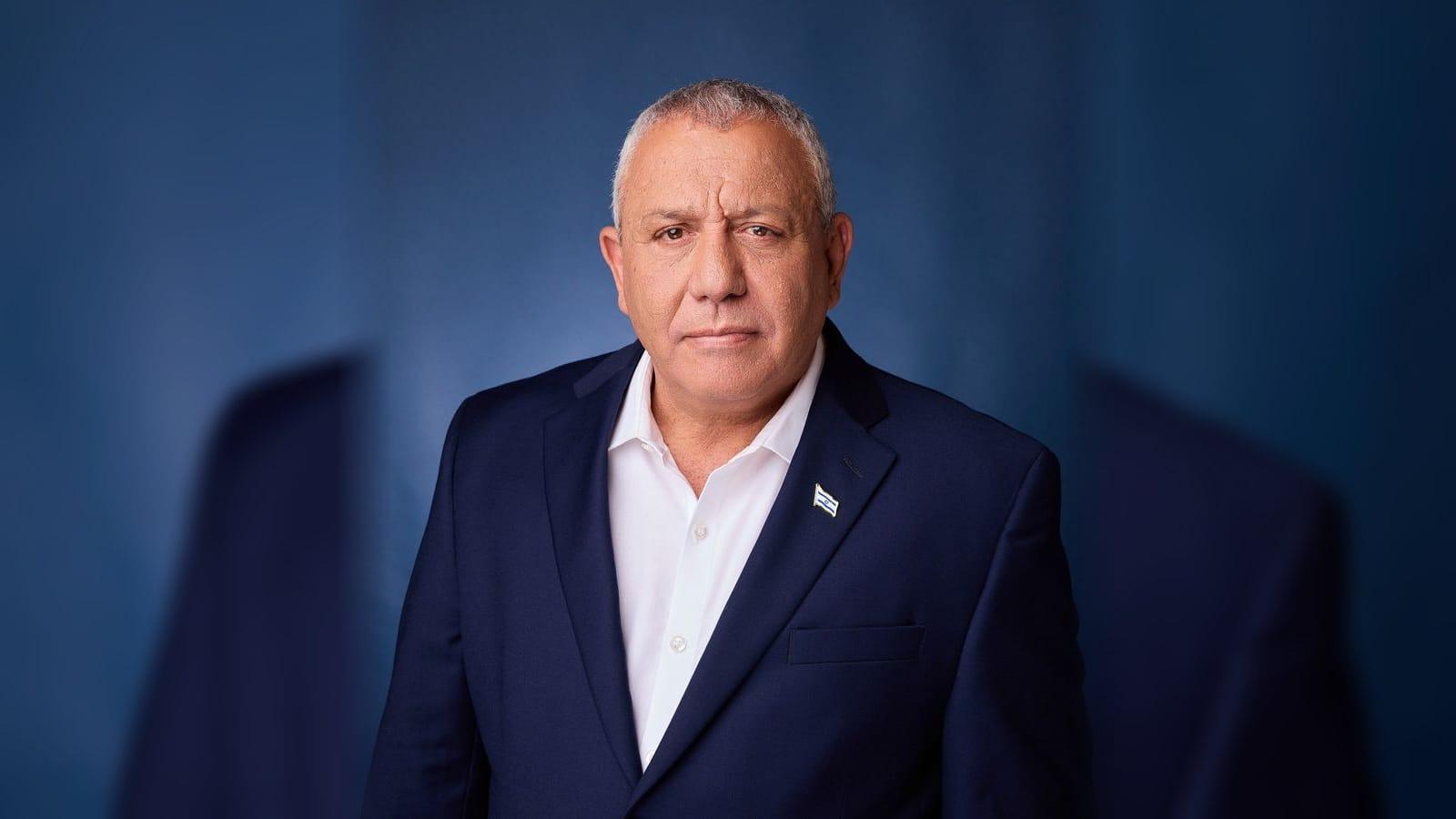
Gadi Eisenkot. File photo by יהב טרודלר (Yahav Trudler - Yahav Studio), CC BY-SA 3.0, via Wikimedia Commons.
Negotiators for Gadi Eisenkot and for United Torah Judaism, the ultra-Orthodox (Haredi) alliance, have concluded that a wide gap separates them on questions of religion and state, with military conscription as the hardest issue, Ynet reported. According to Ynet, the leadership of the Haredi community is deeply disappointed with Prime Minister Benjamin Netanyahu and pleased that the so-called change bloc has signalled a willingness to compromise.
Israel Hayom offered a more sceptical reading of the same talks. Eisenkot has said publicly that his camp is "not abandoning any of our principles", but Israel Hayom argued that any partnership would require one side to give ground, and that the side expected to yield is Degel HaTorah, one of the Haredi parties, whose leaders, the paper wrote, have no intention of doing so. The paper's headline also asserted that the figure blocking such a government is not a member of the Knesset, Israel's parliament.
On the ground

Netanyahu, Eisenkot to meet for first time since Israel election Political rivals will hold a security and diplomatic briefing in Jerusalem after clashing over Eisenkot’s demand for intelligence updates during Israel’s government t... ynetnews.com/article/rjkolf…


Analysis: Eisenkot has the votes to reshape the Knesset, but his choice of Matan Kahana for speaker could complicate coalition talks with haredi parties. ✍️ @HerbKeinon jpost.com/israel-electio…
Who is talking to whom
The "change bloc" is the label used in Israeli politics for the parties seeking to form a government without Netanyahu. Gadi Eisenkot, a former chief of staff of the Israel Defense Forces, is one of its leading figures, and the reports describe his representatives as the ones engaging the Haredi side.
United Torah Judaism is the political alliance representing Ashkenazi ultra-Orthodox voters. It is made up of two factions: Degel HaTorah, which draws on the Lithuanian yeshiva world, and Agudat Yisrael, which is rooted in the Hasidic courts. The two factions answer to their own rabbinic authorities and do not always move together, which is why Israel Hayom singled out Degel HaTorah rather than the alliance as a whole.
For years the Haredi parties have been among Netanyahu's most dependable partners. Ynet's account of disappointment with him among Haredi leaders suggests that relationship is under strain, though neither report sets out in detail what caused it.
Israel's week in five stories, every Friday
Sourced and checked by the Israel.com newsroom, with Shabbat times. Free, one-click unsubscribe.
One list, unsubscribe in a click. See our privacy policy.
Why the draft dominates
Military service is compulsory for most Jewish Israelis, but full-time yeshiva students in the Haredi community have long been able to defer and in practice avoid enlistment. The arrangement has been challenged repeatedly in the courts and has become one of the most contested issues in Israeli politics, particularly since the start of the war with Hamas, when the army's need for manpower sharpened public demands that the burden be shared more widely.
For Haredi leaders, protecting Torah study from conscription is a core religious commitment. For parties in the change bloc, many of whose voters serve in the army and reserves, equal service is a central campaign theme. That is the gap Ynet describes as enormous, and the one Israel Hayom suggests cannot be bridged unless Degel HaTorah drops its position.
File photo
Next story Government
Eisenkot and Lieberman agree on Knesset speaker and Haredi outreach, reports say
The rabbis who decide
Haredi parties do not take major political decisions on the say-so of their elected members alone. They defer to senior rabbis, whose rulings guide how the parties vote and which coalitions they join. Ynet identified four rabbis it called the "great ones of the generation", a traditional honorific for the most senior Torah authorities, and reported that they will determine who becomes the next prime minister. This is the context for Israel Hayom's claim that the decisive figure in the talks sits outside the Knesset: in the Haredi parties, the final word belongs to rabbinic leadership rather than to lawmakers.
Where the two reports differ
The two outlets agree that conscription is the central obstacle, but their emphasis differs. Ynet presents a Haredi leadership open to the change bloc and a change bloc ready to bend, with a large but defined gap on substance. Israel Hayom questions Eisenkot's statement that his side will keep all its principles and casts the Degel HaTorah leadership as unwilling to lower its own banner, implying the talks face a harder barrier than a negotiable difference.
What the reports do not say
Neither report names the four rabbis in the material available, sets out the specific draft proposals on the table, or quotes any Haredi party official or rabbi directly. Israel Hayom does not, in the available text, name the person it says is standing in the way. There is no reported response from Netanyahu or his Likud party to the account of Haredi disappointment with him, and no timetable for the talks has been given.
Read next
All security →
File photo
Security
Eisenkot to get security briefing from Netanyahu's military secretary
File photo
Government
Liberman denies sabotaging Eisenkot, defends Haredi draft compromise talk

Illustration
Religion
Haredi dailies Yated Neeman and Hamodia distance themselves from the right
File photo
Religion
Ohana rules out day-one vote as Yashar! seeks Haredi backing to replace him
Sources and further reading
Every link below was opened and checked when this page was written. Official statements are marked as such: they are the subject's own account, not an independent one.
- Reportingyediothynet.co.ilYnet
- Reportingisraelhayomisraelhayom.comIsrael Hayom
How we checked this
The talks and the dispute over conscription were reported by Ynet and Israel Hayom; the claim that four rabbis will decide the next prime minister is Ynet's, and the view that Degel HaTorah will not yield is Israel Hayom's analysis. We have not independently verified either outlet's account.
Our sourcing and corrections policy →The week from Israel, in one email
The stories that mattered, sourced and checked by the Israel.com newsroom. Free, weekly, one-click unsubscribe.
One list, unsubscribe in a click. See our privacy policy.
Latest
Illustration

Illustration
File photo
File photo

Illustration
File photo