Bennett rules out joining Netanyahu bloc, backs Eisenkot-led unity government
Former prime minister Naftali Bennett says his Beyachad party will not move to Netanyahu's camp, but he calls an alternative coalition 'less good' rather than excluding it.
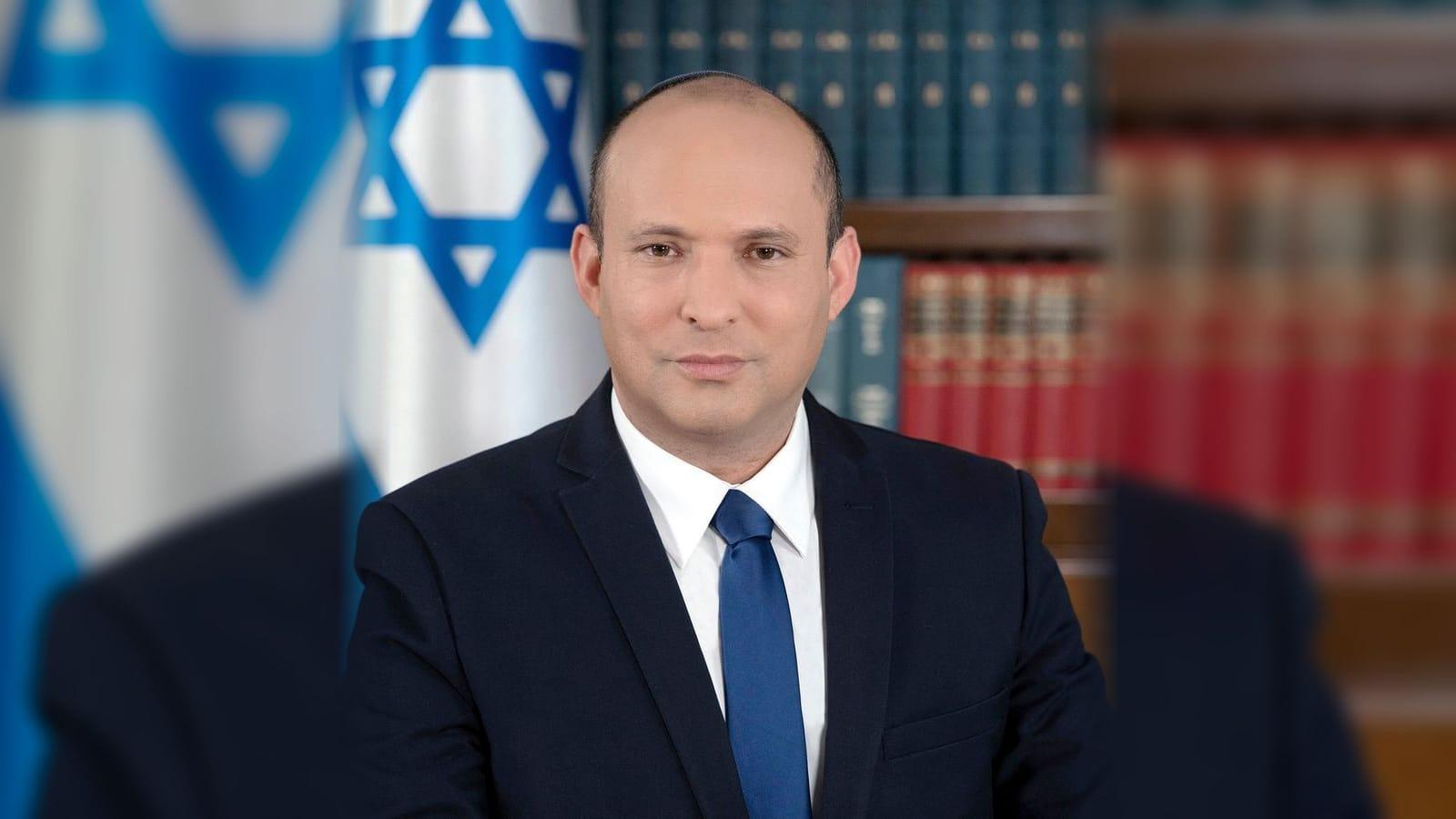
Naftali Bennett. File photo by Avi Ohayon, CC BY-SA 3.0, via Wikimedia Commons.
Former prime minister Naftali Bennett has said that his party, Beyachad (Hebrew for "Together"), will not cross over to the bloc led by Benjamin Netanyahu, and that his preferred outcome is a broad Zionist unity government with Eisenkot at its head. Ynet carried the announcement as a breaking alert, summarising it as Bennett refusing to join Netanyahu's camp and calling for an Eisenkot-led unity coalition.
In a statement from his office, later posted in his own name on X, Bennett described that unity government as the best option "by a wide margin" for Israel and for those who serve in the military. He also addressed a second possible coalition, one that he said would involve a major concession on drafting ultra-Orthodox men and reliance on Arab parties that are not Zionist. He called it "a less good alternative" but stopped short of rejecting it. Kan, Israel's public broadcaster, reported that this was the first time Bennett had not ruled out such a scenario.
What the sources posted

גם בעת הזאת אני מאמין שהחלופה הטובה ביותר, בפער, עבור מדינת ישראל והציבור המשרת היא ממשלת אחדות ציונית בראשות איזנקוט תחילה. זו ממשלת ברית משרתים שתוכל לגייס את החרדים ולהציב את המשרתים בראש. החלופה האחרת כרוכה בויתור דרמטי על גיוס חרדים ועל מהפכת המשרתים, לצד הסתמכות על מפלגות Show more


יו"ר ביחד נפתלי בנט הבהיר כי "מפלגת ביחד לא תעבור לגוש נתניהו", ולראשונה, לא פסל ויתור על גיוס והסתמכות על מפלגות ערביות: "מאמין שהחלופה הטובה ביותר היא ממשלת אחדות ציונית בראשות איזנקוט תחילה. החלופה האחרת כרוכה בוויתור דרמטי על גיוס חרדים ועל מהפכת המשרתים, לצד הסתמכות על Show more
What Bennett said
In his post on X, Bennett wrote that a government led first by Eisenkot would be an alliance of those who serve, able to bring the Haredim (ultra-Orthodox Jews) into military service and put those who serve at the front. He wrote that he was working with all his strength to bring such a government about, adding that "the candle is still burning", a phrase suggesting he sees the option as still alive.
Bennett also wrote that he had met in recent weeks with Eisenkot, with Netanyahu and with people from both camps, and that he would keep doing so as needed. These are Bennett's own descriptions of his position and contacts; the reports do not include any response from Eisenkot or from Netanyahu.
The ultra-Orthodox draft question
Military service is compulsory for most Jewish Israelis, but many ultra-Orthodox men have long avoided it, and the issue has become one of the most divisive in Israeli politics. Bennett has built his recent campaign around the people who do serve, often described in Hebrew as the "meshartim", or those who serve. His references to a "servers' alliance" and a "servers' revolution" come from that message.
Get an email the day Israel has a new government.
Coalition talks can take weeks. When a government is sworn in, Israel.com's newsroom emails who leads it, which parties are in and who got which ministry, then the Friday email each week. Free, and one click unsubscribes.
One list, unsubscribe in a click. See our privacy policy.
Ultra-Orthodox parties have traditionally been partners in coalitions and have resisted moves to draft their community. A coalition that depends on them could therefore require concessions on the draft, which is the trade-off Bennett pointed to in describing the second alternative.
Arab parties and coalition arithmetic
Israeli governments are formed by assembling a majority in the Knesset, the parliament, after a lawmaker is tasked with putting a coalition together within a set period. Arab parties in Israel generally do not define themselves as Zionist, and whether a government may rely on their support, inside the coalition or from outside it, is a recurring point of dispute on the Israeli right and centre.
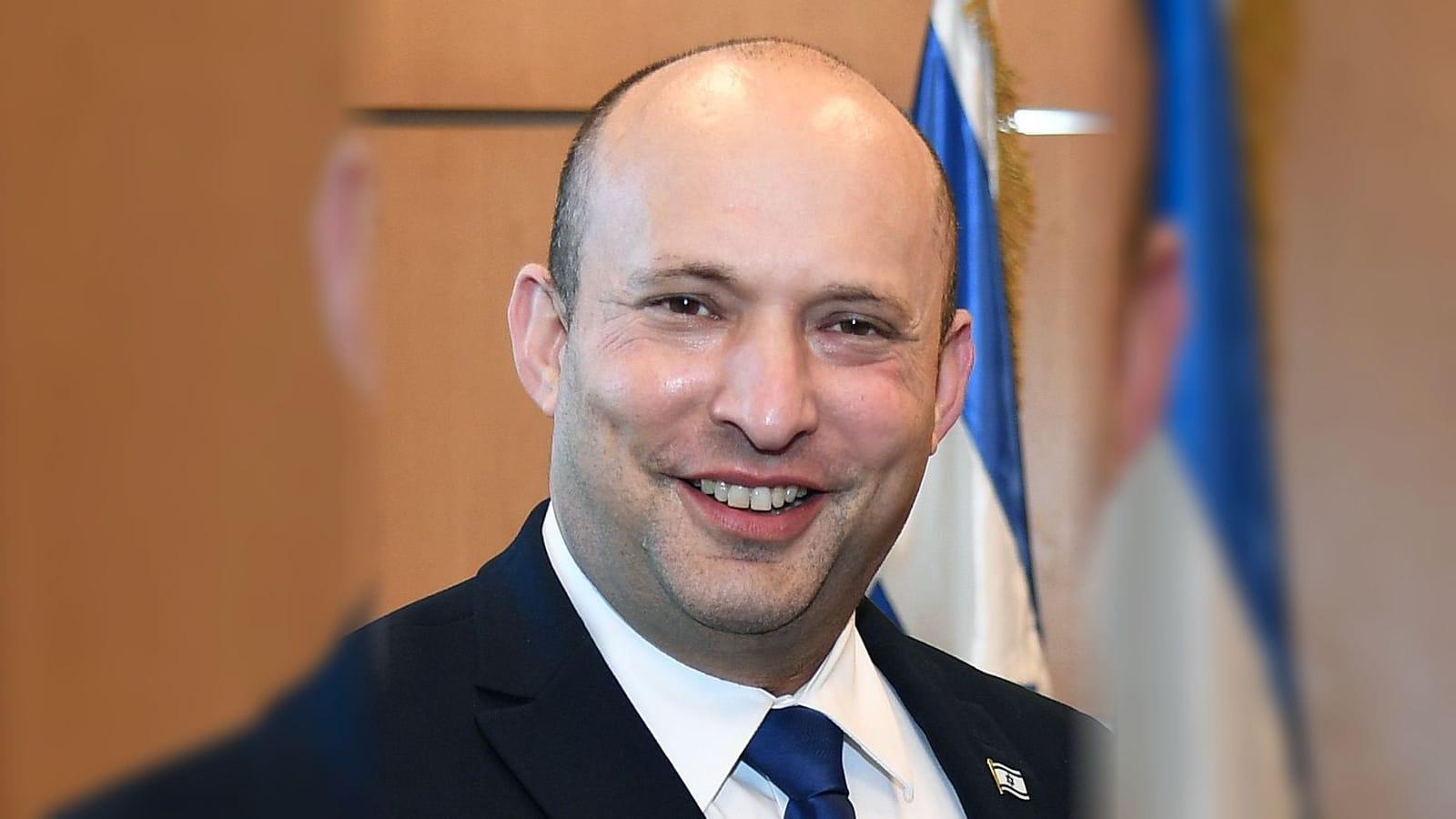
File photo
Next story Elections
Bennett tells Netanyahu he will bear consequences if Eisenkot unity bid stalls
Bennett's statement sets out two paths: a unity government of Zionist parties under Eisenkot, or a government that would need ultra-Orthodox and Arab support. He ranks the first above the second but, in the reading of both Kan and other commentators, no longer excludes the second.
How commentators read it
Journalist Amit Segal, writing on his Telegram channel, argued that the phrase "less good alternative" was a polite and conciliatory way of putting it. Segal wrote that before the election Bennett had said soldiers were dying because of ultra-Orthodox draft evasion and that a minority government reliant on Arab parties must not be supported. Segal also recalled asking Bennett on the eve of the vote which of his promises was central, and said Bennett answered that it was ending draft evasion and looking after those who serve.
In a further post, Segal listed what he took from the statement: that Bennett no longer rules out a minority government relying on Arab and ultra-Orthodox parties; that a recent meeting between Bennett and Netanyahu had been about more than a security briefing; and that Bennett referred to 24 days remaining on Eisenkot's mandate, which Segal read as a signal that there is no rush toward a swearing-in the following week. These are Segal's interpretations rather than statements by Bennett, and the version of Bennett's post in the material does not show the reference to the remaining days.
What the reports do not say
None of the reports carries a response from Eisenkot, Netanyahu or any Arab or ultra-Orthodox party. Bennett does not say what was discussed in his meetings with either camp, and his post as reproduced ends mid-sentence, so its full content is not available here. The reports also do not say which way Beyachad would vote if a unity government cannot be formed.
People in this story: Naftali Bennett, Benjamin Netanyahu, Amit Segal
Read next
All government →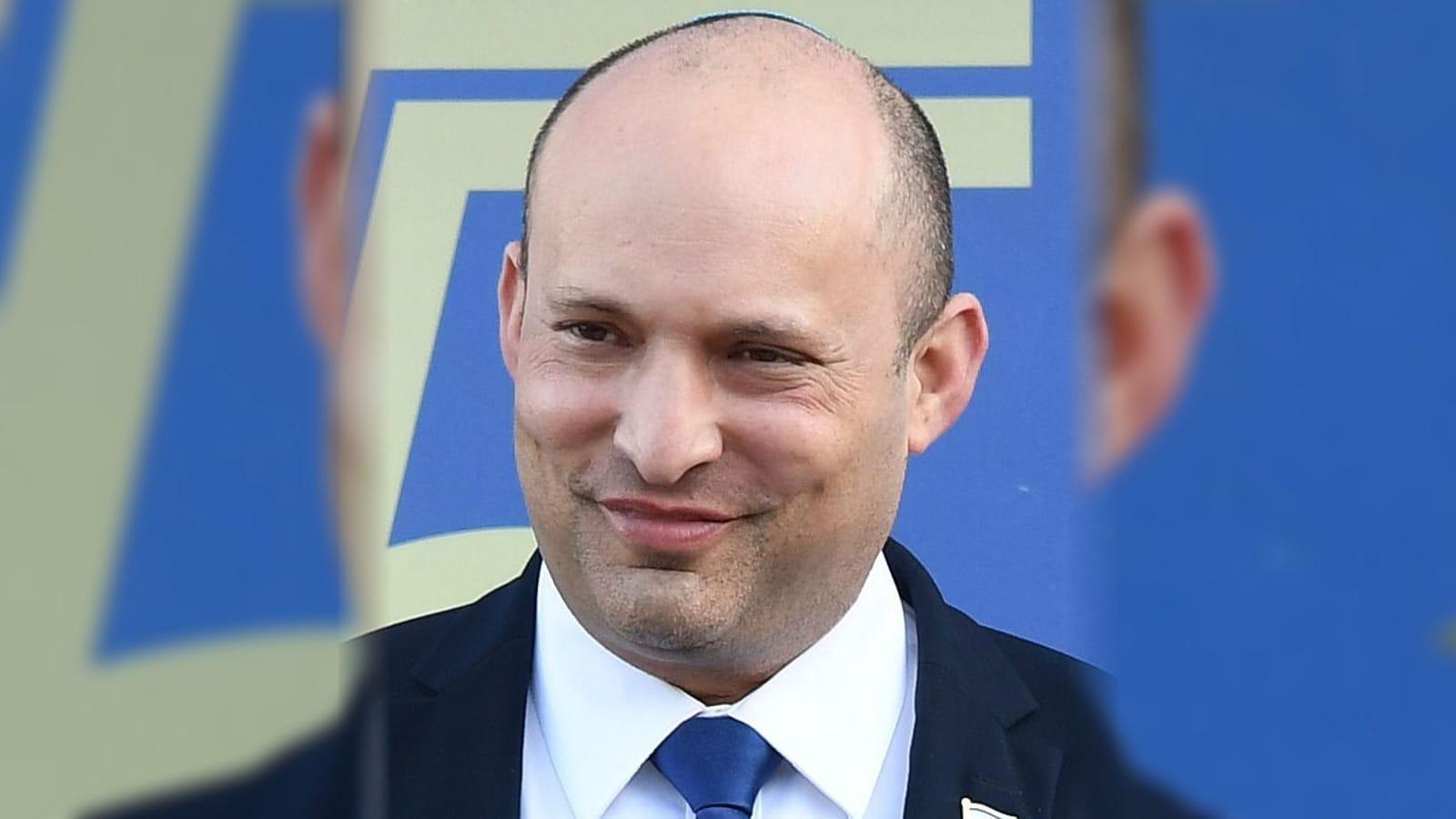
File photo
Elections
Bennett pledges to back an Eisenkot-led government and rules out Netanyahu
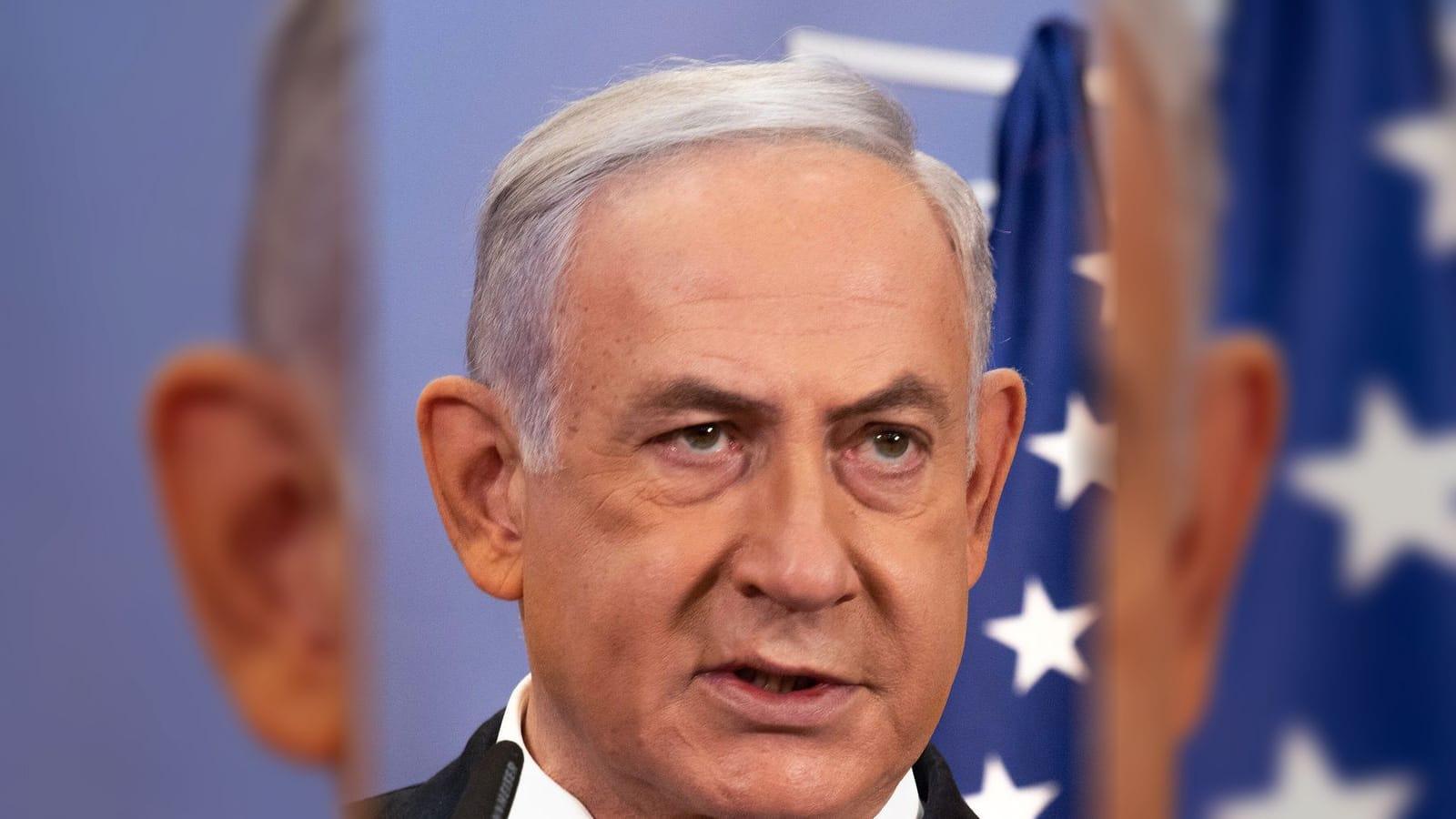
File photo
Elections
Netanyahu tells Bennett, Eisenkot and Liberman Israel faces a historic crossroads
File photo
Government
Eisenkot's draft cabinet: Lieberman at defence, Bennett at finance

File photo
Elections
Ben-Gvir says Eisenkot, Bennett and Lieberman empowered Arab parties
See Israel.com first in Google's top stories.Add it as a preferred source on Google
Sources and further reading
Every link below was opened and checked when this page was written. Official statements are marked as such: they are the subject's own account, not an independent one.
- Officialbennettx.comNaftali Bennett on X
- Reportingyediotht.meYnet alerts
- Reportingamitsegalt.meAmit Segal
- Reportingamitsegalt.meAmit Segal
- Reportingamitsegalt.meAmit Segal
- Reportingamitsegalt.meAmit Segal
- Reportingamitsegalt.meAmit Segal
- Reportingkanx.comKan News on X
How we checked this
Bennett's position was reported by Ynet and Kan and appears in his office's statement and his own post on X. The reading that he has softened his stance comes from Kan and from commentator Amit Segal; the 24-day figure is reported only by Segal.
Our sourcing and corrections policy →The week from Israel, in one email
The stories that mattered, sourced and checked by the Israel.com newsroom. Free, weekly, one-click unsubscribe.
One list, unsubscribe in a click. See our privacy policy.

Israel.com is free, and readers like you keep it that way.
The Israel.com newsroom checks every story against its sources and publishes it free. If this one helped, a contribution of any size keeps the next one free too.
One payment, nothing to sign up for. Another amountGive monthly
Latest

Illustration
File photo
File photo

Illustration

Illustration
Illustration