Netanyahu tells Bennett, Eisenkot and Liberman Israel faces a historic crossroads
The prime minister says he briefed three opposition figures on security and urged them to join a unity government rather than a narrow coalition he opposes.
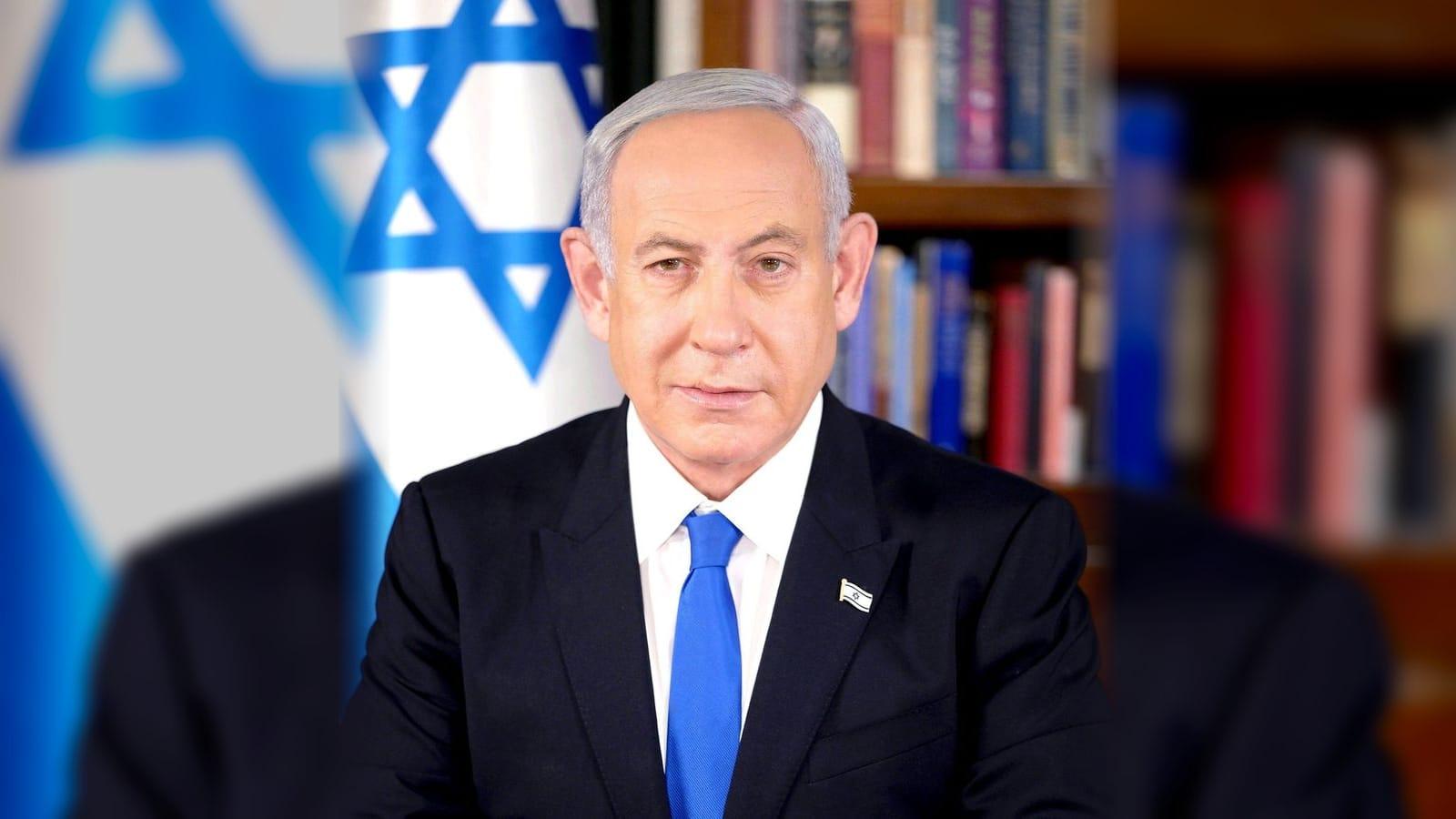
Benjamin Netanyahu. File photo by Avi Ohayon, CC BY-SA 3.0, via Wikimedia Commons.
Prime Minister Benjamin Netanyahu said he had briefed three opposition figures, Naftali Bennett, Gadi Eisenkot and Avigdor Liberman, on what he called a challenging security situation, and urged them to join a government of national unity. In a statement released ahead of the Sabbath and circulated in full by News.co.il, Netanyahu said Israel stands at a "historic crossroads" and insisted there was "no spin" and "no exaggeration" in his assessment.
According to the statement, the security material had been laid before the three men, so what the moment demands is responsibility, which Netanyahu equated with unity. Ynet reported the same core message, quoting the prime minister as describing the security picture as challenging and calling for responsibility now that the material was in front of them.
On the ground

Netanyahu calls for unity government, demands halt to efforts to form 'narrow coalition' backed by 'terror supporters'
A warning against a narrow government
The statement went beyond the appeal for unity. Netanyahu said he had heard of an intention to set up, as early as the start of the coming week, a narrow government that would rely on the votes of people he described as supporters of terror who advocate the elimination of the Jewish state. He called this inconceivable and said it must stop. The text published by News.co.il breaks off mid-sentence at that point, so the remainder of his remarks is not available in the material.
The Jerusalem Post characterised the appeal as a call for a unity government formed without Arab parties, reading his reference to supporters of terror as aimed at Arab lawmakers. Netanyahu's statement, as published, does not name any party.
The Times of Israel described the statement as a repetition of an earlier call for a unity coalition, reporting that Netanyahu claimed the fate of the country was at stake. N12 political correspondent Dafna Liel likewise wrote that Netanyahu was once again addressing what Israelis call the "change bloc", the grouping of parties opposed to his leadership.
Get an email the day Israel has a new government.
Coalition talks can take weeks. When a government is sworn in, Israel.com's newsroom emails who leads it, which parties are in and who got which ministry, then the Friday email each week. Free, and one click unsubscribes.
One list, unsubscribe in a click. See our privacy policy.
Who the three men are
The three people Netanyahu named are prominent figures among his political rivals:
- Naftali Bennett is a former prime minister who led a coalition that replaced Netanyahu in office.
- Gadi Eisenkot is a former chief of staff of the Israel Defense Forces (IDF), the country's military, who entered politics after leaving the army.
- Avigdor Liberman heads the Yisrael Beytenu party. Netanyahu's statement identified him as chairman of the Foreign Affairs and Defense Committee, the Knesset (parliament) panel that oversees security and diplomacy and receives classified briefings.
Netanyahu's point in naming them appears to be that each has now seen the classified picture he says justifies unity. None of the reports describes what that security information contains.
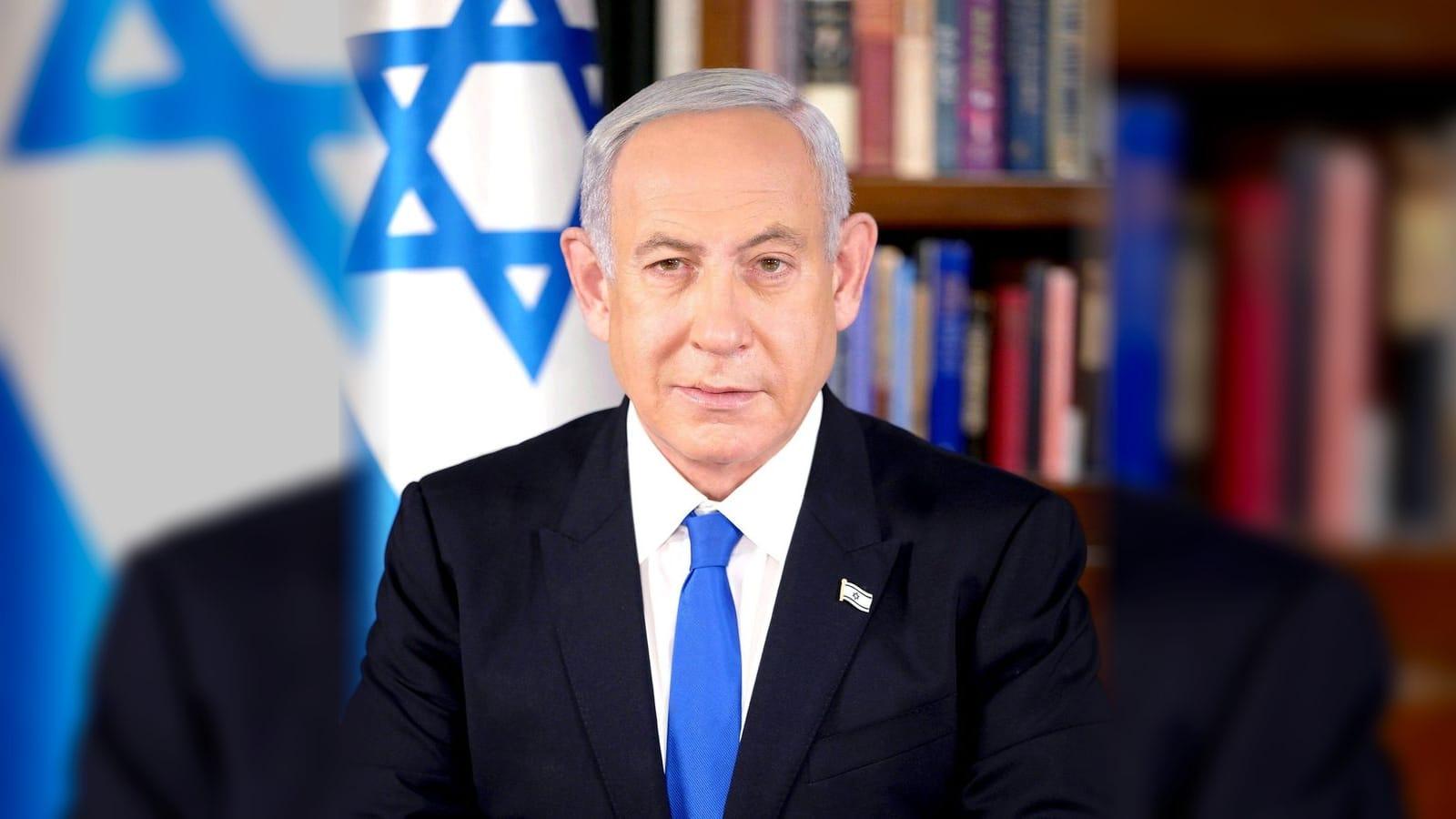
File photo
Next story Elections
Netanyahu delays convening of Liberman's defense committee, Ynet reports
What a unity government means in Israel
Israeli governments are built from coalitions, because no single party wins a majority of the Knesset's seats on its own. A "narrow" government rests on the smallest workable majority, often depending on a few lawmakers or on outside support from parties that do not sit in the cabinet. A "unity" or broad government brings rival major parties together, a formula Israeli leaders have historically invoked during wars and security emergencies.
The phrase "supporters of terror" is one Netanyahu and his allies have used against Arab parties in the Knesset, which is how The Jerusalem Post interpreted it here. Arab parties reject that description. The question of whether a government can or should depend on their votes has been a recurring fault line in Israeli coalition politics, and Bennett's previous government was the first to include an Arab party in a coalition.
Timing
The statement was posted on a Friday ahead of the Sabbath, the Jewish day of rest that begins at sundown, when Israeli political activity largely pauses. Netanyahu's reference to plans for a government by the start of the following week suggests he was trying to shape negotiations before they resume. The Jerusalem Post illustrated its report with a photograph of Netanyahu at a Knesset plenary session two days earlier.
What the reports do not say
None of the reports carries a response from Bennett, Eisenkot or Liberman, either to the briefings or to the call for unity. Netanyahu offered no evidence for his claim that a narrow government was about to be formed, and no report confirms such a plan independently. The content of the security briefing has not been disclosed, and the end of Netanyahu's statement is missing from the published text.
People in this story: Benjamin Netanyahu, Naftali Bennett, Gadi Eisenkot
Read next
All elections →
File photo
Government
Netanyahu offers unity talks without preconditions; Eisenkot calls it spin
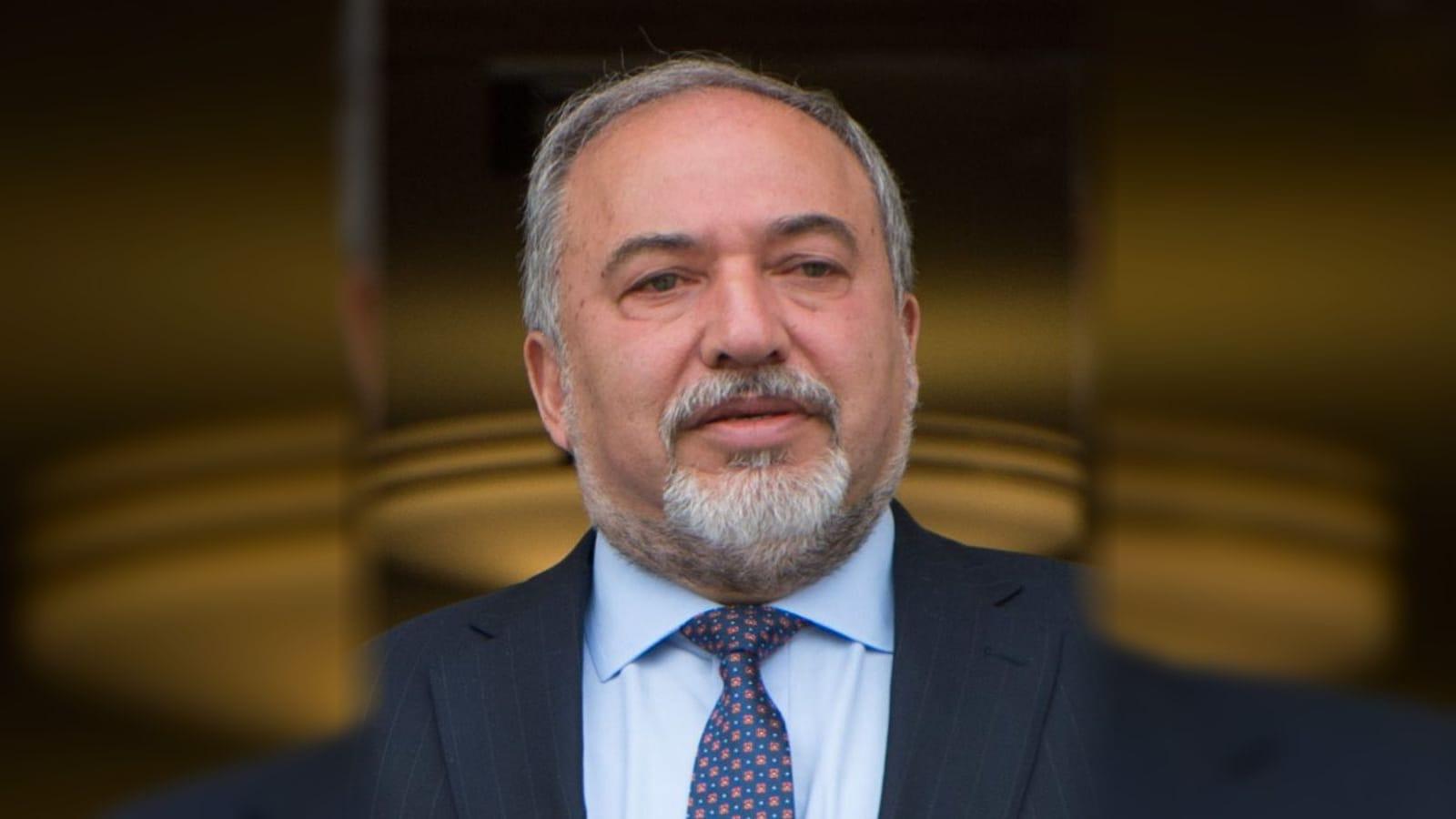
File photo
Security
Liberman to get security briefing from Netanyahu's military secretary
File photo
Elections
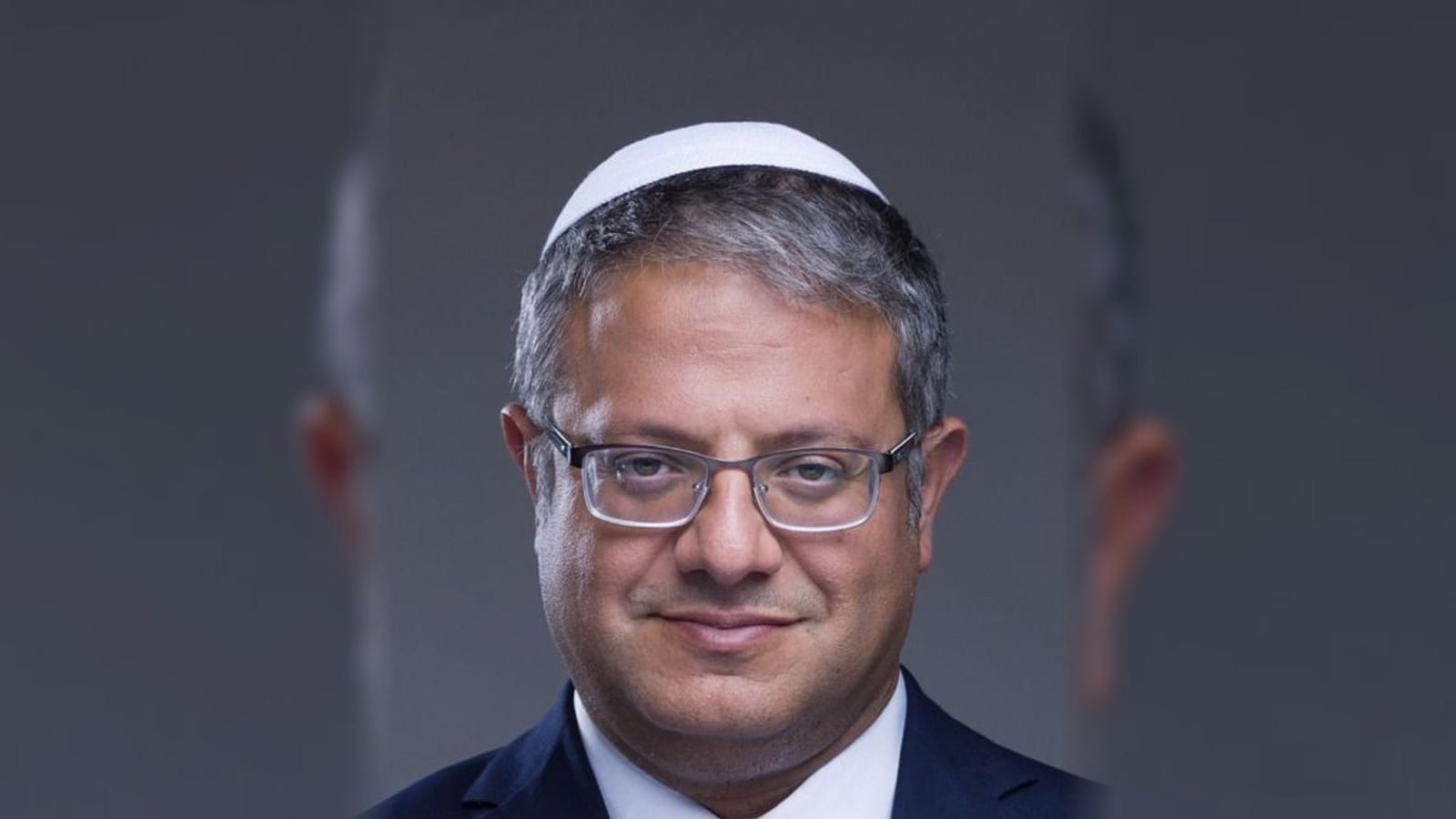
Ben-Gvir says Eisenkot, Bennett and Lieberman empowered Arab parties
File photo
Elections
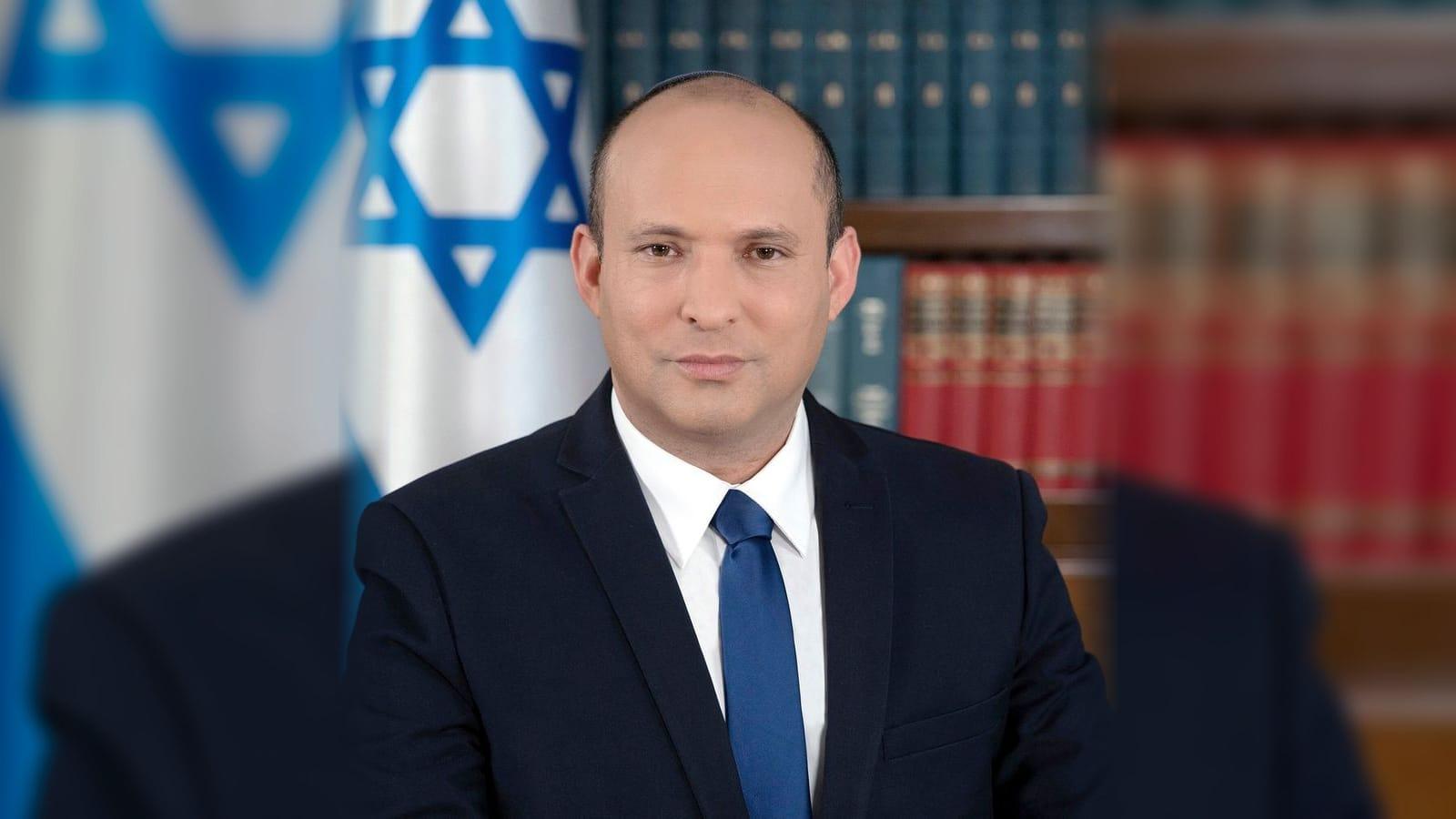
Bennett urged change bloc to pursue unity deal with Eisenkot first, N12 says
Sources and further reading
Every link below was opened and checked when this page was written. Official statements are marked as such: they are the subject's own account, not an independent one.
- Reportingyediothynet.co.ilYnet
- Reportingyediotht.meYnet alerts
- Reportingtoitimesofisrael.comThe Times of Israel
- Reportingjpostjpost.comThe Jerusalem Post
- Reportingnewssilt.meNews.co.il
- Reportingkeshett.meN12
How we checked this
The statement was reported by Ynet, The Times of Israel, The Jerusalem Post, N12 and News.co.il, which published the text. The claim that a narrow government was being planned is Netanyahu's alone, and The Jerusalem Post's reading that he meant Arab parties is its own interpretation.
Our sourcing and corrections policy →The week from Israel, in one email
The stories that mattered, sourced and checked by the Israel.com newsroom. Free, weekly, one-click unsubscribe.
One list, unsubscribe in a click. See our privacy policy.

Israel.com is free, and readers like you keep it that way.
The Israel.com newsroom checks every story against its sources and publishes it free. If this one helped, a contribution of any size keeps the next one free too.
One payment, nothing to sign up for. Another amountGive monthly
Latest

Illustration

Illustration

Illustration

Illustration

Illustration

Illustration