Cellcom's third-quarter net profit climbs 35.5% to NIS 103 million
The Israeli telecoms company reported its strongest quarterly profit in twelve years, even as total revenue edged slightly lower, according to Globes and N12.
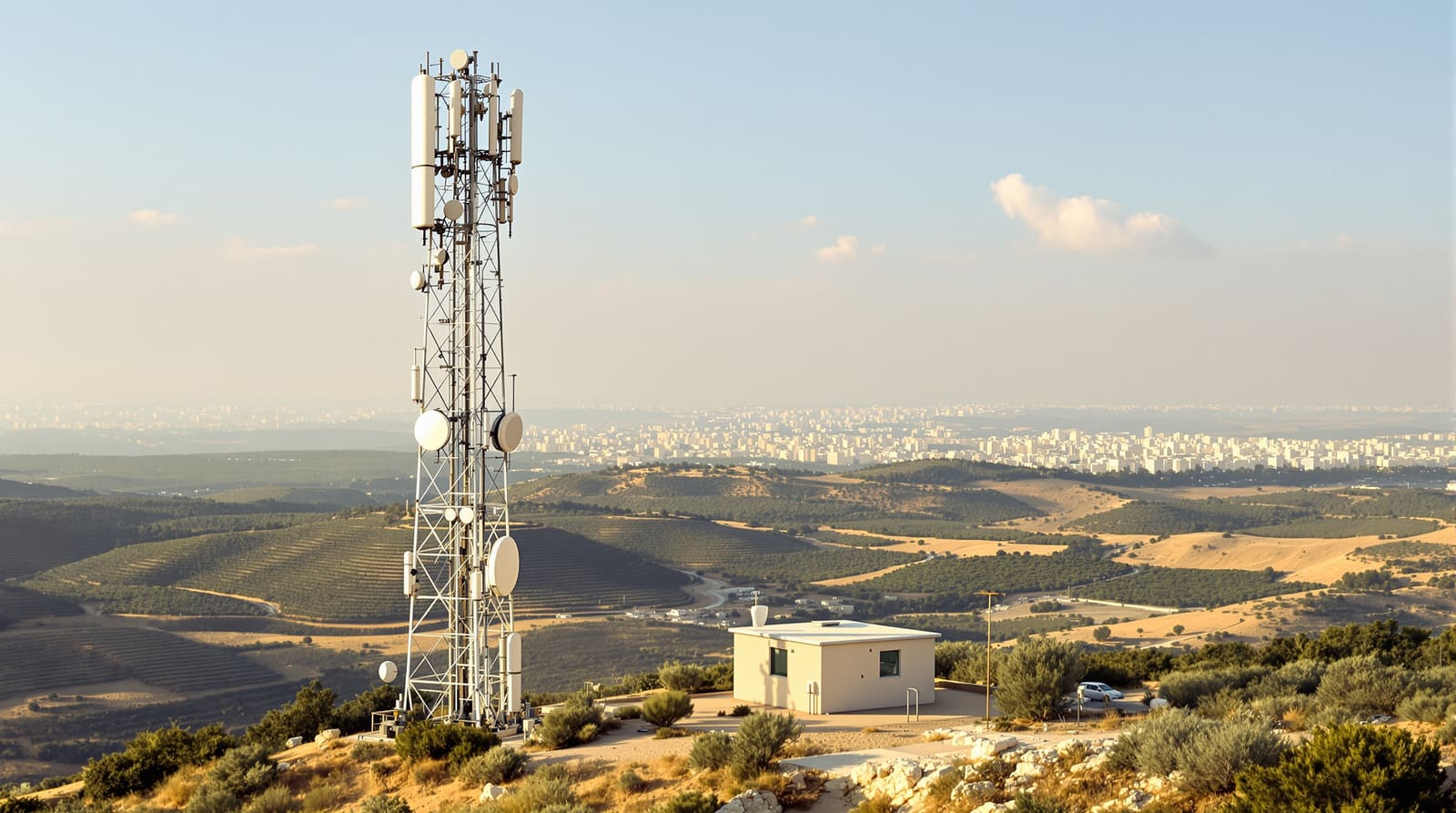
AI illustration, not a photo of the events.
Cellcom, the Israeli telecommunications company, reported a net profit of NIS 103 million for the third quarter, a rise of 35.5% and its highest quarterly profit in twelve years. Globes, the Israeli business daily, reported the result and said the company's net debt had dropped below NIS 1 billion.
The improvement in profit came without growth in the top line. According to N12 business correspondent Lior Bakalo, total revenue for the quarter dipped slightly to NIS 1.03 billion, while average monthly revenue per mobile subscriber rose to NIS 40.9, the highest level in three years.
What the figures mean
The amounts are given in new Israeli shekels, abbreviated NIS, the national currency. Net profit is what remains after a company has covered its costs, interest and taxes, so a jump in net profit alongside a small fall in revenue points to a business keeping more of each shekel it takes in, rather than one that is simply selling more.
The second figure N12 highlighted is known in the industry as ARPU, short for average revenue per user. It measures how much a mobile operator earns, on average, from each customer in a month. Operators watch it closely because it reflects pricing power: a rising ARPU usually means customers are paying more for their plans or buying additional services, rather than the company relying only on adding new subscribers. N12 reported Cellcom's figure at NIS 40.9, its best reading in three years.
Net debt is a company's borrowings minus the cash it holds. Globes reported that Cellcom's net debt now stands below NIS 1 billion. A lower debt load generally reduces interest costs and gives a company more room to manoeuvre, which is why analysts and investors often read it alongside profit when judging the health of a business.
Israel's week in five stories, every Friday
Sourced and checked by the Israel.com newsroom, with Shabbat times. Free, one-click unsubscribe.
One list, unsubscribe in a click. See our privacy policy.
Two reports, overlapping details
Both outlets agree on the central numbers: a third-quarter net profit of NIS 103 million, an increase of 35.5%, and a result that is the strongest for Cellcom in twelve years. Beyond that, each report adds a detail the other does not carry. Globes mentioned the reduction in net debt to below NIS 1 billion; N12 mentioned the slight decline in total revenue to NIS 1.03 billion and the rise in mobile ARPU to NIS 40.9. The two accounts do not contradict each other on any point, but the revenue and ARPU figures rest on the N12 report alone, and the debt figure rests on Globes alone.
N12 is the news brand of Channel 12, one of Israel's main television broadcasters, and its business correspondent posted the figures on the channel's news update feed. Globes is a long-established Israeli financial newspaper that publishes in Hebrew and English.

Illustration
Next story Economy
Bank Leumi reports record NIS 3 billion profit for the third quarter
Why the result draws attention
For readers following the Israeli economy from abroad, quarterly results from the country's communications companies are one of the more direct windows into consumer spending and competition in a sector that touches nearly every household. A company reaching its highest profit in more than a decade, while its revenue holds roughly flat, suggests that the gains are coming from margins and pricing rather than from expansion. That reading is consistent with the higher ARPU N12 described, though neither report explicitly links the two.
The figures also matter for shareholders and lenders. A falling debt burden and a rising bottom line together are typically the measures that investors look for when assessing whether a company can fund investment or return money to its owners. Neither report, however, says anything about how Cellcom intends to use its improved position.
What the reports do not say
The reports do not explain what drove the profit increase, whether lower costs, higher prices or one-off items. They do not give the comparable figures from the same quarter a year earlier beyond the percentage change, do not include any comment from Cellcom's management, and do not report how the company's shares or the wider market responded. There is also no information on subscriber numbers or on any outlook the company may have offered for the rest of the year.
Read next
All economy →
File photo
Security
Bennett's B'Yachad files bill offering reservists NIS 4,000 a month for childcare

File photo
Economy
Israeli prices fell 0.1% in October as Smotrich credits his policy

Illustration
Economy
Nakash family sells control of Israeli airline Arkia to investor group

Illustration
Economy
Spain's first general strike in 14 years hits weeks before national vote
Sources and further reading
Every link below was opened and checked when this page was written. Official statements are marked as such: they are the subject's own account, not an independent one.
How we checked this
Globes and N12 both reported the NIS 103 million net profit, the 35.5% rise and the twelve-year high. The net debt figure comes from Globes alone, and the revenue and ARPU figures come from N12 alone; we have not seen Cellcom's own financial statement.
Our sourcing and corrections policy →The week from Israel, in one email
The stories that mattered, sourced and checked by the Israel.com newsroom. Free, weekly, one-click unsubscribe.
One list, unsubscribe in a click. See our privacy policy.

Israel.com is free, and readers like you keep it that way.
The Israel.com newsroom checks every story against its sources and publishes it free. If this one helped, a contribution of any size keeps the next one free too.
One payment, nothing to sign up for. Another amountGive monthly
Latest

File photo
Illustration

Illustration

Illustration

Illustration

Illustration