Drone alert sirens in Zar'it and Shomera were a false identification, IDF says
Sirens warning of a hostile aircraft sent residents of two Western Galilee border communities to shelters, before the military said no infiltration had taken place.

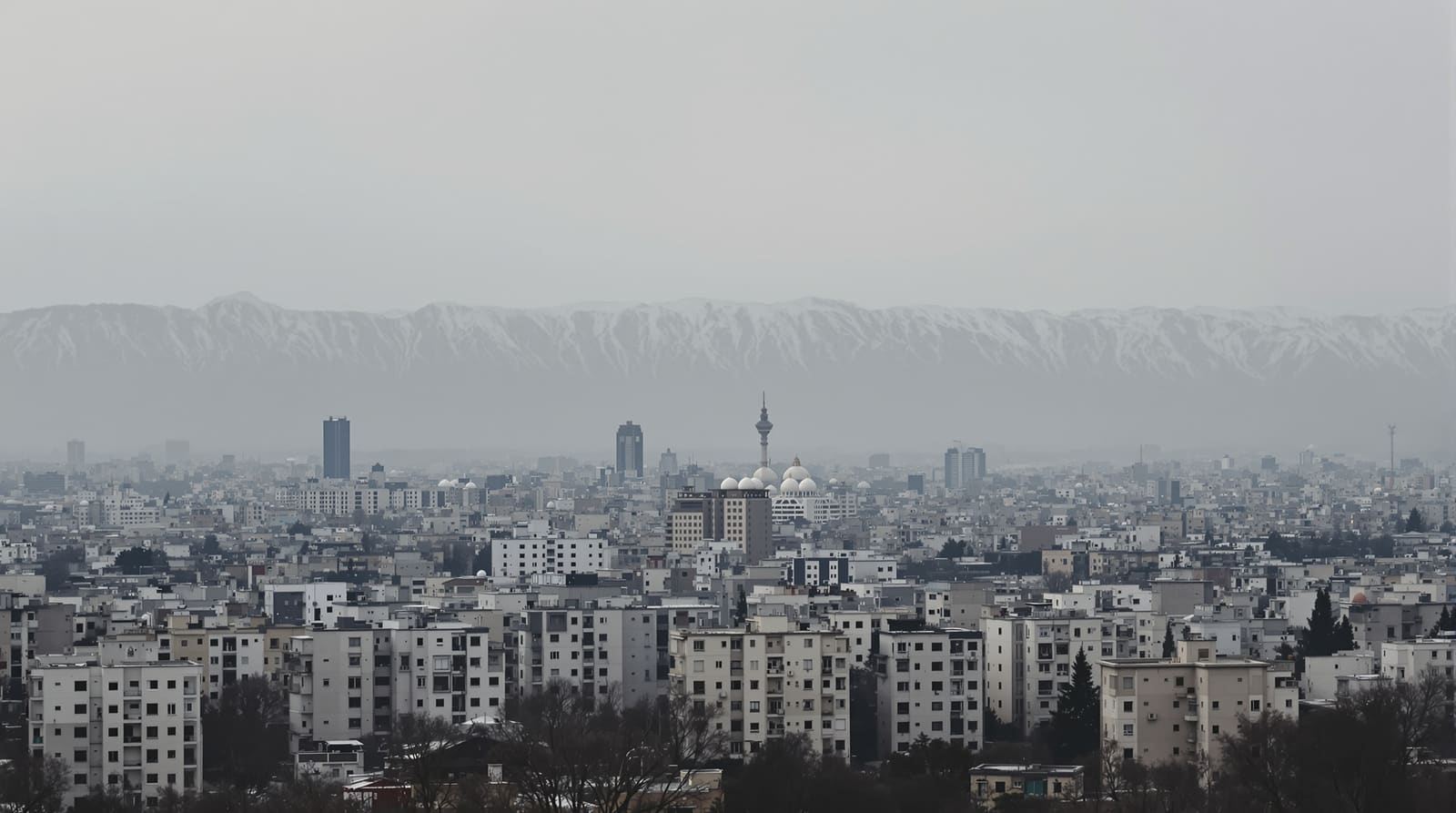
AI illustration, not a photo of the events.
Residents of Zar'it and Shomera, two communities in northern Israel's Western Galilee, were told to enter protected spaces on Sunday morning after sirens warned of a suspected hostile aircraft infiltration. The military later said the alert had been triggered by a false identification. According to alerts relayed from the Home Front Command, the warning for Zar'it went out at 6:10 local time on 8/11/2026, with an identical alert for Shomera issued in the same minute.
The Israel Defense Forces (IDF) spokesperson first said that sirens over a hostile aircraft infiltration had sounded in the two areas and that the details were being examined. In a follow-up statement, the military said it had been determined that the sirens were the result of "a false identification." No injuries or damage were mentioned in any of the reports.
How the morning unfolded
The Home Front Command alerts placed both communities in the zone it labels the confrontation line area, the band of localities closest to the northern border. The instruction to residents was to go into a protected space immediately. At 6:22, the Home Front Command announced that the incident was over and that people sheltering could come out, adding that they should continue to follow its guidance if a new alert or instruction was received.
Hebrew news outlets tracked the sequence in real time. The Israeli broadcaster N12, through its correspondent Guy Varon, reported that an alert over a suspected drone infiltration had been activated in the two communities, and later relayed the Home Front Command's all-clear. Ynet, the news site of the Yedioth Ahronoth group, reported the IDF as saying residents could leave their shelters, and then that the military had described the sirens in the Western Galilee as a false identification.
The Times of Israel first reported that sirens had sounded in Western Galilee communities and that the IDF was investigating, then updated its live coverage with the military's conclusion that the drone warning was a false alarm. The Jerusalem Post also reported the IDF's confirmation that the alert was a false alarm.
Israel's week in five stories, every Friday
Sourced and checked by the Israel.com newsroom, with Shabbat times. Free, one-click unsubscribe.
One list, unsubscribe in a click. See our privacy policy.
Where Zar'it and Shomera are
Both communities sit in the Western Galilee, in Israel's far north. The Jerusalem Post described the alert area as lying along the Lebanese border. Their position in the Home Front Command's confrontation line zone means they receive warnings with very little lead time, which is why residents are told to take cover at once rather than within a set interval.
What the alert terms mean
The Home Front Command is the branch of the IDF responsible for civil defence. It issues the sirens and phone alerts that tell people in Israel to take shelter, and it decides when an incident has ended. Its alerts are sorted by threat type; the category used on Sunday translates as "hostile aircraft infiltration," which the IDF used in its English statements. The Times of Israel and N12 described the suspected threat specifically as a drone. N12 used the Hebrew acronym for an unmanned aerial vehicle.
Illustration
Next story Security
Iran hangs three men over January 2026 unrest, citing work for Israel
A "protected space" (in Hebrew, merhav mugan) is the reinforced room or shelter that Israeli homes and buildings are expected to have, designed to withstand blasts and shrapnel. When an alert sounds, residents are instructed to remain there until the Home Front Command announces that they may leave.
A "false identification" is the military's term for a case in which its detection systems flagged a possible threat that turned out not to be one. Because alerts in border areas are triggered automatically and quickly to give residents time to reach shelter, the system errs towards warning, and the IDF typically follows up once it has reviewed what set the alert off.
Differences between the reports
The reports agree on the places, the timing and the military's conclusion. They differ slightly in framing. The IDF referred to a hostile aircraft, while several outlets called it a drone. The Jerusalem Post's account said an intrusion had been identified along the border, wording that reads differently from the IDF's later finding that the identification was false; the same report nonetheless carried the IDF's confirmation that the alert was a false alarm.
What the reports do not say
None of the reports explain what caused the false identification, such as which detection system flagged the supposed aircraft or what it actually picked up. They also do not say whether any interception was attempted before the alert was cancelled, or whether the IDF will make changes as a result.
Read next
All security →
Illustration
Security
Saudi Arabia says it intercepted a Houthi ballistic missile aimed at its east

Illustration
Security
Iran's Revolutionary Guards say two tankers caught fire near Hormuz

Illustration
Security
US aircraft fires on stern of ship trying to run Iran blockade in Gulf of Oman

Illustration
Security
Blasts across Iran's Hormuz coast, casualties reported at Jask, US role unconfirmed
Sources and further reading
Every link below was opened and checked when this page was written. Official statements are marked as such: they are the subject's own account, not an independent one.
- Officialidft.meIDF spokesperson
- Officialidft.meIDF spokesperson
- Reportingyediotht.meYnet alerts
- Reportingyediotht.meYnet alerts
- Reportingtoitimesofisrael.comThe Times of Israel
- Reportingtoitimesofisrael.comThe Times of Israel
- Reportingjpostjpost.comThe Jerusalem Post
- Reportingoref-relayt.meHome Front Command alerts (relay)
- Reportingoref-relayt.meHome Front Command alerts (relay)
- Reportingoref-relayt.meHome Front Command alerts (relay)
- Reportingkeshett.meN12
- Reportingkeshett.meN12
- Reportingkeshett.meN12
How we checked this
The alerts, the all-clear and the false-identification finding were reported by the Home Front Command relay, the IDF spokesperson, Ynet, N12, The Times of Israel and The Jerusalem Post. The explanation that the alert was a false identification comes from the IDF alone, and its cause has not been published.
Our sourcing and corrections policy →The week from Israel, in one email
The stories that mattered, sourced and checked by the Israel.com newsroom. Free, weekly, one-click unsubscribe.
One list, unsubscribe in a click. See our privacy policy.
Latest

File photo

Illustration

Illustration

Illustration
File photo · Chris Gallimore / Unsplash

File photo
