Eisenkot bloc plans Knesset speaker vote and repeal of judicial overhaul laws
Gadi Eisenkot's bloc intends to use its new Knesset majority to undo the outgoing government's judicial laws and pick a speaker while coalition talks go on.
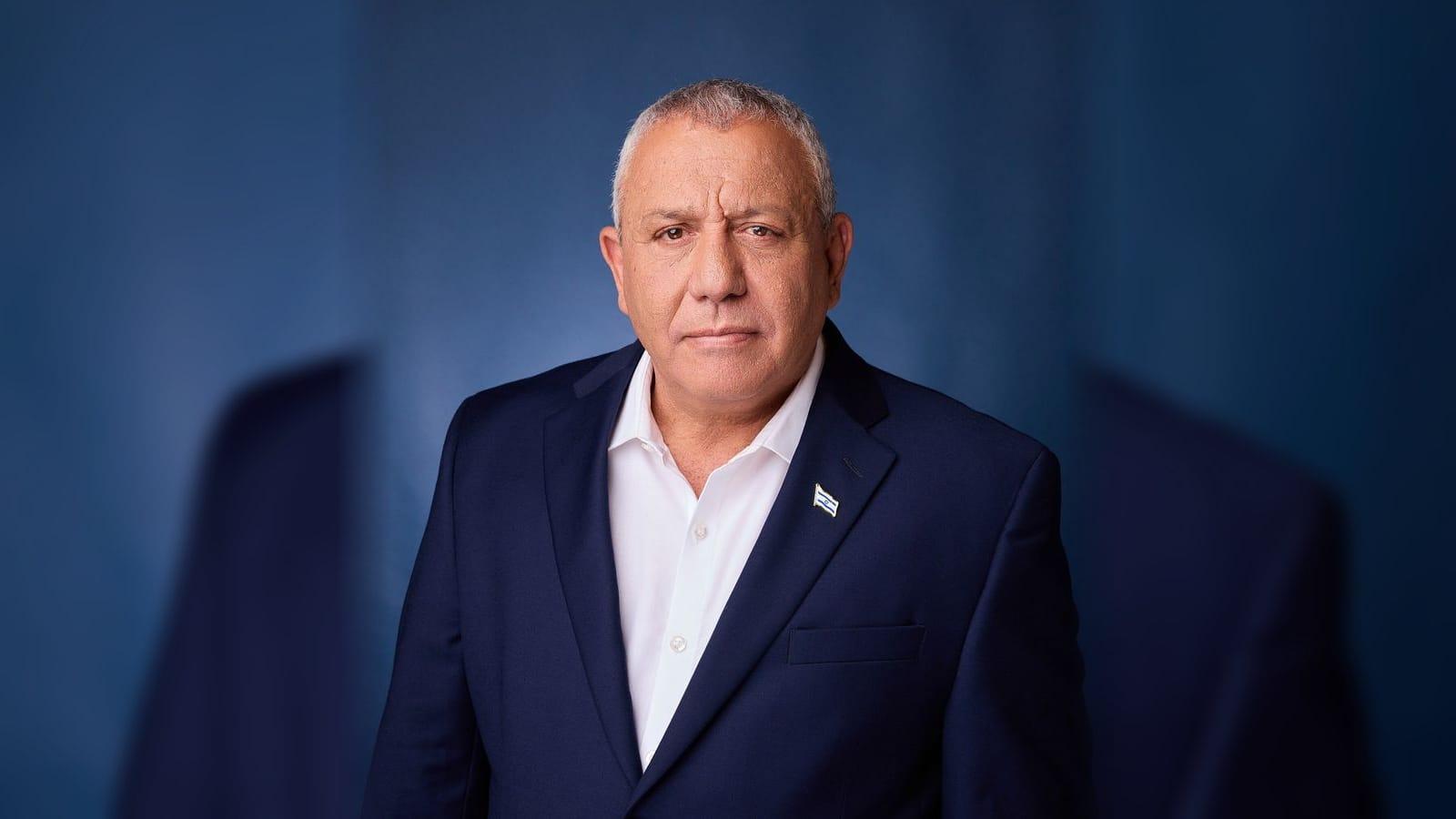
Gadi Eisenkot. File photo by יהב טרודלר (Yahav Trudler - Yahav Studio), CC BY-SA 3.0, via Wikimedia Commons.
The parliamentary bloc led by Gadi Eisenkot is preparing to use its new majority in the Knesset, Israel's parliament, to begin rolling back the judicial overhaul legislation passed by the outgoing government and to install a new Knesset speaker, Haaretz reported. According to the newspaper, both steps are planned for the coming week.
The moves are taking place before any new government has been formed. Haaretz reported that talks on assembling a governing coalition are still under way, which means the bloc is acting through its control of the parliamentary floor rather than through cabinet ministries.
What the sources posted

כל מה שקורה עכשיו בכנסת הוא לא רק ויכוח פוליטי רגיל. זה תוצאה של מאבק פנימי על השאלה מי אנחנו. מי שניסה לבנות לנו זהות חדשה - “ישראלים” במקום יהודים, זהות שמבוססת רק על השטח שבו אנחנו גרים ולא על היותנו העם היהודי השב לארצו - נתן בלי להתכוון לערבים את המפתח לשמור על הזהות הזו. Show more

On the ground

Eisenkot bloc seeks key Knesset committees to undo Netanyahu's judicial coup haaretz.com/israel-news/is…
What the bills are said to contain
Haaretz's report, most of which sits behind a paywall, does not list the individual bills in its publicly available text. A more detailed list came from Moshe Feiglin, a right-wing politician who opposes the measures. In a Hebrew-language post on X, Feiglin wrote that a package of bills submitted to the 26th Knesset this week would cancel all of the judicial reform laws, reverse what he called the media reform, and repeal the so-called incapacity law. He also wrote that the package would cap how long a prime minister can serve and bar a prime minister from holding office while under indictment.
Feiglin's description of the package has not been confirmed in the portion of the Haaretz report available to the public, and it should be read as his own account. He characterised the bills as an attack by the left on the Jewish identity and sovereignty of the state, and wrote that their purpose was to protect what he called the left-wing elite and the deep state and to end the political career of Benjamin Netanyahu. Those are his political claims, not established facts.
In a second post, Feiglin framed the current dispute in the Knesset as more than an ordinary political argument. He wrote that it reflected an internal struggle over national identity, arguing that efforts to replace a Jewish identity with a civic "Israeli" one had handed Arab citizens a decisive role in sustaining that civic identity.
Get an email the day Israel has a new government.
Coalition talks can take weeks. When a government is sworn in, Israel.com's newsroom emails who leads it, which parties are in and who got which ministry, then the Friday email each week. Free, and one click unsubscribes.
One list, unsubscribe in a click. See our privacy policy.
The Knesset and its speaker
The Knesset is Israel's single-chamber legislature. Its speaker chairs sessions of the full house and has significant influence over the parliamentary agenda, including which bills come up for debate and when. Electing a speaker is one of the first items of business for a newly sworn-in parliament, and a bloc that controls a majority can choose a speaker from its own ranks even before a government is in place. That is why the speakership vote matters to the Eisenkot bloc's legislative plans.
What the judicial overhaul was
The "judicial overhaul" refers to a programme of legislation advanced by Netanyahu's government that sought to change the balance of power between the elected branches and the courts. Supporters described it as a necessary reform to curb what they saw as an overreaching judiciary. Opponents, who in Israel often call it a judicial coup, said it weakened the independence of the courts and the checks on government power. The programme triggered one of the deepest political divisions in the country's recent history.
File photo
Next story Government
Eisenkot accuses Netanyahu of stalling Knesset security committee meeting
The incapacity law that Feiglin named is generally understood to refer to legislation narrowing the circumstances in which a sitting prime minister can be declared unfit to serve. Critics argued it was designed to shield Netanyahu, who faces criminal charges, from being removed on those grounds. A ban on a prime minister serving under indictment, also named in Feiglin's list, would bear directly on Netanyahu's position for the same reason.
How this fits the current political moment
Haaretz described Eisenkot's bloc as having newly secured a Knesset majority, and it referred to the Netanyahu-led cabinet as the outgoing government. A bloc that controls the parliament but has not yet formed a government can still pass legislation, since lawmaking is a function of the Knesset rather than the cabinet. Repealing laws, however, requires bills to pass through several readings, so the steps described for the coming week would mark the start of that process rather than its completion.
What the reports do not say
The available reports do not name the candidate the bloc intends to back for speaker, and they do not give a timetable for the readings each repeal bill would need. No response from Netanyahu or his Likud party to the planned repeals has been reported. The precise contents of the bill package rest, in the material available, on Feiglin's account alone.
Read next
All government →
File photo
Government
Eisenkot bloc and Lapid file bills on the 26th Knesset's opening day
File photo
Government
Netanyahu offers unity talks without preconditions; Eisenkot calls it spin
File photo
Government
Smotrich urges Eisenkot to meet Netanyahu and join a unity government
File photo
Government
Netanyahu urges Eisenkot to unity talks without preconditions, citing Iran
Sources and further reading
Every link below was opened and checked when this page was written. Official statements are marked as such: they are the subject's own account, not an independent one.
- Officialfeiglinx.comMoshe Feiglin on X
- Officialfeiglinx.comMoshe Feiglin on X
- Reportinghaaretzhaaretz.comHaaretz
How we checked this
The plan to repeal the judicial overhaul laws and elect a speaker is reported by Haaretz. The detailed list of bills comes only from posts by Moshe Feiglin, an opponent of the measures, and is attributed to him.
Our sourcing and corrections policy →
The week from Israel, in one email
The stories that mattered, sourced and checked by the Israel.com newsroom. Free, weekly, one-click unsubscribe.
One list, unsubscribe in a click. See our privacy policy.

Israel.com is free, and readers like you keep it that way.
The Israel.com newsroom checks every story against its sources and publishes it free. If this one helped, a contribution of any size keeps the next one free too.
One payment, nothing to sign up for. Another amountGive monthly
Latest

Illustration
File photo

Illustration

Illustration

Illustration

Illustration