Netanyahu says Eisenkot meeting reinforced his push for a national unity government
Prime Minister Benjamin Netanyahu said a Thursday conversation with Gadi Eisenkot convinced him a broad unity government is needed, and reportedly invited talks without preconditions.
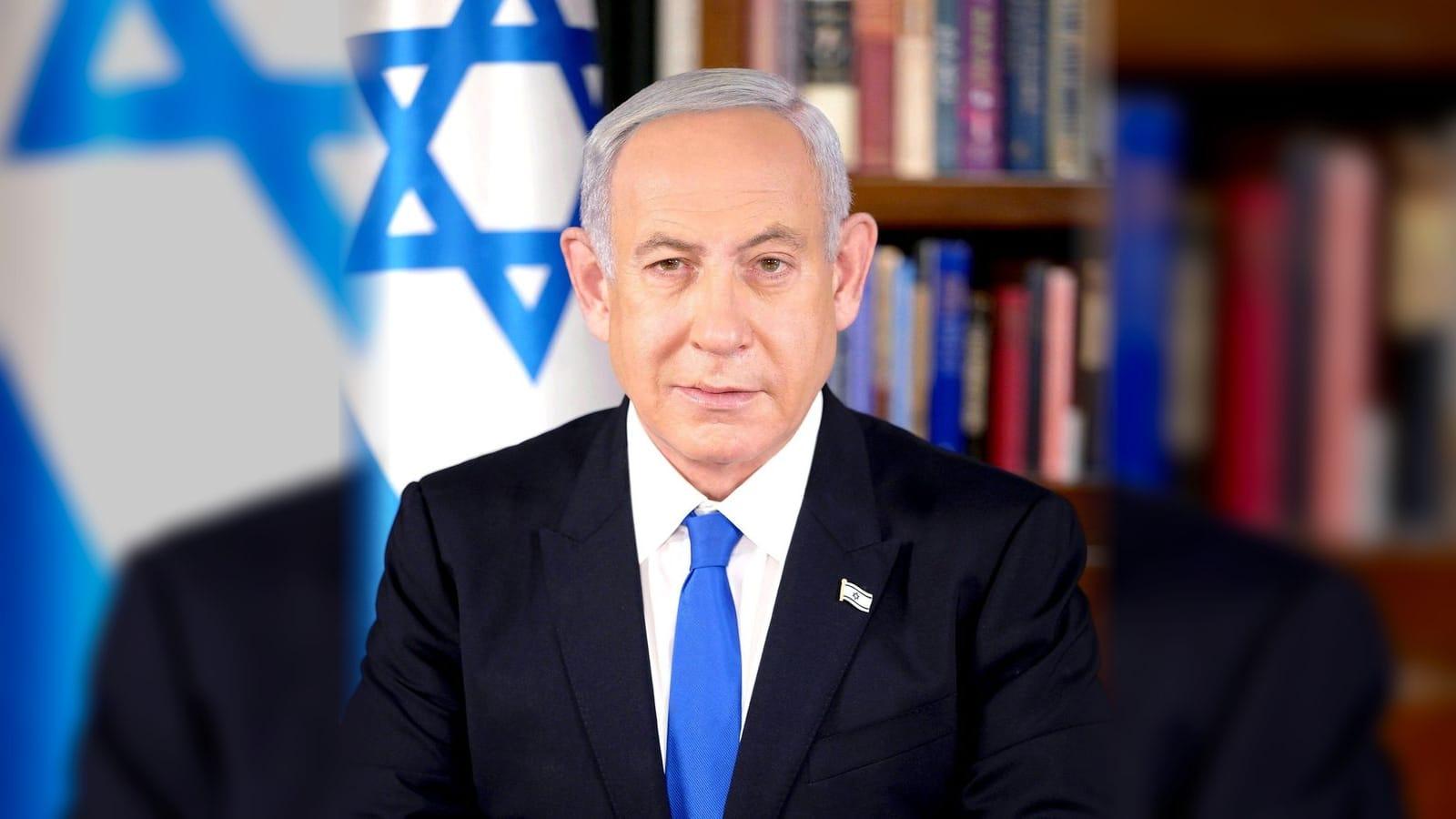
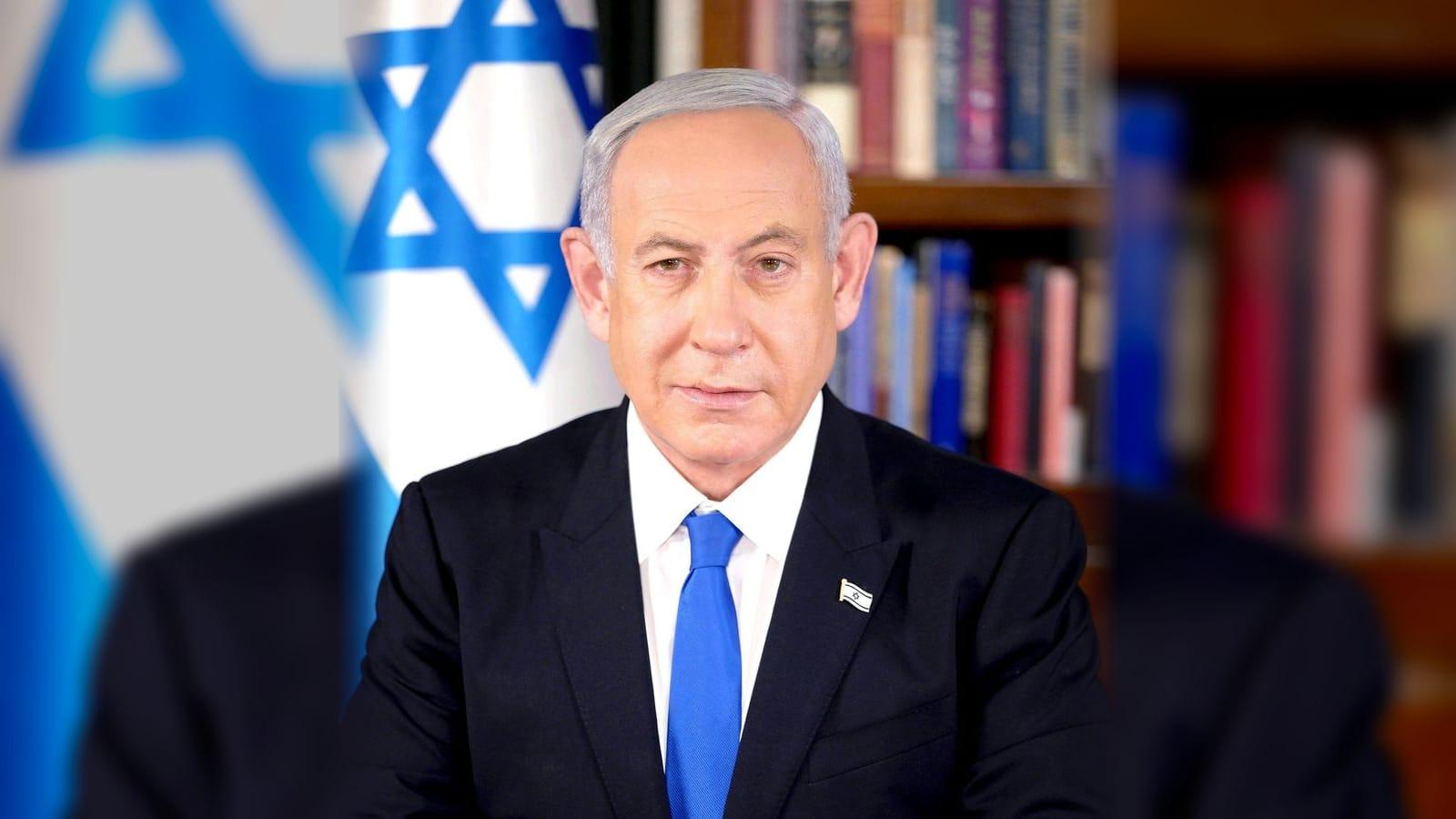
Benjamin Netanyahu. File photo by Avi Ohayon, CC BY-SA 3.0, via Wikimedia Commons.
Prime Minister Benjamin Netanyahu said in a statement that a conversation he held on Thursday with Gadi Eisenkot, the former chief of staff of the Israel Defense Forces (IDF), had deepened his conviction that Israel needs a national unity government at this time. The statement was published on Telegram by political journalist Amit Segal, who posted the text of the prime minister's remarks, and its main line was also carried by N12, the Israeli television news outlet, citing its political correspondent Dafna Liel.
In the statement, Netanyahu described the meeting as important and said he and Eisenkot have known each other for many years, since Eisenkot's term at the head of the military and before it. According to a separate post by Amit Segal, Netanyahu's message to Eisenkot on a unity government was, in effect, that the two should sit down together without preconditions and reach agreements.
What Netanyahu said
The core of the statement, as published, is a call for a government that would bring in every party that supports the existence of Israel as the state of the Jewish people. Netanyahu said such a government would be able to face what he called vast and complex security challenges ahead of the country.
He tied that argument directly to Iran. According to the text posted by Segal, Netanyahu said the Iranian regime, which he accused of seeking Israel's destruction, is once again working to revive its nuclear programme. He went on to describe the regime as murderous, but the version of the statement available in the reports is cut off at that point, so the rest of his remarks on Iran are not included here.
The phrase N12 chose to highlight was Netanyahu's line that the meeting with Eisenkot "strengthened the understanding" of how necessary it is to form a national unity government.
Get an email the day Israel has a new government.
Coalition talks can take weeks. When a government is sworn in, Israel.com's newsroom emails who leads it, which parties are in and who got which ministry, then the Friday email each week. Free, and one click unsubscribes.
One list, unsubscribe in a click. See our privacy policy.
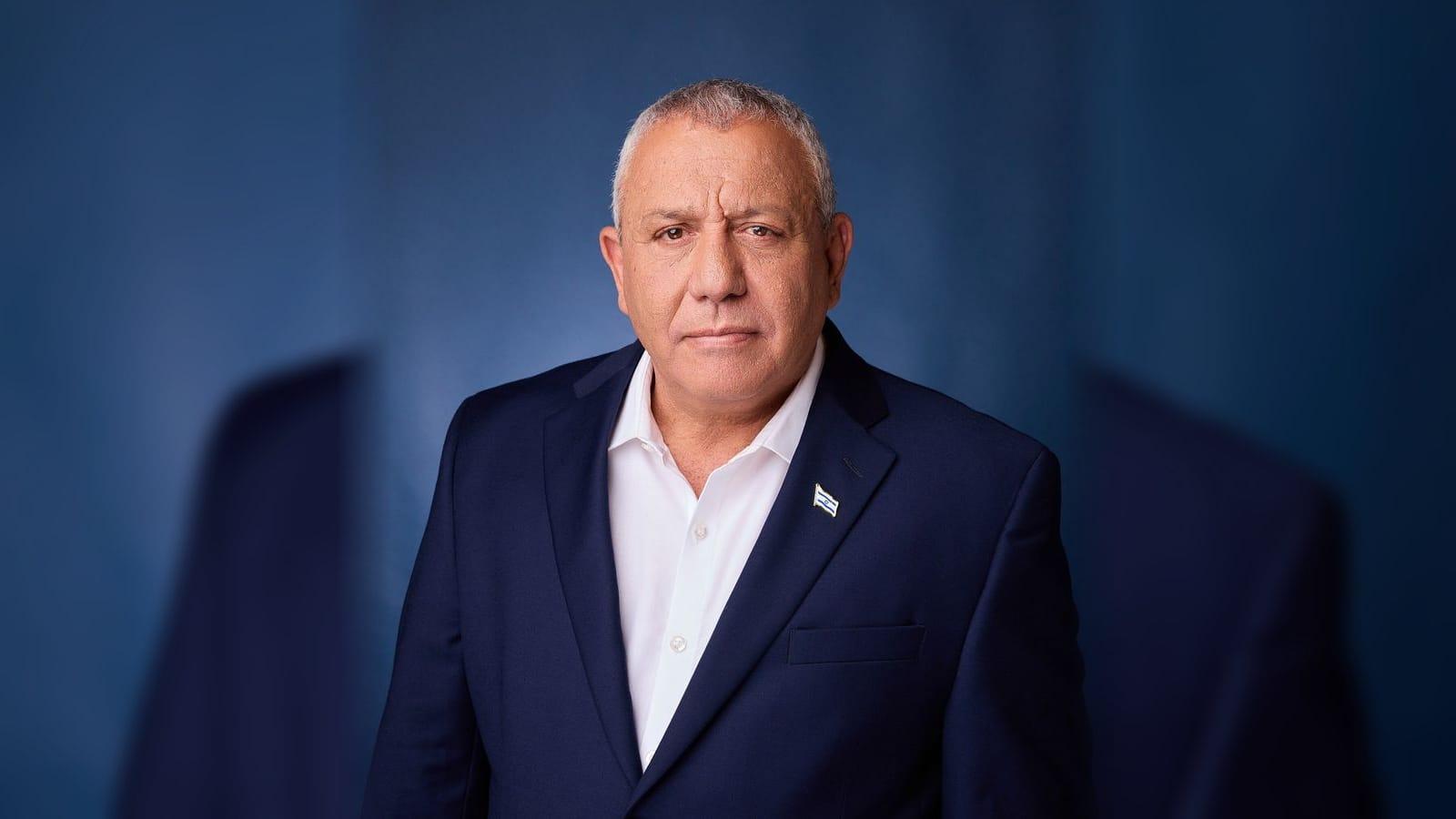
Who Gadi Eisenkot is
Netanyahu's statement itself refers to Eisenkot's time as chief of staff, the most senior post in the IDF, which places him among the country's best known former security chiefs. The reports do not describe Eisenkot's current political role or position, and they do not say whether he requested the meeting or Netanyahu did.
What a national unity government means in Israel
Israel is governed by coalitions, because no single party typically wins a majority in the Knesset, the country's parliament. A government is formed when a prime minister assembles enough parties to command a majority. A "national unity government" is the term used for a coalition that reaches beyond a prime minister's natural political allies to include rivals from across the spectrum, usually justified by a security emergency or a political deadlock.
File photo
Next story Elections
Netanyahu's security briefing with Eisenkot ends after about two hours
Israeli politics has seen such arrangements before, and the idea tends to resurface at moments of military or diplomatic pressure. The criterion Netanyahu set out in this statement, support for Israel as the state of the Jewish people, is a definition that would include a wide range of Zionist parties while implicitly leaving out parties that reject that framing.
The significance of "without preconditions"
Coalition talks in Israel often stall before they start because parties publicly set conditions for joining, such as demands about who leads the government, which ministries they receive or which policies must be adopted. An invitation to negotiate without preconditions, as Segal reported Netanyahu extended, signals a willingness to open talks before any of those questions are settled. It does not by itself indicate what either side would ultimately accept.
How the reports compare
The two organisations agree on the central point: that Netanyahu said his meeting with Eisenkot reinforced the case for a unity government. Segal's posts go further, carrying a longer portion of the statement, including the references to Iran, and the summary that Netanyahu proposed talks without preconditions. N12's report, as available, contains only the single quoted line about the meeting and the need for unity. The "without preconditions" framing appears only in Segal's post and is presented there as a headline summary rather than a direct quote from the statement text.
What the reports do not say
None of the reports includes a response from Eisenkot, either to the meeting's characterisation or to the invitation to talks. They do not say what was discussed in the Thursday conversation beyond Netanyahu's account, which parties Netanyahu would expect to join such a government, or whether his current coalition partners were consulted. The full text of the statement, including the remainder of the passage on Iran, is also not available in the material.
Read next
All government →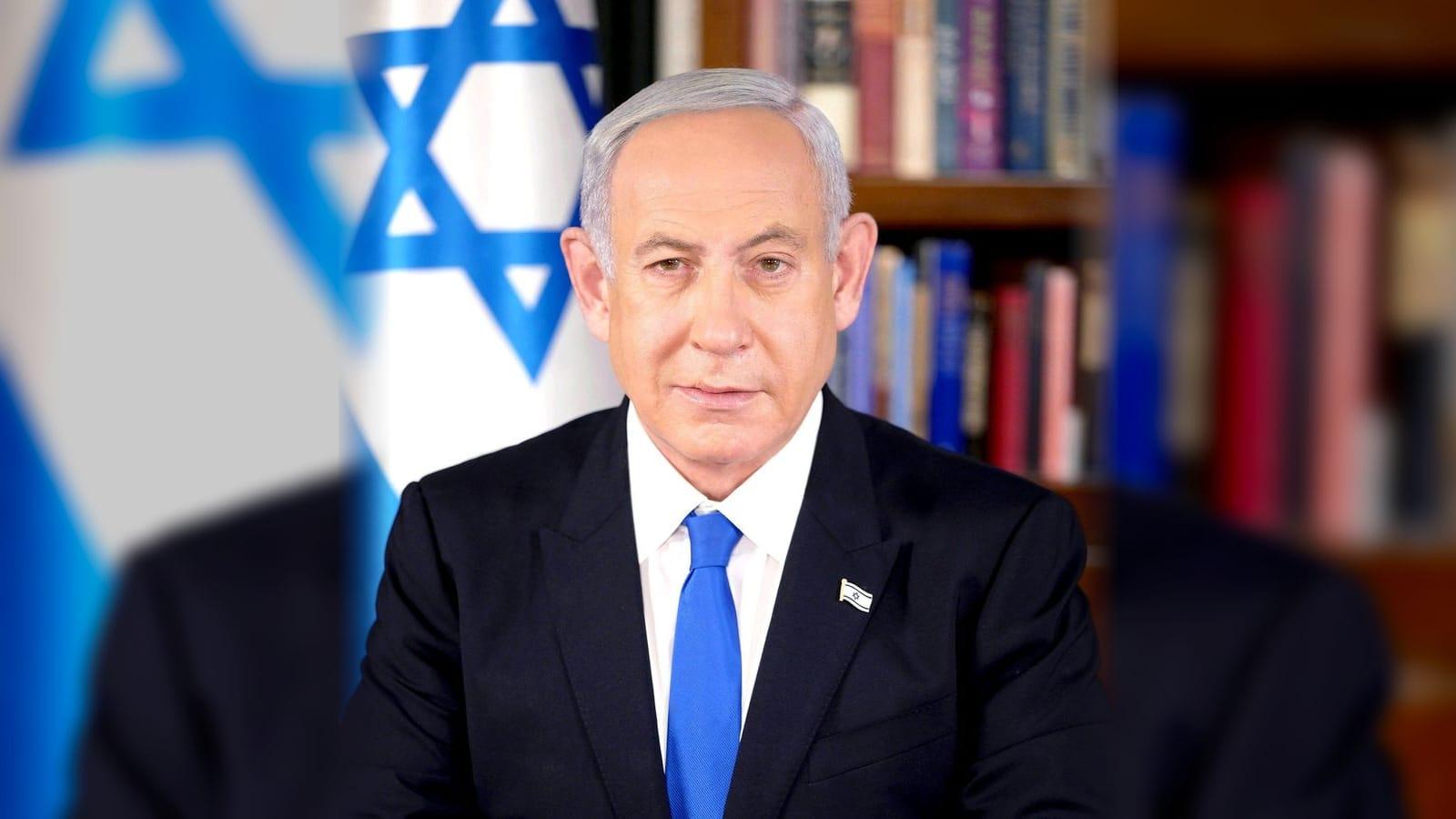
File photo
Elections
Netanyahu's office calls Eisenkot's public security letter irresponsible
File photo
Government
Eisenkot backs MK Peretz, accuses Netanyahu of racist campaign against Arabs
File photo
Elections
Eisenkot says he told Netanyahu the government needs tight oversight
File photo
Elections
Netanyahu confidant Natan Eshel approached Ra'am's Abbas over Eisenkot
Sources and further reading
Every link below was opened and checked when this page was written. Official statements are marked as such: they are the subject's own account, not an independent one.
- Reportingamitsegalt.meAmit Segal
- Reportingamitsegalt.meAmit Segal
- Reportingkeshett.meN12
How we checked this
Netanyahu's core statement about the meeting and a unity government was carried by both Amit Segal and N12. The invitation to talks without preconditions and the remarks on Iran appear only in Segal's posts; no response from Eisenkot was reported.
Our sourcing and corrections policy →The week from Israel, in one email
The stories that mattered, sourced and checked by the Israel.com newsroom. Free, weekly, one-click unsubscribe.
One list, unsubscribe in a click. See our privacy policy.

Israel.com is free, and readers like you keep it that way.
The Israel.com newsroom checks every story against its sources and publishes it free. If this one helped, a contribution of any size keeps the next one free too.
One payment, nothing to sign up for. Another amountGive monthly
Latest
File photo

Illustration
File photo

Illustration
File photo

Illustration