France denies entry to Samaria council head Yossi Dagan at border control
Yossi Dagan, who leads a council of West Bank settlements, says French officials refused him entry over his settlement work, a rare step against an Israeli official.

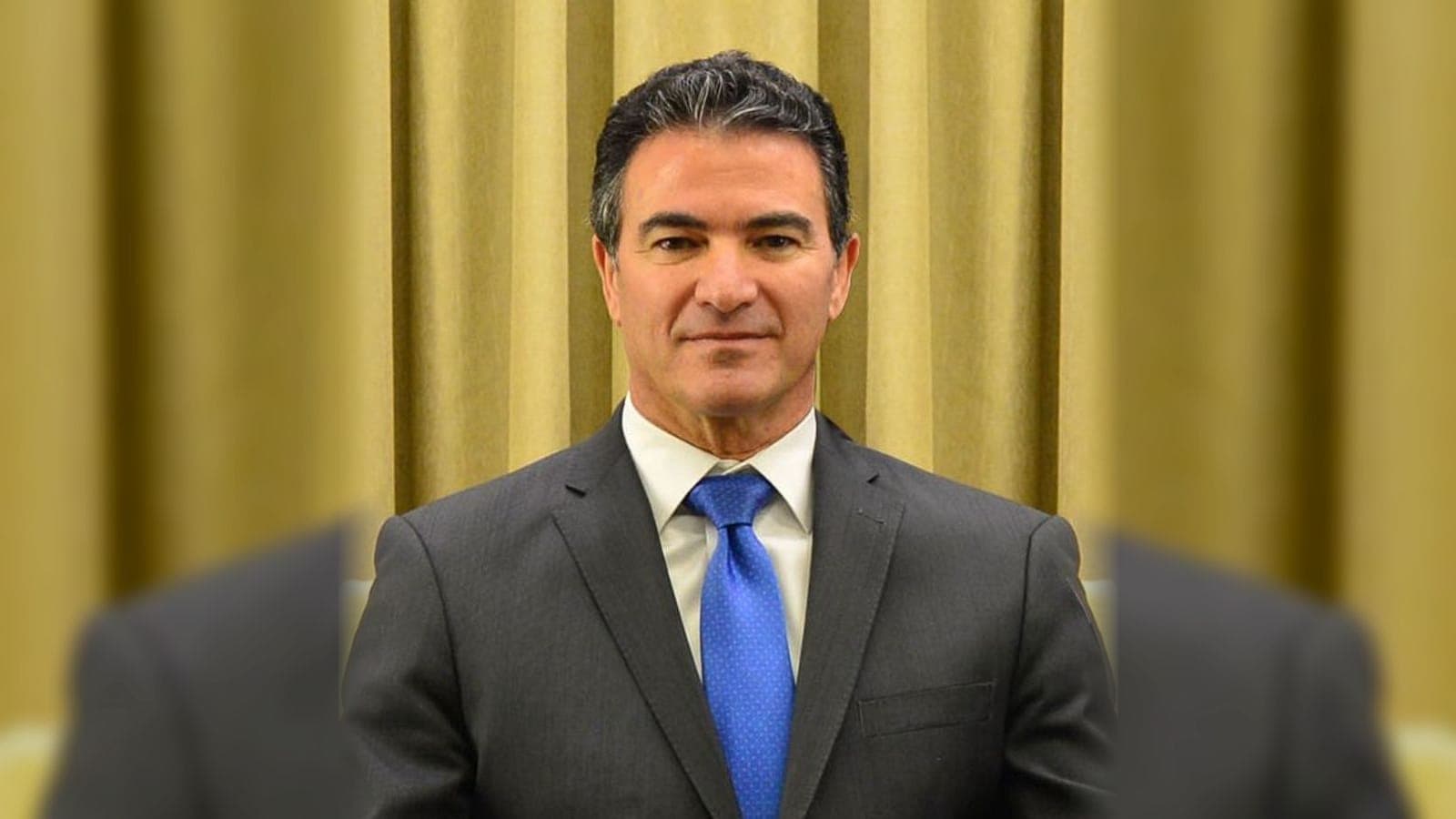
Yossi Dagan. File photo by נעמה שטרן, CC BY-SA 4.0, via Wikimedia Commons.
France has refused entry to Yossi Dagan, the head of the Samaria Regional Council, which represents Israeli settlements in the northern West Bank. The Jerusalem Post reported the ban as an exclusive, and several Hebrew-language outlets followed within the hour.
By Dagan's own account, as reported by Ynet, he was pulled aside for questioning at passport control and informed that he could not enter France. The reason he says he was given was his position as council head and his work building settlements and advancing a return to Gush Katif. Dagan told the officials he was "proud to be on the right side of history," according to Ynet. News.co.il described the move as unusual and said Dagan was held at the border before being turned away over his activity on behalf of settlement.
On the ground

Exclusive: In an unusual move, France barred Yossi Dagan, head of the Samaria Regional Council in the West Bank, from entering the country. @amichaistein1 reports jpost.com/israel-news/ar…

🔴 Samaria Regional Council head Yossi Dagan denied entry to France over settlement activities Read more here 👉 i24news.tv/en/news/intern…
Who Yossi Dagan is and what the council does
A regional council in Israel is a form of local government that serves a cluster of smaller communities rather than a single town. The Samaria Regional Council covers Israeli communities in the northern part of the West Bank, the territory Israel captured from Jordan and which many Israelis refer to by the biblical names Judea and Samaria. Under international law as most countries interpret it, including France, Israeli settlements in the West Bank are considered illegal, a position Israel disputes.
As council head, Dagan is an elected local official, not a member of the national government. He is nonetheless one of the most visible figures in the settlement movement, speaking regularly at right-wing political events in Israel. The Jerusalem Post illustrated its report with a photograph of him addressing the 2nd Right-Wing Conference in Tel Aviv on July 31, 2025.
What Gush Katif refers to
Gush Katif, Hebrew for the Katif bloc, was a group of Israeli settlements in the Gaza Strip. Israel evacuated the communities and withdrew its civilians and soldiers from Gaza, and the area has not had Israeli settlements since. Calls to resettle Gaza, and Gush Katif in particular, have come from parts of the Israeli right. According to the account Dagan gave, the French officials cited his promotion of that goal alongside his settlement building in the West Bank as grounds for the refusal.
Israel's week in five stories, every Friday
Sourced and checked by the Israel.com newsroom, with Shabbat times. Free, one-click unsubscribe.
One list, unsubscribe in a click. See our privacy policy.
How the reports differ in their framing
The outlets agree on the core event but present it with different degrees of certainty. The Jerusalem Post's headline states plainly that France barred Dagan. Ynet's breaking-news alert, by contrast, framed it as a claim, saying the Samaria council head asserts that France banned him, and its fuller article attributes the details of the questioning and the stated reasons to Dagan himself. The Abu Ali Express channel reported the ban as fact and quoted the reason as his role heading a council that builds settlements, including a return to Gush Katif.
None of the reports cites a statement from the French government, its embassy in Israel or French border authorities. As published so far, the explanation for the ban rests on what Dagan says he was told at the border.
Why the step stands out
Entry bans are a tool governments use against individuals they consider a threat to public order or whose activities they object to. A number of Western governments have in recent years taken measures against Israeli settlers and settler organisations, though the reports on this case do not place it within any wider French policy or sanctions list. News.co.il's description of the move as unusual reflects that a refusal of entry aimed at a serving Israeli local official, on the stated grounds of his settlement activity, is not a routine event.
What the reports do not say
- None of the reports includes a response from France confirming the ban or explaining its legal basis; the stated reasons come from Dagan's account.
- The reports do not name the airport or border crossing where Dagan was stopped, or say why he was travelling to France.
- It is not reported whether the ban is a one-off refusal at the border or a longer-term exclusion, or whether it might extend to other countries in Europe's Schengen area.
- No reaction from the Israeli government or Foreign Ministry has been reported.
Read next
All security →
Illustration
Emergency
Pedestrian killed by truck near Beit Dagan, driver in his 70s detained

Illustration
Technology
Israel's cyber chief Yossi Karadi says Iran is seeking AI tools for cyberattacks
File photo
Security
Ex-Mossad chief Yossi Cohen calls Saudi crown prince 'not mature enough'

Illustration
Security
France blames Iran's Revolutionary Guards for hack on supermarket fridges
Sources and further reading
Every link below was opened and checked when this page was written. Official statements are marked as such: they are the subject's own account, not an independent one.
- Reportingjpostjpost.comThe Jerusalem Post
- Reportingyediothynet.co.ilYnet
- Reportingyediotht.meYnet alerts
- Reportingabualiexpresst.meAbu Ali Express
- Reportingnewssilt.meNews.co.il
How we checked this
The ban was reported by The Jerusalem Post, Ynet, Abu Ali Express and News.co.il. The details of the questioning and the reasons given rest on Dagan's own account, and no French confirmation appears in any report.
Our sourcing and corrections policy →The week from Israel, in one email
The stories that mattered, sourced and checked by the Israel.com newsroom. Free, weekly, one-click unsubscribe.
One list, unsubscribe in a click. See our privacy policy.
Latest

File photo

Illustration

File photo

Illustration

Illustration

File photo