Israel's cyber chief Yossi Karadi says Iran is seeking AI tools for cyberattacks
Speaking at Cyber Week in Tel Aviv, the head of Israel's National Cyber Directorate warned Iran is pursuing AI-driven offensive cyber capability that could harm the world.

AI illustration, not a photo of the events.
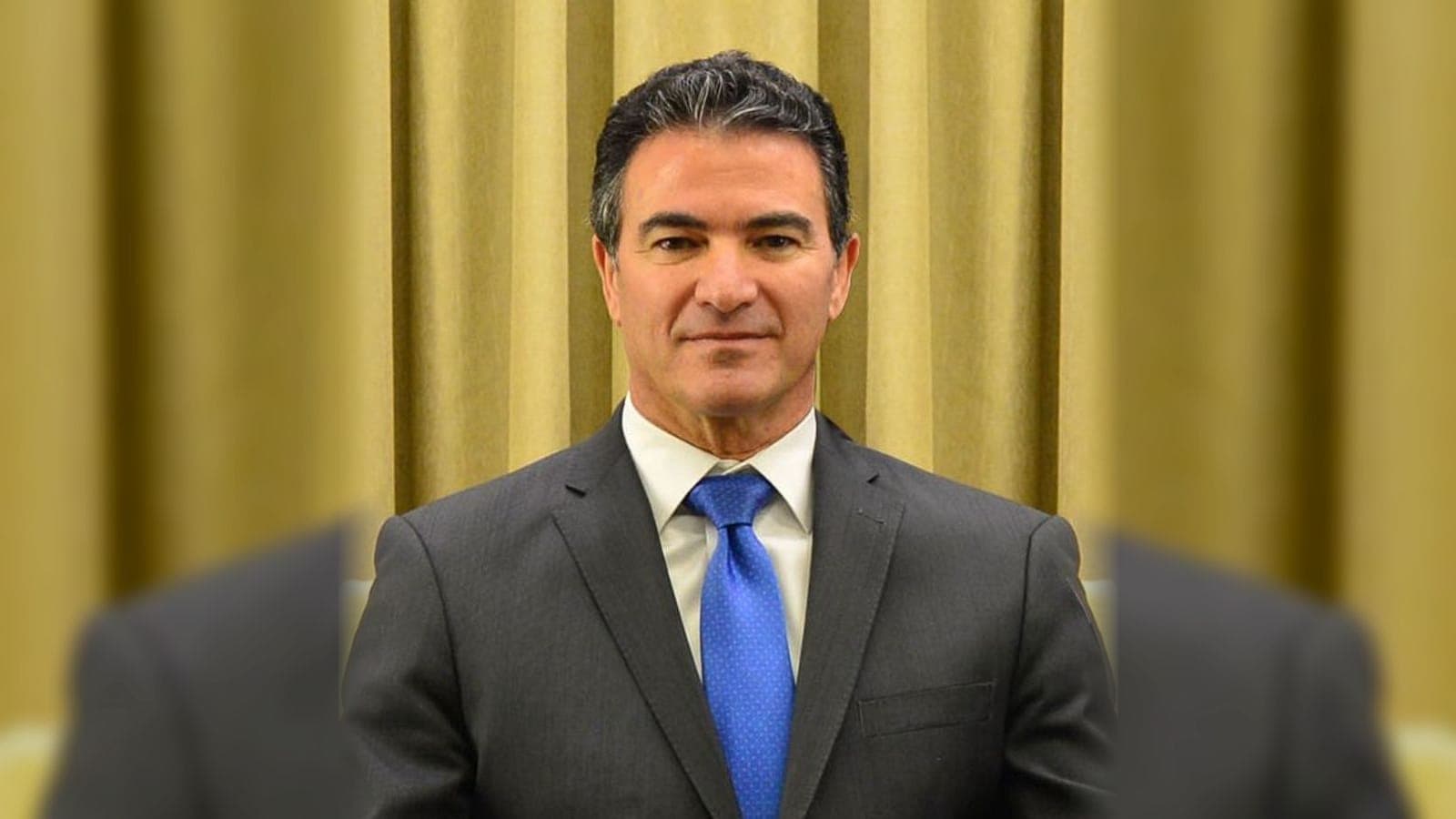
Yossi Karadi, head of Israel's National Cyber Directorate, told a conference audience on Tuesday that Iran is trying to acquire artificial intelligence capabilities for carrying out cyberattacks. News.co.il reported that he made the remarks at Cyber Week, a conference held at Tel Aviv University, and that he set them alongside the international effort to stop Iran from obtaining nuclear weapons.
According to the same report, Karadi said that while the world works to keep a nuclear weapon out of Iran's hands, Israel knows Iran is also building a further offensive cyber capability that relies on AI. N12, in a report by correspondent Adar Gitzis, carried the warning in similar terms, quoting Karadi as saying the capability is one "that could harm the world." Ynet also flagged the statement in a news alert attributed to the head of the directorate.
Who is speaking
The National Cyber Directorate is the Israeli government body responsible for defending the country's civilian cyberspace, which includes coordinating responses to attacks on companies, public institutions and infrastructure outside the military. Its head is one of the senior officials who speak publicly on the threats Israel faces online, and statements from the post are generally treated as reflecting the directorate's assessment rather than a personal view.
Karadi's remarks, as reported, were framed as knowledge held by Israel. In the version carried by News.co.il, he said "we know" Iran is working on this capability. None of the three reports describes any evidence he presented in support of that assessment.
The setting: Cyber Week at Tel Aviv University
Cyber Week is a conference hosted at Tel Aviv University that brings together government officials, security experts, researchers and companies working in cyber security. Senior Israeli officials often use it to set out their view of the threats the country faces, and remarks delivered there are widely covered by the Israeli press. Karadi's statement was reported within minutes by several Hebrew-language outlets through their Telegram news channels.
Israel's week in five stories, every Friday
Sourced and checked by the Israel.com newsroom, with Shabbat times. Free, one-click unsubscribe.
One list, unsubscribe in a click. See our privacy policy.
How the claim fits a wider picture
Iran and Israel have long been described by both sides as engaged in conflict that extends into cyberspace, alongside the dispute over Iran's nuclear programme. Karadi explicitly linked the two in his remarks, presenting AI-enabled cyber capability as an additional front beyond the nuclear issue that has dominated international attention on Iran.
The use of artificial intelligence in cyber operations is a subject of growing concern among security officials in many countries. AI tools can in principle be used to speed up the discovery of software weaknesses, to automate parts of an attack, or to produce more convincing deceptive messages. Karadi did not, in any of the reports, specify which of these, if any, he had in mind.
File photo
Next story Security
Ex-Mossad chief Yossi Cohen calls Saudi crown prince 'not mature enough'
A difference in emphasis between reports
The outlets describe the core warning consistently, but their framing differs slightly. Ynet's alert and the headline of the News.co.il report present the claim as Iran trying to obtain AI capabilities for attacks. N12 described Karadi as warning of Iranian attempts to develop offensive cyber capabilities using AI, and the quote it carried speaks of development. The full quote in News.co.il includes both ideas: an effort to acquire AI capabilities, and work on developing an additional offensive capability. The reports do not make clear whether Karadi meant that Iran is building such tools itself, obtaining them from elsewhere, or both.
Why it matters to readers abroad
Karadi said the capability could harm the world, not only Israel. That framing places Iran's cyber activity in the same international context as its nuclear programme, suggesting the directorate sees the threat as one other countries should also be concerned about. The reports do not say whether Israel has shared this assessment with allies or raised it in any international forum.
What the reports do not say
- No evidence, examples or specific incidents were cited in the reports to support the assessment that Iran is pursuing AI for cyberattacks.
- The reports do not say whether any AI-assisted attack attributed to Iran has already been detected, in Israel or elsewhere.
- No response from Iran to Karadi's remarks has been reported.
- It is not stated whether Iran is believed to be developing these tools domestically or seeking them from outside sources.
- The reports give no indication of any new defensive steps the directorate plans in response.

israeltourism from Israel / CC BY-SA 2.0 · Wikimedia Commons
Read next
All technology →
Illustration
Security
Israel recognizes flydubai FZ1073 passengers as victims of hostile acts

Illustration
Courts & Crime
Tel Aviv leaflet probe turns to suspected local distributors and print shop

Illustration
Emergency
Man, 30, hurt in car and truck crash at entrance to Herev Le'et

Illustration
Transport
United flight from Israel diverts to Athens after crew reports unusual smell
Sources and further reading
Every link below was opened and checked when this page was written. Official statements are marked as such: they are the subject's own account, not an independent one.
- Reportingyediotht.meYnet alerts
- Reportingnewssilt.meNews.co.il
- Reportingkeshett.meN12
How we checked this
The remarks were reported by Ynet, News.co.il and N12, all attributing them to Yossi Karadi at Cyber Week; the assessment of Iran's intentions is Karadi's own and no supporting evidence was described in the reports.
Our sourcing and corrections policy →The week from Israel, in one email
The stories that mattered, sourced and checked by the Israel.com newsroom. Free, weekly, one-click unsubscribe.
One list, unsubscribe in a click. See our privacy policy.

Israel.com is free, and readers like you keep it that way.
The Israel.com newsroom checks every story against its sources and publishes it free. If this one helped, a contribution of any size keeps the next one free too.
One payment, nothing to sign up for. Another amountGive monthly
Latest

File photo

File photo
Illustration

Illustration

Illustration
File photo