IAEA's Grossi backs inspection terms in emerging US-Saudi nuclear deal
The UN nuclear watchdog chief praised the planned deal's monitoring terms, but a Hebrew report says surprise checks would cover only sites Saudi Arabia declares.
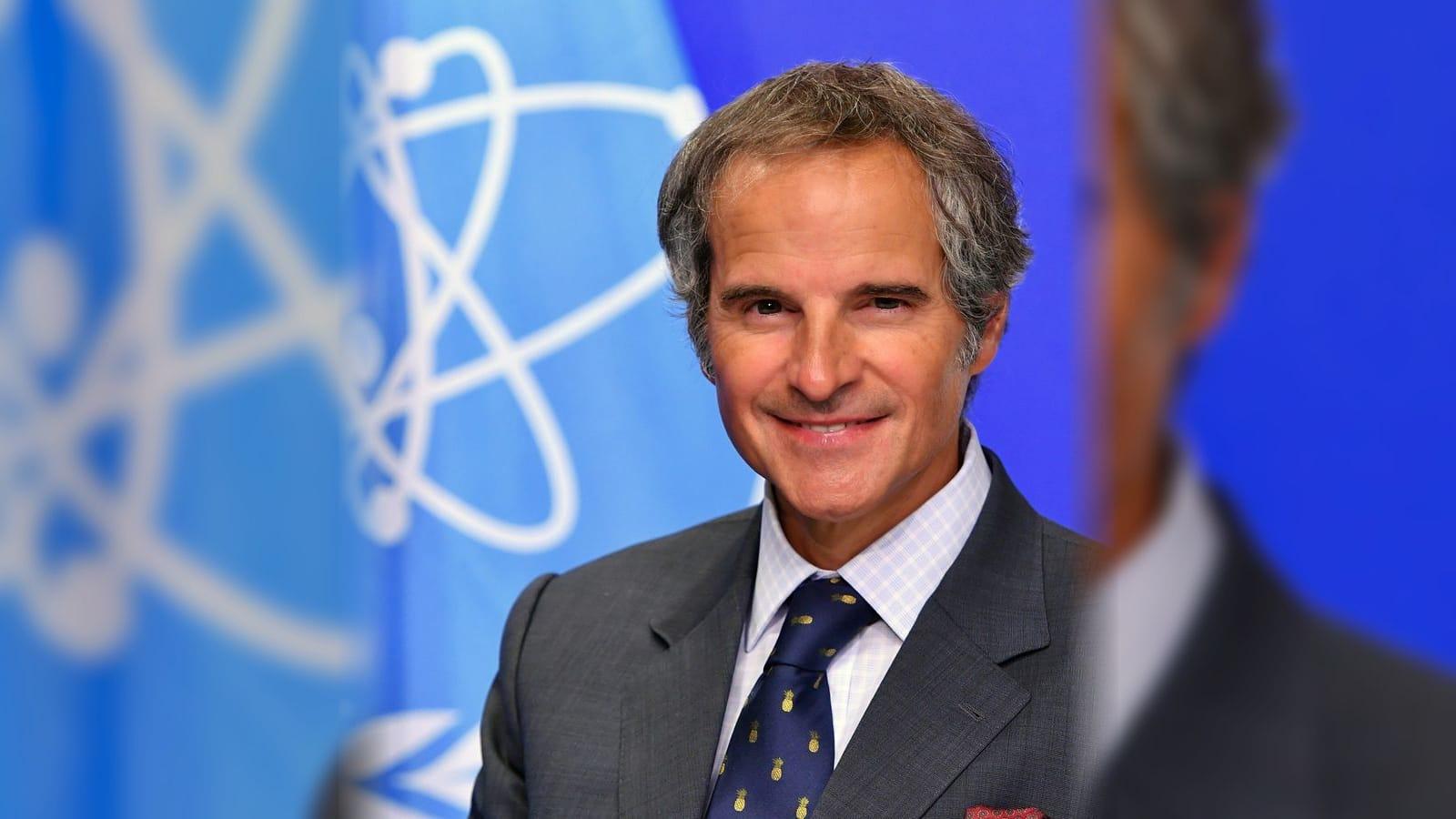
Rafael Grossi. File photo by IAEA Imagebank, CC BY 2.0, via Wikimedia Commons.
Rafael Grossi, head of the International Atomic Energy Agency (IAEA), has described the inspection arrangements in a nuclear agreement taking shape between the United States and Saudi Arabia as satisfactory. The Times of Israel reported that the UN nuclear watchdog chief called the planned deal "very satisfactory" on inspections.
A Hebrew-language report added a significant qualification. According to News.co.il, Grossi welcomed the monitoring mechanism set out in the emerging agreement, but the deal does not include the so-called Additional Protocol. As a result, that outlet said, surprise inspections would be allowed only at facilities Saudi Arabia has declared to the agency, while sites that have not been declared would remain outside the inspection framework.
On the ground

Iranian Foreign Ministry spokesman Esmaeil Baghaei has criticised IAEA chief Rafael Grossi over his claim that there is no “double standard” in monitoring Iran and Israel’s nuclear facilities. 🔴 LIVE updates: aje.news/2k8t0r


IAEA chief Grossi praised inspection terms in a planned US-Saudi nuclear deal and warned of North Korea’s expanding enrichment program. jpost.com/international/…
What the IAEA does
The IAEA is the United Nations body responsible for verifying that civilian nuclear programmes are not diverted toward weapons. Its inspectors work under agreements that each country signs with the agency, known as safeguards agreements. Under these arrangements a state reports its nuclear material and facilities, and IAEA staff visit to check that what is on the ground matches what has been declared. Grossi, an Argentine diplomat, leads the agency and is its most prominent public voice on questions of nuclear verification, including on Iran.
Why the Additional Protocol matters
The Additional Protocol is a supplementary agreement a country can sign on top of its basic safeguards arrangement. It widens what inspectors can see. Under a standard arrangement, the agency's checks focus mainly on the facilities and material a government has chosen to report. The protocol gives inspectors broader rights to information and access, including to locations a state has not listed, which is meant to help the agency detect activity that has been kept off the books.
That is the gap the News.co.il report points to. If the planned US-Saudi agreement relies on declared facilities only, inspectors would be able to conduct unannounced visits to those sites but would not have a comparable right to examine undeclared ones. Supporters of stricter verification generally regard the protocol as the benchmark for confidence that a programme is entirely peaceful; its absence is therefore likely to be a point of discussion as details of the deal emerge.
Get an email the day Israel has a new government.
Coalition talks can take weeks. When a government is sworn in, Israel.com's newsroom emails who leads it, which parties are in and who got which ministry, then the Friday email each week. Free, and one click unsubscribes.
One list, unsubscribe in a click. See our privacy policy.
Two readings of the same remarks
The two reports place their emphasis differently. The Times of Israel headline presents Grossi's assessment as clearly positive. The News.co.il item reports the same approval but frames the agreement around its limits, under a headline saying Saudi Arabia will permit surprise inspections, though not everywhere. From the material available, it is not clear whether Grossi himself raised the missing Additional Protocol, or whether that point was added by the outlet in its own description of the deal.
Why this is followed closely in Israel
Any civilian nuclear programme in Saudi Arabia, a major regional power, draws attention in Israel, where questions of nuclear proliferation in the Middle East are treated as matters of national security. The strength of inspection terms in a US-backed agreement is central to that concern, because it determines how much international monitors would be able to see. The reports reviewed here do not include any Israeli government reaction.
What the reports do not say
Neither report gives the text of the agreement, a timeline for signing it or any figures on the scope of the Saudi programme it would cover. Neither includes a response from Washington or Riyadh to Grossi's remarks or to the question of the Additional Protocol. It is also unclear where and in what setting Grossi made his comments, and whether he said anything about undeclared sites directly. The account of how inspections would work at declared and undeclared facilities comes from a single outlet, News.co.il, and has not been confirmed in the other report.
Read next
All government →
Illustration
Government
IAEA says it cannot rule out diversion of Iranian nuclear material
Illustration
Security
Saudi-led coalition says it destroyed two Houthi missiles aimed at Riyadh

Illustration
Security
Saudi-led coalition says it destroyed two Houthi drones aimed at Riyadh
Illustration
Security
Houthis claim two ballistic missiles fired at Saudi forces in Jazan
Sources and further reading
Every link below was opened and checked when this page was written. Official statements are marked as such: they are the subject's own account, not an independent one.
- Reportingtoitimesofisrael.comThe Times of Israel
- Reportingnewssilt.meNews.co.il
How we checked this
The Times of Israel and News.co.il both reported Grossi's positive assessment of the planned deal's inspection terms. The detail that the Additional Protocol is excluded and undeclared sites are not covered comes only from News.co.il and has not been independently verified by us.
Our sourcing and corrections policy →The week from Israel, in one email
The stories that mattered, sourced and checked by the Israel.com newsroom. Free, weekly, one-click unsubscribe.
One list, unsubscribe in a click. See our privacy policy.

Israel.com is free, and readers like you keep it that way.
The Israel.com newsroom checks every story against its sources and publishes it free. If this one helped, a contribution of any size keeps the next one free too.
One payment, nothing to sign up for. Another amountGive monthly
Latest
File photo
File photo

Illustration
File photo
File photo

Illustration