IDF chief warns of escalation before elections, condemns settler violence
Israel's military chief warned of rising escalation risk on all fronts ahead of the October 27 vote and called for settler violence against Palestinians to be eradicated.
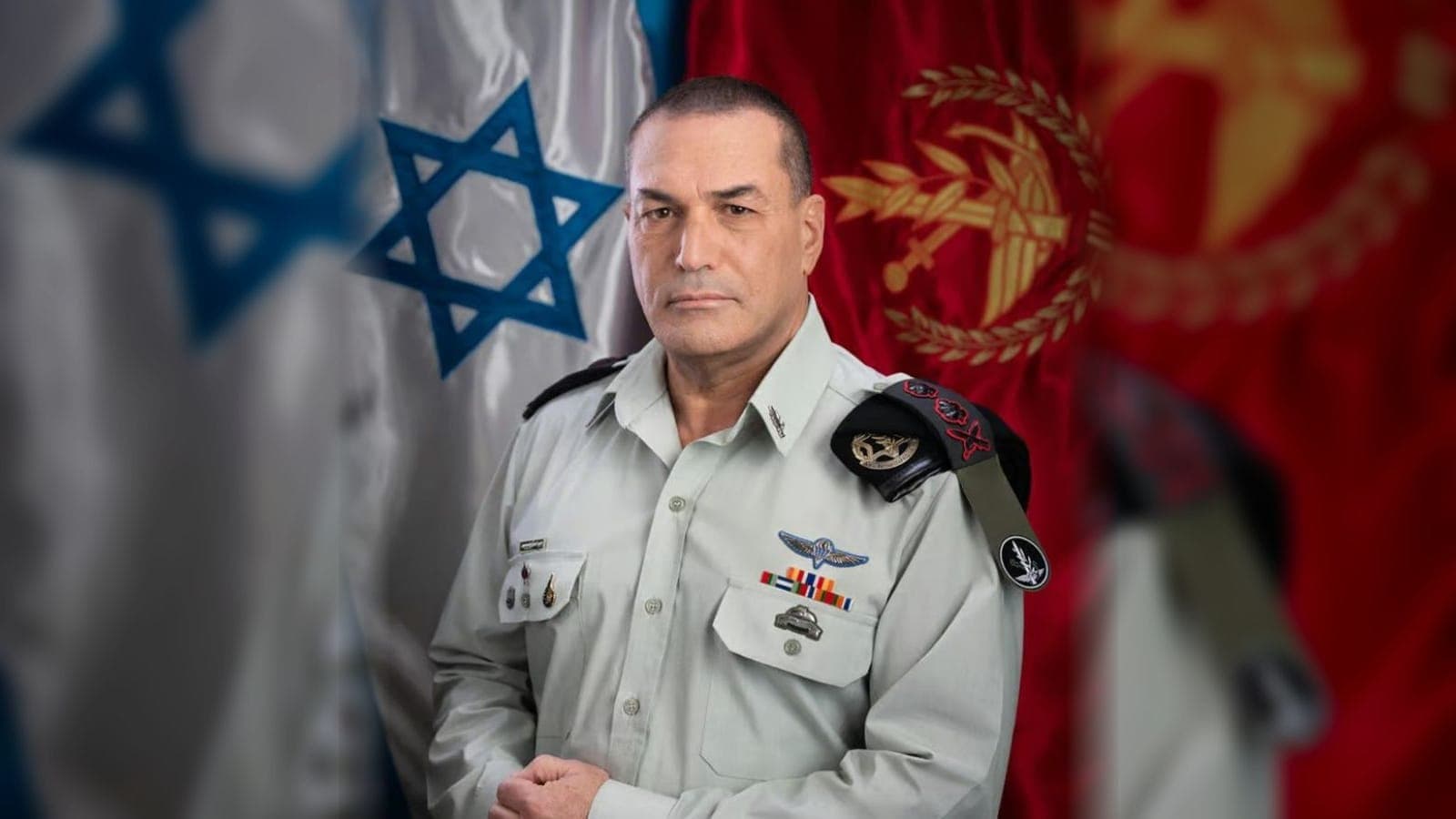
Eyal Zamir. File photo by IDF Spokesperson's Unit photographer, CC BY-SA 3.0, via Wikimedia Commons.
One update since publication
- Reports say Zamir's condemnation targeted settler violence and his escalation warning concerned the run-up to the October 27 elections.
This story was added to as it developed. Earlier text is kept below the updates rather than rewritten, so what this page said at each point is still on it.
Update, 15 October, 04:07 Israel time
Two later English reports identify the violence Zamir condemned and tie his warning to Israel's coming election. The Times of Israel reported that the attacks the chief of staff denounced were acts of settler violence against Palestinians, and that he framed the risk of escalation on all fronts as relating to the period before the October 27 elections. The same report says he made the visit together with Central Command's head, Maj. Gen. Avi Bluth.
The Times of Israel also published the fuller statement, which does contain the escalation line that earlier appeared only in the Hebrew accounts. In it, Zamir says the army is pursuing terrorism everywhere and is ready to move to "broad offensive operations" against anyone who tries to harm Israeli civilians.
Haaretz, in a report by Yaniv Kubovich, described Zamir's remarks as echoing an earlier warning from Prime Minister Benjamin Netanyahu about a possible security incident before the vote. Haaretz likewise characterised the condemnation as concerning rising settler violence in the West Bank.
Neither report specifies which incidents of settler violence prompted the remarks or what the alerts on the various fronts involve.
The story as first reported
Israel's top military officer told commanders at the army's Central Command that the potential for escalation has increased and that the military has raised its level of readiness. Ynet, the political commentator Amit Segal and the Israel Defense Forces (IDF) spokesperson all carried the remarks. Lieutenant General Eyal Zamir, the IDF Chief of the General Staff, described the current period as sensitive and said the army was preparing for an attempt to take it by surprise.
Israel's week in five stories, every Friday
Sourced and checked by the Israel.com newsroom, with Shabbat times. Free, one-click unsubscribe.
One list, unsubscribe in a click. See our privacy policy.
In an English statement, the IDF spokesperson quoted Zamir as saying the military had deployed the 98th Division to Judea and Samaria to strengthen security and stability there. The same statement had him condemning attacks and violence against innocent people, saying such acts do not reflect Israeli or Jewish values and must be eradicated with every means the state has.
What the chief of staff said
The three reports overlap but are not identical. Amit Segal's account, in Hebrew, attributes to Zamir the statement that the escalation potential had grown because of the large number of alerts across all arenas together with the sensitivity of the period. In that version, Zamir says readiness has been raised and that preparations continue for a scenario in which an adversary tries to surprise Israel.
Ynet reported the remarks as part of a visit to Central Command, leading with the line that the potential for escalation had increased and quoting Zamir on continuing to prepare for a surprise attempt. Ynet also notes that he called the period "sensitive".
The IDF's own English statement, as provided, puts the emphasis elsewhere: on the need for "multi-front readiness", on preserving the army's freedom of operation, on swiftly thwarting threats and on the deployment of the 98th Division. The text available to us is cut off mid-sentence, so it is not possible to say whether the full statement also contained the escalation warning carried by the Hebrew reports.
Who Zamir is and what Central Command covers
The Chief of the General Staff, known in Hebrew as the Ramatkal, is the most senior officer in the IDF and commands all of Israel's ground, air and naval forces. Eyal Zamir holds the rank of lieutenant general, the highest in the Israeli military.
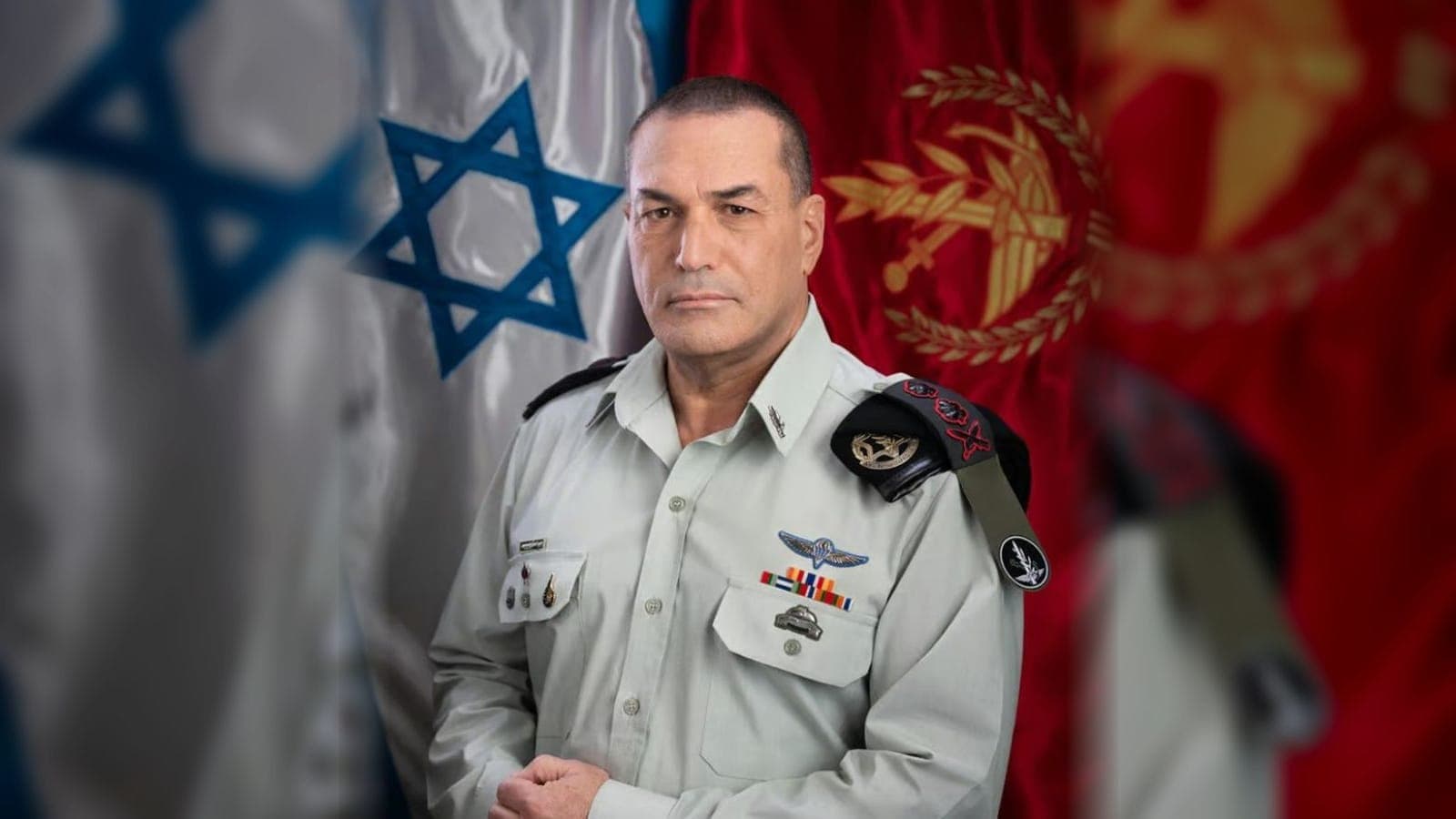
File photo
Next story Security
IDF chief Zamir warns Hezbollah against entrenching near northern border
The IDF divides the country into regional commands, each responsible for a sector. Central Command is the one responsible for the West Bank, the territory Israel's government and military refer to by the biblical names Judea and Samaria. When an IDF statement speaks of deploying forces to Judea and Samaria, it means sending them into the West Bank.
The 98th Division and the term multi-front
A division is a large formation made up of several brigades. The statement says the 98th Division was sent to the area to reinforce security and stability; it does not say how many troops are involved, how long they will stay or what tasks they have been given.
The phrase "multi-front" and Segal's reference to alerts in all arenas reflect how the Israeli military describes its situation: as facing potential threats from several directions at once rather than from one front alone. None of the reports names the fronts or the specific warnings Zamir was referring to.
The condemnation of violence
The IDF statement includes a passage condemning attacks and violence against innocent people. It is phrased as a statement of values and says such acts must be eradicated, but in the text available it does not identify who carried out the attacks, who was targeted, or which incidents prompted the remark. The Hebrew reports from Ynet and Segal do not include this passage at all.
What the reports do not say
Several basic questions are left open by the material. None of the reports explains what the alerts across the various arenas consist of, or which adversary Zamir expects might attempt a surprise. None specifies what raising the level of readiness involves in practice, whether reservists have been called up, or whether any change applies to civilians.
The reports also do not say which attacks on innocent people the IDF statement was addressing, nor whether the deployment of the 98th Division is connected to those incidents, to the wider escalation warning, or to both. The English IDF text is truncated, and it is unclear what followed the words "We are curren". Finally, the escalation line itself appears only in the two Hebrew reports; the IDF material we have does not carry it, so the precise wording of that part of the remarks rests on Ynet's and Segal's accounts.
Read next
All security →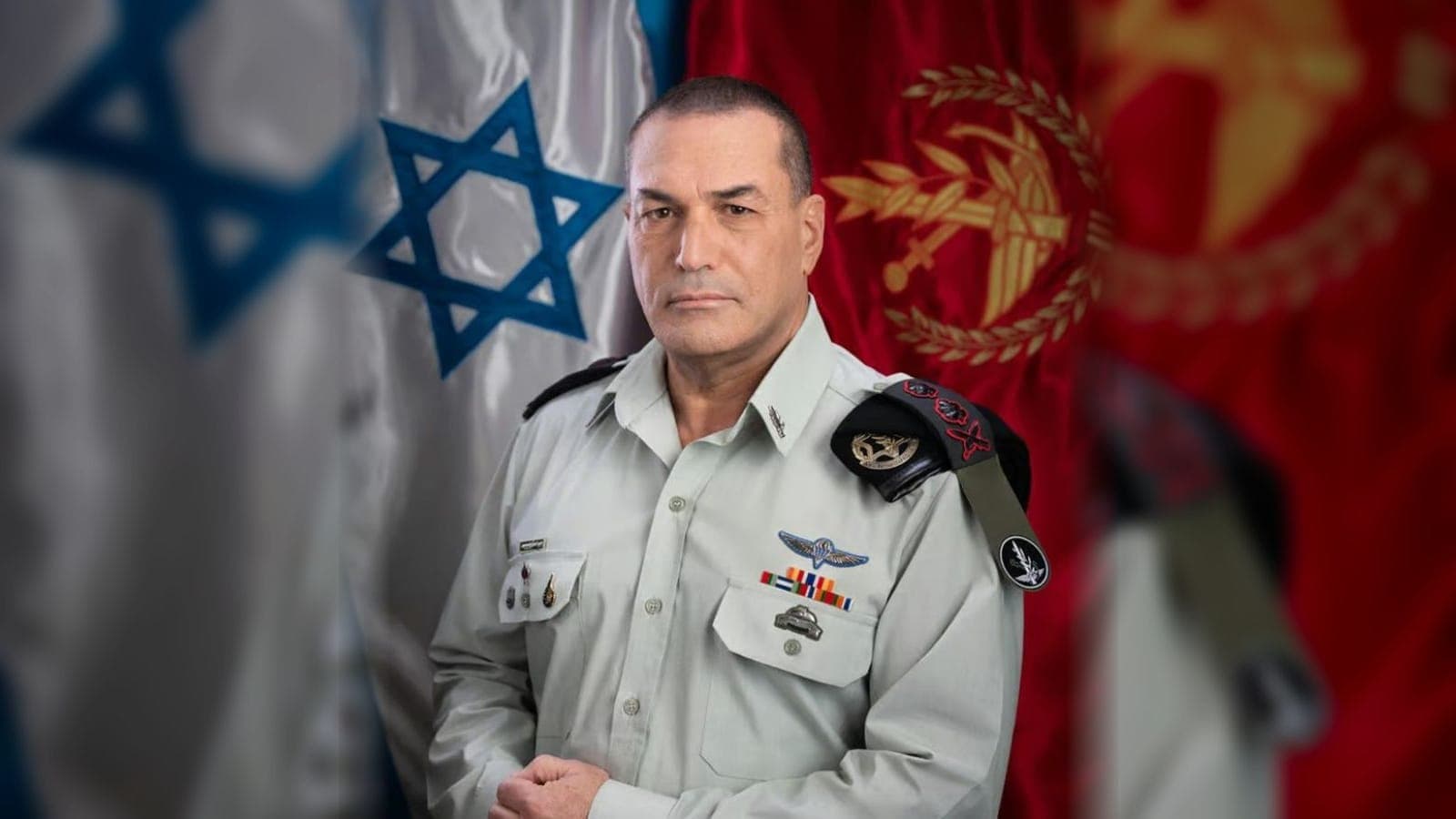
File photo
Security
IDF chief Eyal Zamir says army must lead globally in AI and robotics

Illustration
Security
Blasts across Iran's Hormuz coast, casualties reported at Jask, US role unconfirmed

File photo
Security
Ben-Gvir says jailed militants expect perks back under a 'change' government

Illustration
Security
US Central Command forms Task Force Iron Gate to curb Iran's land trade
Sources and further reading
Every link below was opened and checked when this page was written. Official statements are marked as such: they are the subject's own account, not an independent one.
- Officialidft.meIDF spokesperson
- Reportingyediothynet.co.ilYnet
- Reportingamitsegalt.meAmit Segal
- Reportinghaaretzhaaretz.comHaaretz
- Reportingtoitimesofisrael.comThe Times of Israel
How we checked this
The escalation warning, the 98th Division deployment and the condemnation now appear in several outlets, including the fuller IDF statement quoted by The Times of Israel. The link to Netanyahu's earlier election warning is Haaretz's characterisation.
Our sourcing and corrections policy →The week from Israel, in one email
The stories that mattered, sourced and checked by the Israel.com newsroom. Free, weekly, one-click unsubscribe.
One list, unsubscribe in a click. See our privacy policy.
Latest

File photo

File photo

File photo
File photo

File photo

File photo