Iran reportedly used Musk's Starlink in its war against the United States
Israeli outlets, citing the Washington Post, say Iran used Starlink without permission to run drones and command forces, and that Elon Musk was furious on learning of it.

Elon Musk. File photo by The White House, public domain, via Wikimedia Commons.
Iran made use of Starlink, the satellite internet network associated with Elon Musk, during its war against the United States, and did so without authorisation, according to a report in the Washington Post as relayed by the Israeli broadcaster N12. N12 correspondent Tomer Almagor wrote that the Washington Post account describes Iranian forces using the service to operate drones and to exercise command and control over their units, and that Musk was enraged when he found out.
The Israeli news site Ynet carried the same claim in a brief alert. Ynet reported that Iran had used Starlink for attacks against the United States and that Musk was furious upon discovering it. Separately, Joe Truzman of the Foundation for Defense of Democracies (FDD) wrote on X that Musk became furious this spring after learning that Iran had relied on Starlink for military strikes on American bases.
What the reports describe
The three accounts overlap on the central points: Iran is said to have used Starlink in military operations against the United States, and Musk is said to have reacted angrily when the use came to light. They differ in emphasis and detail.
- N12 attributes the story to the Washington Post and describes two uses: flying unmanned aerial vehicles and directing forces. The Hebrew term it uses, katabam, is the standard Israeli abbreviation for an unmanned aerial vehicle, or drone.
- Ynet frames the use more broadly as supporting attacks on the United States, without specifying drones or command systems.
- Truzman places Musk's reaction in the spring and specifies that the strikes targeted US bases. His post does not name the Washington Post or any other source.
None of the three accounts describes how Iran gained access to the network, what equipment was involved, or how the use was detected.
Starlink and Starshield
Starlink is a network of satellites that provides internet connectivity from orbit, which makes it usable in places where ground-based communications are limited. That quality is also what gives it military value: a connection that does not depend on local infrastructure can carry data to and from drones and keep commanders in contact with units in the field, the two uses N12 describes.
Israel's week in five stories, every Friday
Sourced and checked by the Israel.com newsroom, with Shabbat times. Free, one-click unsubscribe.
One list, unsubscribe in a click. See our privacy policy.
Truzman's post also mentions Starshield, which he describes as being used by the Pentagon, the US Department of Defense, for drone operations through what he called cheap ground-tier plans. He presented this as a separate matter from the Iranian use. As he framed it, the same family of satellite services was reportedly in use on both sides of the conflict: by US forces through a government channel and, according to the Washington Post account relayed by N12, by Iran without permission.
Why the reported use matters
The reports describe a privately owned communications system being drawn into a war against the United States without the owner's consent. N12's wording, that Iran made use of the network without approval, is the key point in its account: it indicates that the reported use was not sanctioned by Musk.

Illustration
Next story Security
Ukraine turns to Israeli firm HiSKY as a Starlink alternative, WSJ reports
For readers outside Israel, the story is notable partly because of how it surfaced. The claim reached Israeli audiences through short alerts on the Telegram channels of N12 and Ynet, both relaying a report from a US newspaper. Neither alert carried the full text of the underlying article, and Ynet's alert pointed readers to a fuller item on its website.
Who is reporting it
The original reporting is attributed by N12 to the Washington Post. The Israeli outlets are relaying that account rather than presenting findings of their own. Truzman's post is his own summary, and it does not cite its basis.
What the reports do not say
The material does not include any response from Musk, his company, the Iranian government or the Pentagon. It does not explain how Iran obtained access to Starlink, whether that access has since been cut off, or what action, if any, followed Musk's reported anger. It gives no figures on how many drones or operations were involved. Only Truzman dates Musk's reaction to the spring, and only N12 names the Washington Post as the source.
Read next
All security →
Illustration
Religion
Yashar! and United Torah Judaism report headway on the conscription law

Illustration
Security
IDF officer hurt by comrade's fire in Madama struggle; Palestinian killed

File photo
Security
Mansour Abbas calls Hamas a terror group as Eisenkot bloc weighs Ra'am
Illustration
Security
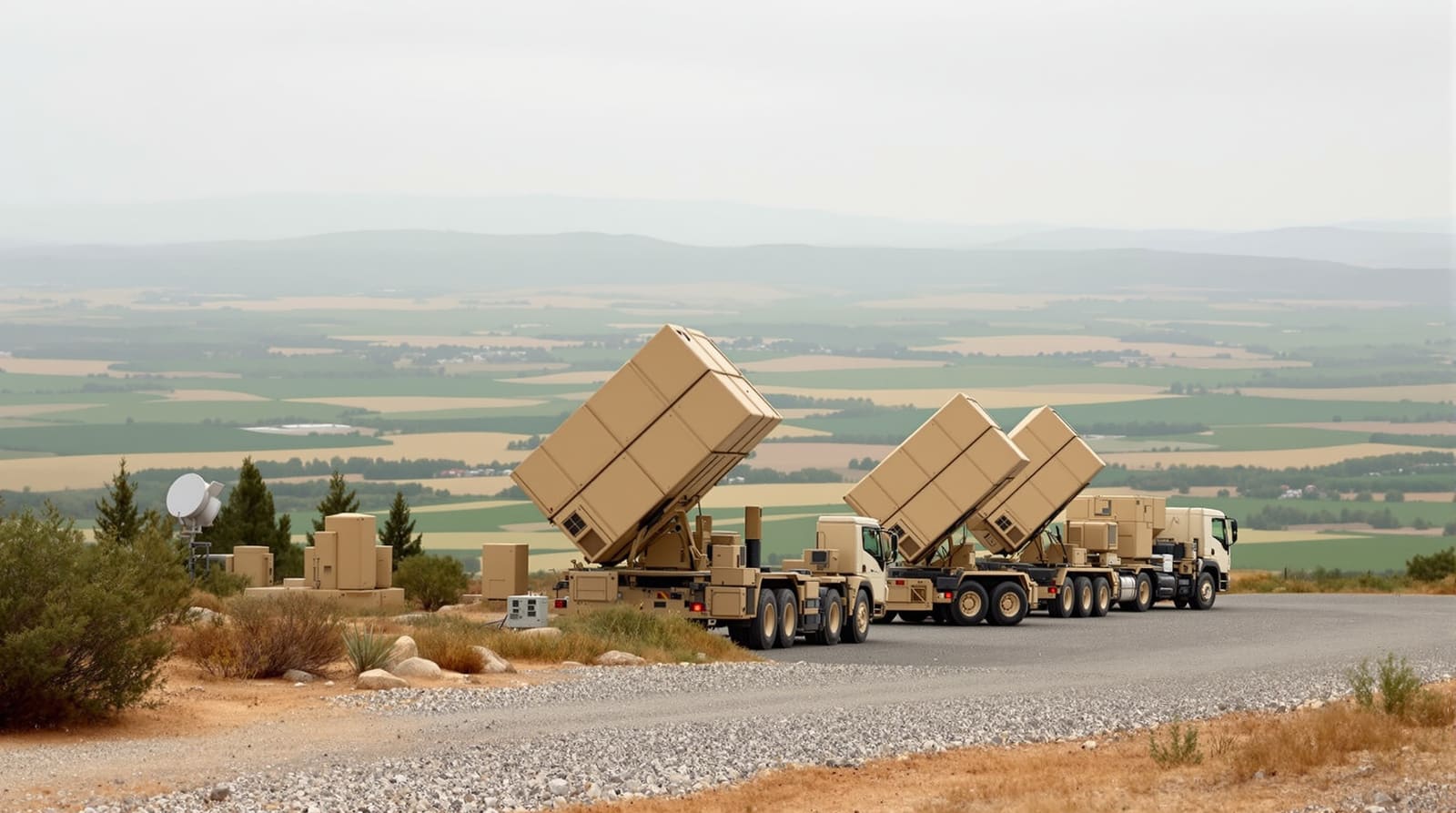
Iranian outlets say satellite images show another US THAAD battery near Afula
See Israel.com first in Google's top stories.Add it as a preferred source on Google
Sources and further reading
Every link below was opened and checked when this page was written. Official statements are marked as such: they are the subject's own account, not an independent one.
- Reportingyediotht.meYnet alerts
- Reportingkeshett.meN12
- Reportingfddx.comJoe Truzman, FDD
How we checked this
The claim was carried by N12 and Ynet, with N12 attributing it to the Washington Post, and by Joe Truzman of FDD on X. We have not seen the Washington Post article itself, and the spring timing and US bases detail come from Truzman alone.
Our sourcing and corrections policy →The week from Israel, in one email
The stories that mattered, sourced and checked by the Israel.com newsroom. Free, weekly, one-click unsubscribe.
One list, unsubscribe in a click. See our privacy policy.
Latest

File photo

Illustration

Illustration

File photo
Illustration

File photo