IDF fires interceptors at aerial target in southern Lebanon, later calls it false
The Israeli military launched interceptors at a suspected airborne threat near its troops in southern Lebanon, then said a follow-up launch was aimed at a false target.
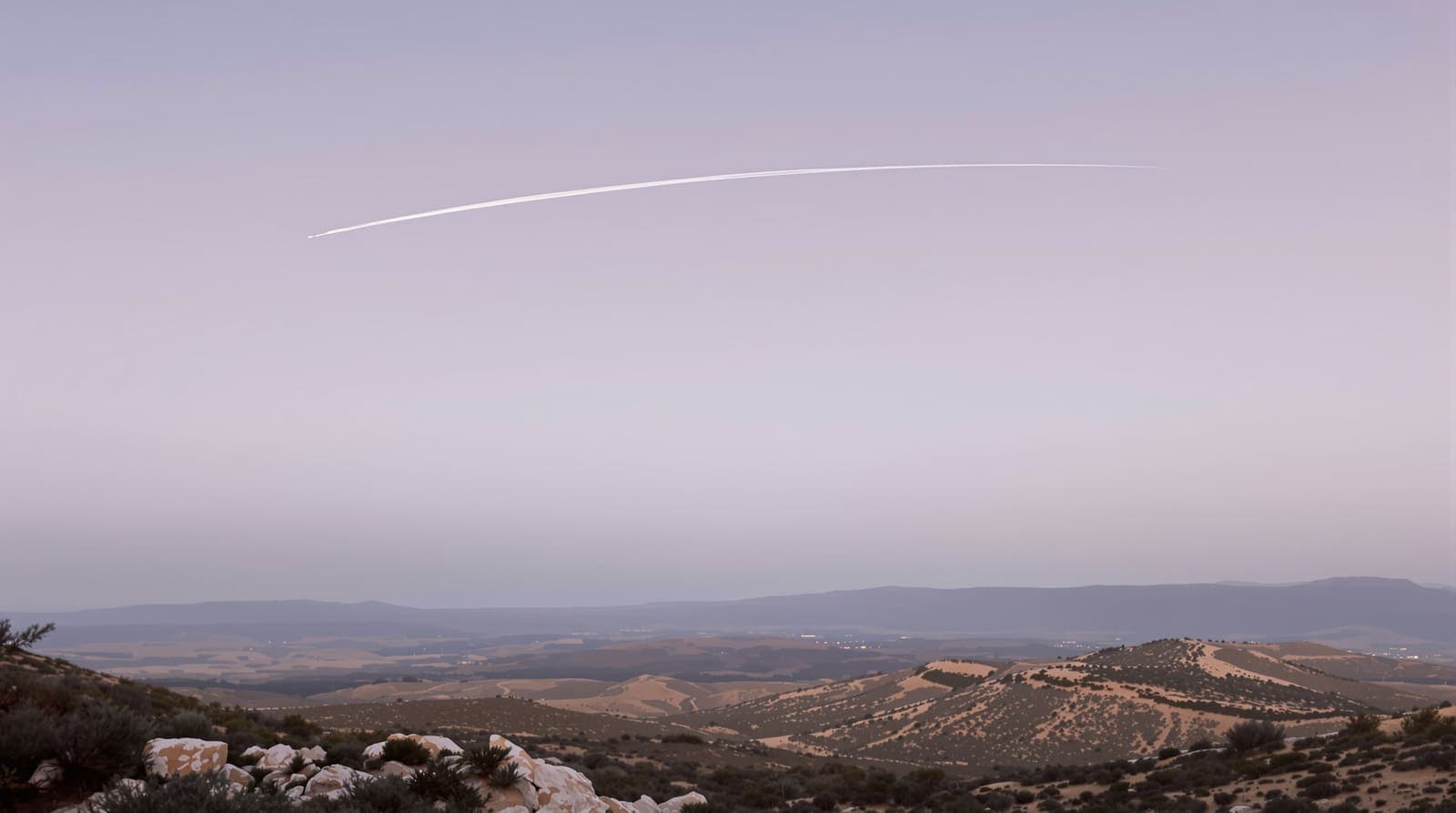
AI illustration, not a photo of the events.
The Israel Defense Forces (IDF), Israel's military, said it had launched an interceptor at what it described as a suspicious aerial target detected near its troops in southern Lebanon. In its first statement, the IDF spokesperson said the launch had taken place a short time earlier, and that sirens were not activated, which it said was in line with protocol.
Less than half an hour later, the IDF issued a second message. According to the IDF spokesperson's follow-up, two interceptors had been launched toward a false target in the same zone where Israeli soldiers are active in southern Lebanon. Again, the military said no sirens sounded, as protocol requires.
What the two statements say
Both messages came from the official channel of the IDF spokesperson, the military's public communications office. Neither described the object that set off the response, its size, its direction of travel or where it was first picked up. The first statement called it suspicious; the second labelled the target false, a term militaries generally use when a detection turns out not to be a genuine threat.
The two statements do not line up neatly on numbers. The first refers to a single interceptor. The second opens by referring back to that earlier report and then states that two interceptors were launched toward a false target. The wording leaves it unclear whether the second message corrects the first, so that two interceptors were fired in one event, or whether it describes an additional launch, which would mean more interceptors in total. The IDF did not clarify this in the material available.
What an interceptor is
An interceptor is a missile fired by an air defence system to destroy an incoming aerial threat, such as a rocket, missile or drone, before it reaches its target. Launching one is a defensive step taken on the basis of radar or other detection, often at short notice, which is why launches are sometimes made at objects that are later reassessed.
Why no sirens sounded
In Israel, sirens are the public warning system that tells civilians to take shelter when an aerial threat is identified. In both statements the IDF said sirens were not activated and that this followed protocol. The military did not explain which part of the protocol applied. The launches, as described, took place in an area of southern Lebanon where IDF troops are operating, rather than over Israeli towns.
Where this took place
Southern Lebanon is the region of Lebanon that lies directly north of Israel's northern border. The IDF statements place Israeli soldiers inside that area but give no further location, village or district for the incident.
What the reports do not say
Both reports come from a single organisation, the IDF spokesperson, and no other body's account was available. The statements do not say:
- what the object was, or what caused it to be detected as a possible threat;
- whether the total number of interceptors fired was two or more;
- which air defence system was used;
- whether any interceptor struck anything, or whether debris fell;
- whether anyone was hurt or anything was damaged;
- exactly where in southern Lebanon the launches happened.
Until the military or another source provides more detail, these points remain open.
Sources and further reading
Every link below was opened and checked when this page was written. Official statements are marked as such: they are the subject's own account, not an independent one.
- Officialidft.meIDF spokesperson
- Officialidft.meIDF spokesperson
How we checked this
This account is based solely on two statements posted by the IDF spokesperson; no other organisation reported the event, and we have not independently verified any detail.
Our sourcing and corrections policy →
The week from Israel, in one email
The stories that mattered, sourced and checked by the Israel.com newsroom. Free, weekly, one-click unsubscribe.
One list, unsubscribe in a click. See our privacy policy.
More in Security
All security →

Latest
- Met Police assess Sarah Helm post backing Palestine Action, a banned group
- Katie Zacharia out as White House press secretary after 5 days in the job
- Trump says Israel has helped Saudi Arabia against Yemen's Houthis
- IDF says Gaza strike killed Nukhba cell commander who raided Re'im base
- US photojournalist Heidi Levine hurt as settlers hit olive harvest at Abu Falah
- Man, about 30, seriously hurt in electric scooter incident in Netivot