IDF says 228th Brigade ends three-month mission in Syria security zone
The military says troops located and dismantled dozens of weapons and militant infrastructure in the security zone in Syria before handing over the sector.
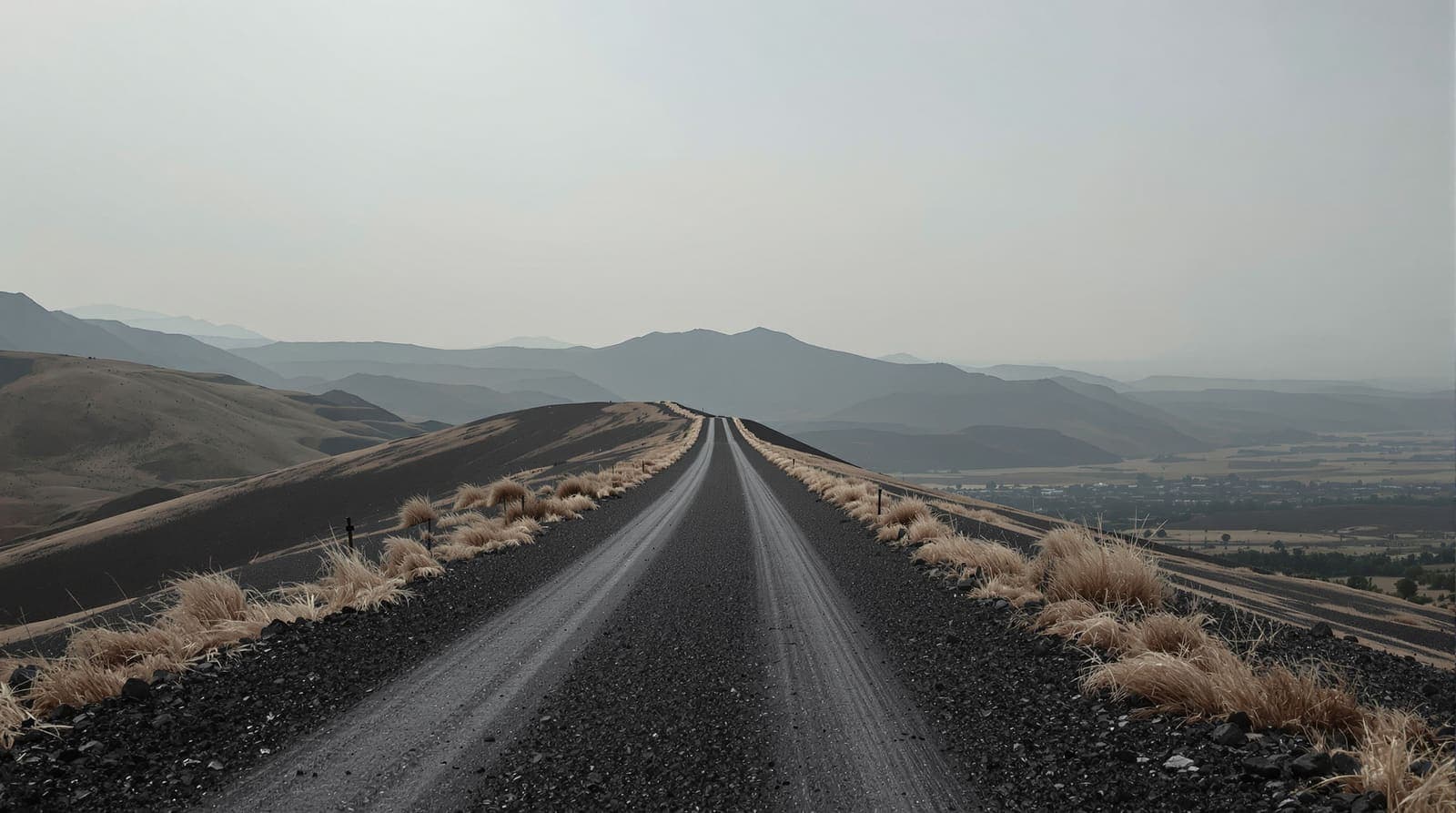
Illustration
The Israel Defense Forces (IDF) said that soldiers of its 228th Brigade have completed an operational mission in what the military calls the Security Zone in Syria, after roughly three months of activity in the sector. In a statement published on its official channel, the IDF spokesperson said troops located and dismantled dozens of weapons and what it described as terrorist infrastructure during the deployment.
The brigade operated under the command of the 210th Division, according to the same statement, and the military said the stated purpose of the activity was to remove threats to the State of Israel. The IDF said its soldiers carried out targeted operations, questioned dozens of suspects and made arrests over the course of the deployment. The statement, as published, does not name any of those questioned or detained, and does not say where they were taken.
What the IDF means by the Security Zone in Syria
Since the fall of the Assad government, the Israeli military has maintained a presence on Syrian territory beyond the ceasefire line on the Golan Heights, in an area Israeli officials refer to as a security zone. The IDF has published a steady stream of short statements about patrols, searches and weapons seizures there, and this announcement follows that pattern: a brigade rotates into the sector, conducts operations for a period of months, and the military then reports the mission complete.
The Golan Heights sits at the meeting point of Israel, Syria and Lebanon. Israel captured the area from Syria in a war and later extended Israeli law to it, a step almost no other country recognises. The ceasefire line running through the plateau has for decades been monitored by a United Nations observer force. The IDF statement does not describe the legal status of the zone its troops were operating in, nor does it address the presence of any international force in the area.
How the units are organised
The 228th Brigade is a regional formation of the Israeli army. The 210th Division, named in the statement as the parent command, is the divisional headquarters responsible for the Golan sector. Israeli brigades are routinely assigned to a division for a defined operational period and then replaced, which is what the phrase "complete their mission" signals in IDF communications. The military did not say in this statement which unit, if any, has taken over the sector.
What the military said it found
The IDF's account is quantified only loosely. It refers to dozens of weapons and to terrorist infrastructure, without breaking either figure down. It does not specify the types of weapons recovered, whether they were small arms, heavier ordnance or explosives, and it does not describe what the infrastructure consisted of, whether tunnels, bunkers, storage sites or observation positions. Nor does the statement identify any organisation the military holds responsible for the materiel it says it found.
The same statement reports that dozens of suspects were questioned and that arrests were made. In IDF phrasing, questioning in the field and formal detention are distinct steps, and the published text as available does not say how many of those questioned were ultimately held.
A single source, and what that means
This report rests on one account: the military's own. The IDF spokesperson's statement is the sole source for the number of weapons, the length of the deployment and the claim that arrests were made. No Syrian official response, no independent monitoring group and no reporting from the ground has been matched to this announcement in the material available to us. Readers should treat the figures as the military's characterisation rather than as independently confirmed.
What the statement does not say
Several basic points remain open. The IDF did not give a location within the security zone, beyond the zone itself, and did not name any village, town or specific terrain feature. It did not say whether there were casualties on either side during the deployment, whether any Israeli soldiers were wounded, or whether any weapons were used against Israeli troops.
The statement also does not address what happens to the sector now. It does not say whether the Israeli presence in the area continues under a different unit, whether the zone is being reduced, or how long the military expects to operate there. It gives no account of how the material it says it recovered was disposed of, and no legal framework for the questioning and arrest of people on Syrian soil.
Finally, there is no Syrian version of these events in the material. Where the Israeli military describes threats removed, Damascus and residents of the area may describe the same operations differently, and nothing in what has been published here allows those accounts to be compared. Until other organisations report on the same deployment, the picture available is the one the IDF has chosen to release.
Sources and further reading
Every link below was opened and checked when this page was written. Official statements are marked as such: they are the subject's own account, not an independent one.
- Officialidft.meIDF spokesperson
How we checked this
Every detail here comes from a single statement by the IDF spokesperson, including the weapons count, the length of the deployment and the arrests. No independent or Syrian account of the operation was available to us, and none of the figures has been separately confirmed.
The account of the incident itself rests on the official statement and has not been independently confirmed by Israel.com. Where the statement is silent, this page says so rather than filling the gap.
Our sourcing and corrections policy →The week from Israel, in one email
The stories that mattered, sourced and checked by the Israel.com newsroom. Free, weekly, one-click unsubscribe.
One list, unsubscribe in a click. See our privacy policy.
More in Security
All security →
Latest
- Elections panel bars Joint List 18-5 on a Likud petition
- Liberman says Jordan should run Areas A and B, and the right erupts
- Witkoff says US and Iran talked through mediators at the UN, not face to face
- Iran says Araghchi met Witkoff and set Hormuz conditions in New York
- Two suspects seized after chase on Israel's Jordan Valley border
- Netanyahu backs death penalty for terrorist who killed Netanel Shukron