Iran hands out iodine pills to residents near its nuclear sites
Citing The Times, two outlets report Iran is giving iodine tablets to people living close to nuclear facilities, amid talk of renewed US strikes on the country.
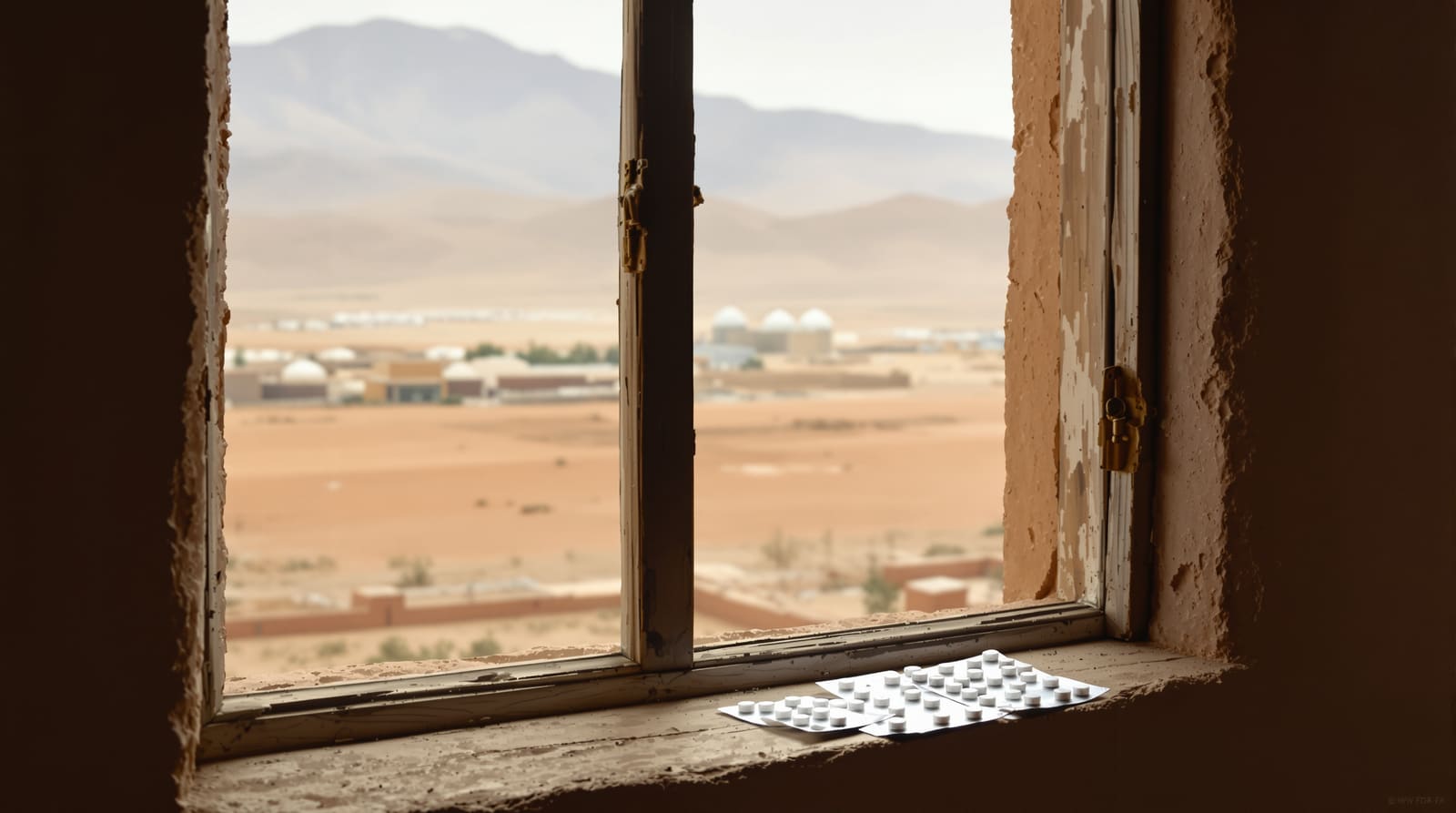
AI illustration, not a photo of the events.
Iran is distributing iodine tablets to people who live near its nuclear facilities, according to a report in the British newspaper The Times that was relayed on Friday by two outlets in Israel. The account rests on an Iranian medical official quoted by The Times, who confirmed that the handout is taking place.
Abu Ali Express, a Hebrew-language news channel on Telegram, reported that the official placed the distribution within a radius of two to three kilometres around the nuclear sites and described it as part of the country's preparations for wartime. Israel Hayom, an Israeli daily, also reported the distribution, attributing it to The Times and linking it to warnings issued by Donald Trump.
What iodine tablets are for
The tablets are a protective measure against one specific danger. As Abu Ali Express explained, they are meant to limit how much radioactive iodine the thyroid gland absorbs if radioactive material leaks. The thyroid takes up iodine from the body, and a dose of ordinary, stable iodine is intended to reduce its uptake of the radioactive kind released in a leak.
Handing out such tablets is therefore a sign that authorities are planning for the possibility of a radioactive release. On its own, it does not indicate what kind of event the authorities expect, and the two outlets relaying The Times frame that question differently.
Two readings of the same report
The outlets agree on the basic facts: The Times reported the distribution, and it is aimed at residents near nuclear facilities. They part ways on the threat the measure is meant to address.
Israel's week in five stories, every Friday
Sourced and checked by the Israel.com newsroom, with Shabbat times. Free, one-click unsubscribe.
One list, unsubscribe in a click. See our privacy policy.
Abu Ali Express presented the distribution against the background of a possibility that the United States could resume its strikes against Iran. In that account, the tablets guard against a radioactive leak at a facility, and the official described them as part of general preparation for war.
Israel Hayom went considerably further. Its report said Iranian officials were handing out the pills in anticipation of an American nuclear bombardment, and that Washington was weighing an atomic strike on a site it named as Pickaxe Mountain. It also characterised the distribution as a sign of widespread panic within the Iranian government over a coming nuclear confrontation.
Those claims about a nuclear strike and about panic in Tehran do not appear in the Abu Ali Express account of what the Iranian medical official said. Neither outlet quotes a US official, and the material available does not show whether the reference to a nuclear strike originates with The Times or with Israel Hayom's own framing. Readers should treat the description of US nuclear planning as Israel Hayom's report rather than as an established fact.
The sources behind the story
Both Israeli reports are secondhand. Each cites The Times, and the original article is not among the material reviewed for this report. Abu Ali Express identifies the person The Times spoke to only as an Iranian medical official, without a name or institution. Israel Hayom refers more generally to Iranian officials.
Israel Hayom is a widely read Israeli newspaper. Abu Ali Express is a Telegram channel that publishes rapid updates in Hebrew, largely on Middle East security developments. Neither says it independently confirmed the distribution with Iranian authorities.
The wider tension
Both outlets place the report in a period of heightened friction between Washington and Tehran. Abu Ali Express referred to the possibility that American strikes on Iran could be renewed, which implies earlier strikes, though it gave no detail about them. Israel Hayom described tensions between the two governments as rising sharply and tied the distribution to warnings from Trump, without quoting what he said.
For readers in Israel and abroad, the significance of the report lies in what it suggests about Iranian expectations. A government distributing protection against radioactive exposure near its own nuclear sites is planning for a scenario in which those sites are damaged, whatever the cause.
What the reports do not say
- Neither outlet names the nuclear facilities where tablets are being handed out, or the towns and areas covered.
- No figure is given for how many tablets have been distributed or how many residents are receiving them.
- There is no reported response from the Iranian government, and no confirmation from an Iranian ministry beyond the single official cited.
- No US official is quoted on the claim that Washington is considering a nuclear strike on Pickaxe Mountain, and the reports do not make clear where that claim originated.
- Neither report says when the distribution began.
Read next
All security →
File photo
Security
Trump names Stephen Miller White House chief of staff, replacing Susie Wiles

File photo
Security
Trump repeats claim that Israel owes its existence to his stand on Iran

Illustration
Security
Syria sends military advisers to train Saudi forces amid Houthi attacks

File photo
Security
Iran's security chief Mohsen Rezaei hands Putin a letter from Tehran
Sources and further reading
Every link below was opened and checked when this page was written. Official statements are marked as such: they are the subject's own account, not an independent one.
- Reportingisraelhayomisraelhayom.comIsrael Hayom
- Reportingabualiexpresst.meAbu Ali Express
How we checked this
The distribution was reported by Israel Hayom and Abu Ali Express, both citing The Times, which quoted a single unnamed Iranian medical official; we have not seen the original Times article. The claim that the US is weighing a nuclear strike on Pickaxe Mountain appears only in Israel Hayom's report.
Our sourcing and corrections policy →The week from Israel, in one email
The stories that mattered, sourced and checked by the Israel.com newsroom. Free, weekly, one-click unsubscribe.
One list, unsubscribe in a click. See our privacy policy.
Latest
- Trump says US is talking to Iran as Qatar-mediated talks show progress
- Houthis blame Saudi jets for deadly Taiz market strike; toll ranges 20 to 30
- Seafarer killed after suspected missile strike on Greek tanker MT Velos in Gulf
- Trump discusses renewed Iran strikes, with a November 9 new moon in view
- Cyclist, about 45, killed after being hit by police car near Latrun
- Tel Aviv stocks jump, TA-35 up 2.5% to 3% as the shekel firms