Iran hangs three men it says worked for Israel and the US during January unrest
Iranian state media say three men convicted over violent protest activity in Karaj were executed on Sunday, the latest in a run of executions tied to the January protests.
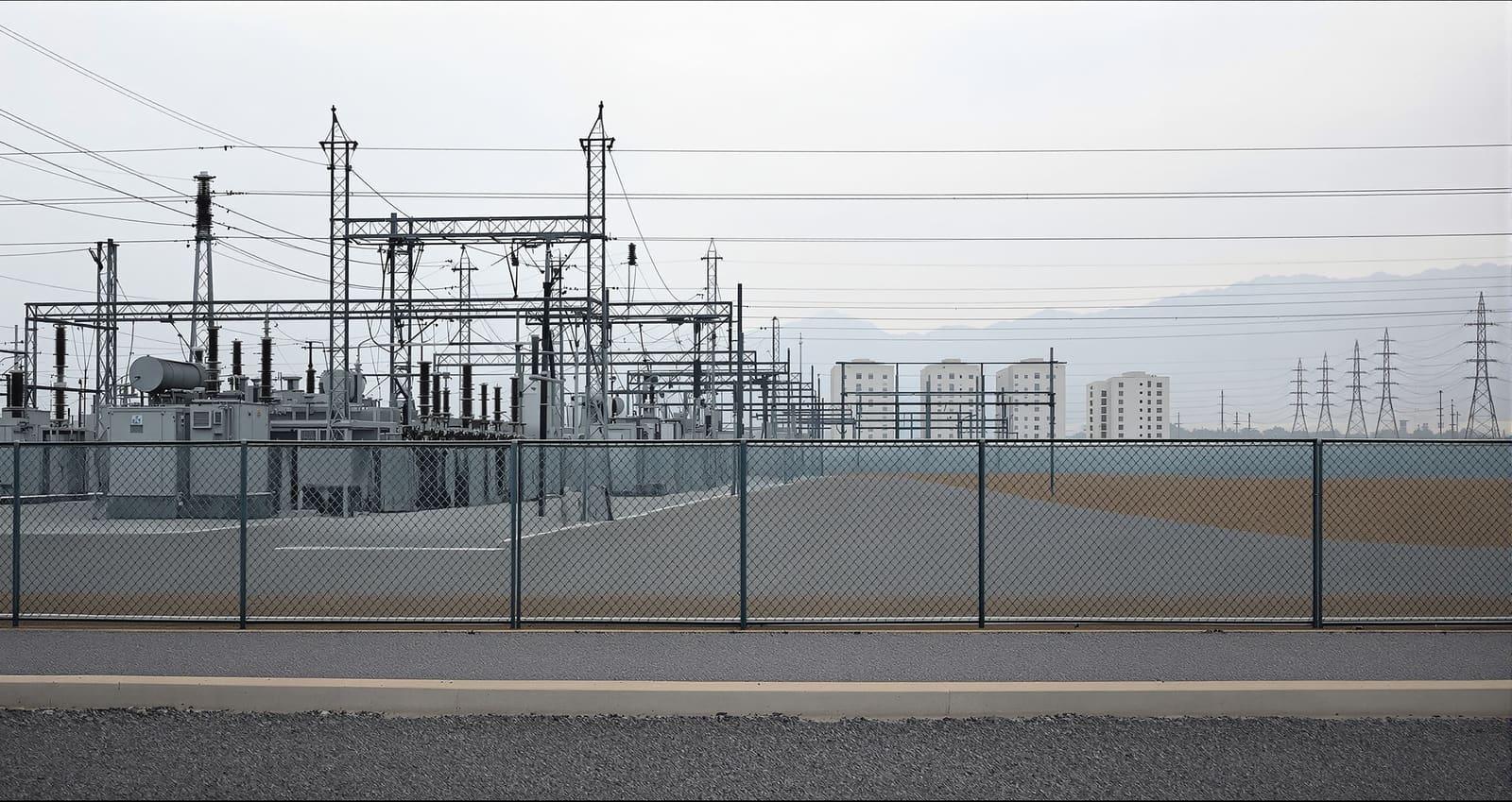
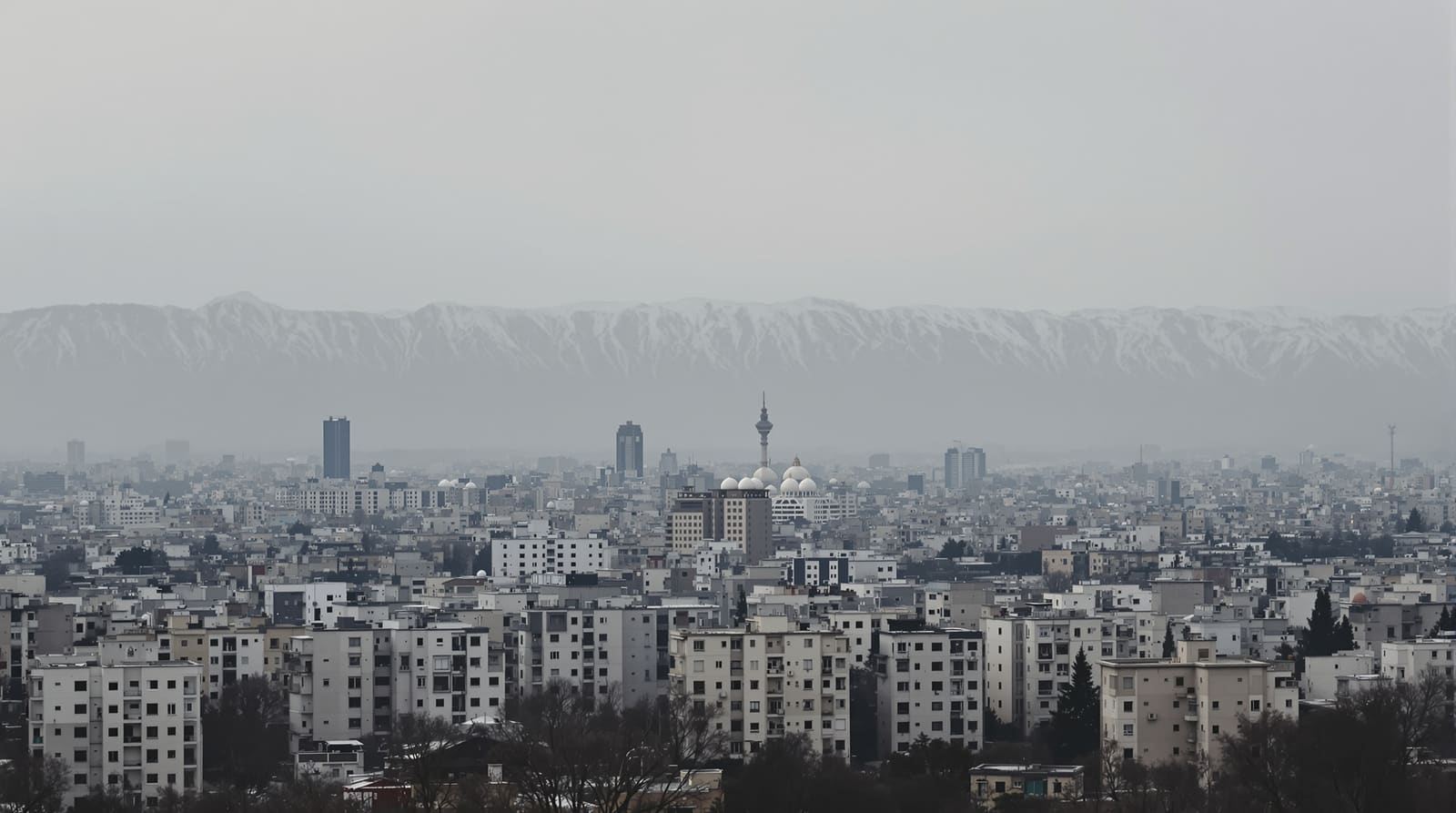
AI illustration, not a photo of the events.
Iran executed three men on Sunday after courts found them guilty of acting on behalf of Israel and the United States and of armed involvement in the anti-government protests that swept the country in January, The Times of Israel reported, citing Iranian state media. The Jerusalem Post also reported the executions, describing the men as accused of working for Israel and the US while taking part in the protests.
The three were named as Hassan Dioband, Hamid Kazemi and Reza Zanganeh. According to Iran's judiciary, as cited by The Times of Israel, they were accused of using guns, grenades and Molotov cocktails, of setting public facilities alight, and of damaging an electricity substation in the city of Karaj in a way that cut power to parts of the area. None of these accusations has been tested outside Iran's own court system.
On the ground

Iran has executed three men after they were convicted of carrying out operations for Israel and the US and taking part in armed unrest during anti-government protests in January, according to state media. The executions are the latest in a series Iran has carried out in recent Show more

What the judiciary says about the arrests
Iran's judiciary said Dioband was detained on January 11, after investigators linked him to attacks on public property and to incitement to violence, according to The Times of Israel. The judiciary further said that ten other people, alleged to have taken part in the unrest under his direction, were arrested afterwards. The reports do not say what happened to those ten, whether they have been tried, or what sentences, if any, they received.
The account of the men's activities, and of their alleged ties to Israel and the United States, comes from Iranian official bodies: the judiciary and state media. Neither Israeli outlet reported any independent evidence for the charges, and neither reported a response from the men's families or lawyers.
The January protests
Both Israeli publications illustrated their reports with images from demonstrations in Tehran in early January 2026. The Jerusalem Post used a photograph of fires burning at a rally on January 8, while The Times of Israel used an image of an anti-government protest on January 9. These were street protests against Iran's clerical leadership, and the authorities have treated those accused of violence during them as security offenders.
Israel's week in five stories, every Friday
Sourced and checked by the Israel.com newsroom, with Shabbat times. Free, one-click unsubscribe.
One list, unsubscribe in a click. See our privacy policy.
The Times of Israel noted that Sunday's hangings are not isolated. Iran has carried out a series of executions in recent months connected to the January protests, and some of those put to death were also accused of links to Israel and the United States.
Why Iran ties protesters to Israel
Iran's government regards Israel and the United States as its principal adversaries, and Iranian officials routinely describe domestic unrest as the product of foreign plotting rather than internal discontent. Charges of collaborating with Israel carry particular weight in Iran, where they can lead to the death penalty. Linking protesters to Israel allows the authorities to frame dissent as a matter of national security.

Illustration
Next story Security
Witnesses say Houthi attack damaged a tower in Riyadh's financial district
For readers outside the region, it is worth noting that Iran's judiciary is not independent of the political leadership, and rights organisations have long raised concerns about the fairness of trials in security cases there. The reports on these three executions do not describe the trials themselves, how long they lasted, or whether the defendants had access to lawyers of their choosing.
A discrepancy in the reporting
The two organisations spell the first man's surname differently. The Times of Israel gives it as Dioband, while The Jerusalem Post renders it as Divband. Such variation is common when Persian names are transliterated into English, and both appear to refer to the same person.
What the reports do not say
- No evidence has been published for the claim that the three men acted for Israel or the United States; the allegation rests on statements by Iran's judiciary and state media.
- There is no reported response from Israel or the United States to the accusations.
- The reports do not explain how the men were executed, when they were sentenced, or whether they appealed.
- The status of the ten people the judiciary says were arrested after Dioband remains unreported.
Read next
All security →
Illustration
Security
Saudi Arabia says it intercepted two missiles fired toward Riyadh
File photo
Security
1956 Sinai Campaign archive shows Ben-Gurion wishing Gaza 'swallowed by the sea'
Illustration
Security
Israeli troops fire at stone thrower in Qalqilya, army reports a hit
Illustration
Security
Iran hangs three men over January 2026 unrest, citing work for Israel
Sources and further reading
Every link below was opened and checked when this page was written. Official statements are marked as such: they are the subject's own account, not an independent one.
- Reportingtoitimesofisrael.comThe Times of Israel
- Reportingtoitimesofisrael.comThe Times of Israel
- Reportingjpostjpost.comThe Jerusalem Post
How we checked this
The executions were reported by The Times of Israel and The Jerusalem Post, both citing Iranian state media. The charges, including the alleged links to Israel and the US and the arrest details, come solely from Iran's judiciary and have not been independently verified.
Our sourcing and corrections policy →The week from Israel, in one email
The stories that mattered, sourced and checked by the Israel.com newsroom. Free, weekly, one-click unsubscribe.
One list, unsubscribe in a click. See our privacy policy.
Latest
Illustration
Illustration

File photo

Illustration
File photo
Illustration