Israel's 26th Knesset to be sworn in as coalition manoeuvring goes on
As 120 lawmakers prepare to take their oaths on Tuesday, Ynet reports the Speaker post is likely going to Eisenkot's party while no coalition has formed.
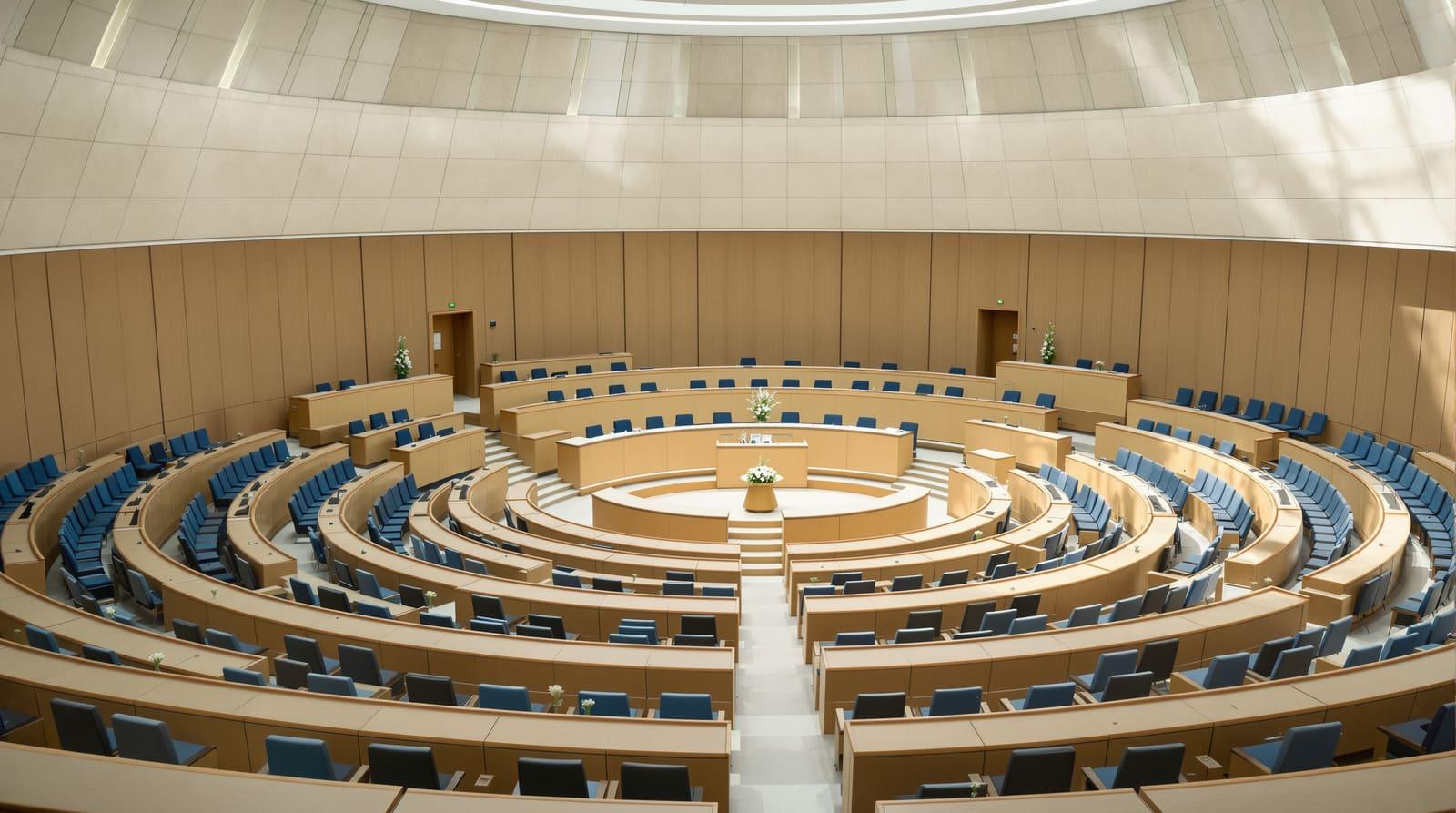
AI illustration, not a photo of the events.
One update since publication
- Ynet says the next Knesset Speaker is likely from Eisenkot's party as coalition manoeuvring continues before the oath.
This story is being added to as it develops. Earlier text is kept below the updates rather than rewritten, so what this page said at each point is still on it.
Update, 10 November, 00:08 Israel time
New reporting on the eve of the ceremony gives the first picture of where coalition politics stand. Ynet reported that Eisenkot has secured another gain before the oath, with the next Speaker of the Knesset expected to come from his party. The Hebrew site added that Avigdor Liberman is still working towards a government that would include the ultra-Orthodox (Haredi) parties, an effort it said is putting pressure on Prime Minister Netanyahu, while Netanyahu presses on with a campaign built around a call for "unity". According to Ynet, Naftali Bennett has so far stayed silent, and how the Haredi parties will act remains one of the open questions going into Tuesday.
Haaretz, profiling the 46 first-time lawmakers, said the newcomers include right-wing commentators, activists opposed to Netanyahu, former IDF officers and social entrepreneurs. It said some of the bereaved family members entering the house lost relatives in the October 7 attack, and noted that the ceremony comes two weeks after the election. Haaretz published photographs of ushers preparing the plenum chamber on Monday.
On the ground

Eisenkot delays government swearing-in until Knesset speaker is replaced Yashar! leader seeks to oust Likud's Amir Ohana before bringing a new government to a confidence vote, fearing the speaker could delay the process and give Ne... ynetnews.com/article/bjvjdb…


🧵 Former Israeli security officials warn of a possible January 6-style confrontation at Tuesday’s Knesset swearing-in, after Netanyahu failed to win a majority and far-right activists reportedly called for new lawmakers to be blocked from entering.

None of the new reports confirms which party Eisenkot leads in this Knesset or names the expected Speaker, and Ynet presented the Speaker outcome as likely rather than settled.
The story as first reported
Israel's newly elected parliament, the 26th Knesset, is due to hold its swearing-in ceremony on Tuesday, even though no government has yet been formed. Haaretz reported that the incoming house is made up of 120 lawmakers drawn from 11 party lists.
According to Ynet, the new members will take their oath with relatives in the chamber, along with the country's president and, unusually, two robots. The Hebrew news site reported that 46 of the lawmakers are new to the Knesset and that 33 are women, which it described as the largest representation of women the parliament has ever had. Ynet also said that a number of the incoming members come from bereaved families, and that the intake ranges from a former military chief of staff to a 24-year-old.
Get an email the day Israel has a new government.
Coalition talks can take weeks. When a government is sworn in, Israel.com's newsroom emails who leads it, which parties are in and who got which ministry, then the Friday email each week. Free, and one click unsubscribes.
One list, unsubscribe in a click. See our privacy policy.
What the Knesset is
The Knesset is Israel's single-chamber parliament, based in Jerusalem. It has 120 seats, and its members are known in Israel as MKs, short for Members of Knesset. Israelis vote for national party lists rather than for individual candidates in constituencies, and seats are shared out among the lists that pass the electoral threshold. Each Knesset is numbered in sequence, so the body being sworn in now is the 26th since the state's founding.
The swearing-in ceremony formally opens a new parliamentary term. It is a set-piece occasion in Israeli political life: the president attends, families of new members watch from the galleries, and each lawmaker in turn pledges allegiance to the state and its laws. The opening of the house is a constitutional step that happens on its own timetable, separate from the negotiations over who will govern.
A parliament before a government
In Israel's system, voters elect a parliament, not a prime minister. A government can take office only once a candidate assembles a coalition that commands the confidence of a majority of the Knesset. The president consults with the parties after an election and then gives a lawmaker the task of trying to build that coalition. Until a new government wins a confidence vote in the Knesset, the outgoing government stays in place in a caretaker role.
File photo
Next story Elections
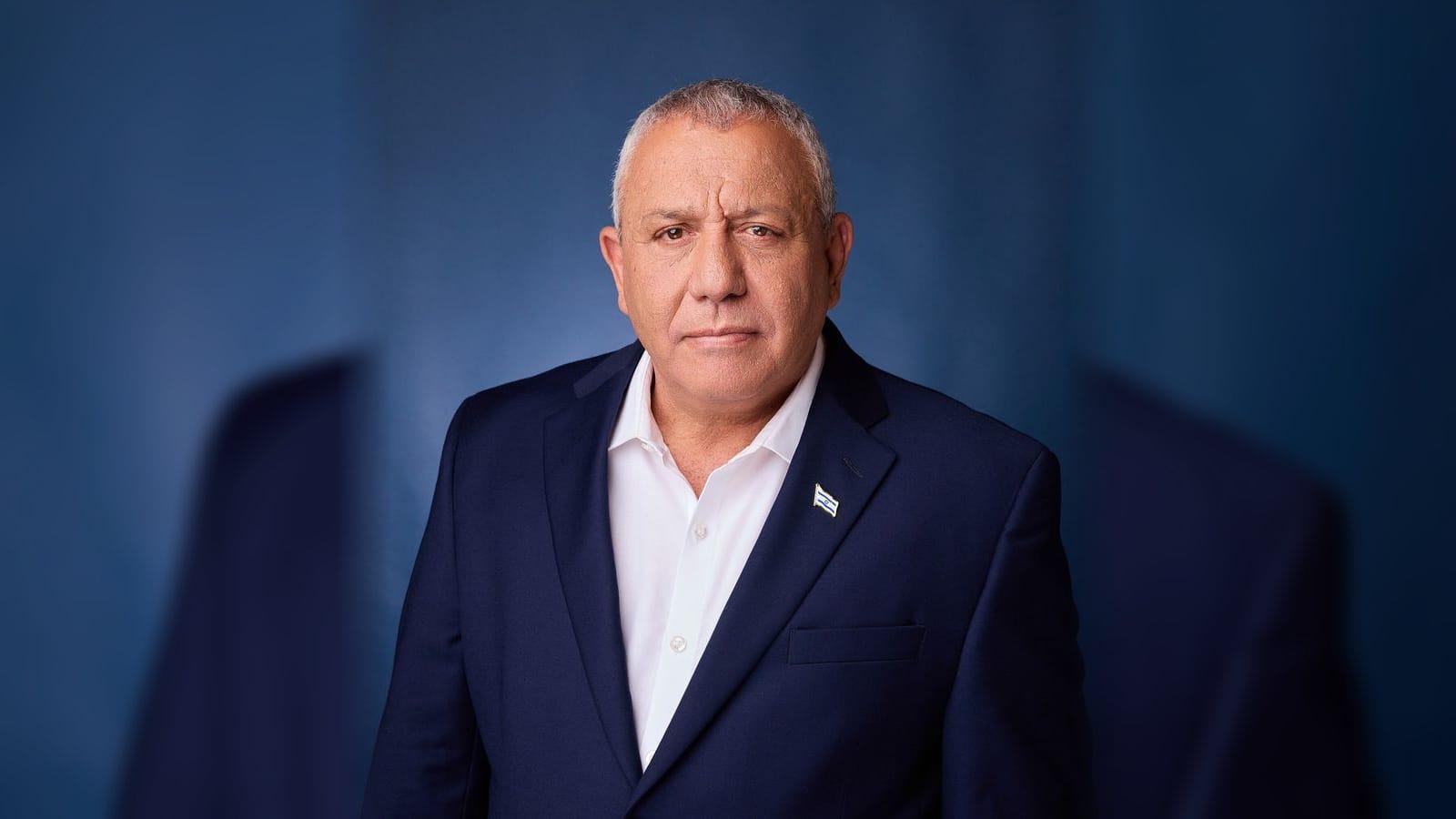
Eisenkot's Yashar party set to take Knesset speaker post from Ohana
That is why it is common for a new Knesset to be sworn in while coalition talks are still continuing. The reports describe exactly that situation here: the members will take their seats, but the question of who leads the country remains open. Haaretz framed its coverage around what follows the ceremony, though the portion of its report available to us does not set out the next steps in detail.
Orientation before the oath
The Jerusalem Post reported that incoming MKs spent an orientation day at the Knesset ahead of the ceremony, and published a photograph of the building being prepared for the new members, dated November 9, 2026. Ynet likewise said that the 46 newcomers had already visited for an introductory tour of the parliament.
Orientation is the first practical contact many new lawmakers have with the institution: its chamber, its committees and the staff who run its daily business. With close to two fifths of the house serving for the first time, the induction process carries particular weight for this intake.
Who is in the new house
The details that the reports single out point to a parliament that differs in composition from its predecessors. Ynet's figure of 33 women marks, by its account, a record for the Knesset. The presence of members from bereaved families, a term Israelis use for families who have lost a relative in war or in attacks, reflects the weight that loss carries in the country's public life. The age range Ynet described, from a former chief of staff of the Israel Defense Forces (IDF) to a lawmaker of 24, suggests a wide spread of backgrounds, though the material available does not name individual members.
Haaretz's count of 11 party lists gives a sense of how fragmented the incoming parliament is. In a system where no single party typically wins a majority on its own, the number of lists in the house shapes how complicated coalition-building is likely to be.
What the reports do not say
None of the reports seen here says which lawmaker the president has asked, or will ask, to form a government, or how coalition talks currently stand. They do not explain the role the two robots will play at the ceremony, and they do not name the former chief of staff, the youngest member or the bereaved family members Ynet referred to. The exact time of Tuesday's ceremony is also not given.
Read next
All government →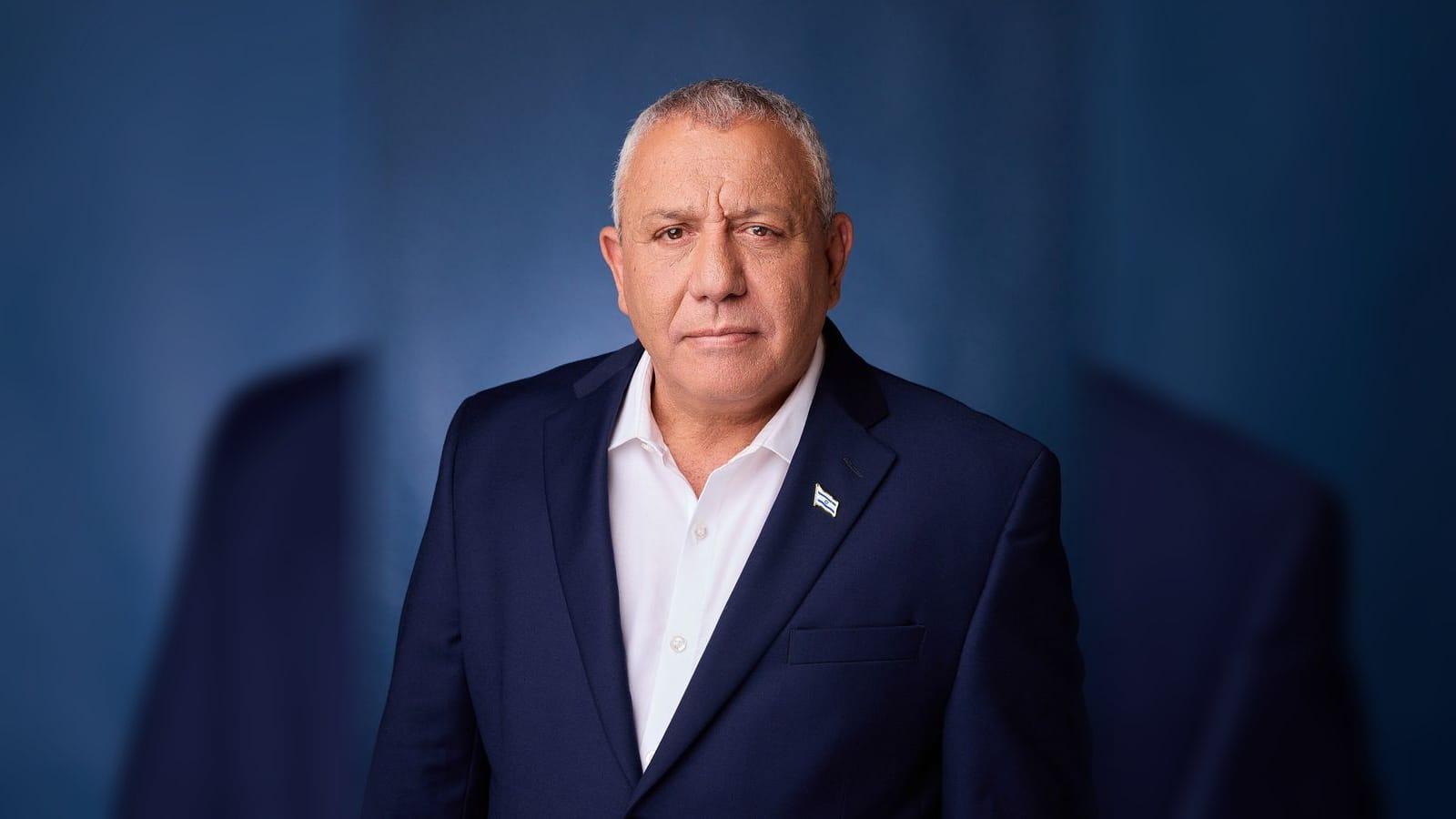
File photo
Government
United Torah Judaism rejects Eisenkot party bid to replace Knesset speaker Ohana
File photo
Government
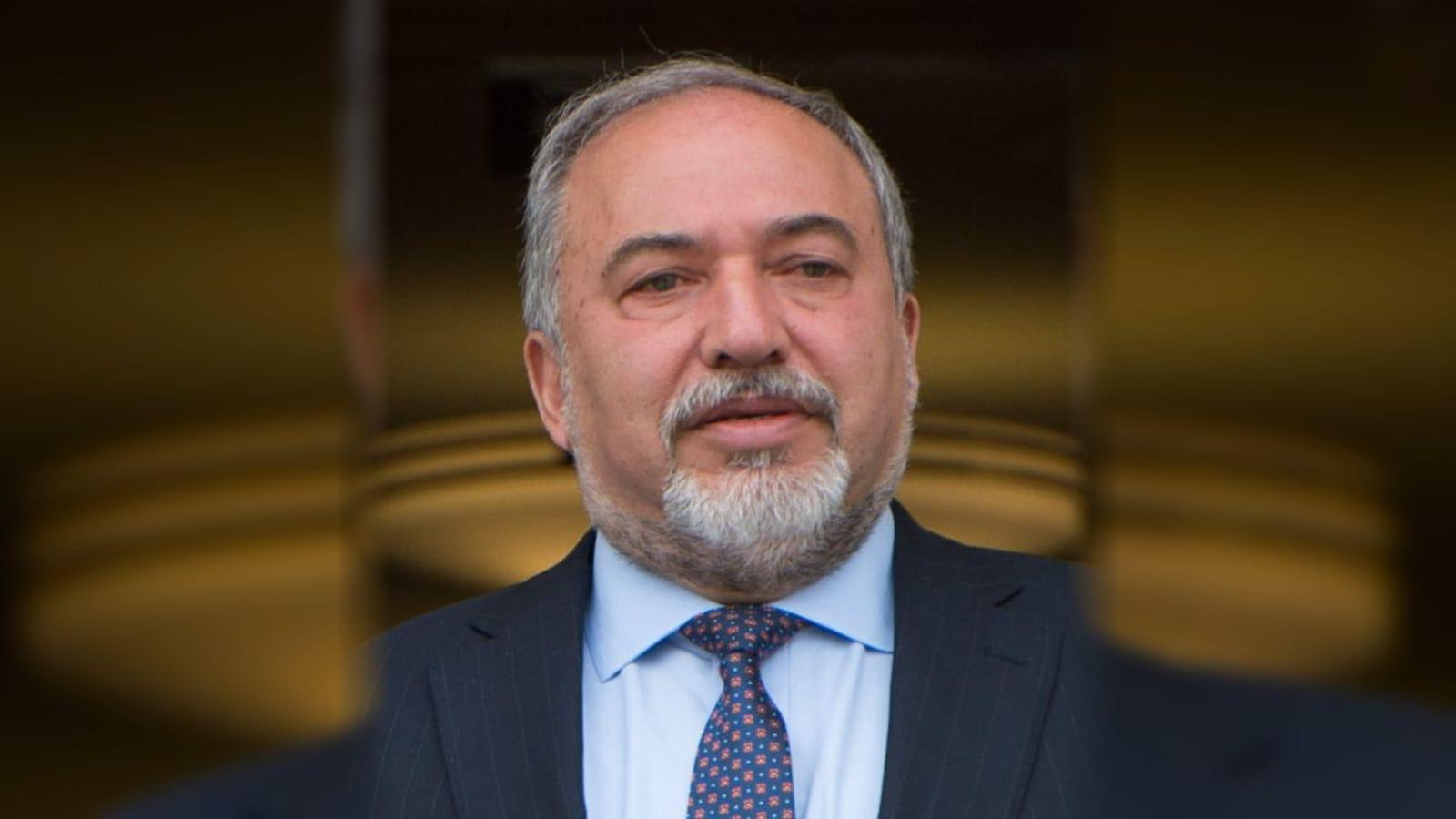
Liberman calls anyone with other Knesset priorities 'simply an idiot'
File photo
Government
Netanyahu names Ofir Katz to chair Likud's faction in the 26th Knesset
File photo
Elections
Deri and Abutbul leave Shas Knesset slate; Deri stays on as party chairman
Sources and further reading
Every link below was opened and checked when this page was written. Official statements are marked as such: they are the subject's own account, not an independent one.
How we checked this
The Tuesday swearing-in, the 120 members, 11 lists and 46 newcomers are reported by both Haaretz and Ynet. The likely Speaker outcome and the state of coalition efforts are attributed to Ynet alone and were described as not yet final.
Our sourcing and corrections policy →The week from Israel, in one email
The stories that mattered, sourced and checked by the Israel.com newsroom. Free, weekly, one-click unsubscribe.
One list, unsubscribe in a click. See our privacy policy.

Israel.com is free, and readers like you keep it that way.
The Israel.com newsroom checks every story against its sources and publishes it free. If this one helped, a contribution of any size keeps the next one free too.
One payment, nothing to sign up for. Another amountGive monthly
Latest

File photo
File photo

File photo
File photo
Illustration

File photo