United Torah Judaism rejects Eisenkot party bid to replace Knesset speaker Ohana
The ultra-Orthodox party told Gadi Eisenkot's Yashar it will not back replacing speaker Amir Ohana until a new government is formed, removing support for an early move.
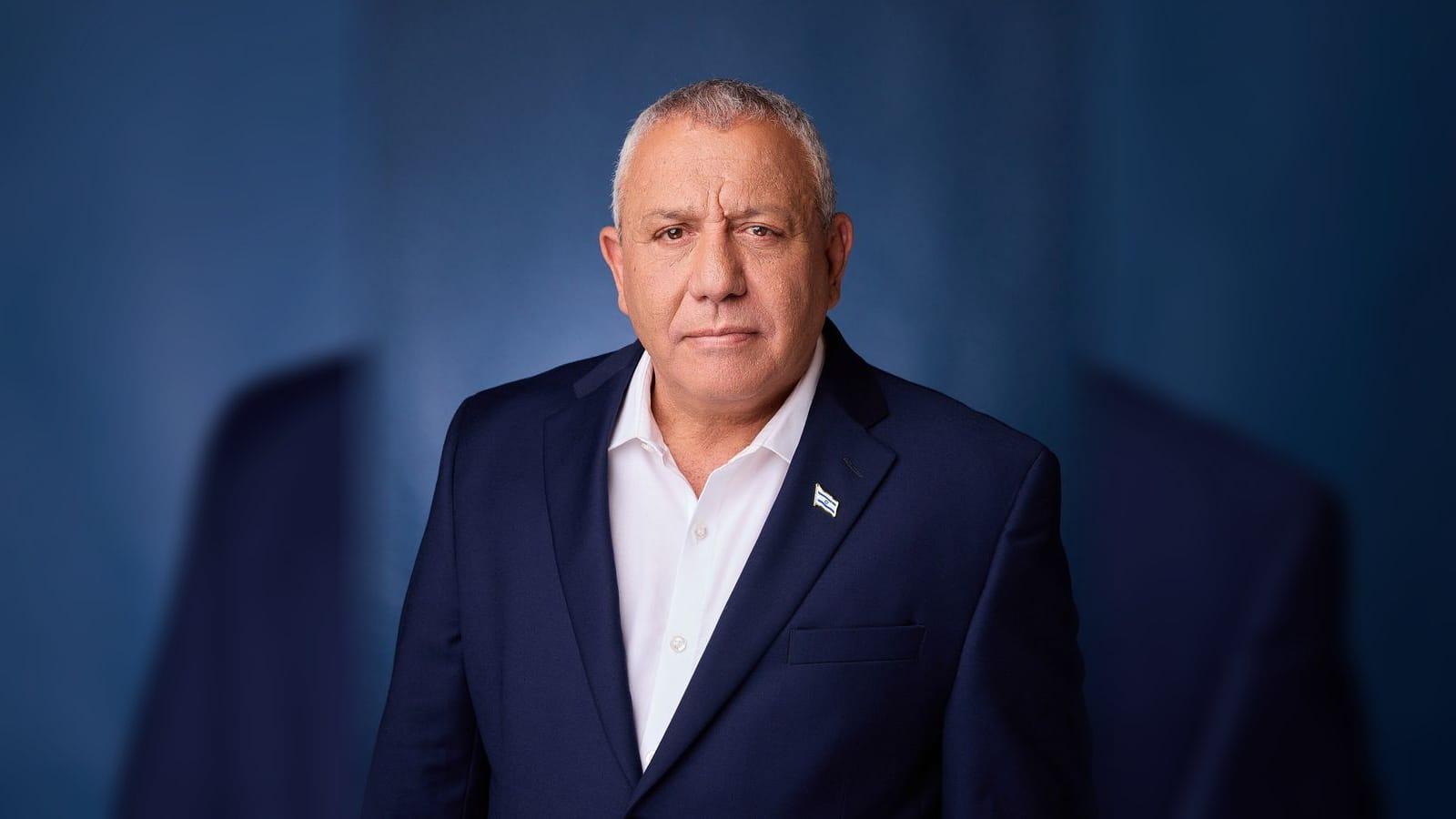
Gadi Eisenkot. File photo by יהב טרודלר (Yahav Trudler - Yahav Studio), CC BY-SA 3.0, via Wikimedia Commons.
United Torah Judaism, the alliance of ultra-Orthodox parties in Israel's parliament, has turned down a request from Gadi Eisenkot's party, Yashar, to take part in an effort to replace Amir Ohana as speaker of the Knesset. Ynet reported in a news alert that the party told Eisenkot it opposes changing the Knesset speaker before a government has been formed.
Political commentator Amit Segal, writing on his Telegram channel, named Yaakov Asher of United Torah Judaism as the figure who refused Yashar's request. According to a version of Segal's report carried by N12, the party's position is that replacing the speaker should take place together with the establishment of a new government, and not at the point the Knesset is convened. The news site News.co.il also reported Asher's refusal, describing it as a dramatic development.
Who the parties are
United Torah Judaism, often abbreviated in Hebrew as Yahadut HaTorah, represents Haredi, or ultra-Orthodox, Jewish voters. It has historically been a partner in coalitions led by the Likud party and has often been courted by both sides of Israeli politics when governments are being assembled. Yaakov Asher is one of its senior lawmakers.
Yashar is the party led by Gadi Eisenkot, a former chief of staff of the Israel Defense Forces who entered politics after leaving the military. The reports describe the request as coming from Eisenkot's party, but do not say which of its members made the approach or how it was made.
Amir Ohana, a Likud lawmaker, is the current speaker of the Knesset, Israel's single-chamber parliament.
Get an email the day Israel has a new government.
Coalition talks can take weeks. When a government is sworn in, Israel.com's newsroom emails who leads it, which parties are in and who got which ministry, then the Friday email each week. Free, and one click unsubscribes.
One list, unsubscribe in a click. See our privacy policy.
Why the speaker's chair matters
The speaker of the Knesset presides over the plenary, the full sitting of parliament, and has significant influence over its agenda: which bills come up for votes, when sessions are scheduled and how procedural disputes are handled. The post is therefore valuable to whichever political camp controls it, especially during the uncertain period between an election and the formation of a coalition, when the parliament is sitting but there is not yet an agreed government.
Under Israeli practice, a speaker remains in office until a successor is elected by a majority of lawmakers. That means a group of parties seeking to install a new speaker early must assemble enough votes in the chamber to do so, even before agreeing on a governing coalition. Support from a party such as United Torah Judaism would add to any such majority; its refusal removes those votes from the effort, at least for now.

File photo
Next story Religion
United Torah Judaism says only Netanyahu's camp has reached out to the party
What United Torah Judaism is arguing
The position attributed to the party is about timing rather than about Ohana personally. As quoted in the N12 report, United Torah Judaism argues that the replacement belongs alongside the creation of a new government, not at the moment the new Knesset opens. Ynet's alert framed it the same way: the party opposes a change of speaker before a government is in place.
In practical terms, this means the party is declining to join a vote on the speakership as a stand-alone step. It does not, on the reports available, rule out a change of speaker as part of a broader coalition agreement later.
How the reports compare
The four reports are consistent with one another. Ynet attributes the position to United Torah Judaism as a party and addresses it to Eisenkot. Segal and News.co.il name Yaakov Asher as the person who refused Yashar's request. N12's item is explicitly a relay of Segal's report rather than separate reporting, and it is the only one to include a direct quote setting out the party's reasoning. None of the reports contradicts another on the substance.
What the reports do not say
The reports do not say whether Yashar or Eisenkot has responded to the refusal, or whether the effort to replace Ohana will go ahead without United Torah Judaism. They do not say which other parties, if any, back the move, whether a vote has been scheduled, or who would be put forward as a replacement speaker. There is also no reported reaction from Ohana or from Likud.
Read next
All government →
Illustration
Religion
Shas waits in silence as United Torah Judaism celebrates exit polls
File photo
Government
Eisenkot to hold off on swearing in government until Knesset speaker is replaced
File photo
Elections
Eisenkot says change bloc will move fast on emergency government and Knesset
File photo
Courts & Crime
High Court fines Knesset Speaker Ohana 10,000 shekels but won't order comptroller vote
Sources and further reading
Every link below was opened and checked when this page was written. Official statements are marked as such: they are the subject's own account, not an independent one.
- Reportingyediotht.meYnet alerts
- Reportingamitsegalt.meAmit Segal
- Reportingnewssilt.meNews.co.il
- Reportingkeshett.meN12
How we checked this
The refusal was reported by Ynet, Amit Segal and News.co.il; N12's item relays Segal's report. The direct quote on the party's reasoning appears only in the N12 relay of Segal, and the attribution to Yaakov Asher comes from Segal and News.co.il.
Our sourcing and corrections policy →The week from Israel, in one email
The stories that mattered, sourced and checked by the Israel.com newsroom. Free, weekly, one-click unsubscribe.
One list, unsubscribe in a click. See our privacy policy.

Israel.com is free, and readers like you keep it that way.
The Israel.com newsroom checks every story against its sources and publishes it free. If this one helped, a contribution of any size keeps the next one free too.
One payment, nothing to sign up for. Another amountGive monthly
Latest

Illustration
Illustration
File photo

File photo

Illustration