Israel's 95 octane gasoline to fall 24 agorot despite end of tax discount
A sharp drop in world gasoline prices outweighs the expiry of a 50 agorot excise discount, bringing the self-service price to NIS 7.61 a liter from December 1.

AI illustration, not a photo of the events.
Drivers in Israel filling up with 95 octane at self-service stations will pay 24 agorot less per liter from midnight on Monday night, as December 1, 2026 begins, even though a temporary discount on fuel excise tax is ending at the same time. Globes reported that the maximum price for this grade will fall by NIS 0.24 per liter.
According to Ynet, a liter of 95 octane at self-service stations will cost 7.61 shekels after the change. In the southern city of Eilat, the same liter will be priced at 6.45 shekels, Ynet said. The news site attributed the decrease to a steep fall in gasoline prices on international markets, which it said was large enough to more than cancel out the end of a discount on excise tax that had been worth 50 agorot.
On the ground

An Israeli strike on a clinic operated by Doctors Without Borders (MSF) in Gaza has killed two watchmen, bringing its staff death toll to 17. MSF called it a ‘direct hit’, saying its logos were visible and Israel knew the location. Israel said the two were Hamas fighters.
How Israel sets the price at the pump
Unlike in many countries where retailers set gasoline prices freely, the price of self-service 95 octane in Israel is controlled by the government. What the state sets is a ceiling: Globes described the figure as the maximum price for this regulated product. Stations may charge less, but not more. Changes to the ceiling typically take effect at the start of a calendar month, which is why this adjustment kicks in at midnight as December 1 arrives.
Because the price is regulated, changes in it are announced in advance and reported widely by the Israeli press. For households, the self-service 95 octane figure works as the headline benchmark for the cost of driving, in the same way that a national average pump price might in other countries.
What the excise tax discount was
Excise tax, known in Hebrew as blo, is a duty levied on specific goods, including fuel, on top of value added tax. It makes up a substantial part of what drivers pay at the pump. Governments can trim it temporarily to cushion consumers when fuel becomes expensive, and restore it later.
Israel's week in five stories, every Friday
Sourced and checked by the Israel.com newsroom, with Shabbat times. Free, one-click unsubscribe.
One list, unsubscribe in a click. See our privacy policy.
According to Ynet, the reduction that is now ending lowered the excise on gasoline by 50 agorot per liter. Globes referred to it as an excise subsidy. On its own, removing that reduction would have pushed the pump price up. Ynet reported that the decline in the cost of gasoline abroad was sharp enough that the net result for drivers is still a cut of 24 agorot per liter.
The agora (plural agorot) is the hundredth subdivision of the Israeli shekel, written as NIS, for new Israeli shekel. A change of 24 agorot is therefore the same as NIS 0.24, the figure Globes used.

Illustration
Why Eilat is cheaper
Eilat is Israel's southernmost city, on the Red Sea coast. It has a special tax status that exempts many purchases there from value added tax, which is why consumer prices in the city, fuel included, are lower than in the rest of the country. Ynet gave the Eilat price for a liter of 95 octane at self-service stations as 6.45 shekels from the start of December.
The two reports side by side
The two outlets agree on the direction and size of the change: a reduction of 24 agorot, or NIS 0.24, per liter for self-service 95 octane. Globes specified the timing, at midnight on Monday as December 1, 2026 begins. Ynet supplied the new national price, the Eilat price, the value of the expiring excise discount and the explanation that international gasoline prices had dropped sharply. Neither report contradicts the other.
What the reports do not say
Neither report names the government body that announced the new price or quotes any official statement. They do not say when the excise discount was introduced, why it is ending now, or whether there is any plan to bring it back. The reports also give no new prices for full-service pumps, for diesel or for other fuel grades, and do not say how far international gasoline prices have fallen.
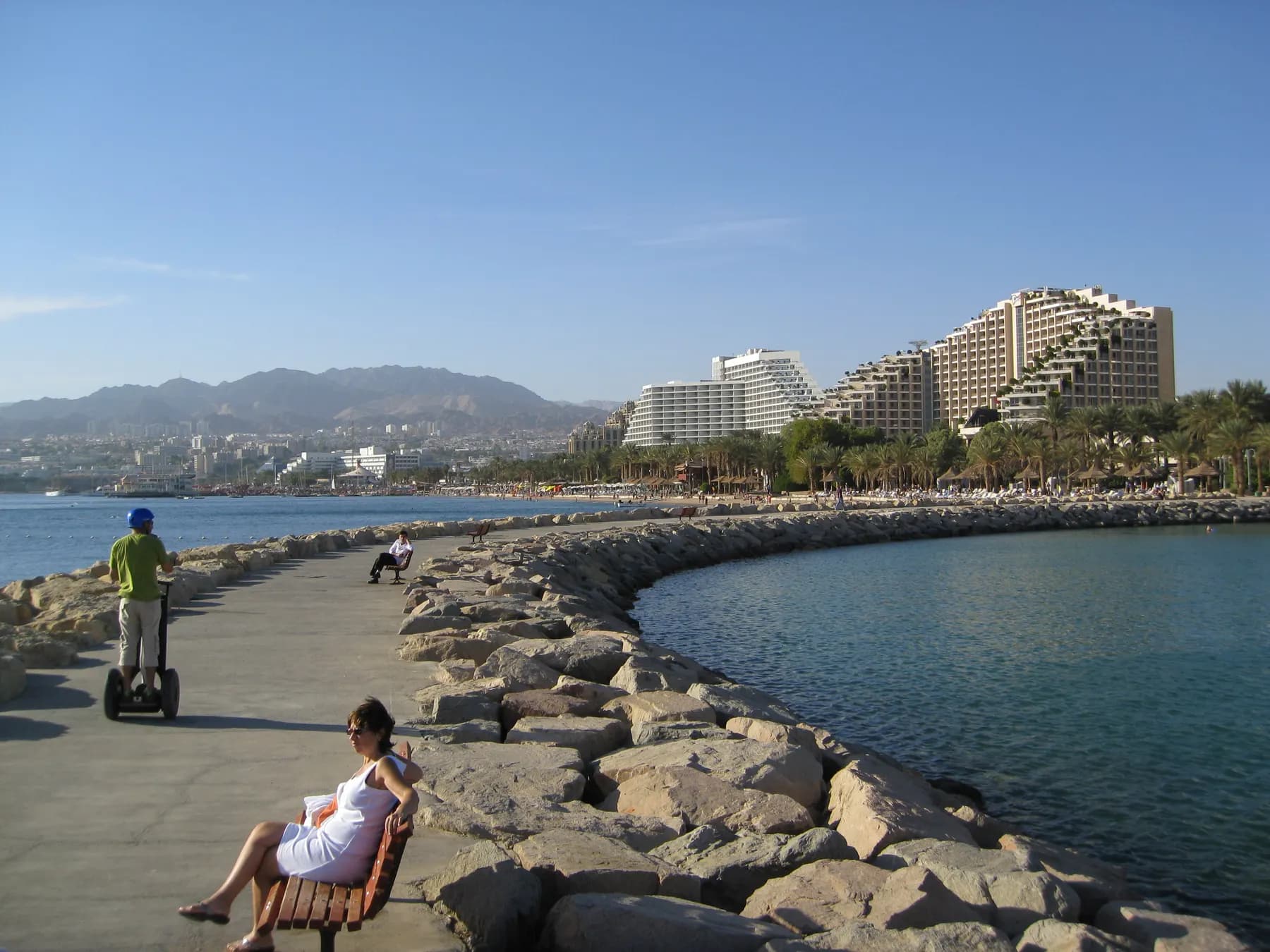
Chris Yunker from St. Louis, United States / CC BY-SA 2.0 · Wikimedia Commons
Read next
All economy →
Illustration
Economy
Shufersal net profit falls 21.4% as third-quarter revenue slips 4.6%

Illustration
Economy
Israel Tax Authority seeks up to NIS 12 billion more from Wiz founders

Illustration
Economy
Bank of Israel holds its benchmark rate at 3.25% as inflation stays low

Illustration
Economy
Bank of Israel holds rate at 3.25% amid a weakening shekel
See Israel.com first in Google's top stories.Add it as a preferred source on Google
Sources and further reading
Every link below was opened and checked when this page was written. Official statements are marked as such: they are the subject's own account, not an independent one.
How we checked this
The price cut and its size were reported by both Ynet and Globes, which agree. The new prices, the Eilat figure, the 50 agorot value of the excise discount and the explanation about world prices come from Ynet alone; the exact timing comes from Globes.
Our sourcing and corrections policy →The week from Israel, in one email
The stories that mattered, sourced and checked by the Israel.com newsroom. Free, weekly, one-click unsubscribe.
One list, unsubscribe in a click. See our privacy policy.

Israel.com is free, and readers like you keep it that way.
The Israel.com newsroom checks every story against its sources and publishes it free. If this one helped, a contribution of any size keeps the next one free too.
One payment, nothing to sign up for. Another amountGive monthly
Latest
Illustration
Illustration

Illustration

File photo

File photo

File photo