Netanyahu and Eisenkot meet at the Kirya on unity government, no deal reached
The prime minister and the Yashar! leader held talks on a national unity government, but both sides say large gaps remain and no further meeting is reported as planned.
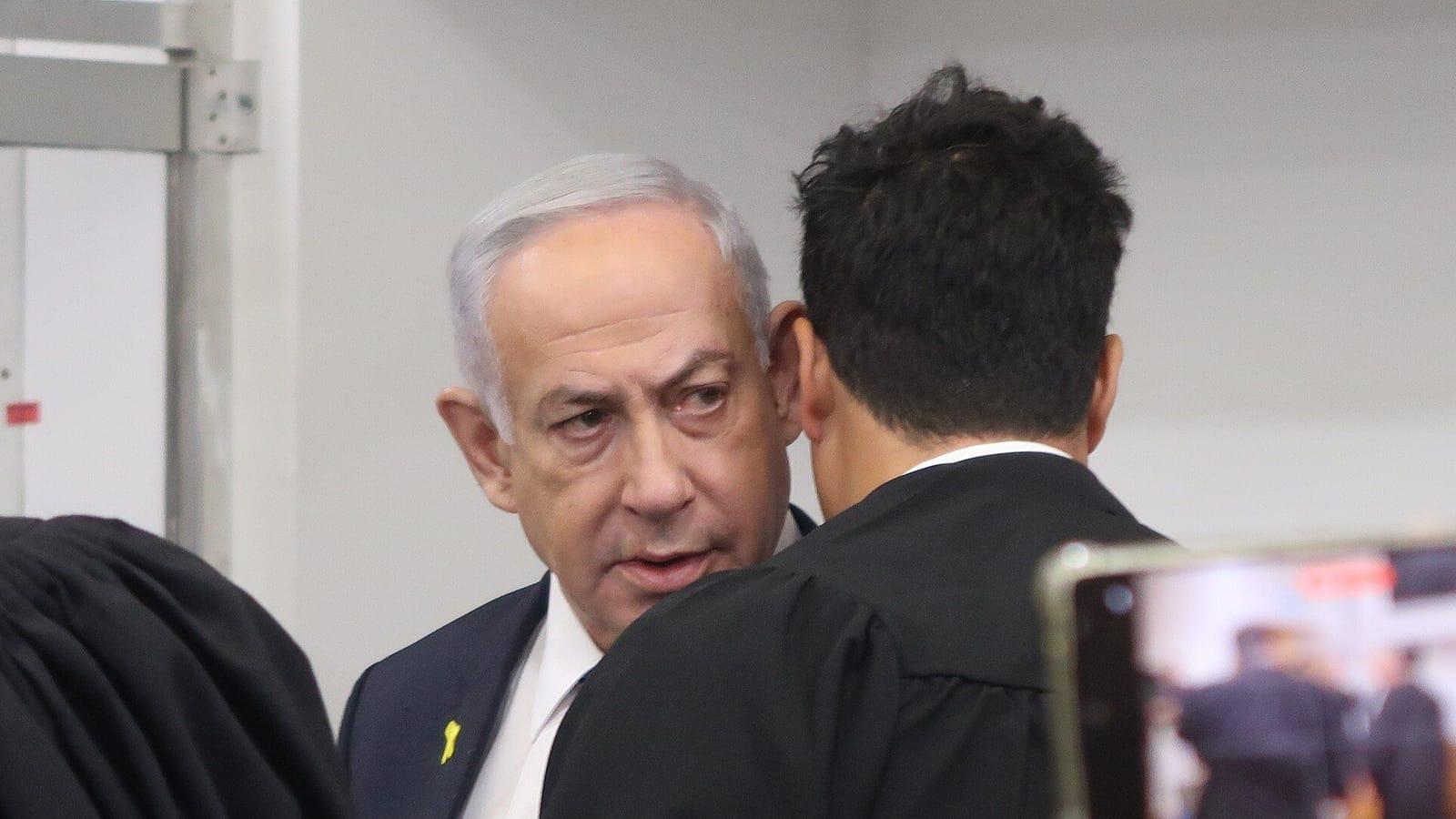
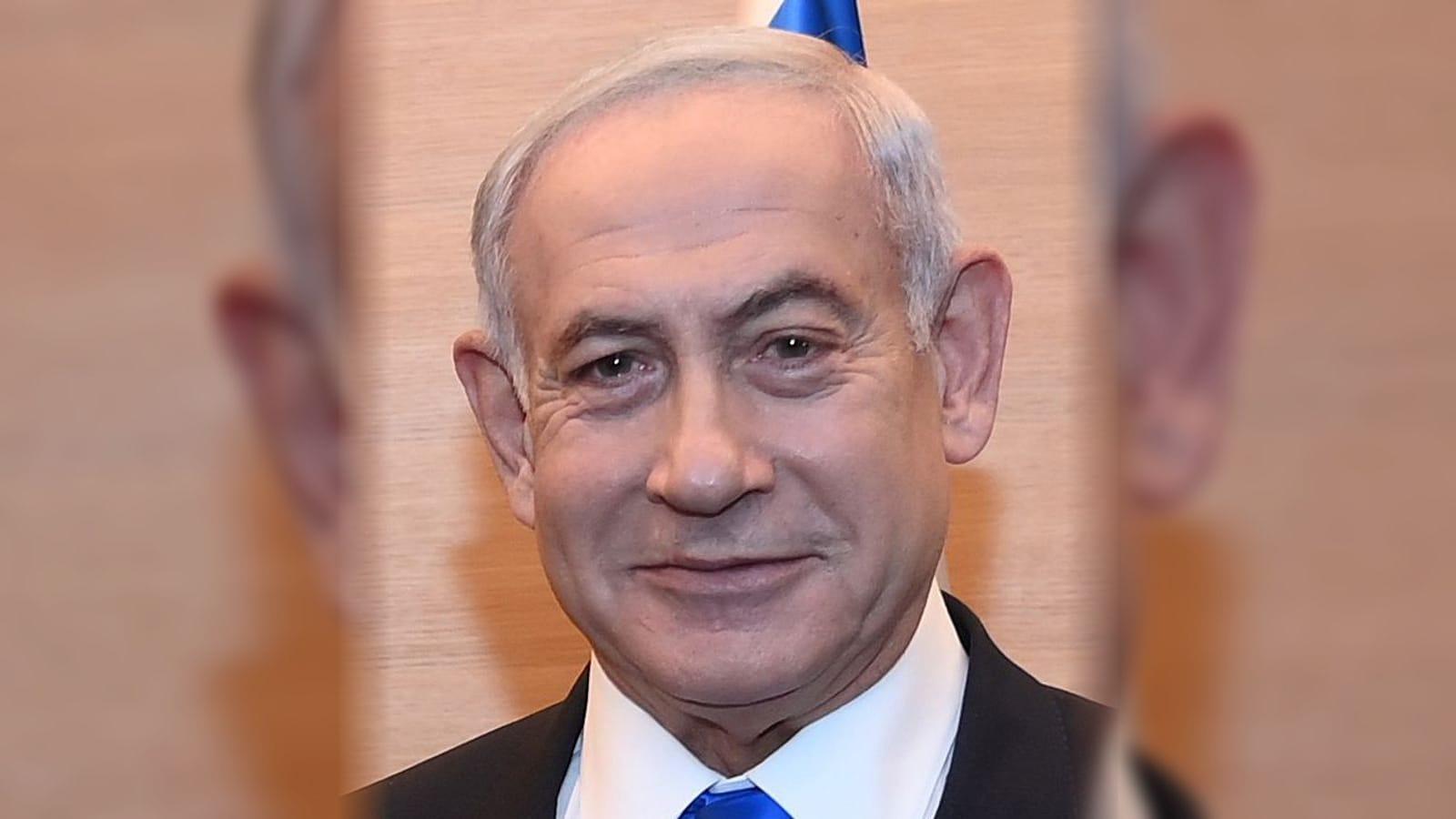
Benjamin Netanyahu. File photo by Oren Persico, The Seventh Eye אורן פרסיקו, העין השביעית, CC BY-SA 4.0, via Wikimedia Commons.
Prime Minister Benjamin Netanyahu and Gadi Eisenkot, chairman of the Yashar! party, met on Sunday morning at the Kirya in Tel Aviv to discuss forming a national unity government, according to a joint statement issued afterwards by Likud and Yashar!. The statement said the meeting opened with a security briefing before turning to coalition talks, which it described as businesslike, with each side trying to close what it called the large gaps between them.
Nothing in the reports points to a breakthrough. The Times of Israel reported that large differences were said to remain and that no additional meetings had been scheduled. The Jerusalem Post reported that the session lasted two hours and that the two men were not expected to continue the unity talks.
What the sources posted


הליכוד וישר בהודעה משותפת: "הפגישה בין נתניהו ואיזנקוט התקיימה באווירה עניינית, בניסיון לגשר על הפערים הגדולים הקיימים" @glick_sh kan.org.il/content/kan-ne…
On the ground

Israel’s Prime Minister-designate, Gadi Eisenkot, is set to meet with Benjamin Netanyahu on Sunday morning as he seeks to form a coalition government. Guest analyst Alon Pinkas says Eisenkot had to take the meeting to show he tried, but it will not amount to anything.
Who was in the room
Ynet reported that Dermer also attended, and that the meeting began with a security update. Ron Dermer has long been one of Netanyahu's closest advisers; the report did not describe what role he played in the discussion. The same Ynet report said negotiating teams from Yashar! and the Beyachad (Together) party were meeting at the same time, separately from the leaders' session.
The Kirya is the government and military compound in central Tel Aviv that houses the Defence Ministry and the headquarters of the Israel Defense Forces. Holding a political meeting there, and opening it with a security briefing, is consistent with the joint statement's framing of the session as beginning on security matters before moving to politics.
Eisenkot is a former IDF chief of staff who now leads Yashar!, a party whose name in Hebrew means "straight" or "honest". Likud is Netanyahu's party.
Get an email the day Israel has a new government.
Coalition talks can take weeks. When a government is sworn in, Israel.com's newsroom emails who leads it, which parties are in and who got which ministry, then the Friday email each week. Free, and one click unsubscribes.
One list, unsubscribe in a click. See our privacy policy.
Where the two sides disagree
According to Ynet, the disputes go beyond the distribution of posts. The outlet reported that Netanyahu wants any rotation of the premiership, an arrangement in which two leaders take turns holding the office of prime minister, to begin only after what was described as a sensitive security event. Ynet did not say what that event is.
Ynet also reported disagreement on two substantive questions. The first is whether to set up a state commission of inquiry into the October 7 massacre. In Israel a state commission of inquiry is the most senior form of official investigation: it is established by the government but its members are appointed by the president of the Supreme Court, which is why many critics of the government regard it as the only independent option and why its supporters and opponents divide sharply. The second issue is the legislation associated with the judicial overhaul, the package of laws advanced by Netanyahu's government to change the powers of the courts and the way judges are selected, which set off mass protests in Israel.
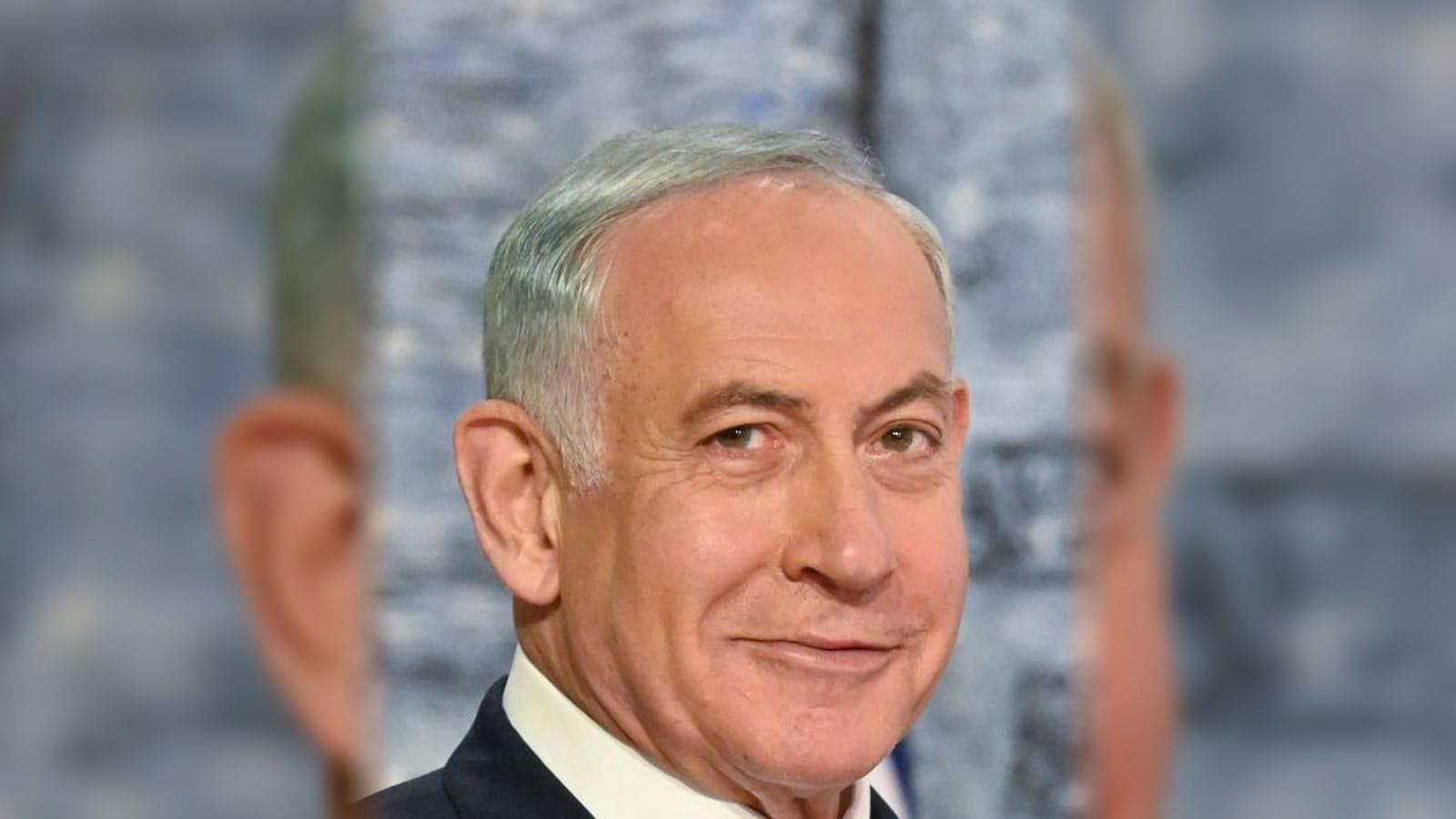
File photo
Next story Government
Netanyahu and Eisenkot end unity talks at Kirya after about two hours
What the joint statement said
The text of the joint statement was carried by several outlets, among them the political commentator Amit Segal on Telegram, Kan News, the public broadcaster's news arm, and Ynet's breaking news channel. Its account was brief. It referred to the meeting as a discussion on establishing a "national unity government" and said the atmosphere was "businesslike". It acknowledged "large gaps" between the parties and presented the meeting as an attempt by both to bridge them. It did not report any agreement, any timetable or any follow-up.
The wording matters because it came from both parties jointly. Neither side issued a separate account claiming progress, and both signed off on a description that put the differences front and centre.
The question of a mandate
Ynet raised the question of whether Eisenkot would announce this week that he had succeeded, using the Hebrew phrase alei b'yadi, "I have succeeded". It is the formal wording a candidate charged with forming a government uses when informing the president that a coalition has been assembled. Ynet posed this as a question, and none of the other reports addressed it. The reports do not set out the current state of the coalition process, who holds the mandate to form a government, or how much time remains on it.
How this fits
A national unity government in Israel usually means a coalition that brings together the largest parties from rival camps, often with a power-sharing deal such as a rotation of the premiership. The reports describe talks of that kind between Likud and Yashar!, with rotation, an October 7 inquiry and the judicial legislation named as sticking points. On the facts reported, the meeting ended with both sides describing the conversation as serious but unresolved, and with no next round announced.
What the reports do not say
- None of the reports describe what the sensitive security event cited by Netanyahu refers to, or when it might occur.
- No report says whether either side made a concrete offer on rotation, the inquiry or the judicial laws.
- The outcome of the parallel talks between the Yashar! and Beyachad teams was not reported.
- Ynet's question about whether Eisenkot will declare that he has formed a government was not answered by either party or by any other outlet.

israeltourism from Israel / CC BY-SA 2.0 · Wikimedia Commons
People in this story: Benjamin Netanyahu, Gadi Eisenkot, Ron Dermer, Amit Segal
Read next
All government →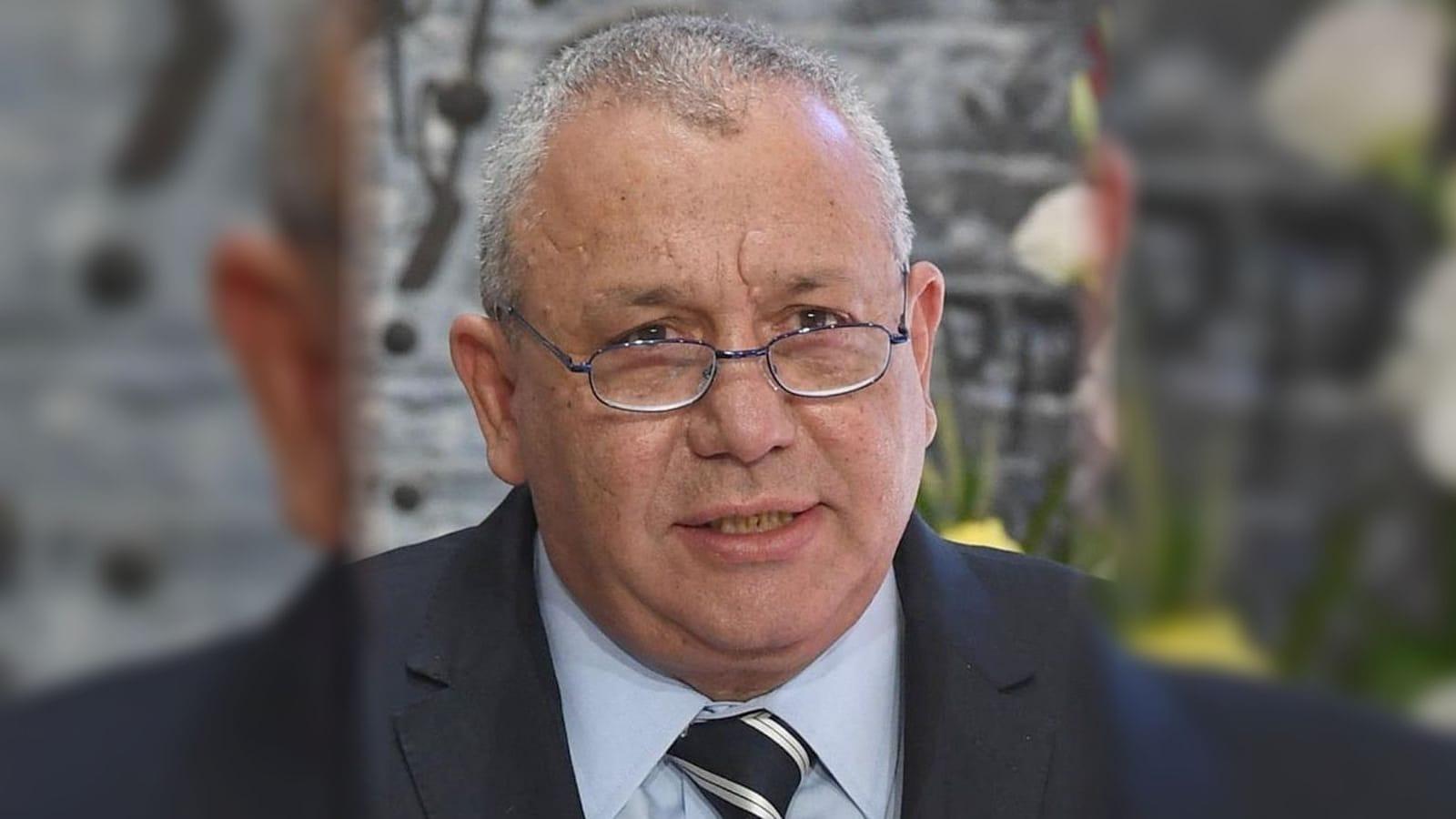
File photo
Security
Eisenkot and Netanyahu to meet at Kirya military HQ on unity government
File photo
Elections
Netanyahu and Eisenkot set to meet at Dan Accadia hotel at 10:00
File photo
Elections
Yisrael Beytenu's Sharon Sharabi rejects government propped up by Ra'am

Illustration
Courts & Crime
Patient taken from Ichilov intensive care to police station, now critical
See Israel.com first in Google's top stories.Add it as a preferred source on Google
Sources and further reading
Every link below was opened and checked when this page was written. Official statements are marked as such: they are the subject's own account, not an independent one.
- Reportingyediothynet.co.ilYnet
- Reportingyediotht.meYnet alerts
- Reportingtoitimesofisrael.comThe Times of Israel
- Reportingjpostjpost.comThe Jerusalem Post
- Reportingamitsegalt.meAmit Segal
- Reportingnewssilt.meNews.co.il
- Reportingkanx.comKan News on X
How we checked this
The meeting and the wording of the joint Likud and Yashar! statement were reported by several outlets, including Ynet, Kan News, The Times of Israel and The Jerusalem Post. Details on rotation, the inquiry, Dermer's presence and the parallel team talks come from Ynet alone; the two-hour length and the absence of further talks come from The Jerusalem Post and The Times of Israel.
Our sourcing and corrections policy →The week from Israel, in one email
The stories that mattered, sourced and checked by the Israel.com newsroom. Free, weekly, one-click unsubscribe.
One list, unsubscribe in a click. See our privacy policy.

Israel.com is free, and readers like you keep it that way.
The Israel.com newsroom checks every story against its sources and publishes it free. If this one helped, a contribution of any size keeps the next one free too.
One payment, nothing to sign up for. Another amountGive monthly
Latest
Illustration

Illustration
File photo · S O C I A L . C U T / Unsplash
File photo
File photo

Illustration
