Knesset backs repeal of Karhi broadcasting law in first reading, 51 to 32
A filibuster deal cleared the way for lawmakers to advance repeal of Communications Minister Shlomo Karhi's Broadcasting Law, with two outlets reporting a 51-32 vote.
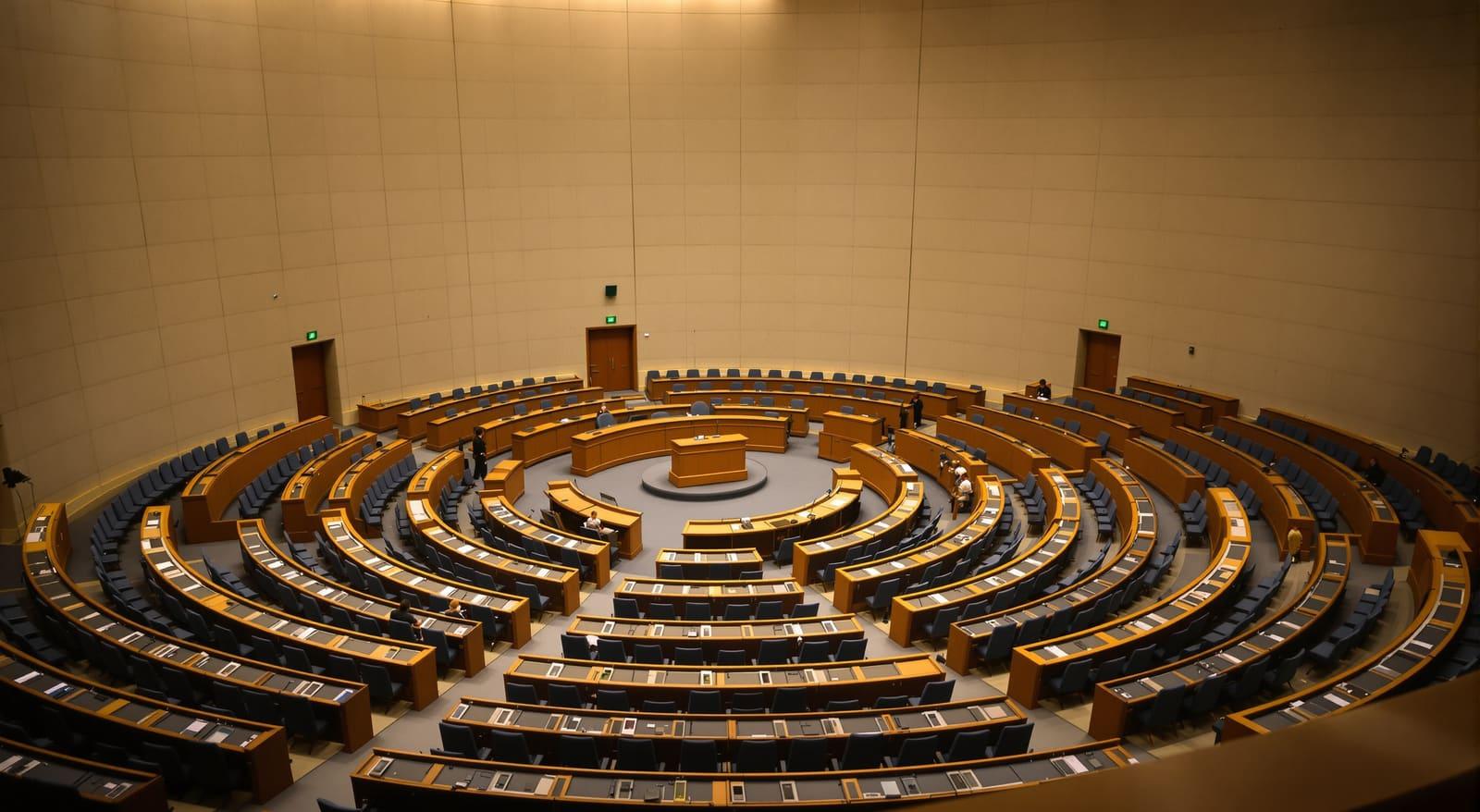
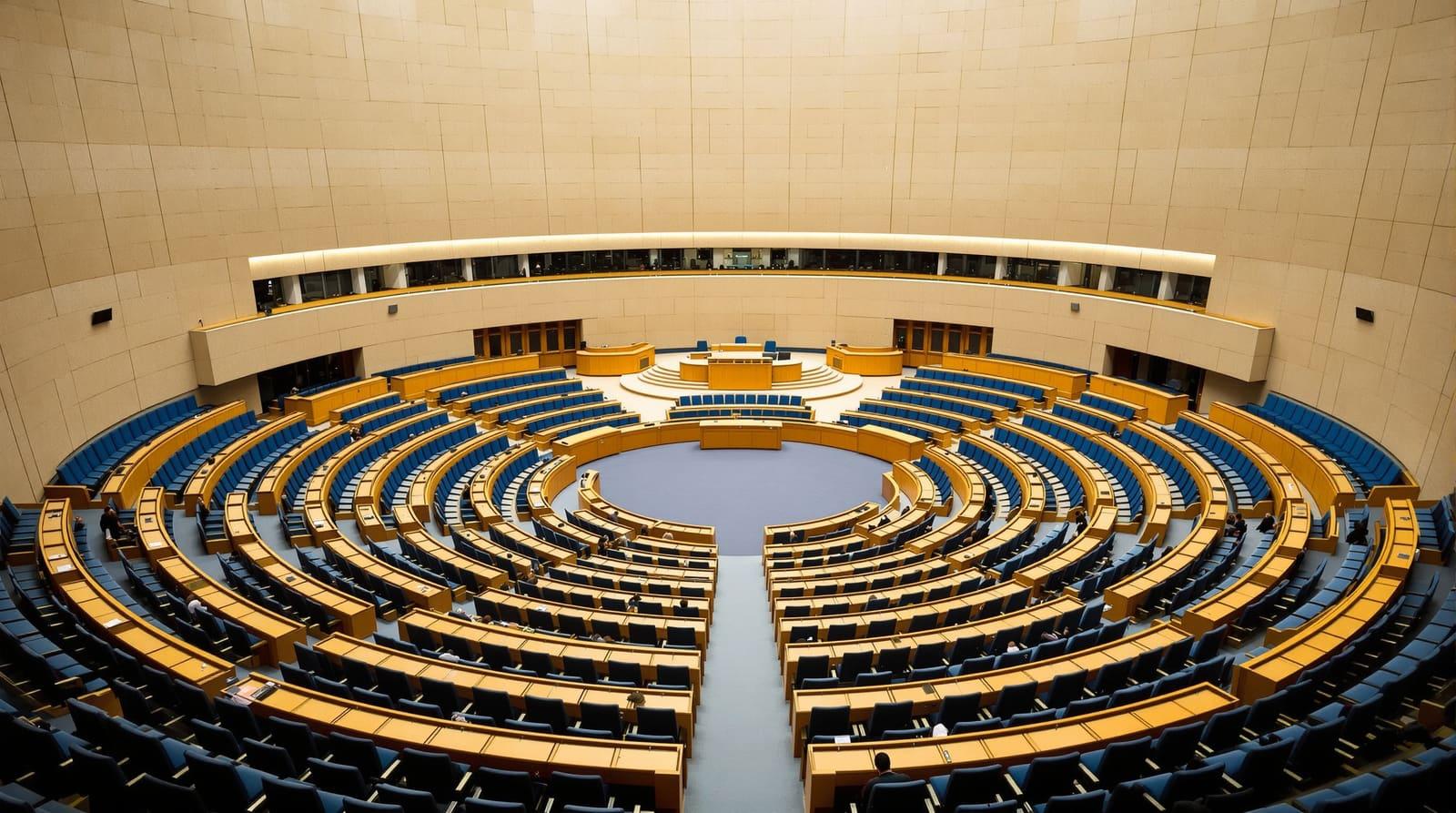
AI illustration, not a photo of the events.
One update since publication
- The Jerusalem Post confirms the 51-32 tally and names the measure as Communications Minister Shlomo Karhi's Broadcasting Law.
This story is being added to as it develops. Earlier text is kept below the updates rather than rewritten, so what this page said at each point is still on it.
Update, 26 November, 02:07 Israel time
The vote tally is no longer reported by N12 alone. The Jerusalem Post reported that the Knesset advanced the repeal in a 51-32 vote, the same count N12 gave, and named the law as the Broadcasting Law of Communications Minister Shlomo Karhi.
That identifies the Karhi referred to in Ynet's alert as the serving communications minister, and gives the measure being repealed a formal name: it is a broadcasting law. The Jerusalem Post's headline describes the vote as advancing the repeal, which matches the first reading reported earlier rather than final passage.
The Times of Israel also reported that the Knesset had advanced a bill to repeal the broadcasting law, describing Karhi's legislation as controversial. Its liveblog entry, as available to us, does not give a vote count or mention the filibuster deal.
Neither English-language report, in the material available to us, sets out what the broadcasting law provides, who sponsored the repeal, or which side had been filibustering.
The story as first reported
Israel's parliament, the Knesset, voted late at night to approve in a first reading a bill repealing a media law, after the change bloc and the coalition reached an understanding that shortened an overnight filibuster. According to N12 political correspondent Dafna Liel, the repeal passed with 51 lawmakers in favour and 32 against.
Get an email the day Israel has a new government.
Coalition talks can take weeks. When a government is sworn in, Israel.com's newsroom emails who leads it, which parties are in and who got which ministry, then the Friday email each week. Free, and one click unsubscribes.
One list, unsubscribe in a click. See our privacy policy.
Ynet reported the result in a news alert, identifying the measure being repealed as the media law of Karhi. N12 described it differently, calling it the law to weaken the media. Both outlets agree that the repeal cleared its first reading.
The deal that ended the filibuster
Before the vote, Liel reported on N12 that, as part of agreements between the change bloc and the coalition, the night's filibuster had been shortened so that the bill could come to a vote. In return, according to the same report, committee discussions scheduled for the following day would be cancelled.
A filibuster in the Knesset works much as it does elsewhere: lawmakers use their speaking time in the plenum, the full chamber, to drag out a session and delay a vote. Deals to trim such marathons are a familiar feature of Israeli parliamentary life, with the side holding the floor typically trading its speaking time for a concession on the legislative calendar. In this case, N12 reported, the concession was the cancellation of the next day's committee sessions.
The reports do not say which side had been conducting the filibuster, which committees were affected, or what legislation those committees had been due to discuss.

File photo
Next story Government
Knesset committee advances repeal of Karhi's media law after minister is removed
What a first reading means
Most bills in the Knesset must pass several votes before they become law. A first reading is an early stage: the plenum approves the bill in principle, after which it is sent to a parliamentary committee for detailed review and possible amendment. Only after the committee returns it does the bill face its final votes, known as the second and third readings, which are usually held together. A bill that passes its first reading can still be changed substantially in committee, stall there, or fail in the final votes.
The tally of 51 to 32 reported by N12 means a majority of those voting supported advancing the repeal. The reports do not break down how individual parties or members voted, or how many lawmakers were absent or abstained.
The terms used in the reports
Two phrases in the Hebrew reports may be unfamiliar to readers outside Israel. The "change bloc" is the term N12 used for one of the two sides that negotiated the filibuster deal, set against the coalition, the group of parties that holds a majority and forms the government. The reports present the two as separate parties to the agreement.
The labels the outlets chose for the law itself also differ. Ynet's alert attached it to Karhi, while N12's correspondent used a description framing the law as one that weakens the media. Neither report, as published in the material available to us, sets out what the original law did, when it was passed, or which specific provisions the repeal would undo.
How the news emerged
The vote was reported in near real time on the Telegram channels of N12, the news division of one of Israel's main commercial television channels, and of Ynet, the website of the Yedioth Ahronoth group. N12's first message announced the filibuster deal and that the bill was heading to a vote. Minutes later, N12 posted the approval and the vote count, and Ynet followed with its own alert confirming that the repeal had passed its first reading.
The two organisations report the same outcome. The vote figures and the details of the filibuster agreement come from N12 alone; Ynet's alert confirms the result but does not give a tally or mention the deal.
What the reports do not say
- What the media law being repealed actually provides, and why its repeal is being sought now.
- Who sponsored the repeal bill and which parties voted for and against it.
- Which side was filibustering and which committee sessions were cancelled under the deal.
- Which committee will now review the bill, and when it might return for its final readings.
- Any reaction from Karhi, from the government, or from media organisations affected by the law.
People in this story: Shlomo Karhi
Read next
All government →
File photo
Government
Eisenkot's draft cabinet: Lieberman at defence, Bennett at finance

Illustration
Government
Iran's foreign minister says Israel's chemical weapons claims aim to draw US into war
Illustration
Government
Knesset to vote next Wednesday on retired justice Yosef Elron as comptroller

File photo
Government
Knesset votes down muezzin bill 63 to 45; Ben Gvir decries removal from plenum
See Israel.com first in Google's top stories.Add it as a preferred source on Google
Sources and further reading
Every link below was opened and checked when this page was written. Official statements are marked as such: they are the subject's own account, not an independent one.
- Reportingkeshett.meN12
- Reportingkeshett.meN12
- Reportingyediotht.meYnet alerts
- Reportingkeshett.meN12
- Reportingtoitimesofisrael.comThe Times of Israel
- Reportingjpostjpost.comThe Jerusalem Post
How we checked this
The repeal's first-reading passage is reported by N12, Ynet, The Jerusalem Post and The Times of Israel, and the 51-32 tally by both N12 and The Jerusalem Post. The details of the filibuster deal still come from N12 alone.
Our sourcing and corrections policy →The week from Israel, in one email
The stories that mattered, sourced and checked by the Israel.com newsroom. Free, weekly, one-click unsubscribe.
One list, unsubscribe in a click. See our privacy policy.

Israel.com is free, and readers like you keep it that way.
The Israel.com newsroom checks every story against its sources and publishes it free. If this one helped, a contribution of any size keeps the next one free too.
One payment, nothing to sign up for. Another amountGive monthly
Latest

File photo
File photo

Illustration

Illustration
Illustration
Illustration