Likud asks court to cancel results from 120 polling stations
Likud has formally challenged the vote count at 120 polling stations, mostly in Arab localities, though Ynet reports the outcome is unlikely to change materially.
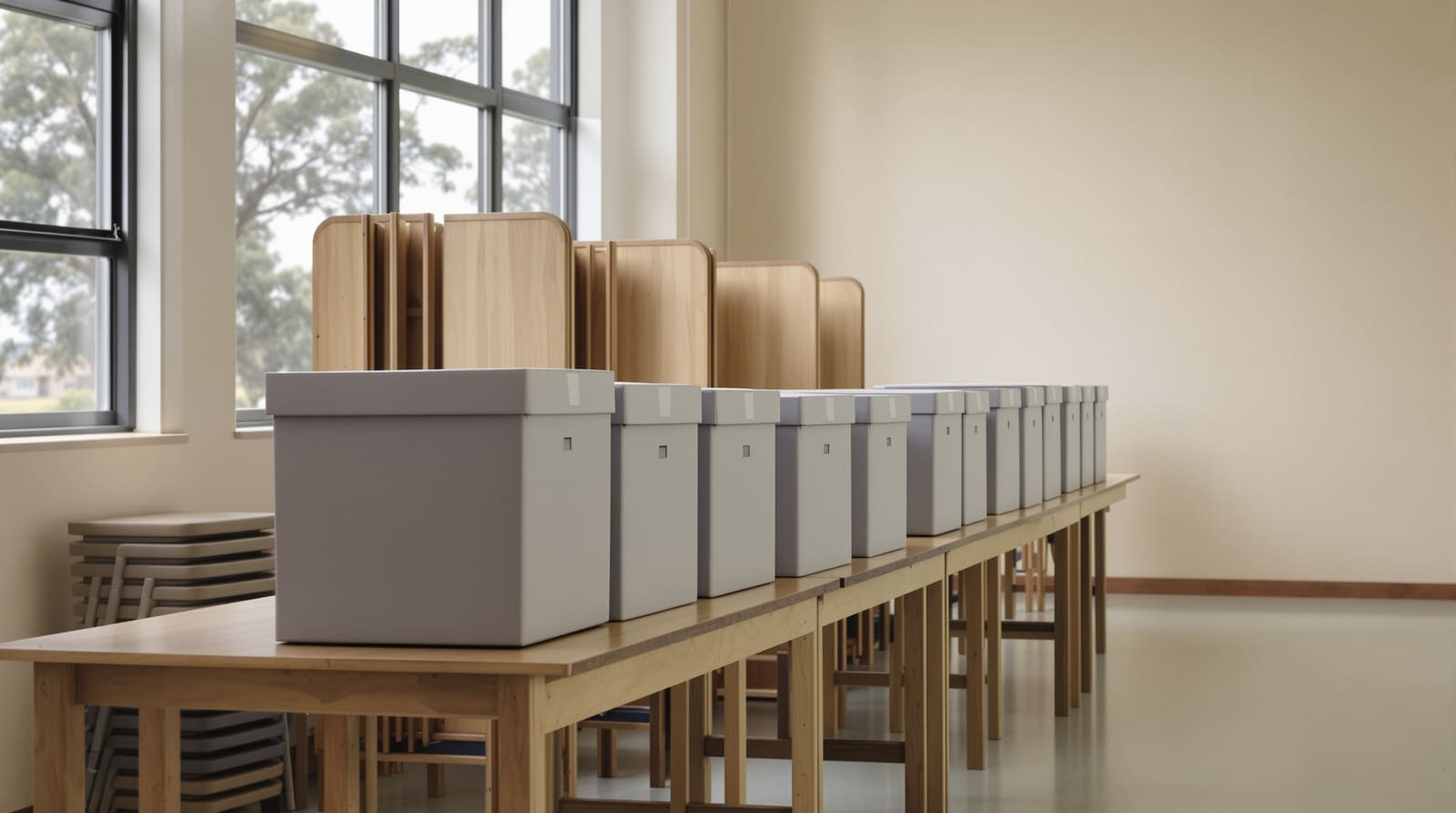
AI illustration, not a photo of the events.
Likud has lodged a formal appeal against the results of Israel's Knesset election at 120 polling stations, Ynet reported. According to Ynet, the party is asking the court to disqualify ballot boxes located in 41 Arab localities, arguing that rulings of the High Court of Justice barring the passing of information out of polling stations were breached there. Likud also alleges that the secrecy of the vote was compromised at 53 of the 120 stations.
The Hebrew news channel News.co.il said the appeal was submitted to the district court. The Jerusalem Post reported that Likud wants the results from the 120 stations cancelled. Ynet added that the challenge is not expected to have a substantial effect on the overall outcome of the vote.
On the ground

Yisrael Beytenu party chairman Avigdor Liberman said Wednesday he believes Yashar party leader Gadi Eisenkot will be able to form a government with a “clear Jewish majority” by the end of next week. Liberman has been pushing for Eisenkot’s bloc to form a coalition with the Show more

The election being challenged
The appeal concerns the vote for Israel's 26th Knesset, the country's parliament. A photograph caption carried by The Jerusalem Post dates that election to October 27, 2026. Israel votes for national party lists rather than for local constituency candidates, so results from individual polling stations feed into each party's national total. That structure helps explain why Ynet assessed that disqualifying a limited number of stations would be unlikely to change the result in a meaningful way.
According to Ynet, the filing follows a campaign by Likud framed around the idea that the election was being stolen. The reports seen by Israel.com do not describe that campaign in further detail, and none sets out what evidence Likud has submitted to the court.
What the High Court of Justice is
The High Court of Justice, known in Hebrew by the acronym Bagatz, is Israel's Supreme Court when it sits to hear petitions against state bodies and officials. Its rulings bind the authorities that run elections. Ynet describes Likud as arguing that High Court rulings forbidding the transfer of information from inside polling stations were violated at stations in the 41 Arab localities named in the appeal. Ynet's summary does not specify which rulings these are or what kind of information is alleged to have been passed on.
Israel's week in five stories, every Friday
Sourced and checked by the Israel.com newsroom, with Shabbat times. Free, one-click unsubscribe.
One list, unsubscribe in a click. See our privacy policy.
The separate allegation about ballot secrecy, covering 53 stations, is likewise reported only in outline. The principle that a voter's choice must remain private is a basic feature of Israeli elections, but the reports do not say how Likud believes it was compromised in these cases.
Where the case is being heard
Ynet refers simply to the court, while News.co.il specifies a district court, one of Israel's regional courts sitting below the Supreme Court. Neither report names the city or the judges assigned, and none gives a hearing date.
Illustration
Next story Security
Likud says commission of inquiry bill would put IDF soldiers on trial
How the reports differ
The outlets broadly agree on the core fact that Likud has filed a formal appeal. They differ slightly on its scope. Ynet, its alerts channel and The Jerusalem Post all describe the appeal as covering 120 polling stations. The Times of Israel phrased it as a challenge to results from as many as 120 ballot boxes, suggesting the final number in dispute could be lower. The reports do not explain the difference.
Reaction
Ynet's report carried a response attributed to Yashar, quoted as saying that Likud is "denying the will of the people". Ynet's summary does not give the full statement. No response from the Central Elections Committee, the body that runs Israeli elections, or from Arab parties or representatives of the localities concerned appears in the reports.
What the reports do not say
- What evidence Likud has offered for the alleged breaches of High Court rulings and of ballot secrecy.
- Which court, beyond the description of a district court, will hear the appeal, and when.
- Whether the Central Elections Committee or the parties that won votes at the challenged stations will respond in court.
- Whether the challenge covers exactly 120 stations or, as The Times of Israel put it, up to that number.
Read next
All courts & crime →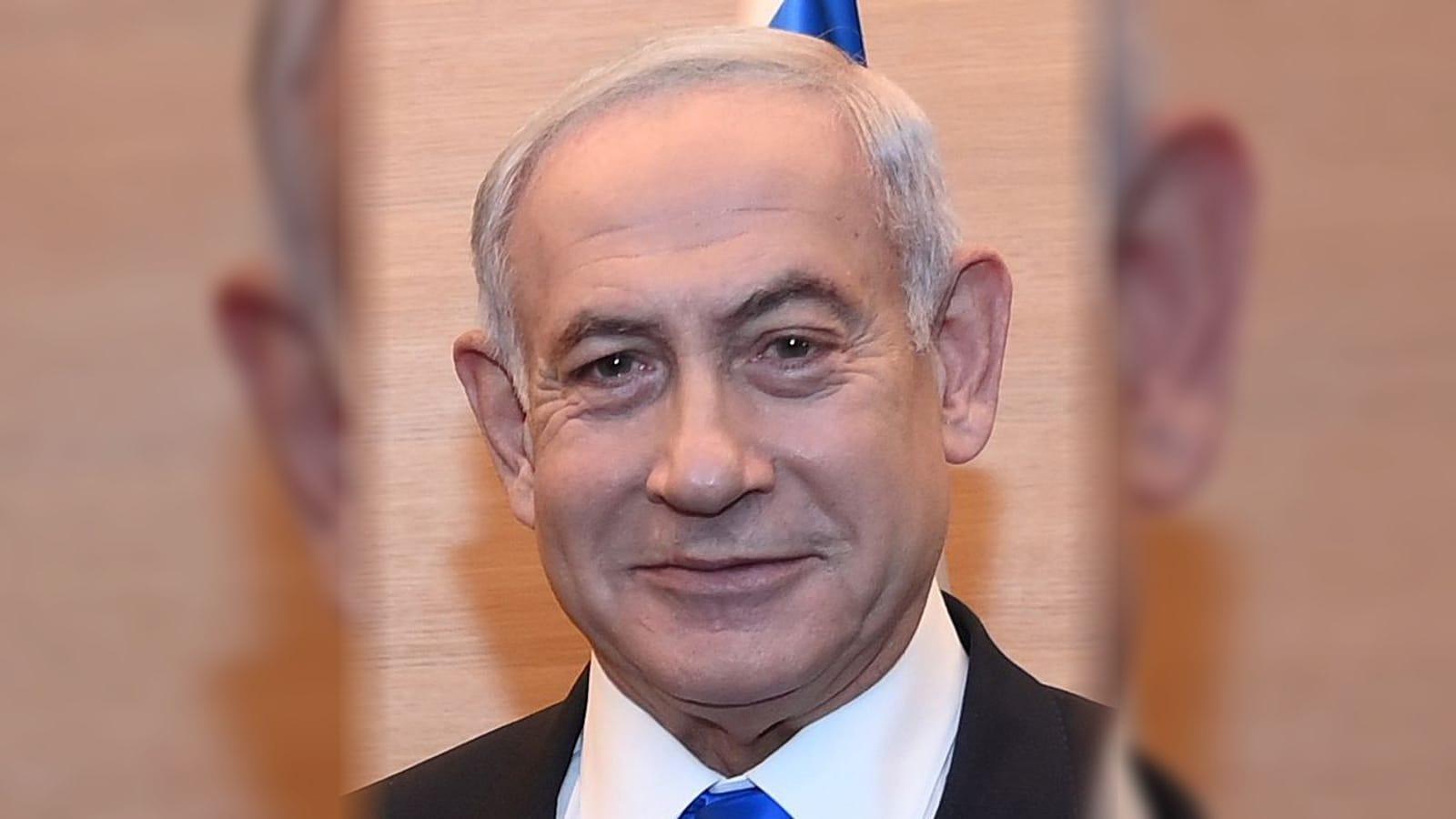
File photo
Government
Netanyahu tells Likud lawmakers Haredi parties belong in a unity government
File photo
Government
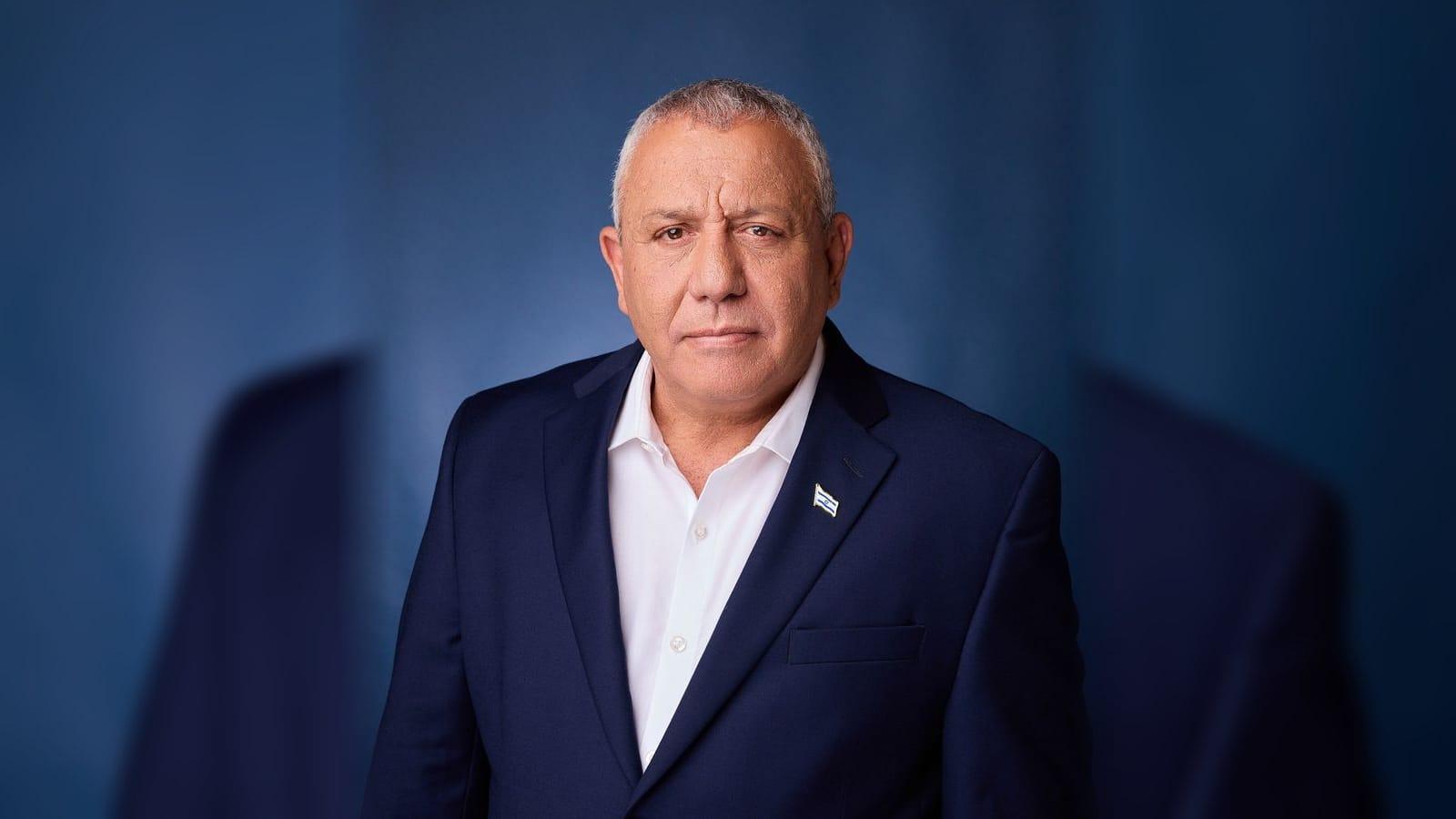
Eisenkot's Yashar! to meet Likud again in the Knesset despite Golan objections

File photo
Government
Yair Golan urges an end to 'sham talks' with Likud and a new government
Illustration
Government
Likud and Yashar issue joint statement after Herzliya talks, plan new round
See Israel.com first in Google's top stories.Add it as a preferred source on Google
Sources and further reading
Every link below was opened and checked when this page was written. Official statements are marked as such: they are the subject's own account, not an independent one.
- Reportingyediothynet.co.ilYnet
- Reportingyediotht.meYnet alerts
- Reportingtoitimesofisrael.comThe Times of Israel
- Reportingnewssilt.meNews.co.il
- Reportingjpostjpost.comThe Jerusalem Post
How we checked this
The filing was reported by Ynet, News.co.il, The Times of Israel and The Jerusalem Post. The details on 41 Arab localities, 53 secrecy claims and the expected limited impact come from Ynet alone, and the district court detail from News.co.il alone.
Our sourcing and corrections policy →The week from Israel, in one email
The stories that mattered, sourced and checked by the Israel.com newsroom. Free, weekly, one-click unsubscribe.
One list, unsubscribe in a click. See our privacy policy.
Latest

File photo
File photo

File photo

Illustration

Illustration

Illustration