Netanyahu tells Likud lawmakers Haredi parties belong in a unity government
Speaking to his Likud faction, Benjamin Netanyahu said ultra-Orthodox parties should sit in a national unity government and that every side must show flexibility.
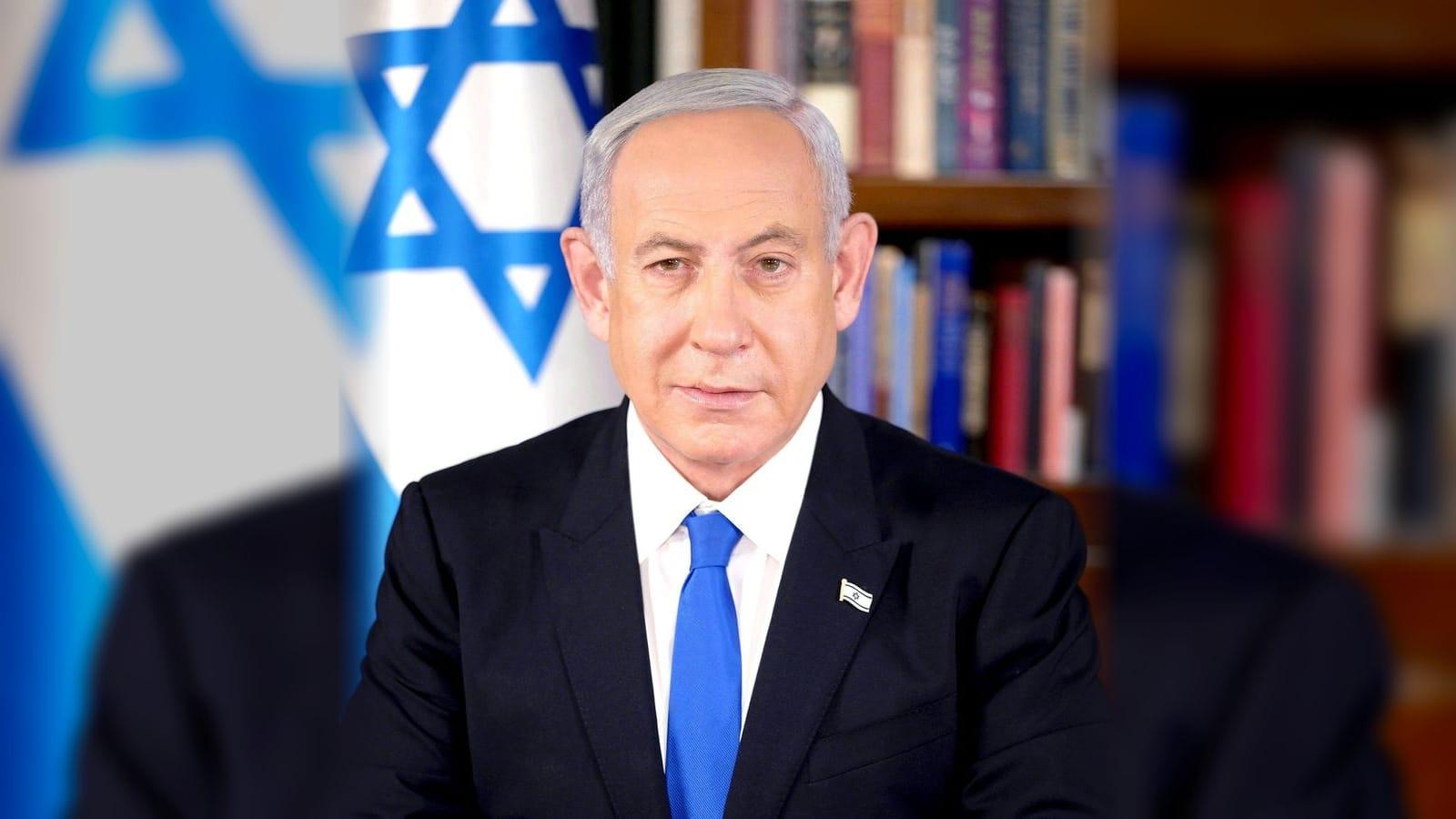
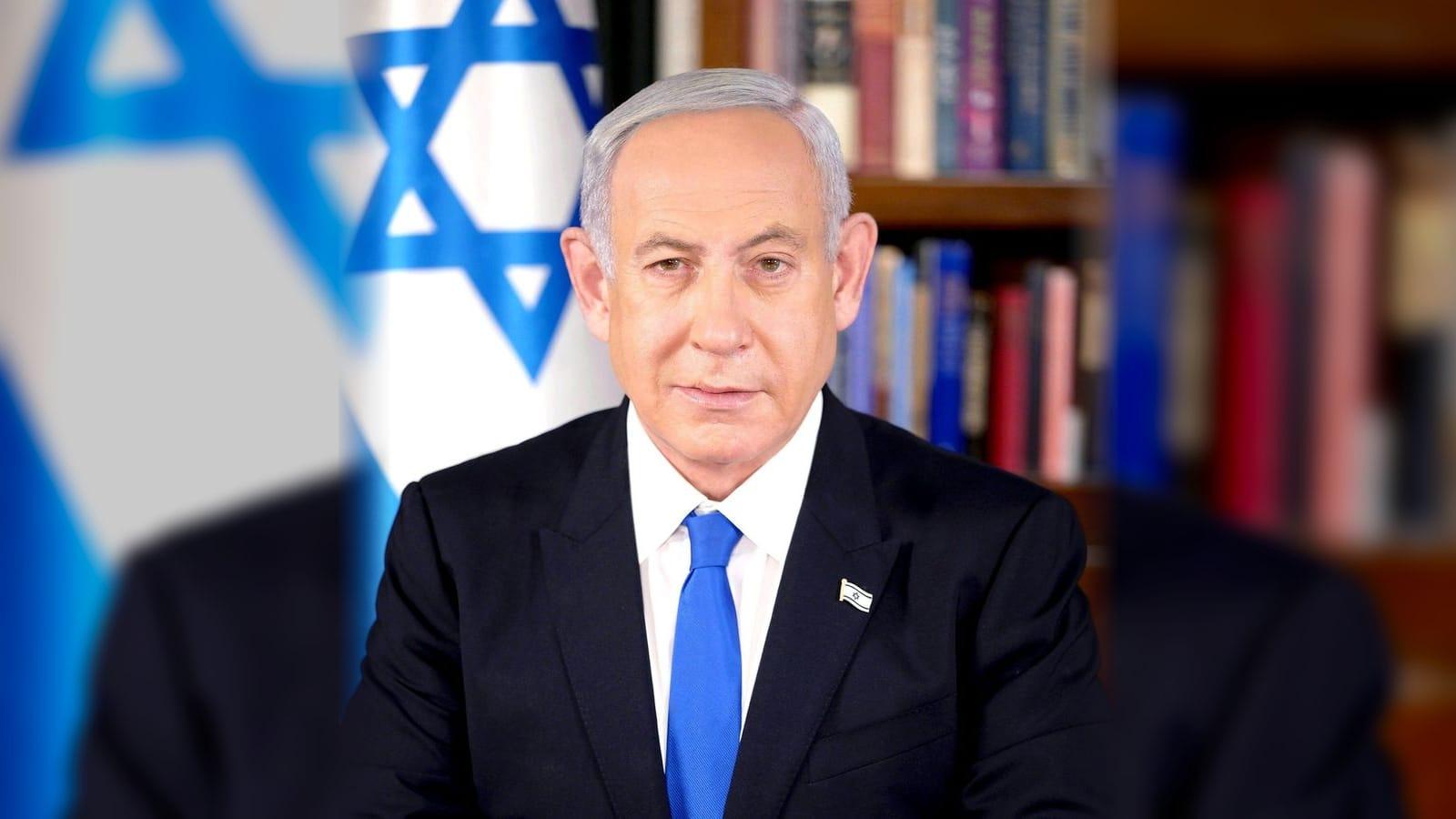
Benjamin Netanyahu. File photo by Avi Ohayon, CC BY-SA 3.0, via Wikimedia Commons.
Prime Minister Benjamin Netanyahu told members of his Likud party's parliamentary faction that ultra-Orthodox, or Haredi, parties should be included in a national unity government, according to brief reports published on Monday by two Israeli news outlets. Ynet's breaking-news channel quoted Netanyahu as saying that the Haredim need to be part of the unity government.
Political journalist Amit Segal, posting on his own news channel, reported the setting and a second element of the message. According to Segal, Netanyahu told the Likud faction that bringing about a national unity government requires flexibility from each side. Neither report included further detail from the meeting, and neither carried a response from any other party.
What was said, and by whom
The two reports cover the same remarks from slightly different angles. Ynet's alert focuses on the Haredi parties and presents that line as a direct quote. Segal's post places the remarks at the Likud faction and centres on the call for flexibility from all sides. The two versions do not contradict each other, but each carries a part of the message the other does not, and neither offers a full text of what Netanyahu said.
Both items are short alerts posted on the messaging app Telegram rather than full articles. Ynet's alert directs readers to a longer item on its website, which was not part of the material available for this report.
The Likud faction and its meetings
Likud is the right-wing party Netanyahu leads. In Israeli politics, a party's "faction" refers to its group of members in the Knesset, Israel's parliament. Factions hold regular meetings, and party leaders often use the opening remarks at these sessions to deliver political messages that are then relayed by reporters. A statement made in that forum is a message from Netanyahu as party leader, rather than a formal government decision.
Get an email the day Israel has a new government.
Coalition talks can take weeks. When a government is sworn in, Israel.com's newsroom emails who leads it, which parties are in and who got which ministry, then the Friday email each week. Free, and one click unsubscribes.
One list, unsubscribe in a click. See our privacy policy.
Who the Haredim are
"Haredim" is the Hebrew term for ultra-Orthodox Jews, communities that follow a strict interpretation of Jewish religious law and are represented in the Knesset by their own parties. Haredi parties have long been political partners of Netanyahu and Likud, and their place in any coalition is a recurring question in Israeli government-building. Relations between Haredi parties and others in Israeli politics have been shaped by disputes over issues such as military service for yeshiva (religious seminary) students, which many Haredi leaders have opposed.
What a unity government means
In the Israeli context, a national unity government generally refers to a coalition that brings together parties from opposing political camps, rather than a government formed by one bloc alone. Because no single Israeli party has ever won a majority of Knesset seats on its own, every government is a coalition, and its composition is the product of negotiation between parties.
File photo
Next story Religion
Netanyahu says any government he forms will include the Haredi parties
Netanyahu's reported remarks combine two points: that the Haredi parties should be in such a government, and that reaching one requires all participants to give ground. Taken together, as relayed by the two outlets, the message signals that he wants a broad coalition that keeps his Haredi partners inside it. The reports do not say which other parties he had in mind.
What the reports do not say
Neither report names the parties Netanyahu wants to bring into a unity government, or says whether any talks with them are under way. Neither specifies what kind of flexibility he was asking for, or from whom. No reaction from the Haredi parties, from opposition parties or from other Likud lawmakers has been reported. The fuller version of the remarks referenced by Ynet was not available, so the complete context of the quote remains unclear.
People in this story: Benjamin Netanyahu, Amit Segal
Read next
All government →
File photo
Government
Likud sets out its terms for a national unity government with Netanyahu

Illustration
Courts & Crime
Haredi parties push bills to halt draft arrests until a new government forms
Illustration
Courts & Crime
Knesset sets Wednesday votes on October 7 inquiry and Haredi draft arrests

Illustration
Courts & Crime
Haredi protesters clash with Jerusalem police on Bar-Ilan Street
See Israel.com first in Google's top stories.Add it as a preferred source on Google
Sources and further reading
Every link below was opened and checked when this page was written. Official statements are marked as such: they are the subject's own account, not an independent one.
- Reportingyediotht.meYnet alerts
- Reportingamitsegalt.meAmit Segal
How we checked this
The remarks were reported separately by Ynet's alerts channel and by journalist Amit Segal; the Likud faction setting and the call for flexibility come from Segal's report alone, and the Haredi quote from Ynet's alert alone.
Our sourcing and corrections policy →The week from Israel, in one email
The stories that mattered, sourced and checked by the Israel.com newsroom. Free, weekly, one-click unsubscribe.
One list, unsubscribe in a click. See our privacy policy.

Israel.com is free, and readers like you keep it that way.
The Israel.com newsroom checks every story against its sources and publishes it free. If this one helped, a contribution of any size keeps the next one free too.
One payment, nothing to sign up for. Another amountGive monthly
Latest
Illustration
File photo

Illustration
File photo

File photo

Illustration