Likud says Eisenkot has already sealed a left-wing government deal
Likud's spokesperson accused Gadi Eisenkot of carving up ministries in a left-wing coalition while talking unity, then said the party still wants a unity government.
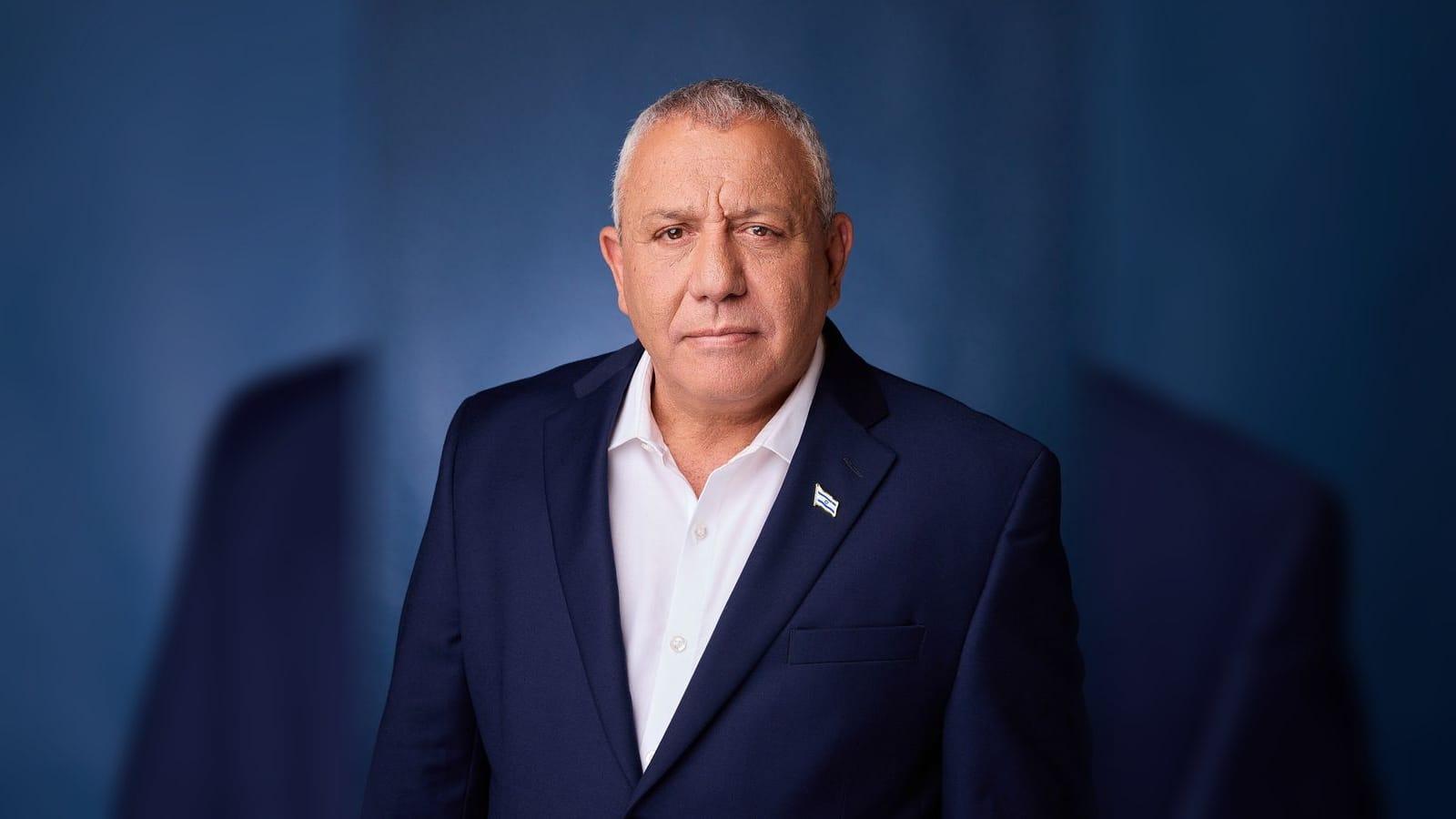
Gadi Eisenkot. File photo by יהב טרודלר (Yahav Trudler - Yahav Studio), CC BY-SA 3.0, via Wikimedia Commons.
Israel's ruling Likud party hit back at Gadi Eisenkot on Friday afternoon, accusing him of having quietly put together a left-wing government and handed out its ministries while his representatives were still sitting in talks with Likud about a broad unity coalition. Ynet's news alerts channel carried the Likud response, which dismissed Eisenkot's own accusations against the party as spin.
The exchange began with Eisenkot. Kan News, the Israeli public broadcaster, reported that he said Likud was dug in on its position and that his side would set up a new government. Likud's reply, as quoted by Kan, charged that he had sent negotiating teams with one hand while finalising a dangerous left-wing government with the other. A few minutes later the party issued a second, softer message saying it was still reaching out for a unity government.
What the sources posted


איזנקוט: "הליכוד מתבצר בעמדתו, נקים ממשלה חדשה"; בליכוד תקפו: "בזמן ששלחת צוותים למו"מ ביד אחת, ביד השנייה סגרת ממשלת שמאל מסוכנת" @gilicohen10 @diklaaharon kan.org.il/content/kan-ne…
What the Likud spokesperson said
The fullest version of the statements appeared on the Telegram channel of political journalist Amit Segal, who posted both messages from the Likud spokesperson. In the first, the spokesperson addressed Eisenkot directly and asked who he thought he was fooling. The statement said that while he was dispatching teams to the unity negotiations, he had already closed a deal on a left-wing government, divided up the cabinet portfolios, and was working to make it acceptable to sit with people the statement called supporters of terrorism, on whom, it said, he depends. It ended by saying the public had long stopped believing his spin.
According to Segal's channel, the spokesperson followed up four minutes later. That second message said that, despite this conduct and given the challenges facing the people of Israel, Likud's hand remained outstretched toward a unity government and the party would do everything to achieve one. It closed with the traditional Sabbath greeting, "Shabbat shalom."
The two messages pull in different directions: the first accuses Eisenkot of negotiating in bad faith, while the second keeps the door to a joint government open. Likud did not explain the shift in tone, and the reports do not say whether the second message was prompted by any reaction to the first.
Get an email the day Israel has a new government.
Coalition talks can take weeks. When a government is sworn in, Israel.com's newsroom emails who leads it, which parties are in and who got which ministry, then the Friday email each week. Free, and one click unsubscribes.
One list, unsubscribe in a click. See our privacy policy.
Who Eisenkot is
Gadi Eisenkot is a former chief of staff of the Israel Defense Forces, the country's military, who moved into politics after leaving the army and has positioned himself as an alternative to the Likud-led camp. In this exchange he is the figure Likud treats as the organiser of a rival coalition, and Likud's own statement describes its teams and his as being in negotiations over a unity government.
What a unity government means in Israel
Israel elects its parliament, the Knesset, by proportional representation, and no party has ever won a majority on its own. Governments are therefore coalitions, assembled through negotiations in which parties trade policy commitments and cabinet posts. A "unity government" in Israeli usage is a coalition that brings together the main rival blocs, typically Likud and its principal challengers, rather than one side governing with its smaller allies.
File photo
Next story Government
Eisenkot says Likud is stalling coalition talks, with 8 days left on his mandate
The phrase "distributed portfolios" refers to the allocation of ministries, which is usually the last and most contested stage of coalition talks. By saying Eisenkot had already divided the portfolios, Likud was alleging that his alternative coalition was in practice complete, and that the unity talks were a cover.
The reference to supporters of terrorism
Likud's first statement said Eisenkot depends on people it described as supporters of terrorism and was trying to normalise sitting with them. The statement did not name the parties or individuals it meant. In Israeli political debate, language of this kind has been used by right-wing parties against potential partners of the centre-left, but the reports here do not identify who Likud was referring to, and that characterisation is Likud's own.
How the sources line up
All three reports agree on the core of the event: Eisenkot accused Likud of an entrenched position, and Likud responded by accusing him of having already formed a left-wing government and allocated ministries. Ynet's alert summarised the Likud reply in a single line. Kan's post paired Eisenkot's remark with Likud's attack. Only Segal's channel carried the second Likud message about a unity government, so that part rests on a single source, though it is presented there as a direct statement from the party spokesperson.
What the reports do not say
The reports do not include any response from Eisenkot to Likud's accusations, and Likud offered no evidence that a left-wing coalition had been agreed or that ministries had been assigned. None of them says which parties would make up the government Eisenkot says he will form, or what stage the unity negotiations have reached.
People in this story: Gadi Eisenkot, Amit Segal
Read next
All elections →
File photo
Security
Likud dismisses Mansour Abbas's expected Hamas terror declaration as a sham
Illustration
Government
Likud and Otzma Yehudit MKs reportedly urged PTSD veterans to disrupt Knesset

Illustration
Courts & Crime
Likud asks court to cancel results from 120 polling stations
Illustration
Security
Likud says commission of inquiry bill would put IDF soldiers on trial
See Israel.com first in Google's top stories.Add it as a preferred source on Google
Sources and further reading
Every link below was opened and checked when this page was written. Official statements are marked as such: they are the subject's own account, not an independent one.
- Reportingyediotht.meYnet alerts
- Reportingamitsegalt.meAmit Segal
- Reportingkanx.comKan News on X
How we checked this
Ynet, Kan News and Amit Segal's channel all reported Likud's accusation against Eisenkot. The second, conciliatory Likud message appears only on Segal's channel, and Likud's claims about a finished coalition are the party's own, unsupported by evidence in the reports.
Our sourcing and corrections policy →The week from Israel, in one email
The stories that mattered, sourced and checked by the Israel.com newsroom. Free, weekly, one-click unsubscribe.
One list, unsubscribe in a click. See our privacy policy.

Israel.com is free, and readers like you keep it that way.
The Israel.com newsroom checks every story against its sources and publishes it free. If this one helped, a contribution of any size keeps the next one free too.
One payment, nothing to sign up for. Another amountGive monthly
Latest
File photo

Illustration

Illustration

Illustration
File photo

Illustration