Macron blames Iran war and Hormuz blockade for France's purchasing-power unrest
In an interview after recent unrest in France, President Emmanuel Macron said fuel prices driven by the Iran war, not tax or pension policy, sparked the protests.
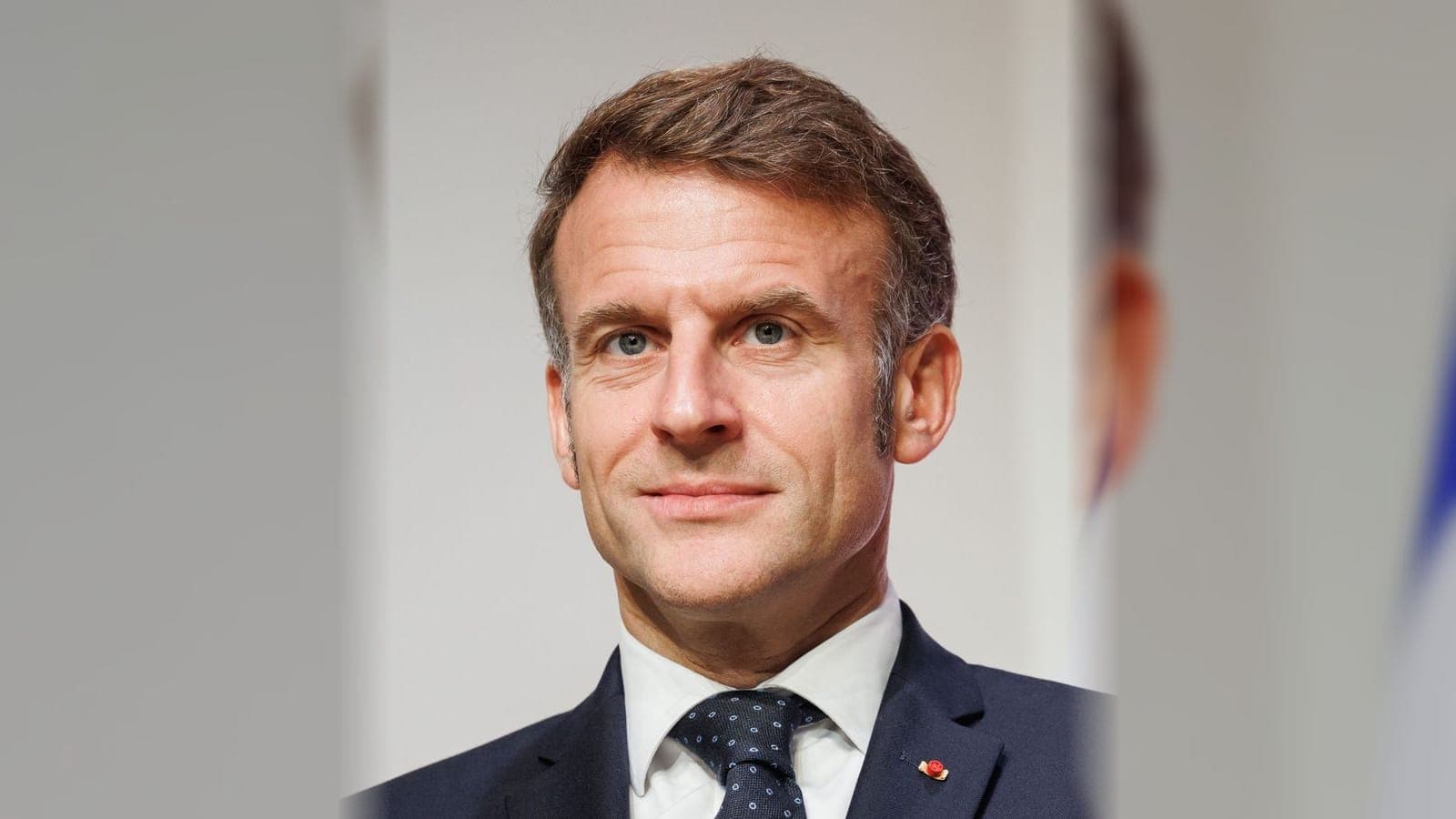
Emmanuel Macron. File photo by Nebojša Tejić, public domain, via Wikimedia Commons.
French President Emmanuel Macron has attributed the wave of social protest in France to the war in Iran, the blockade of the Strait of Hormuz and the jump in fuel prices that followed, rather than to any decision taken by his own government. According to a report carried by the Israeli broadcaster N12, Macron said these factors were the main trigger of the current purchasing-power crisis, and that neither tax increases, a government decision nor pension reform had set off the protests.
The remarks came in an interview Macron gave following the recent riots in France, the Israeli Telegram news channel Abu Ali Express reported. That account also says Macron criticised social media platforms, saying they are obliged to remove large quantities of illegal content under their own terms of use but do this rather poorly. He pointed to October 17, when, by his account, a great deal of content calling for looting and extreme violence circulated online.
What Macron said about the cause
Both reports give essentially the same version of Macron's central argument. In it, the French president separates two possible explanations for the unrest. One is domestic: taxation, government policy and changes to the pension system, all of which have been sources of public anger in France in the past. The other is external: a war involving Iran, the closure of a major shipping route and the resulting rise in what people pay for fuel.
Macron placed the blame firmly on the second. In the wording reported by both outlets, he described the war, the Hormuz blockade and the subsequent fuel price increases as the main factor that ignited the purchasing-power crisis. "Purchasing power" is the term widely used in French politics for the cost of living: how far household income stretches when prices for fuel, food and other basics rise.
Why the Strait of Hormuz matters to France
The Strait of Hormuz is a narrow waterway linking the Persian Gulf to the Gulf of Oman and the open sea, with Iran on its northern shore. It is one of the most important routes for oil and gas shipments from Gulf producers to world markets. Any disruption to traffic through it tends to push up energy prices far from the region, including at fuel pumps in Europe.
Israel's week in five stories, every Friday
Sourced and checked by the Israel.com newsroom, with Shabbat times. Free, one-click unsubscribe.
One list, unsubscribe in a click. See our privacy policy.
The reports refer to a blockade of the strait and to a war in Iran, but they do not describe either in detail. For readers following events from Israel, the significance of Macron's remarks is that a European head of state is linking domestic unrest in his own country directly to the conflict involving Iran and its effect on energy supplies.
The social media argument
The second part of the interview, as summarised by Abu Ali Express, concerns online platforms. Macron's position, in that account, is that the companies already have a duty to take down illegal material, and that they are failing to do so adequately. He singled out October 17 as a day on which calls for looting and severe violence spread widely. The Abu Ali Express text breaks off partway through this point, so the rest of his argument on social media is not available in the material.
Next story Courts & Crime
Macron condemns French riots after nearly 2,400 arrests in a single day
N12's report, filed by correspondent Asaf Rosenzweig, focuses only on the remarks about the causes of the protest and does not mention social media.
How the two reports compare
The two Israeli outlets agree on the substance and near-exact phrasing of Macron's statement about the war, the blockade and fuel prices. They differ slightly in how they describe the events in France: Abu Ali Express speaks of recent riots, while N12 refers to widespread demonstrations. Neither report gives the name of the outlet that conducted the interview, and both appear to be relaying it secondhand.
What the reports do not say
The material leaves several questions open. It does not say which media organisation interviewed Macron, when the interview took place, or whether it was broadcast or printed. It gives no figures on the size of the protests, the number of arrests or injuries, or the cities affected. It does not say how much fuel prices have risen in France. It does not describe the war in Iran or the blockade of the Strait of Hormuz, including who is enforcing the blockade or since when. It does not specify which social media platforms Macron had in mind, or whether his government plans any action against them. Finally, the reports carry no response from protesters, opposition parties or the platforms themselves to the president's account.
Read next
All security →
Illustration
Security
Iran's Guards say tanker carrying 2 million barrels hit mine in Hormuz
Illustration
Security
Macron calls Paris suburb shooting terror, says victims targeted for faith
Courts & Crime
More than 400,000 protest across France as Paris clashes continue
Illustration
Government
Paris shops board up and the Louvre shuts as France braces for weekend protests
Sources and further reading
Every link below was opened and checked when this page was written. Official statements are marked as such: they are the subject's own account, not an independent one.
- Reportingabualiexpresst.meAbu Ali Express
- Reportingkeshett.meN12
How we checked this
Macron's statement on the causes of the protests was reported in near-identical terms by two Israeli outlets, N12 and Abu Ali Express, both relaying the interview secondhand. His remarks on social media and October 17 appear only in the Abu Ali Express report, which is cut off mid-sentence.
Our sourcing and corrections policy →The week from Israel, in one email
The stories that mattered, sourced and checked by the Israel.com newsroom. Free, weekly, one-click unsubscribe.
One list, unsubscribe in a click. See our privacy policy.
Latest
- Qatar denies funding any effort to sway Israel's election results
- Shin Bet had funding intelligence before Israel's election, Sohlberg told later
- Bennett tells Netanyahu to declare Qatar an enemy over election interference claims
- Shin Bet chief Zini briefs Netanyahu and Eisenkot on suspected election interference
- Shin Bet held Qatar vote-funding intelligence before election, Ynet says
- Negev school principals among suspects held in Ra'am election bribery probe