Mansour Abbas tells opposition leaders Ra'am will not abstain on new government
The Ra'am leader reportedly warned he would vote against a new government unless his party's demands are met, closing off a quiet abstention as an option.

Mansour Abbas. File photo by Sharon Gabay, CC BY-SA 4.0, via Wikimedia Commons.
Mansour Abbas, leader of the Ra'am party, has told leaders of the camp seeking to form Israel's next government that his party will not abstain when the Knesset votes on that government, according to several Israeli outlets. Ynet reported that Abbas told Yair Lapid not to count on Ra'am abstaining, and that the party would either have its demands met or vote against.
The Times of Israel reported that the message was delivered to the heads of what it called the Eisenkot bloc. A third account, carried by the Abu Ali Express channel and attributed to journalist Mohammed Majadla, described the message as going to the heads of the "change camp" and quoted Abbas as saying Ra'am would vote either for or against, with abstention ruled out.
Who Mansour Abbas and Ra'am are
Ra'am is the Hebrew acronym for the United Arab List, a party that draws its support mainly from Arab citizens of Israel and has roots in the Islamic Movement. Mansour Abbas has led it for several years. Under his leadership Ra'am became the first Arab party to sit in an Israeli governing coalition, joining the government formed by Naftali Bennett and Yair Lapid, an arrangement that broke a long-standing taboo in Israeli politics on both sides.
Abbas has generally framed his political approach around delivering practical gains for Arab communities, such as budgets, infrastructure and policing, in exchange for parliamentary support, rather than staying permanently in opposition.
Who he was talking to
The reports describe the recipients of the message in different ways. Ynet names Yair Lapid, the leader of Yesh Atid and a former prime minister. The Times of Israel refers to the heads of the Eisenkot bloc, a reference to Gadi Eisenkot, a former chief of staff of the Israel Defense Forces who has become a political leader. The Abu Ali Express account uses the phrase "change camp," a term Israeli media have used for the parties seeking to replace governments led by Benjamin Netanyahu. The accounts are consistent with Abbas addressing the leadership of that camp as a group, but they do not agree on exactly who was in the room or how the message was delivered.
Get an email the day Israel has a new government.
Coalition talks can take weeks. When a government is sworn in, Israel.com's newsroom emails who leads it, which parties are in and who got which ministry, then the Friday email each week. Free, and one click unsubscribes.
One list, unsubscribe in a click. See our privacy policy.
Why an abstention matters
A new Israeli government takes office only after it wins a vote of confidence in the Knesset, Israel's parliament. That vote requires more members voting for the government than against it, so abstentions are not counted on either side. For a coalition with a narrow base, a party that abstains can effectively allow a government to be sworn in without formally backing it or sitting in it.
That is why Abbas's reported message carries weight. By saying Ra'am will not abstain, he is signalling that the camp seeking to form a government cannot rely on his party simply staying out of the way. If the reports are accurate, Ra'am's votes would count either toward the government's total or against it, depending on whether its conditions are accepted.
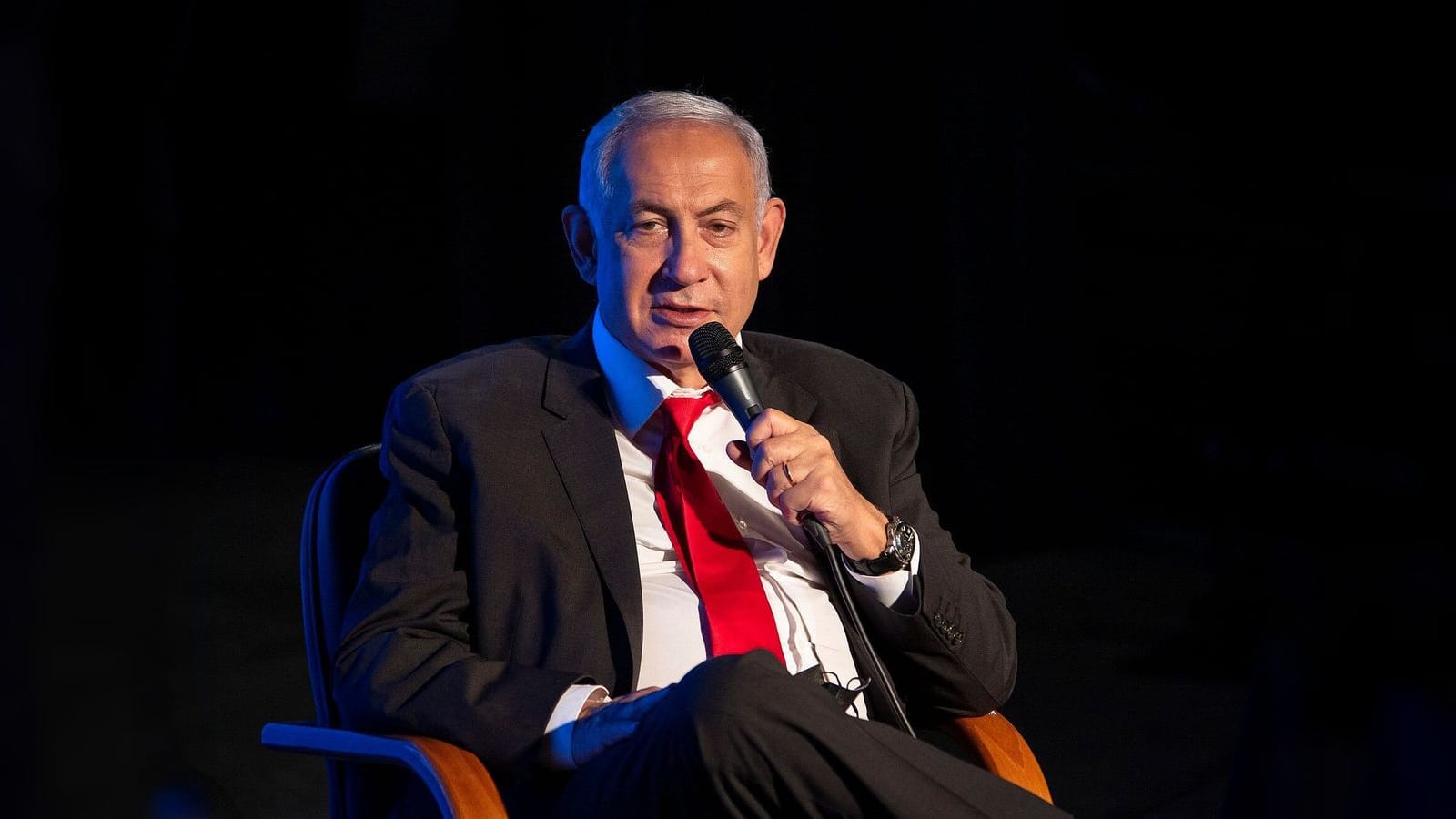
File photo
Next story Government
Combat trauma veterans confront MKs at Knesset; Mansour Abbas walks out
The framing in the Ynet account is a direct ultimatum: meet our demands, or we vote against you. The Majadla account, as carried by Abu Ali Express, is slightly different in emphasis, presenting the choice as one between voting for or against, without stating the conditions explicitly. Both rule out abstention.
How the message reached the public
None of the three reports is an official statement from Ra'am or from Abbas himself. The Times of Israel used the phrase "said to," indicating it was relaying an account rather than a direct statement. Ynet published the quote in a breaking news alert. The Abu Ali Express channel credited the report to Majadla, a journalist, and described it as a political drama unfolding that evening.
What the reports do not say
None of the reports specifies what Ra'am's demands are. None includes a response from Lapid, Eisenkot or any other leader of the bloc, and none says when the confidence vote is expected to take place or whether the bloc can form a government without Ra'am's support. The quoted words have not been confirmed in an on-the-record statement from Abbas or his party.
People in this story: Mansour Abbas, Yair Lapid, Naftali Bennett, Gadi Eisenkot, Benjamin Netanyahu
Read next
All government →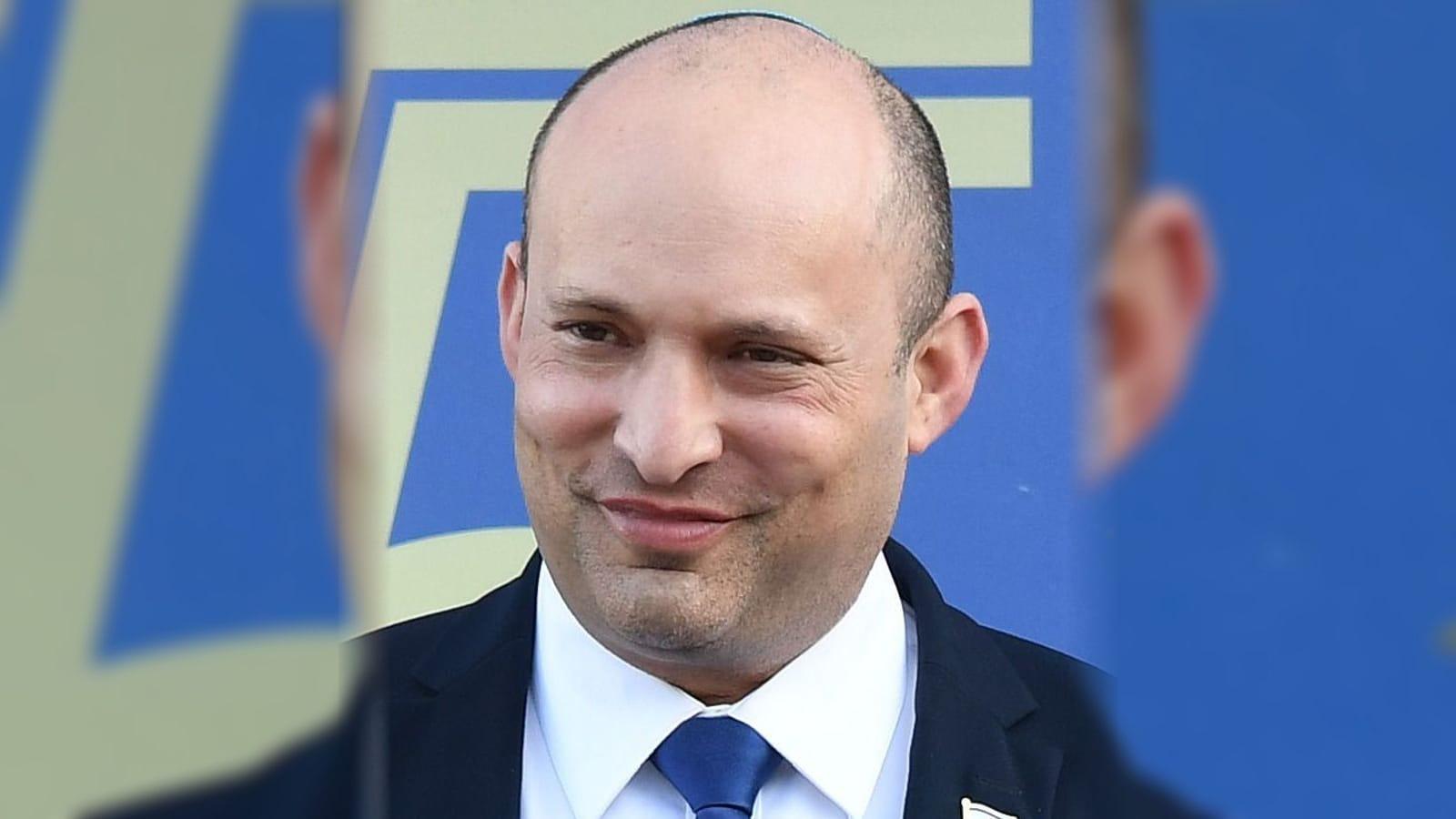
File photo
Government
Bennett delays coalition talks with Eisenkot, seeks Haredi draft plan
Illustration
Government
Likud and Otzma Yehudit MKs reportedly urged PTSD veterans to disrupt Knesset

Illustration
Government
Tel Aviv shares jump, construction index up 6.6%, as coalition talks advance

File photo
Government
Democrats become second party to agree coalition deal with Eisenkot
See Israel.com first in Google's top stories.Add it as a preferred source on Google
Sources and further reading
Every link below was opened and checked when this page was written. Official statements are marked as such: they are the subject's own account, not an independent one.
- Reportingyediotht.meYnet alerts
- Reportingtoitimesofisrael.comThe Times of Israel
- Reportingabualiexpresst.meAbu Ali Express
How we checked this
Ynet, The Times of Israel and Abu Ali Express (citing journalist Mohammed Majadla) all reported that Abbas ruled out abstaining; the ultimatum wording comes from Ynet's alert. None is an on-the-record statement from Abbas or Ra'am, and we have not independently confirmed the remarks.
Our sourcing and corrections policy →The week from Israel, in one email
The stories that mattered, sourced and checked by the Israel.com newsroom. Free, weekly, one-click unsubscribe.
One list, unsubscribe in a click. See our privacy policy.

Israel.com is free, and readers like you keep it that way.
The Israel.com newsroom checks every story against its sources and publishes it free. If this one helped, a contribution of any size keeps the next one free too.
One payment, nothing to sign up for. Another amountGive monthly
Latest

Illustration

Illustration

Illustration

Illustration

Illustration

Illustration