Yisrael Beytenu's Sharon Sharabi rejects government propped up by Ra'am
A Yisrael Beytenu lawmaker has said he will not join a minority government that depends on the Arab party Ra'am, a stance that bears on any coalition built that way.

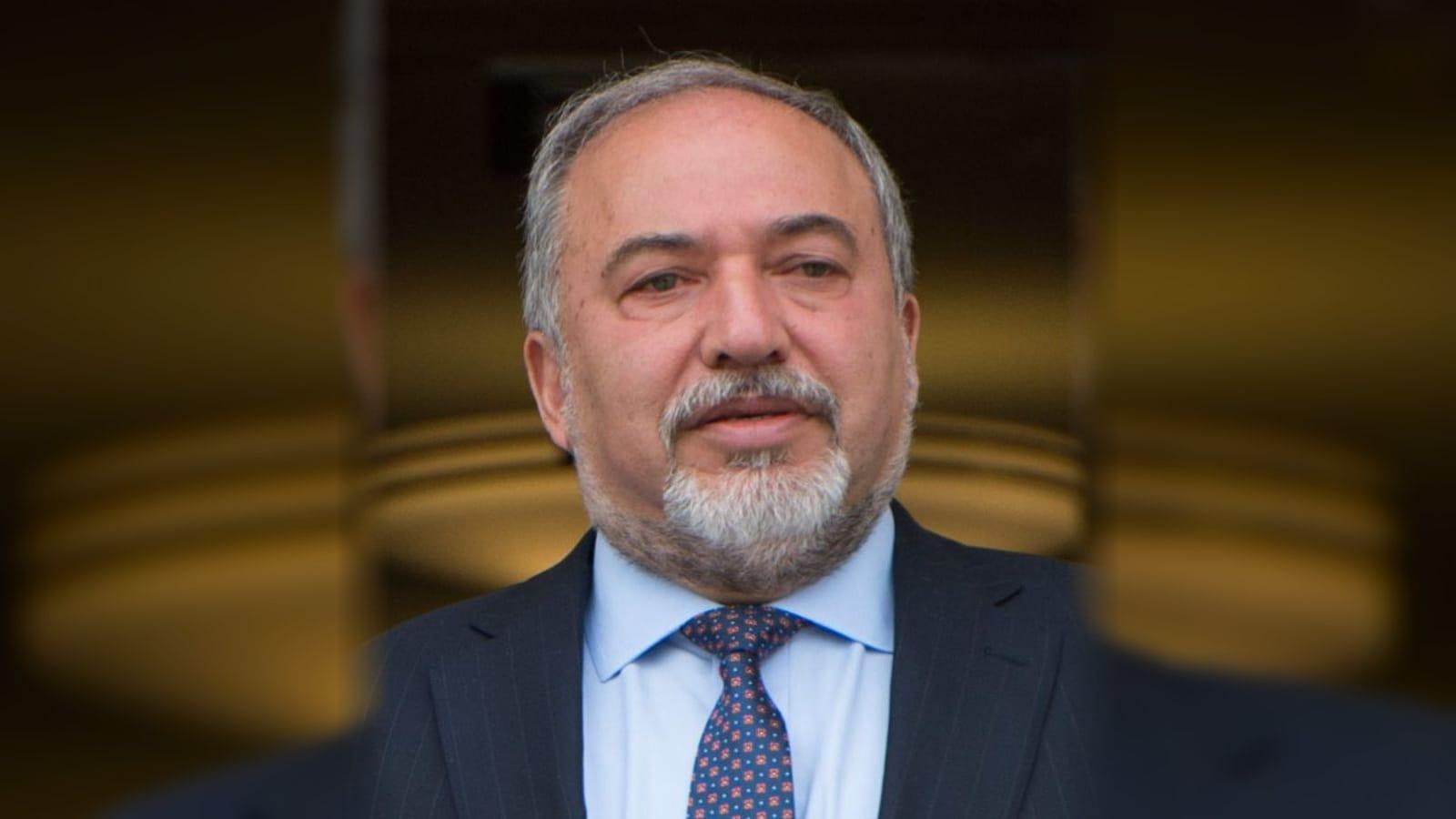
Sharon Sharabi. File photo by אלעד גולדשטיין (Elad Goldstein), CC BY 3.0, via Wikimedia Commons.
Sharon Sharabi, a Member of Knesset (MK) for the Yisrael Beytenu party, has ruled out taking part in a minority government that would rely on backing from Ra'am, The Jerusalem Post reported. The Knesset is Israel's parliament, and an MK is one of its elected members.
Political correspondent Amit Segal wrote on his Telegram channel that Sharabi had in effect confirmed the report. In the words Segal posted, Sharabi said he remained bound by the principles he started out with, and that these included his objection to leaning on Ra'am for support.
Who Sharon Sharabi is
Sharabi sits in the Knesset for Yisrael Beytenu, the party chaired by Avigdor Lieberman. A photograph carried by The Jerusalem Post shows Sharabi in Tel Aviv ahead of a press conference held by Lieberman as party chairman. The reports do not describe his position within the party beyond his status as an MK.
Neither report quotes Lieberman or any other Yisrael Beytenu figure on the matter, so Sharabi's statement is his own and should not be read as a declared party line.
What Ra'am is
Ra'am, known in English as the United Arab List, is an Arab party in the Knesset with roots in the Islamic Movement. Its willingness to cooperate with Jewish-majority parties has made it a recurring factor in Israeli coalition arithmetic, and also a point of dispute: some politicians on the right and centre-right have said they will not form or sit in a government that depends on its votes.
Get an email the day Israel has a new government.
Coalition talks can take weeks. When a government is sworn in, Israel.com's newsroom emails who leads it, which parties are in and who got which ministry, then the Friday email each week. Free, and one click unsubscribes.
One list, unsubscribe in a click. See our privacy policy.
What a minority government means
In Israel's parliamentary system, a government normally rests on a coalition holding a majority of Knesset seats. A minority government is one whose coalition partners do not reach that majority on their own, and which survives because a party outside the coalition agrees to support it or to refrain from bringing it down. The scenario Sharabi addressed is one in which Ra'am would play that outside, supporting role rather than sitting in the cabinet.
Because such an arrangement depends on every member of the coalition holding together, the refusal of an individual lawmaker can matter. A single MK declining to back a government that needs Ra'am's support narrows the room for that kind of arrangement, though the reports do not set out how many seats any such coalition would have.
File photo
Next story Elections
Liberman's Yisrael Beytenu to get Defense and Justice in Eisenkot deal
How the two reports compare
The two accounts agree on the core point: Sharabi does not want to be part of a government reliant on Ra'am. The Jerusalem Post framed it as Sharabi ruling out joining such a government. Segal's post presented Sharabi's own wording, which speaks of principles and of opposing reliance on Ra'am, and described it as confirmation of an existing report. The reports do not conflict, but Segal's version is the one that carries Sharabi's words.
What the reports do not say
The reports do not say who would lead the minority government under discussion, which parties would make it up, or whether Ra'am has agreed to support it. They do not record any response from Ra'am, from Lieberman or from other Yisrael Beytenu MKs, and they do not say whether Sharabi's stance would lead him to vote against such a government or simply to stay out of it.

israeltourism from Israel / CC BY-SA 2.0 · Wikimedia Commons
People in this story: Amit Segal, Avigdor Lieberman
Read next
All elections →
File photo
Government
Eisenkot's Yashar! reaches coalition deal with Lieberman's Yisrael Beytenu

Illustration
Courts & Crime
Patient taken from Ichilov intensive care to police station, now critical

Illustration
Government
Tel Aviv shares jump, construction index up 6.6%, as coalition talks advance

Illustration
Courts & Crime
Crime boss Eran Haya extradited from US, detention extended by six days
See Israel.com first in Google's top stories.Add it as a preferred source on Google
Sources and further reading
Every link below was opened and checked when this page was written. Official statements are marked as such: they are the subject's own account, not an independent one.
- Reportingjpostjpost.comThe Jerusalem Post
- Reportingamitsegalt.meAmit Segal
How we checked this
Sharabi's position was reported by The Jerusalem Post and separately by journalist Amit Segal on Telegram, who relayed Sharabi's own wording. We have not independently contacted Sharabi or his party.
Our sourcing and corrections policy →The week from Israel, in one email
The stories that mattered, sourced and checked by the Israel.com newsroom. Free, weekly, one-click unsubscribe.
One list, unsubscribe in a click. See our privacy policy.

Israel.com is free, and readers like you keep it that way.
The Israel.com newsroom checks every story against its sources and publishes it free. If this one helped, a contribution of any size keeps the next one free too.
One payment, nothing to sign up for. Another amountGive monthly
Latest

File photo

Illustration
File photo · Chris Gallimore / Unsplash

File photo

File photo

File photo
