Netanyahu calls Ben Gvir and Smotrich, but not yet the Haredi party leaders
Netanyahu has spoken with his far-right partners after the election, Ynet reports, while ultra-Orthodox leaders worry about being left in opposition.
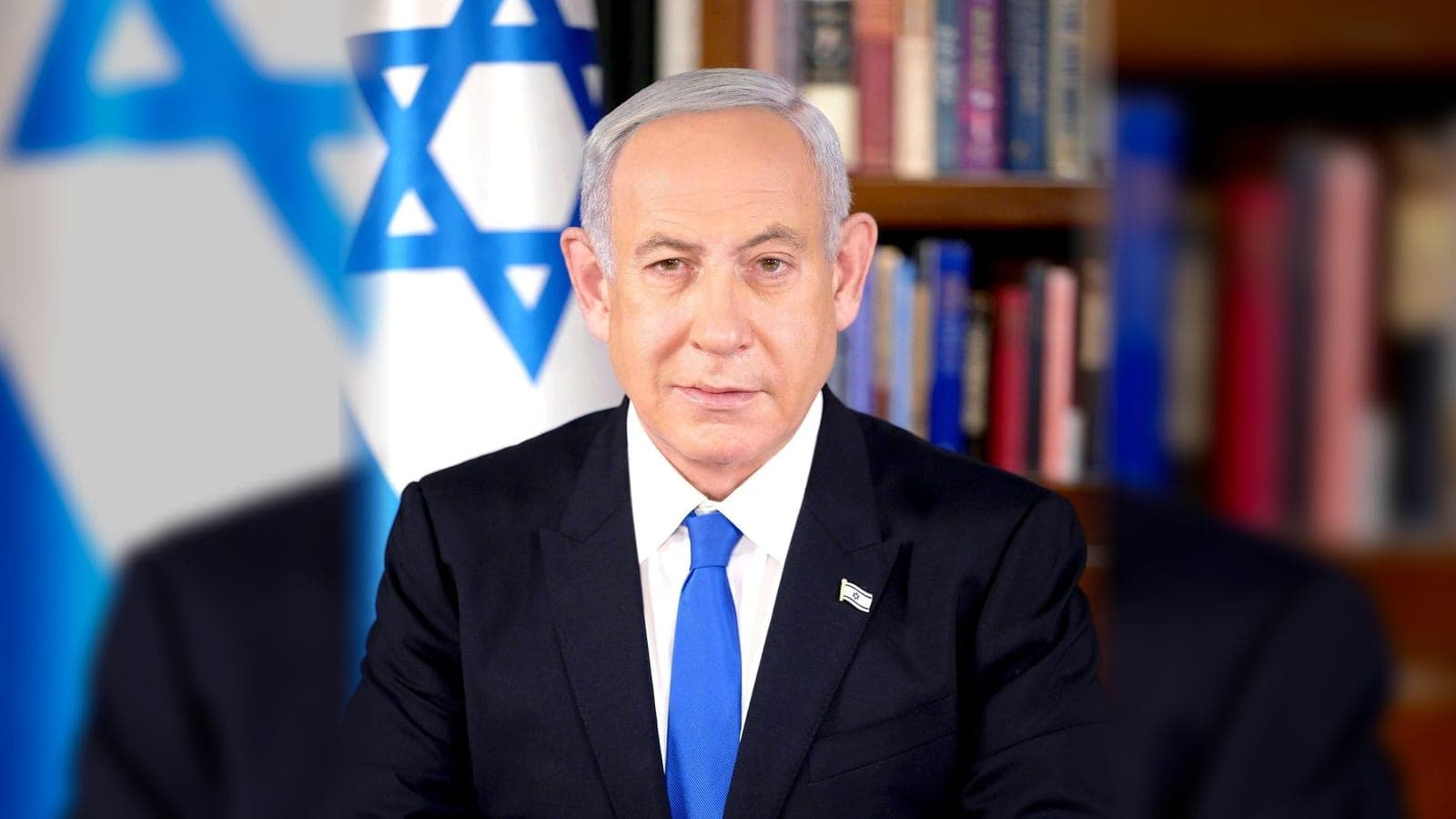
Benjamin Netanyahu. File photo by Avi Ohayon, CC BY-SA 3.0, via Wikimedia Commons.
Prime Minister Benjamin Netanyahu has held conversations with Itamar Ben Gvir, who heads Otzma Yehudit (Jewish Power), and Bezalel Smotrich, who heads Religious Zionism, in the aftermath of the election, Ynet reported. According to the same report, he had not yet spoken with Aryeh Deri or Asher, the leaders it named on the ultra-Orthodox side of his political camp.
Earlier the same day, the Hebrew-language outlet News.co.il reported on its Telegram channel that Netanyahu had sent a message to the heads of the right-wing parties saying he intends to keep the coalition parties together. The report did not say how the message was delivered or which party leaders received it.
On the ground

Netanyahu opens coalition talks as opposition weighs bid to oust Knesset speaker PM holds first post-election talks with far-right allies Smotrich and Ben-Gvir, with Haredi leaders next; opposition figures prepare meetings of their... ynetnews.com/article/hkre9a…


US President Donald Trump wants an Israeli government without ministers Itamar Ben-Gvir and Bezalel Smotrich, American sources said. Reports @IKweller jpost.com/israel-electio…
Who the partners are
Otzma Yehudit and Religious Zionism are the two parties on the far right of the bloc that has backed Netanyahu. Their leaders, Ben Gvir and Smotrich, are the partners Ynet described him contacting. The ultra-Orthodox, or Haredi, parties form the other main component of his camp. Deri leads Shas, a party rooted in the Sephardi and Mizrahi ultra-Orthodox community. Ynet referred to the second ultra-Orthodox leader only by the surname Asher.
Ynet said the ultra-Orthodox leaders are worried about one particular outcome: the formation of what it called a Zionist unity government, a coalition that would leave them outside government and send them to the opposition benches. The report did not say which parties such a government would include or whether any talks toward it are under way.
The other side: the change bloc
Ynet also reported that contacts are taking place within the so-called change bloc, the term Israeli media use for the parties opposed to Netanyahu. According to the report, those parties are also getting ready for the next phase of the process. It did not detail what those preparations involve or who is taking part.
Israel's week in five stories, every Friday
Sourced and checked by the Israel.com newsroom, with Shabbat times. Free, one-click unsubscribe.
One list, unsubscribe in a click. See our privacy policy.
Why the final count still matters
Ynet noted that the political system is waiting for the results of the double envelopes. In Israeli elections, this is the name for ballots cast by voters who cannot vote at their home polling station, such as soldiers and certain other groups. Each vote is sealed inside two envelopes so that the voter's identity can be checked separately from the ballot itself. These votes are counted after the regular ballots, and because Israeli seats are allocated proportionally, they can shift the final distribution in a close race.
Until those votes are tallied, the precise balance between the blocs is not settled, which helps explain why, according to the reports, both camps are positioning themselves rather than announcing agreements.
Next story Elections
With 90.4% of votes counted, Netanyahu bloc holds 53 seats to Eisenkot's 48
How coalition building works
No single party in Israel's parliament, the Knesset, has historically won a majority on its own, so governments are formed through coalition agreements between several parties. After official results are published, the president consults with party representatives and assigns the task of forming a government to the lawmaker considered most likely to succeed. Early conversations between party leaders, like those described in these reports, typically take place before that formal process begins.
The two reports point in a similar direction. News.co.il describes a stated intention by Netanyahu to preserve his existing alliance, and Ynet describes him reaching out first to two of its members. The reports differ in emphasis: News.co.il speaks of right-wing party heads in general, while Ynet draws a distinction between the far-right leaders he has called and the ultra-Orthodox leaders he has not.
What the reports do not say
Neither report gives the election results, seat totals for any party, or how many seats either bloc is expected to hold once the double envelopes are counted. Neither quotes Netanyahu, Ben Gvir, Smotrich, Deri or Asher directly. Ynet does not say what was discussed in the calls with Ben Gvir and Smotrich, or why Netanyahu had not yet spoken with the ultra-Orthodox leaders. News.co.il does not specify whether its report refers to the same conversations Ynet described. Neither report identifies who would lead or join a Zionist unity government, and neither says when the final results are expected.
Read next
All religion →
File photo
Religion
United Torah Judaism says only Netanyahu's camp has reached out to the party
File photo
Society
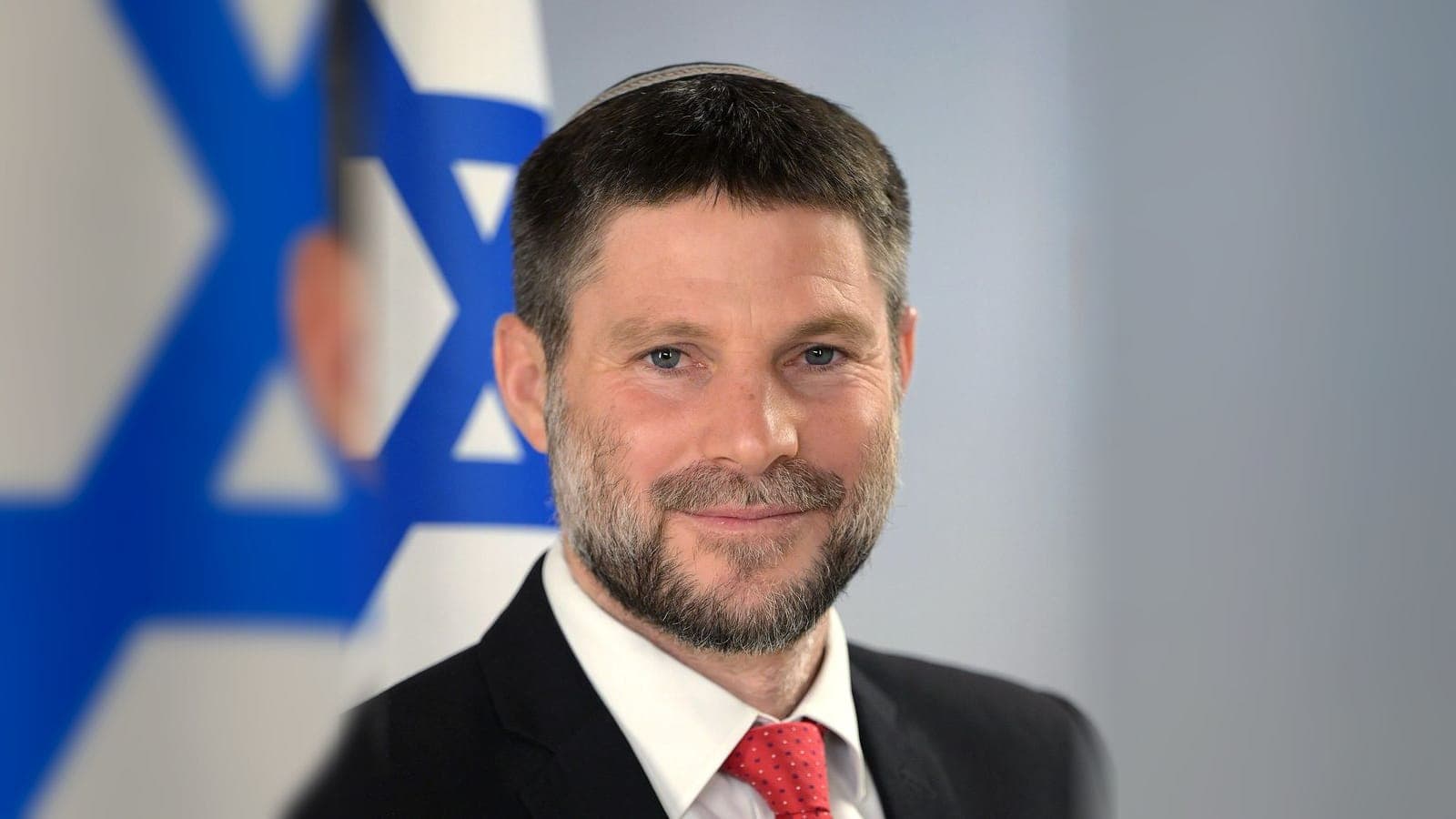
Smotrich vows Jewish settlements in Gaza as polls give rivals an edge

Illustration
Courts & Crime
Police chief vows zero tolerance after Haredi protest blocks Highway 4 near Yavne

Illustration
Courts & Crime
Two arrested as Haredi draft opponents try to enter Bnei Brak Kodkod building
Sources and further reading
Every link below was opened and checked when this page was written. Official statements are marked as such: they are the subject's own account, not an independent one.
- Reportingyediothynet.co.ilYnet
- Reportingnewssilt.meNews.co.il
How we checked this
The calls with Ben Gvir and Smotrich, and the ultra-Orthodox concerns, are reported by Ynet alone; the message about keeping the coalition parties is reported by News.co.il alone. We have not independently confirmed either account.
Our sourcing and corrections policy →The week from Israel, in one email
The stories that mattered, sourced and checked by the Israel.com newsroom. Free, weekly, one-click unsubscribe.
One list, unsubscribe in a click. See our privacy policy.

Israel.com is free, and readers like you keep it that way.
The Israel.com newsroom checks every story against its sources and publishes it free. If this one helped, a contribution of any size keeps the next one free too.
One payment, nothing to sign up for. Another amount
Latest
- Saudi-led coalition says it intercepted Houthi ballistic missile from Yemen
- Vance writes to Iran's Mohsen Rezaei, insisting any talks cover the nuclear issue
- Israel begins counting up to 480 thousand double envelope votes
- Joint List offers to help form an alternative government after 19-seat result
- Israel's opposition weighs replacing Knesset speaker Ohana, with Lapid floated
- Likud says Arab parties stole the election, asks police and Shin Bet to probe